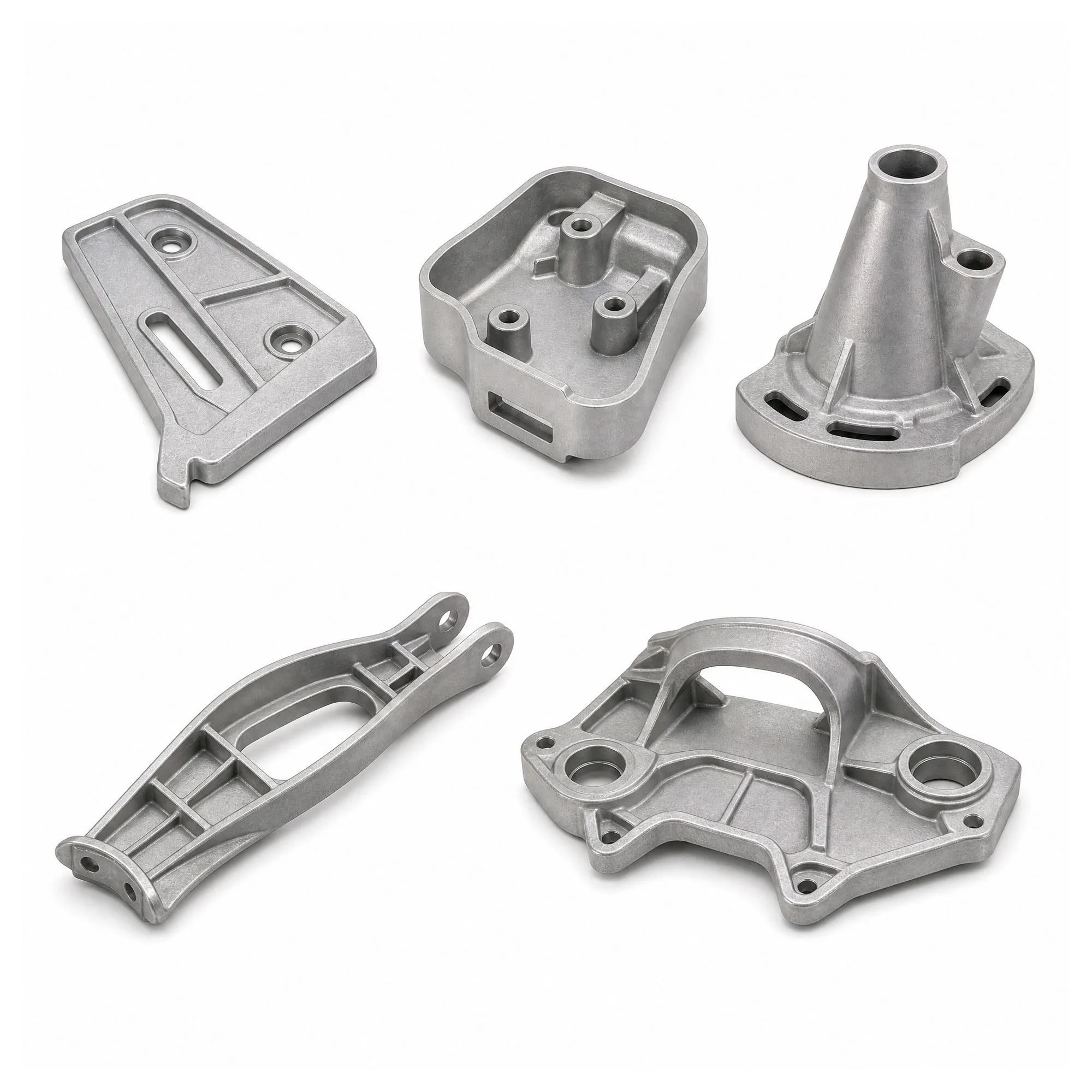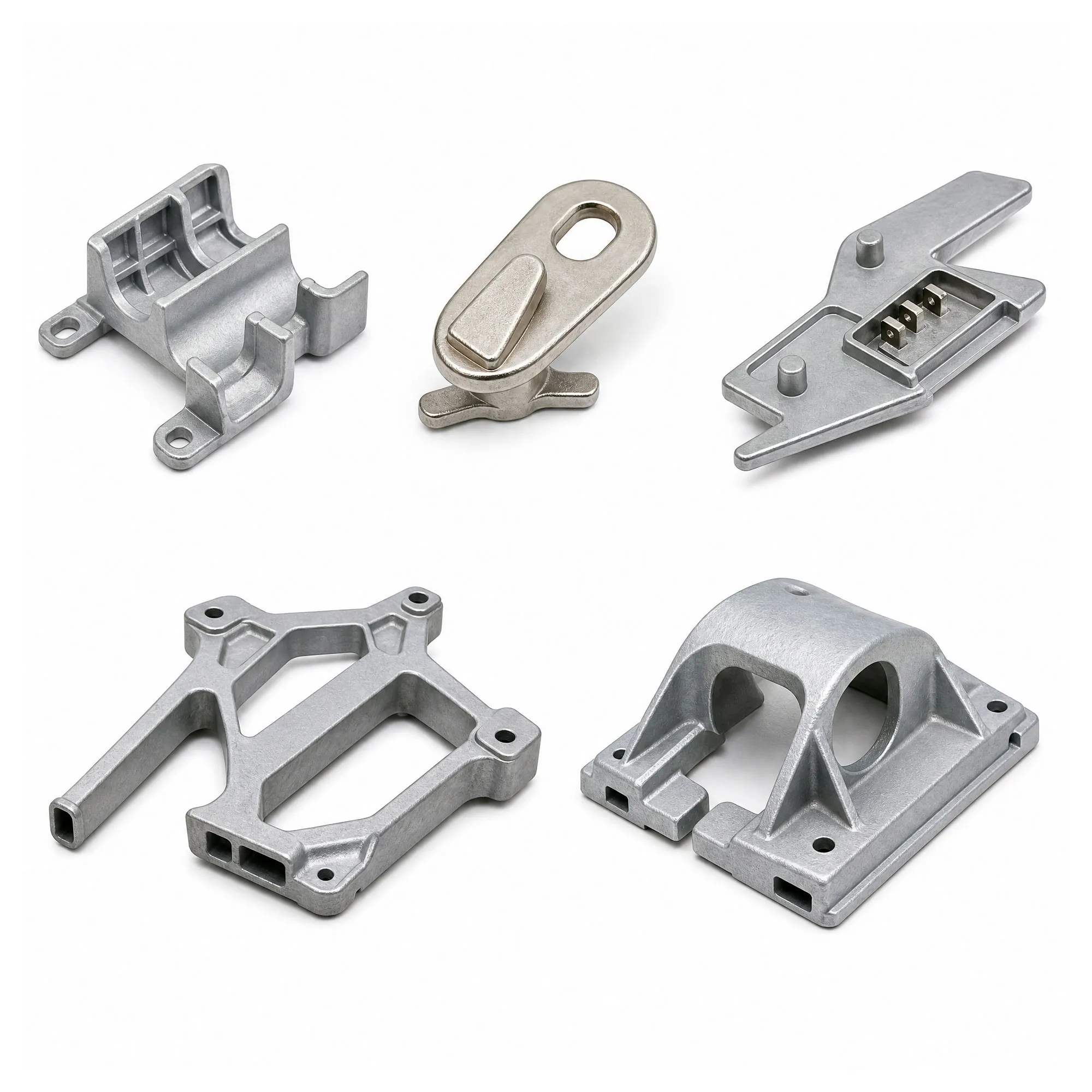
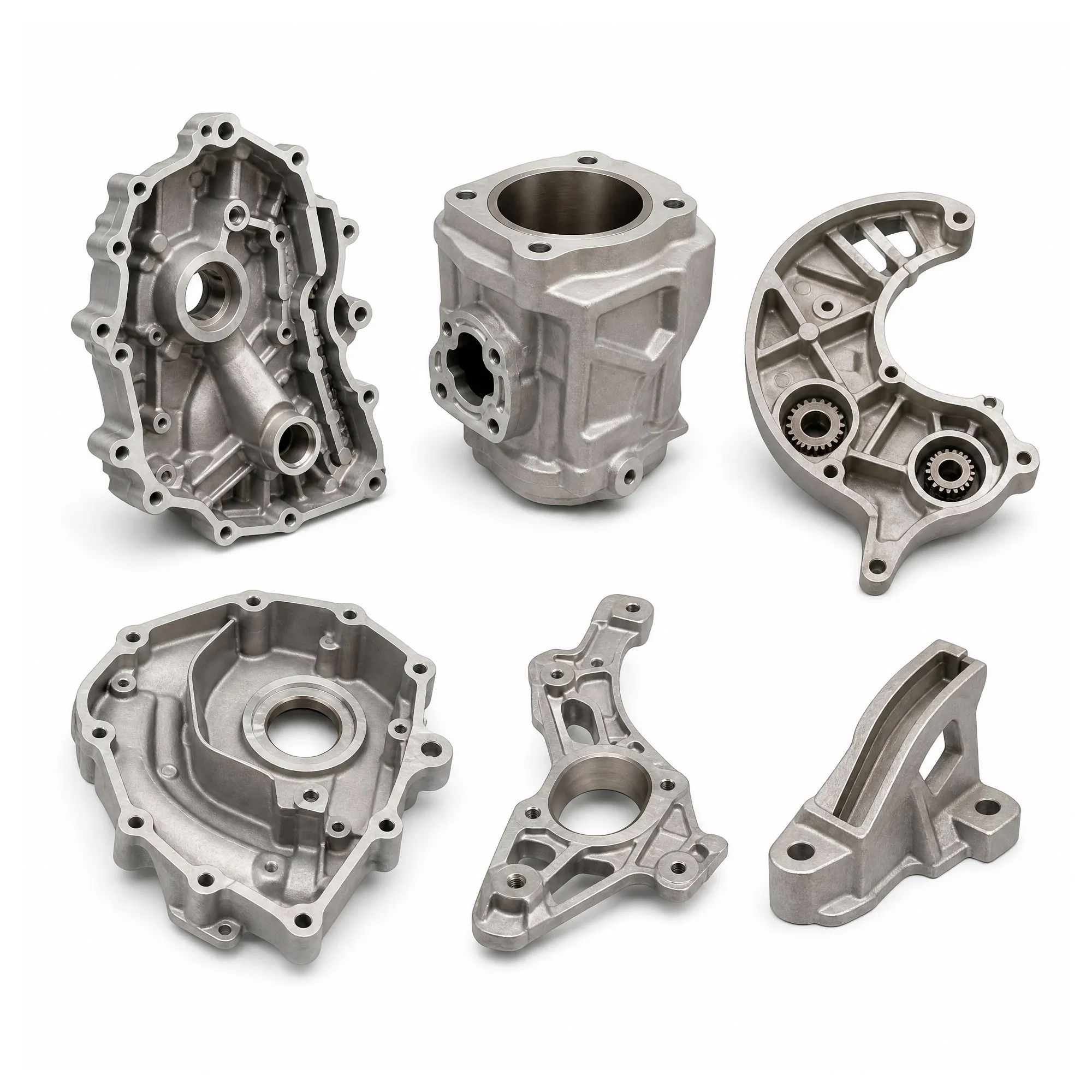
Custom Industrial Metal Casting Parts for Zinc, Cast Iron, Stainless Steel and Aluminum Requests
Let’s define your requirement
Send a product link, drawing or short brief. We’ll work through the details with you.
- Confirm the specificationGrade or model, size and intended use.
- Define your orderQuantity, finish or configuration, and samples.
- Agree the quotation scopeIncluded work, key checks and delivery needs.
-
Surface FinishPainted , Powder CoatedAlloy GradeA380 , ADC12
-
Surface TreatmentChorme Plating Elecrophoresis Painting Powder Coat
-
MaterialsADC12/ A380ProcessInvestment casting/Lost wax
-
materialCarbon steel/Stainless steel/Aluminum alloysDimensionCustomized
-
Quality Control100% InspectionApplicationIndustrial, commercial, Household, Automotive parts
-
Tolerance+/- 0.02 mmRoughnessra3.2-ra6.3
-
PackageWooden palletExport experienceMore than 10 years
-
MOQ100 Pieces
Custom industrial metal casting brings the component's dimensions, material and surface finish into one order definition. Requests may concern zinc, cast iron, carbon steel, stainless steel or aluminum alloys, with industrial, commercial, household and automotive parts among the intended application directions.
Start with a specific material request
ADC12 and A380 are aluminum alloy names available for the material discussion. Keep the selected grade attached to the individual component, particularly when comparing an aluminum request with steel, zinc or cast iron work. Agree the casting route for that choice, including whether the project calls for die casting or an investment casting/lost-wax route.
Which surfaces determine final acceptance?
Dimensions are customized, with a tolerance direction of ±0.02 mm. The surface roughness direction is Ra3.2–Ra6.3; identify the relevant surfaces and confirm the units and acceptance method for the order. Separate the dimensions that control a connection from those that describe the overall shape, so the inspection discussion follows the component's actual function.
Compare the available treatment directions
Chrome plating, electrophoresis, painting and powder coating are surface-treatment directions to consider. Select the treatment with the actual metal and desired appearance in mind, then describe where it applies. Visible faces and assembly interfaces can have different acceptance needs even on the same part.
Keep finish and geometry connected
If a treated area also controls fit, include its finished condition in the dimensional definition. This gives the surface request a clear relationship to the customized part.
Define a repeatable order of 100 pieces or more
The minimum order is 100 pieces, and 100% inspection is offered. Establish the material, process allocation, critical dimensions and surface acceptance before the order is finalized. These choices provide a practical basis for comparing requests across the different application and material directions without treating the whole menu as one fixed component.