Custom High-Precision Aluminum-Alloy Die Castings with Machining, Surface Treatment and 1,000-Piece Orders
Let’s define your requirement
Send a product link, drawing or short brief. We’ll work through the details with you.
- Confirm the specificationGrade or model, size and intended use.
- Define your orderQuantity, finish or configuration, and samples.
- Agree the quotation scopeIncluded work, key checks and delivery needs.
-
MaterialAluminumSurface treatmentCustomers' Demand
-
ProcessDie Casting+Machining+surface TreatmentCertificationISO9001/TS16949/RoHS
-
KeywordCustomized Precision CastingLead Time15-35 Days
-
PackingCustomized PackingQuality Control100% Inspection
-
MOQ1000 PcsTypeAluninum Die Casting
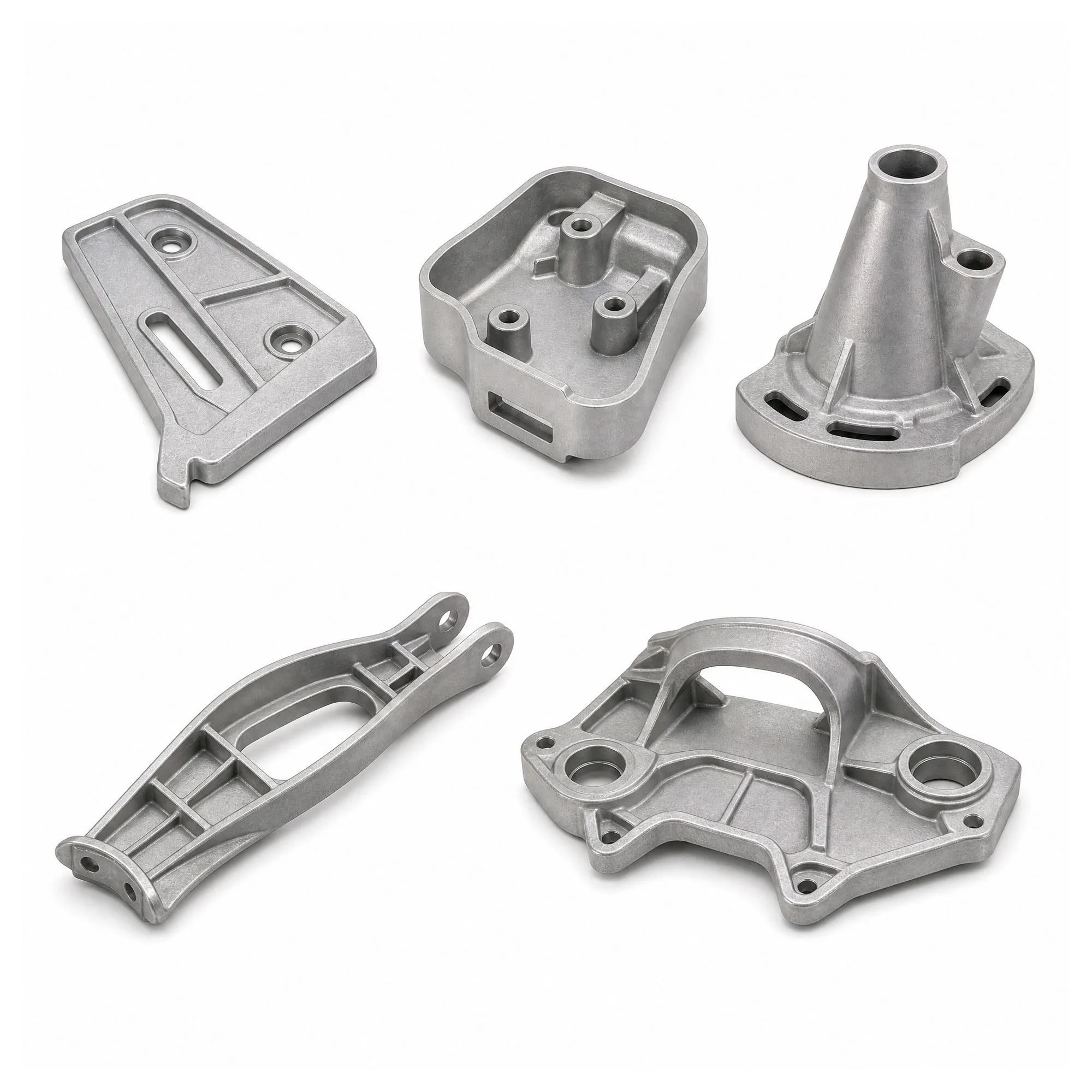
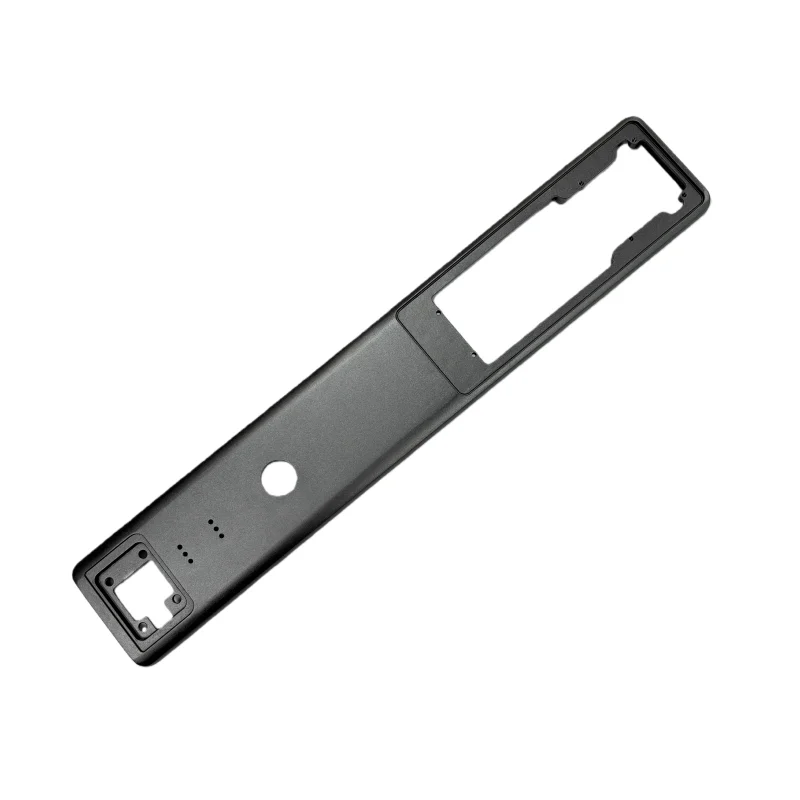
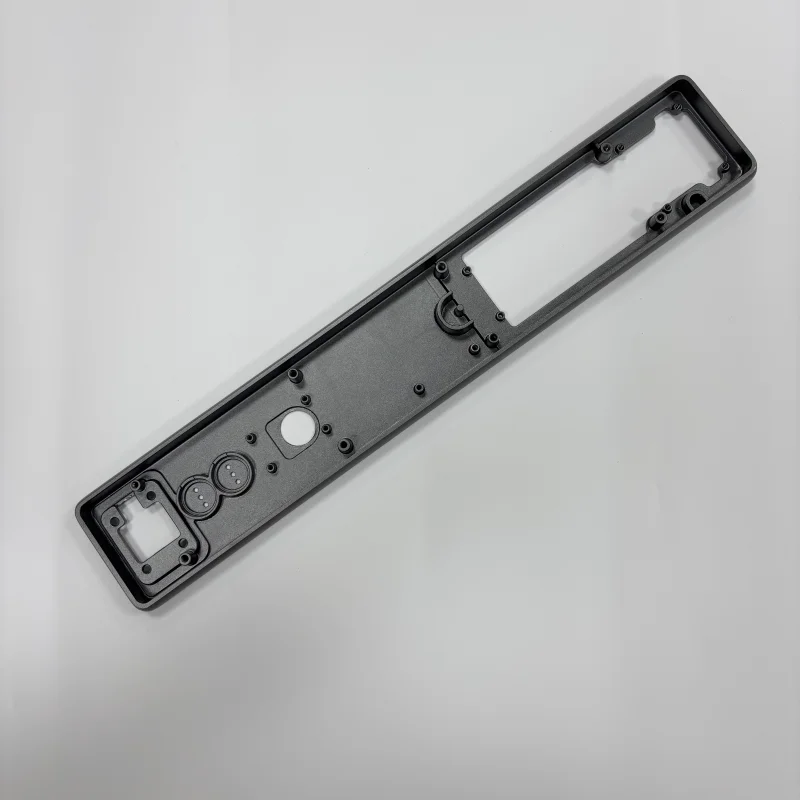
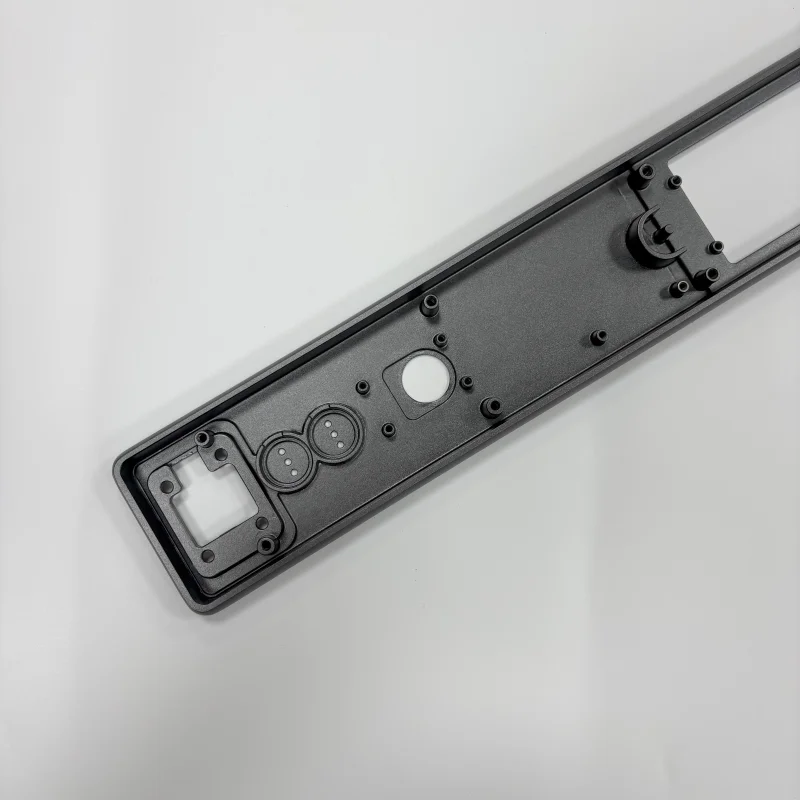
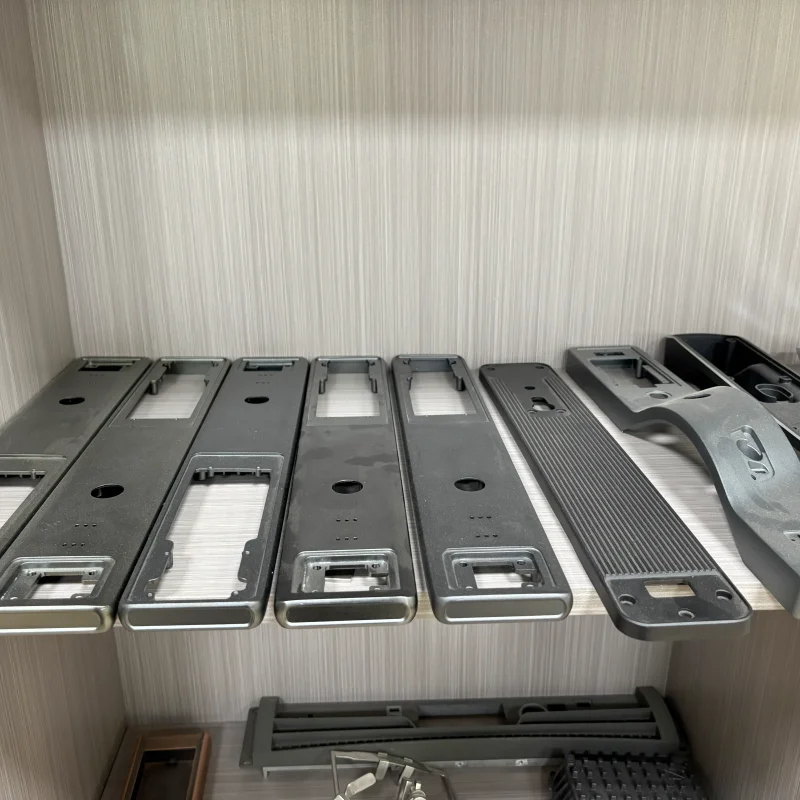
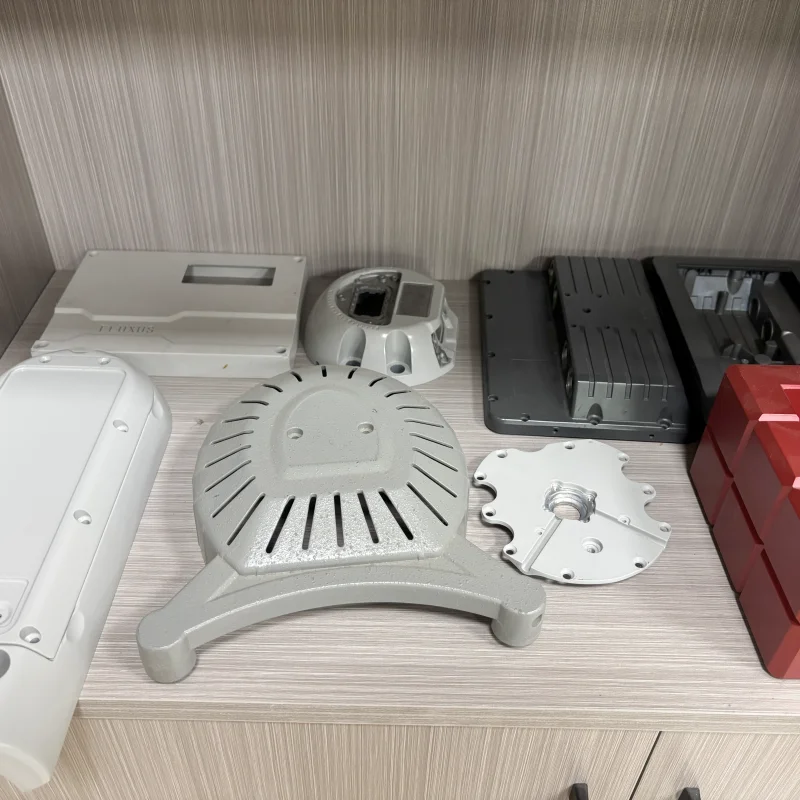
Custom high-precision aluminum-alloy die castings combine die casting, machining and surface treatment. The surface condition follows the customer's demand, with 100% inspection and a minimum order of 1,000 pieces. A defined component and its delivered condition provide the basis for reviewing this custom manufacturing work.
Aluminum casting and machined dimensions
Choose the aluminum-alloy requirement and define the geometry of the component to be produced. The process includes machining, so identify the dimensions and interfaces that need that work after casting. Connecting those areas with their required acceptance gives the precision discussion a clear part-specific scope.
Surface condition to customer demand
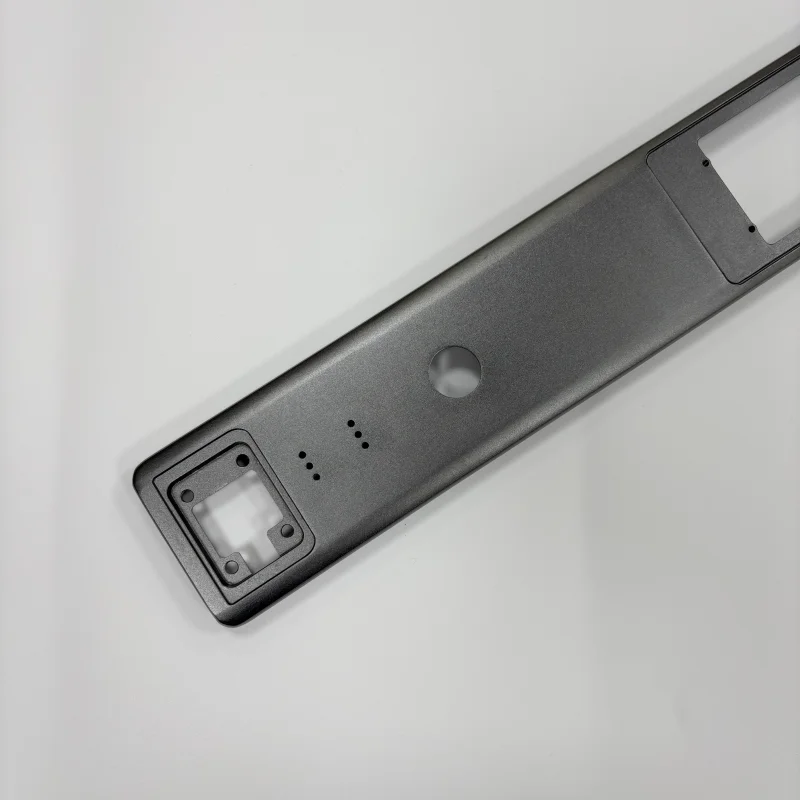
Surface treatment is customized to the customer's requirement. Describe the treatment and appearance needed for the selected aluminum part, including the component surfaces to which the requirement applies. The delivered surface and machined dimensions can then be considered together when defining the finished condition.
Inspection for the 1,000-piece batch
The minimum order is 1,000 pieces, and the quality-control scope is 100% inspection. Agree the material, dimensional and surface criteria used to review the chosen component. Those criteria connect inspection with the actual aluminum casting and its subsequent machining and treatment, giving the custom batch a consistent component definition.
The useful starting point is the selected alloy, component geometry and required delivered surface. Keep the dimensions, intended function and mating requirements attached to that part as the casting, machining and inspection scope is agreed.