
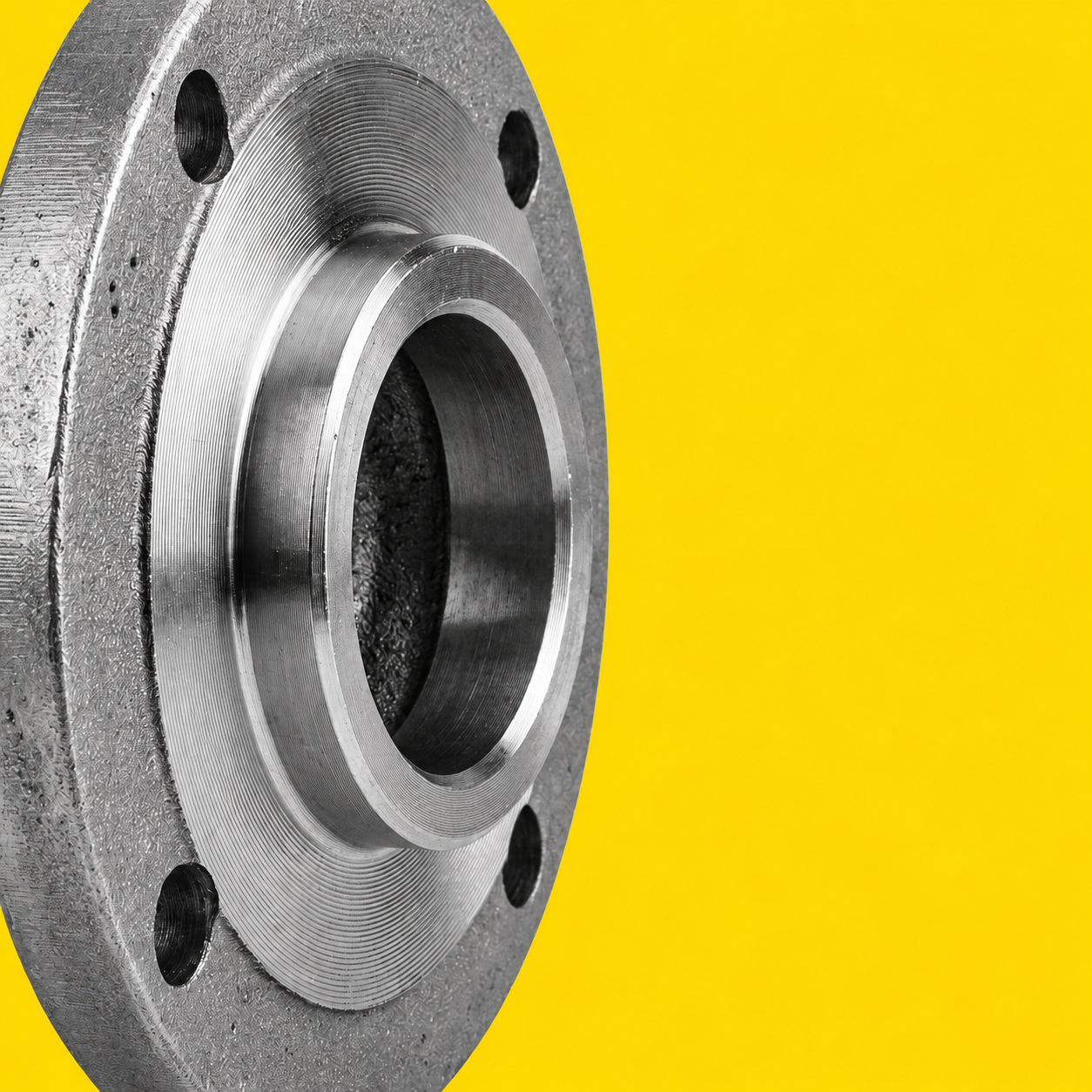
Custom Grey/Ductile-Iron Sand Castings with Precision CNC for Auto Machinery and ASTM A536/A48 References
Let’s define your requirement
Send a product link, drawing or short brief. We’ll work through the details with you.
- Confirm the specificationGrade or model, size and intended use.
- Define your orderQuantity, finish or configuration, and samples.
- Agree the quotation scopeIncluded work, key checks and delivery needs.
-
MaterialDuctile Iron & Grey iron
-
ApplicationAuto MachineryProcessSand casting
-
ServiceOEM\ODMCertificationISO9001
-
DimensionsCustomized SizesQuality Control100% Inspected /ISO9001 System
-
ToleranceCustomer's Drawing Request
Custom grey- and ductile-iron parts are offered through sand casting and precision CNC machining for auto machinery. OEM/ODM service supports customized sizes, with tolerances following the customer's drawing and 100% inspection. ASTM A536 and A48 are references to define for the selected iron component.
Iron type and ASTM requirement
Select grey iron or ductile iron and agree the actual grade and applicable ASTM A536 or A48 requirement. Attach that material choice to the component drawing and intended auto-machinery role. The standard and grade can then give the casting request a specific material acceptance basis.
Sand-cast form and CNC interfaces
Sand casting and precision CNC machining provide the manufacturing directions for the custom part. Define the cast geometry and identify the interfaces and dimensions requiring CNC work. This connects the machining scope with the drawing tolerances and the way the component must join its intended assembly.
Custom dimensions and full inspection
Sizes are customizable, while tolerance follows the customer's drawing request. Agree the material and dimensional criteria used for the 100% inspection scope. Keeping those checks attached to the selected iron and drawing features allows the custom casting and CNC work to be reviewed against the actual component definition.
- Material selection
- Choose the iron type, grade and applicable ASTM requirement.
- Component geometry
- Define the sand-cast form, machined interfaces and mating requirements.
- Acceptance criteria
- Connect drawing tolerances and material checks to the intended auto-machinery part.








