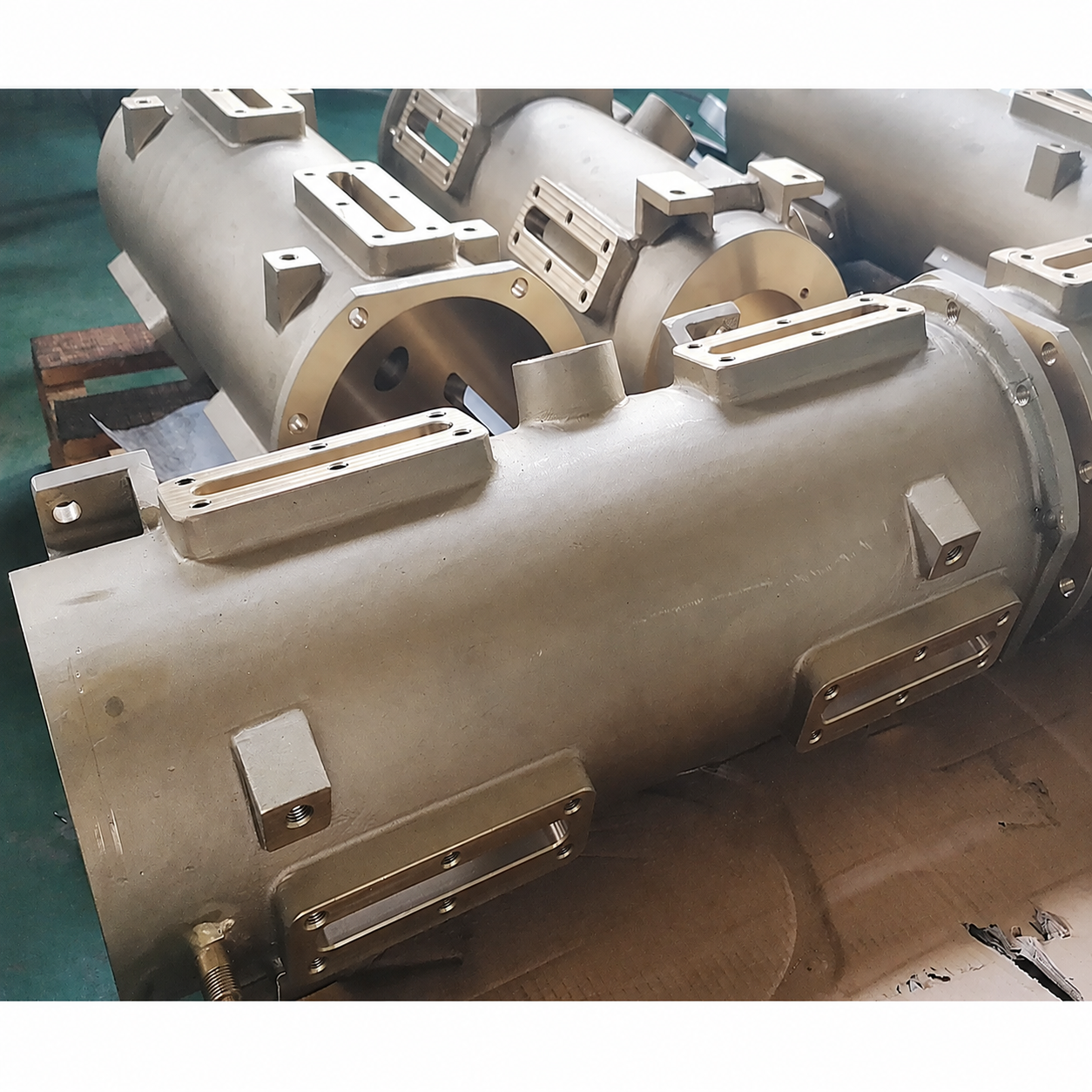
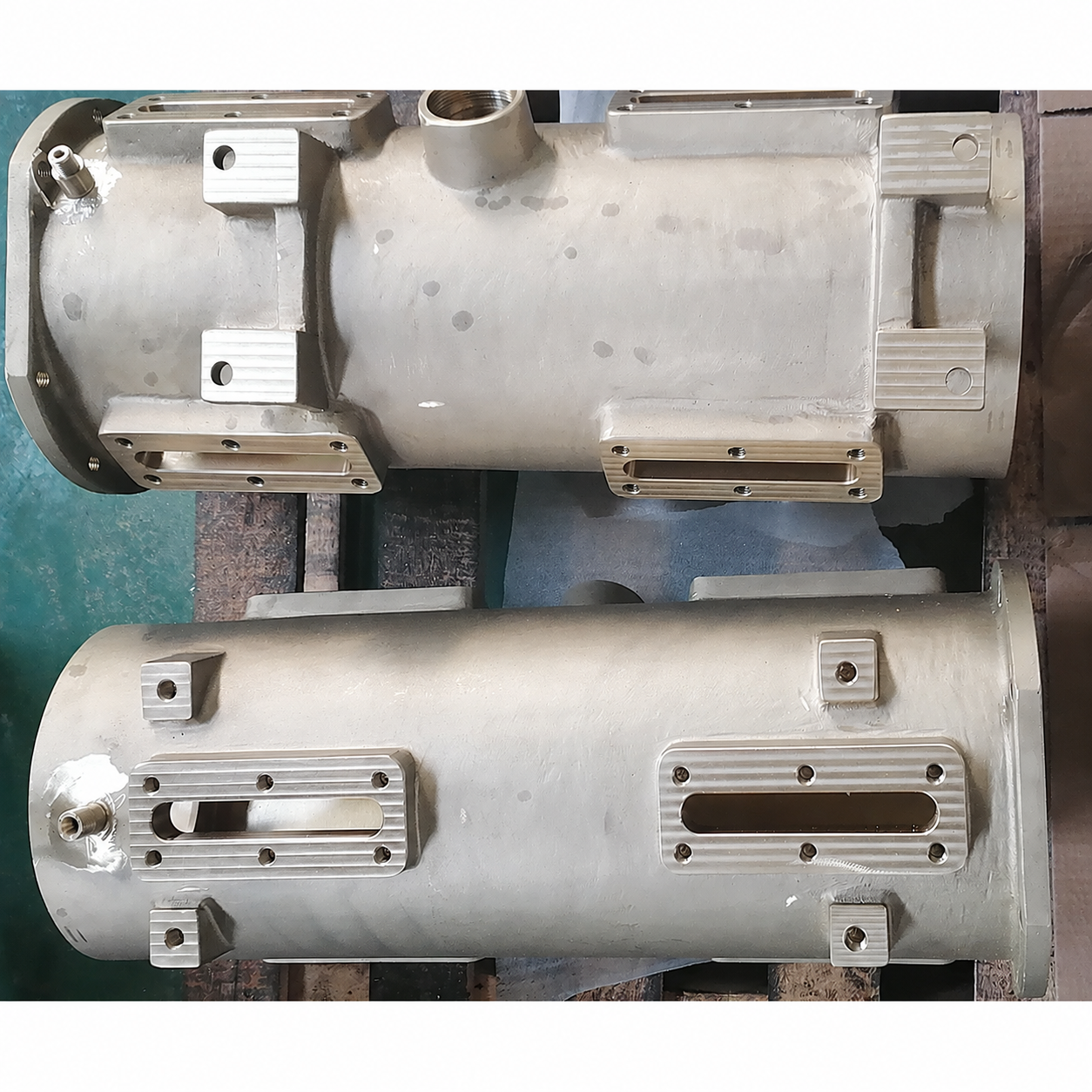
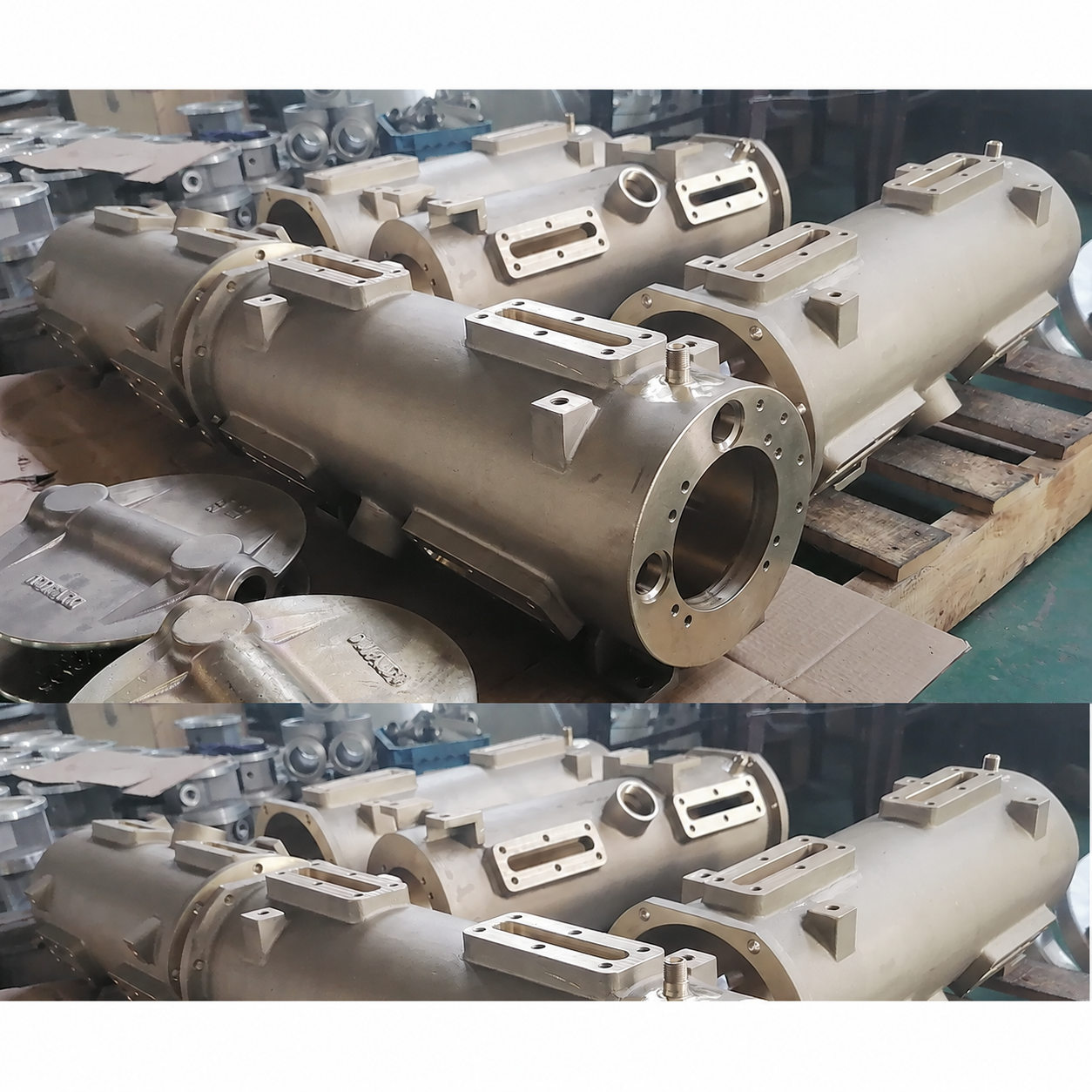
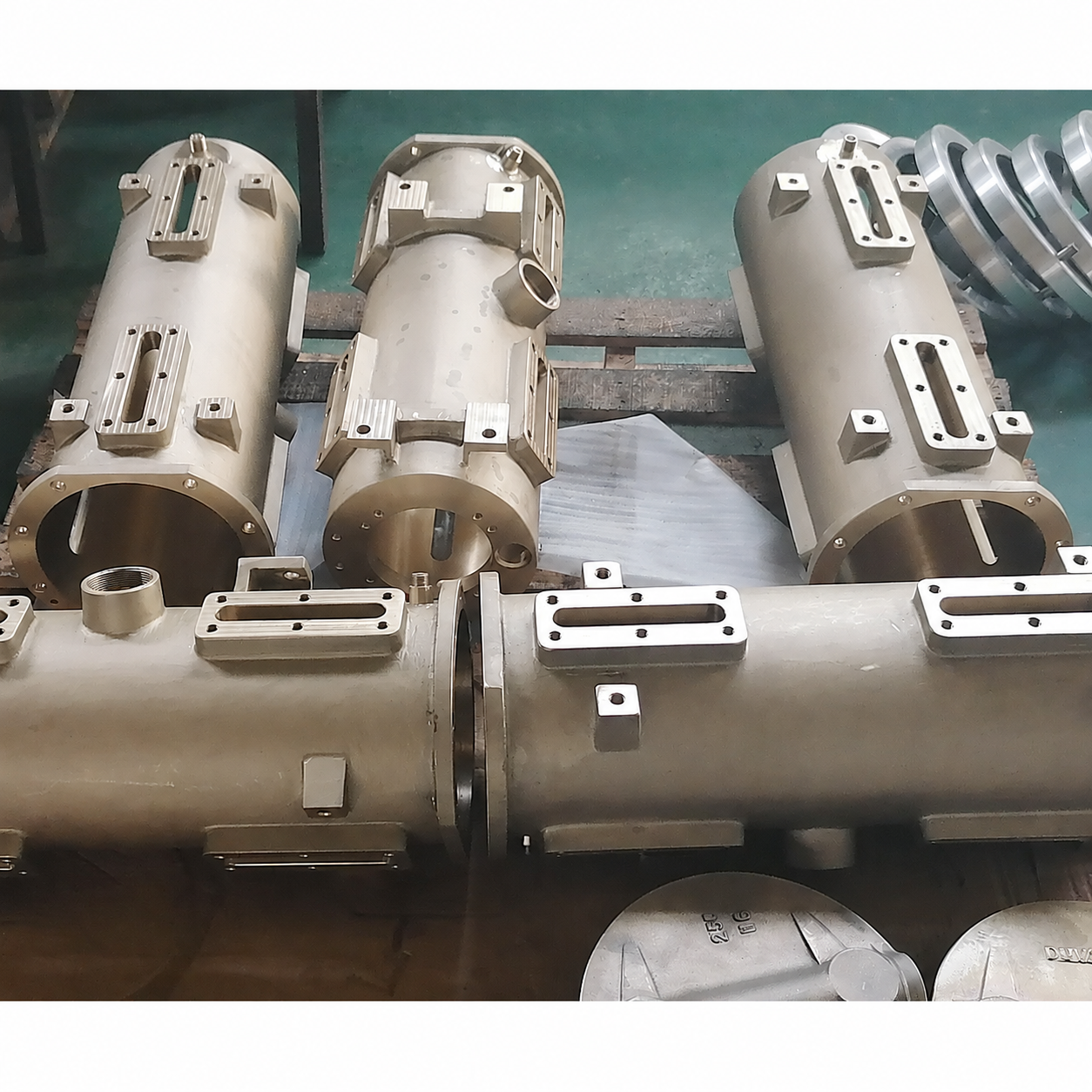
Custom Copper, Brass and Bronze Lost Wax Castings with CT4–CT6 and Boring
Let’s define your requirement
Send a product link, drawing or short brief. We’ll work through the details with you.
- Confirm the specificationGrade or model, size and intended use.
- Define your orderQuantity, finish or configuration, and samples.
- Agree the quotation scopeIncluded work, key checks and delivery needs.
-
Surface FinishSandblasted , Polished
-
MaterialBrass,Bronze,Copper
-
SizeCustomer's ReuqestProcessCasting +Machining(if Need)+surface Treatment
-
Machining ProcessBoringFinishPolish.sandblast
-
Surface TreatmentCustomers' DemandToleranceCT4-CT6
-
ApplicationIndustrial, Commercial, Household, Automotive Parts
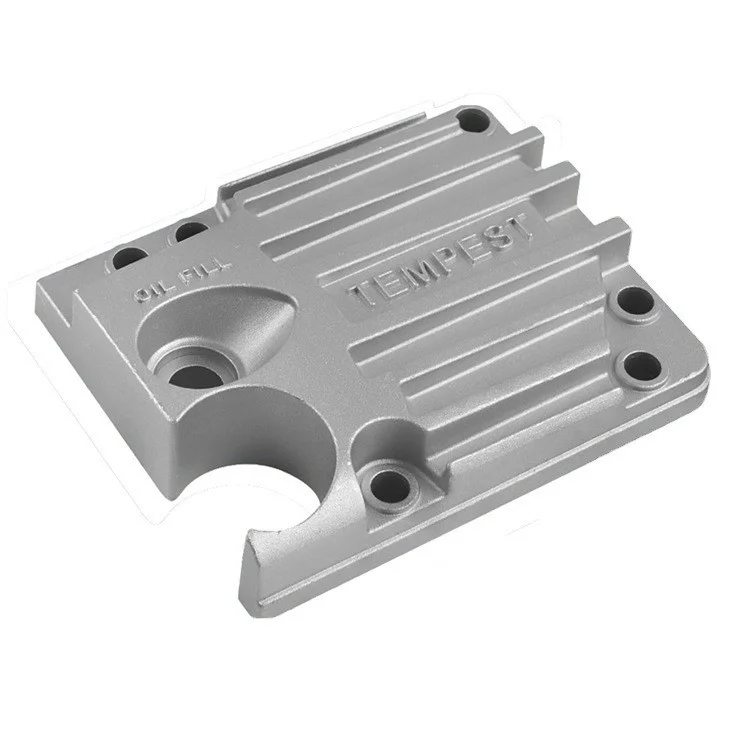
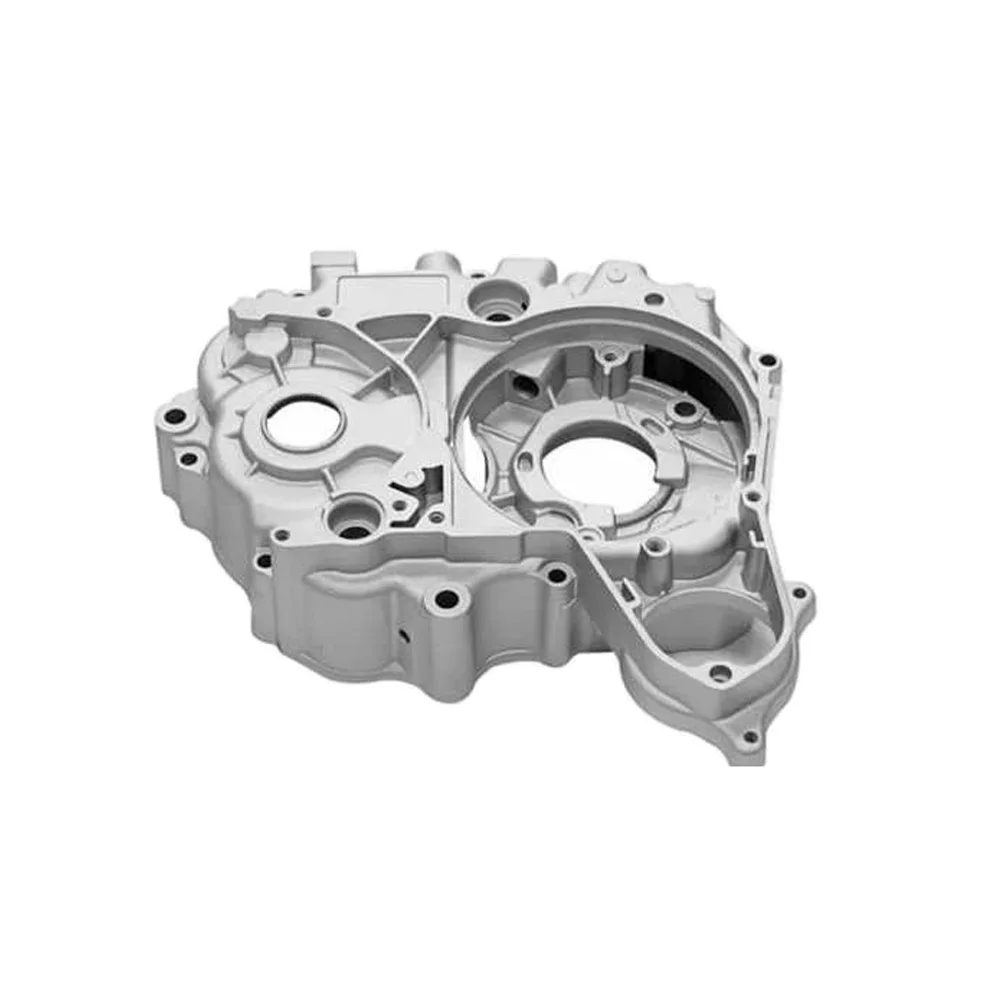
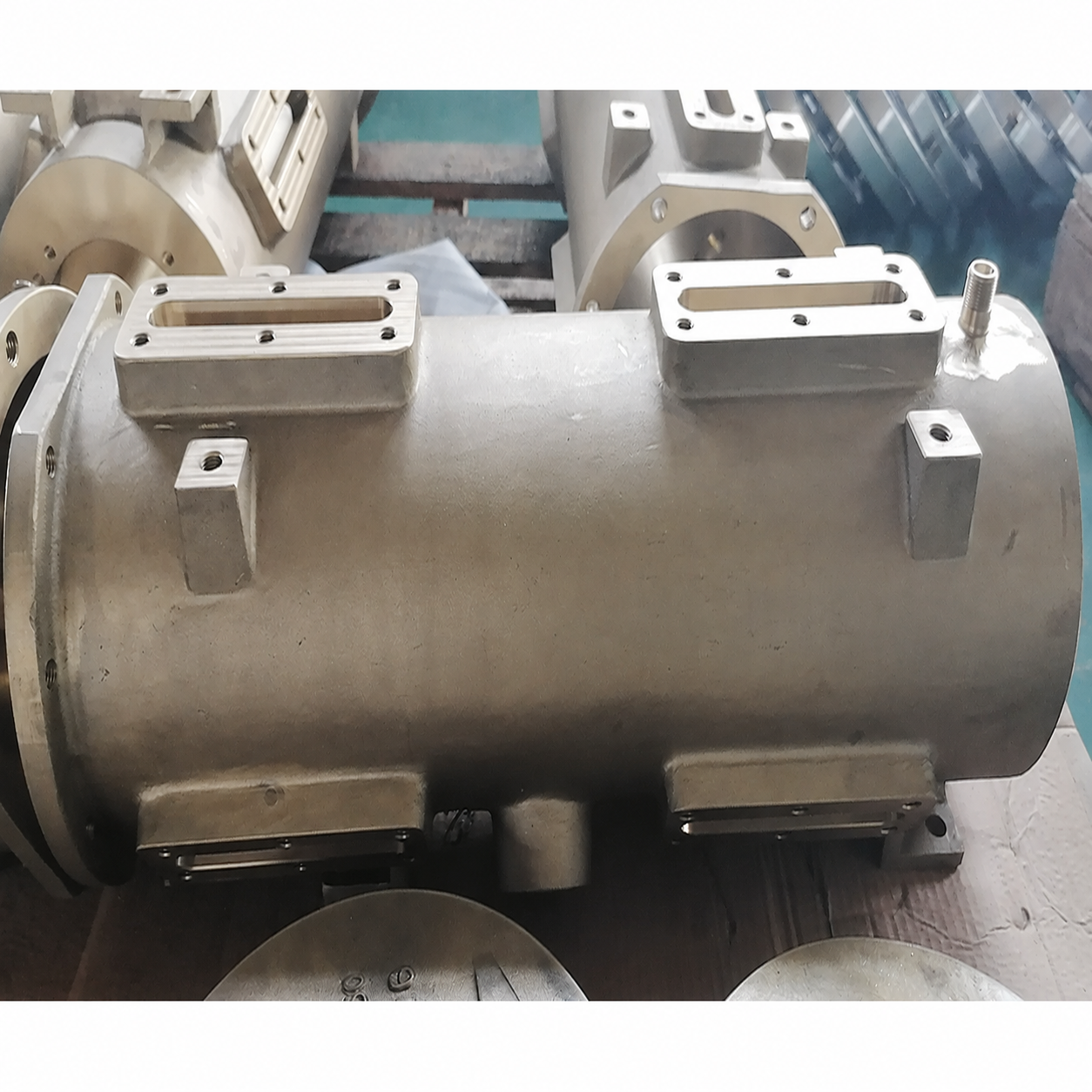
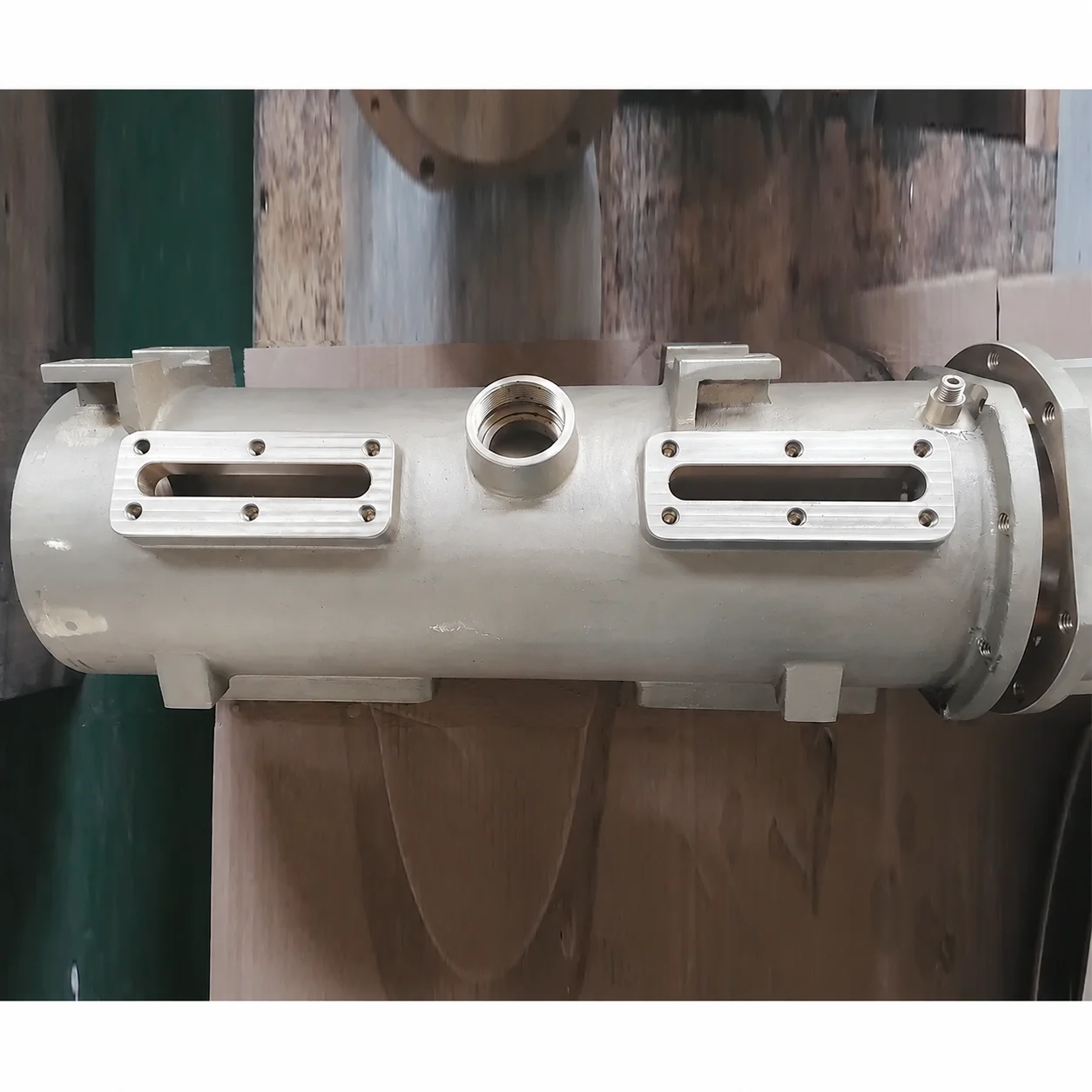
Custom lost wax casting covers copper, brass and bronze parts with size defined by the customer's request. CT4–CT6 is the casting tolerance scope, while boring is a named machining operation. Polishing, sandblasting and customer-selected surface requirements support the finished-part review.
Choose the metal for the actual component
Select the exact copper, brass or bronze grade needed for the design. Industrial, commercial, household and automotive components are application areas for enquiry, each requiring the actual part duty to be defined. Connect that duty to the material specification and geometry before approving the casting plan.
Separate cast dimensions from the finished bore
Agree the applicable CT4–CT6 casting requirement for the selected geometry. Where the part requires boring, define the bore dimensions and relationships that govern its fit with the mating component. Identify the acceptance required after that operation rather than using the casting class as a substitute for finished bored dimensions. Machining is selected where the actual component needs it.
Set the polished or sandblasted result
Polishing and sandblasting offer different finish choices within the service scope. Mark the areas receiving the chosen finish and agree their final surface or appearance criteria. Review those requirements alongside the bore and other functional interfaces, especially where a finished surface also has a dimensional acceptance requirement.
Complete the customer-specific acceptance plan
Bring the chosen grade, component size, casting class and boring requirements into one drawing review. Specify any further surface treatment requested for the design and the inspection criteria needed for its actual use. The finished acceptance should address the dimensions, interfaces and surfaces that matter to that particular copper, brass or bronze component.