Custom Brass and Steel Casting Service | Precision Investment, Die Casting and Powder Coating
Let’s define your requirement
Send a product link, drawing or short brief. We’ll work through the details with you.
- Confirm the specificationGrade or model, size and intended use.
- Define your orderQuantity, finish or configuration, and samples.
- Agree the quotation scopeIncluded work, key checks and delivery needs.
-
Surface FinishAnodized , Powder Coated
-
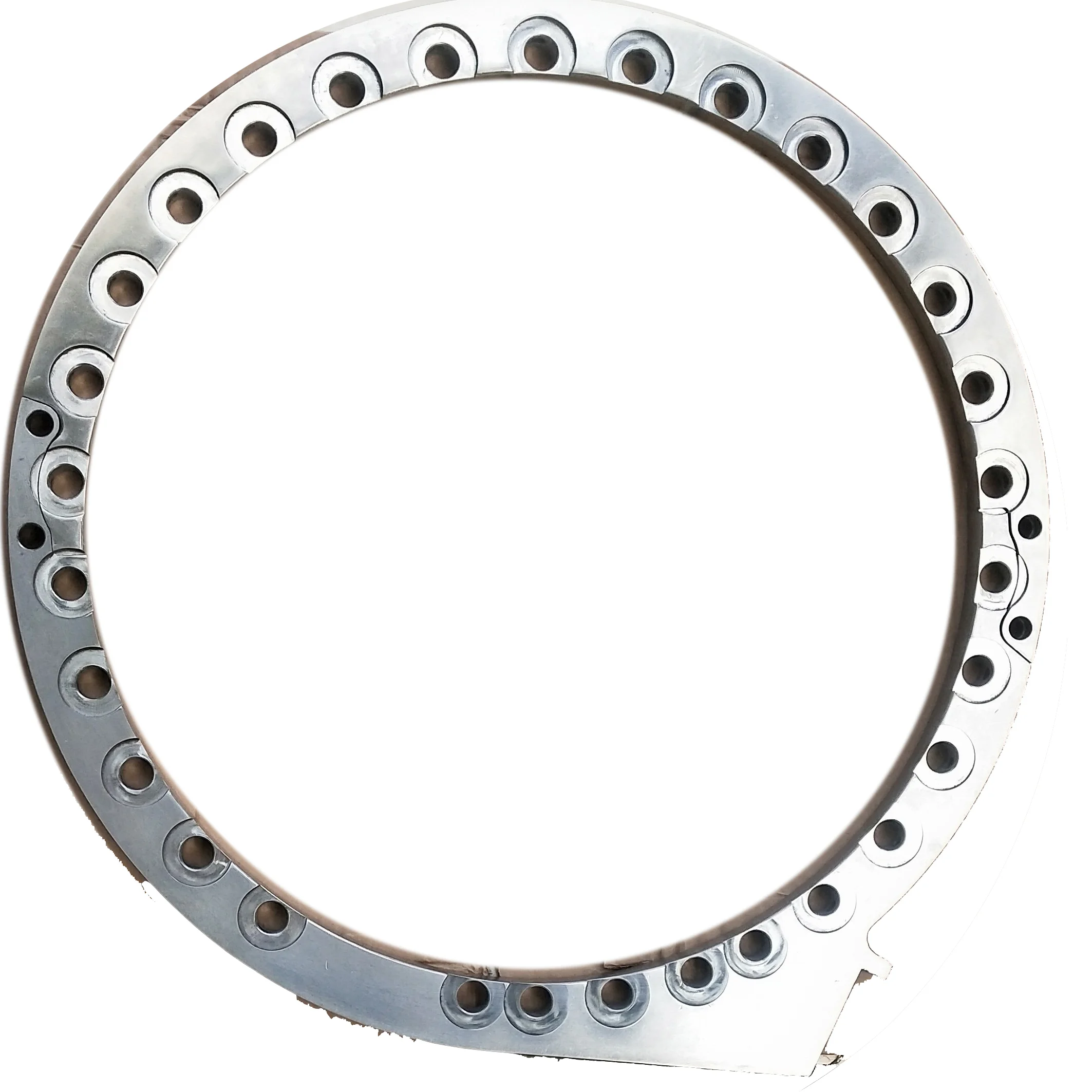
Materialaluminum /iron /steel/ zamac/cooper etcProcessCasting +Machining(if Need)+surface Treatment
-
Surface treatmentPowder Coating /Painting / CNC /Anodizing etc.CertificationISO9001/TS16949/RoHS
-
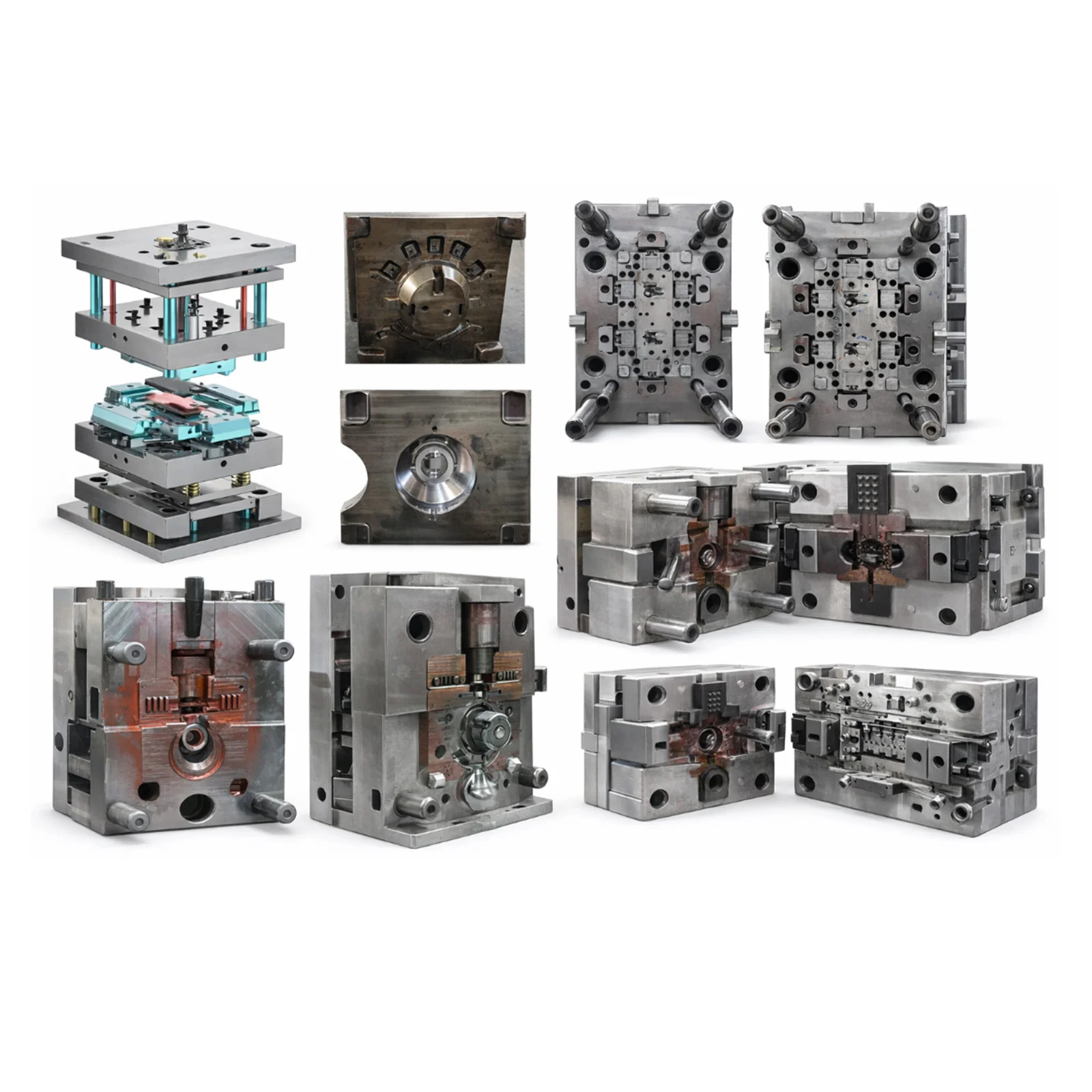
Drawing format2D/(PDF/CAD)3D(IGES/STEP)APplicationPunching High Precision Cold Runner Steel Abs Plastic Pp Mold Moulds
-
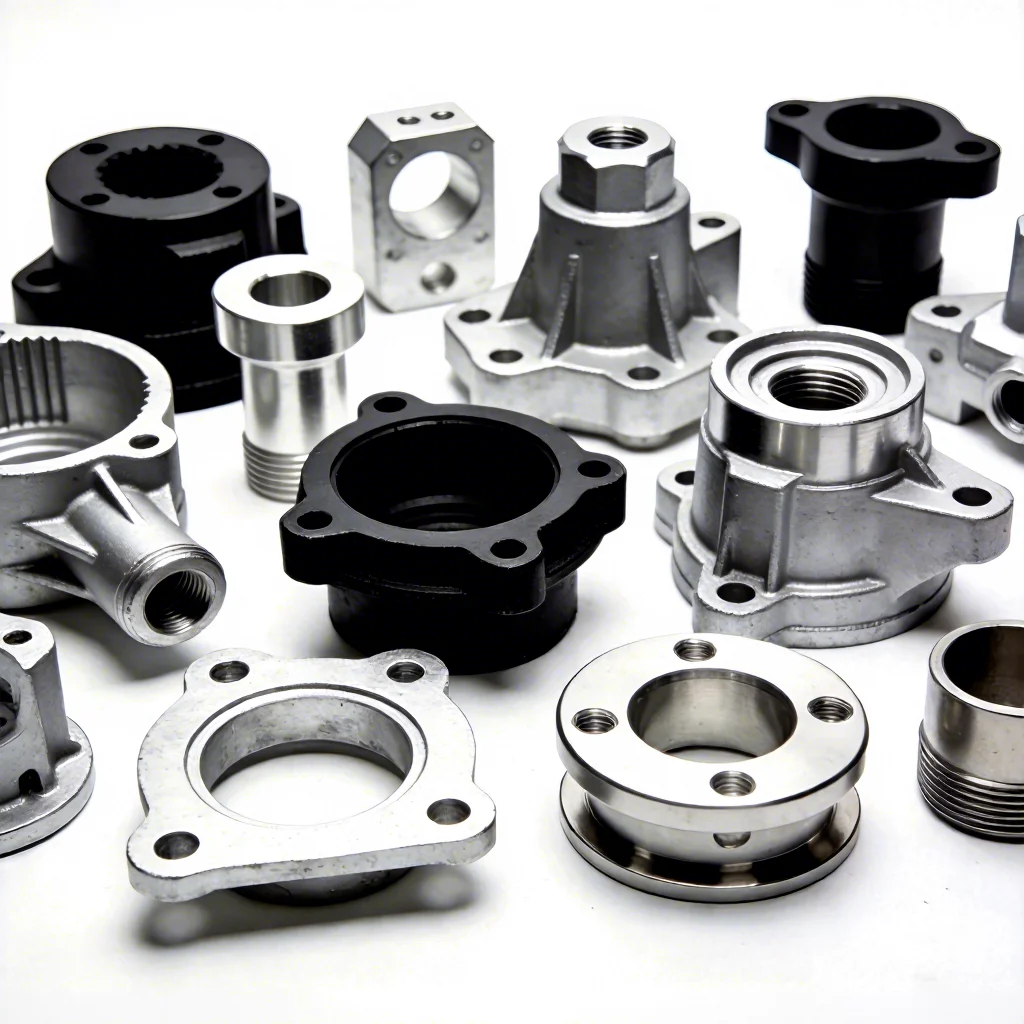
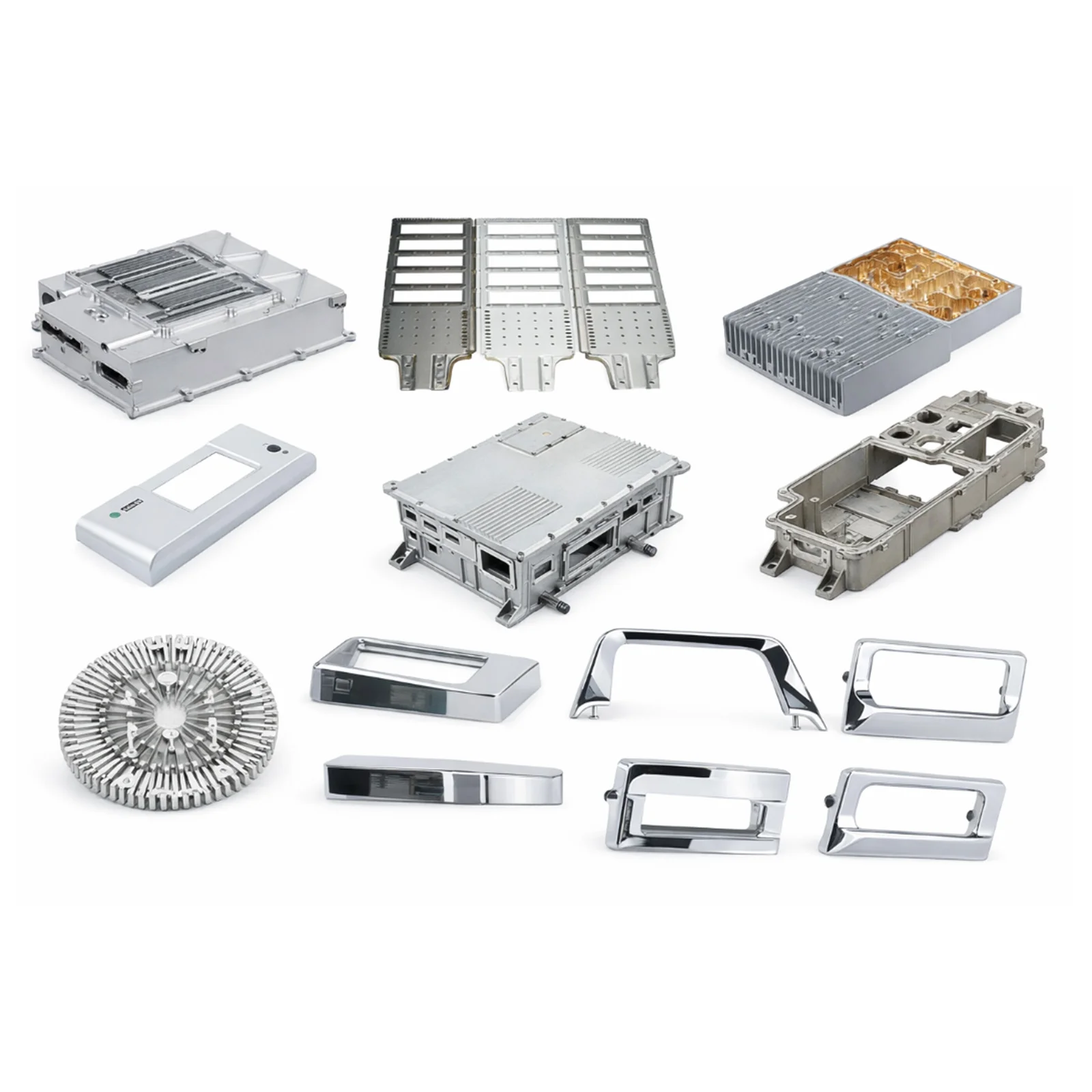
ApplicatioNExtrusion Round Preform Rubber Silicone Injection Mould For IndustryApplicatiOnCarbon Zinc Sand Brass Aluminum Alloy Steel Die Casting Service Parts
-
ApplicatIonStainless Steel Gravity Round Valves Casting Services Powder ProductApplicaTionSteel Pp Abs Plastic Moulds Magnesium Gravity Die Casting Service
Begin a custom metalworking enquiry by identifying the item to be manufactured and the condition expected of it. This brass and steel casting service includes investment and die-casting enquiries, optional machining and surface treatment, with the actual route selected for the component.
Define whether the request concerns a component or tooling
Keep a metal casting request separate from a tooling project for plastic, rubber or silicone work. For a PP, ABS, rubber or silicone tooling enquiry, identify the required punching, cold-runner, injection, extrusion or preform scope as applicable. The project definition should make clear what item is needed before a material and manufacturing route are agreed.
Match the material with optional machining and casting work
Alongside the brass and steel focus, material enquiries include aluminum, iron, steel and zamac. Specify the exact grade and confirm whether the requested project concerns investment, sand, gravity or die-casting work. Machining can be included if needed; identify the finished dimensions or surfaces that require it rather than assume a single route for every metal.
Agree the finished condition and input documents
Powder coating, painting and anodizing are surface directions, while CNC is a machining option. Select the appropriate finish for the material and describe the required acceptance for the finished part. Drawing inputs include 2D PDF or CAD and 3D IGES or STEP files, with the actual component revision controlling the enquiry.
If quality-system or compliance documentation is required, confirm its holder and applicable work or material scope. Keep that documentation requirement attached to the same selected grade, route and component definition.