
Custom Brass/Aluminum/Stainless-Steel Industrial Foundry Castings | Precision Lost-Wax Investment and Drawing Customization
Let’s define your requirement
Send a product link, drawing or short brief. We’ll work through the details with you.
- Confirm the specificationGrade or model, size and intended use.
- Define your orderQuantity, finish or configuration, and samples.
- Agree the quotation scopeIncluded work, key checks and delivery needs.
-
Surface treatmentCustomers' DemandProduct nameCustom Casting Parts
-
MaterialAluminumProcessCasting +Machining(if Need)+surface Treatment
-
ServiceDrawing CustomizationCertificationISO9001:2015
-
ColorCustomized ColorSizeCustomized Size
-
ApplicationIndustry
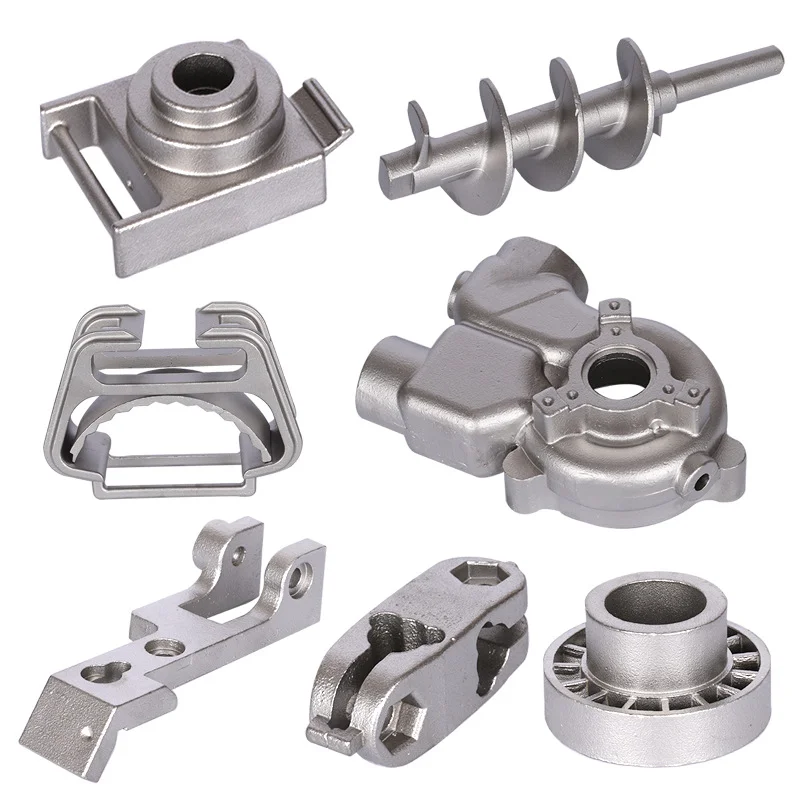
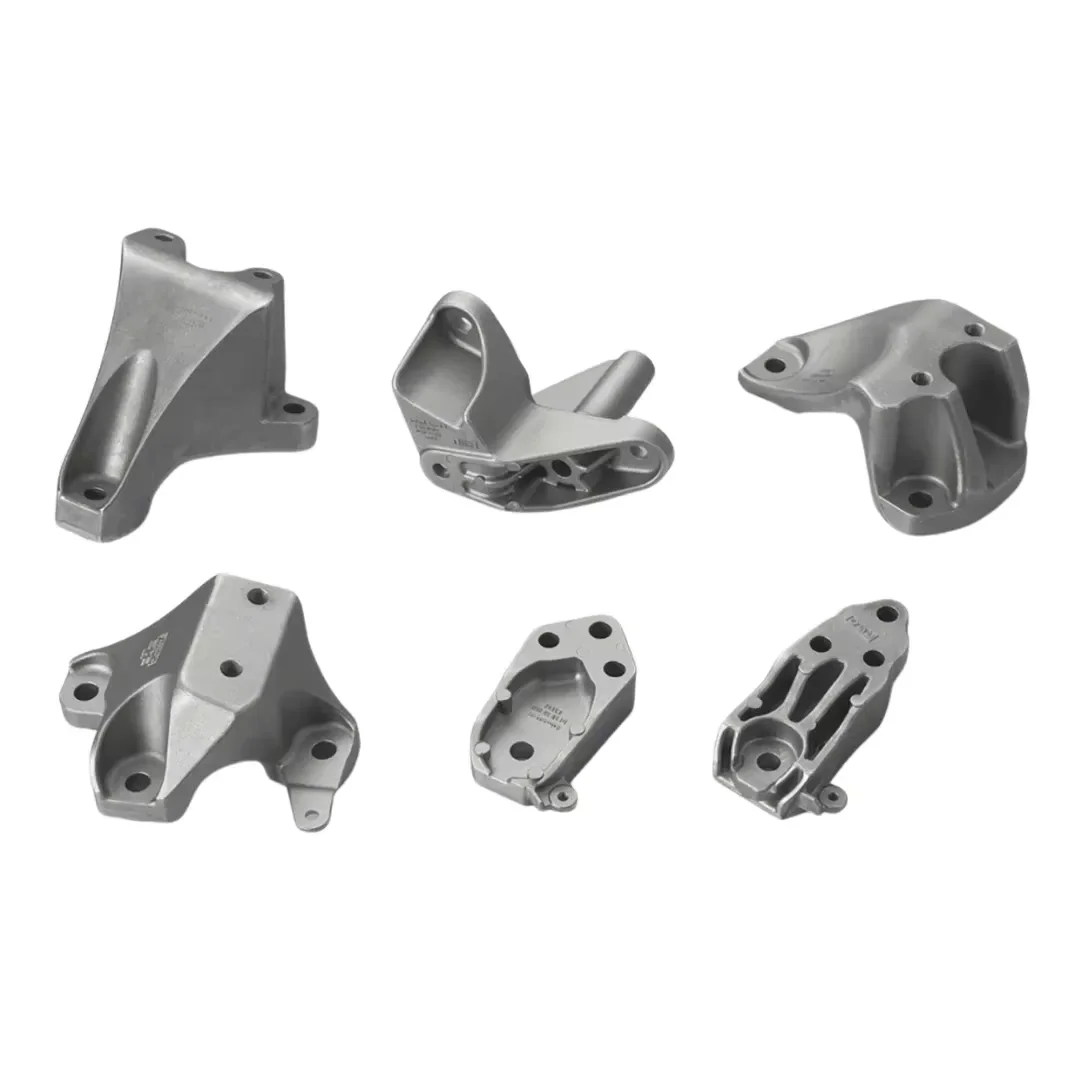
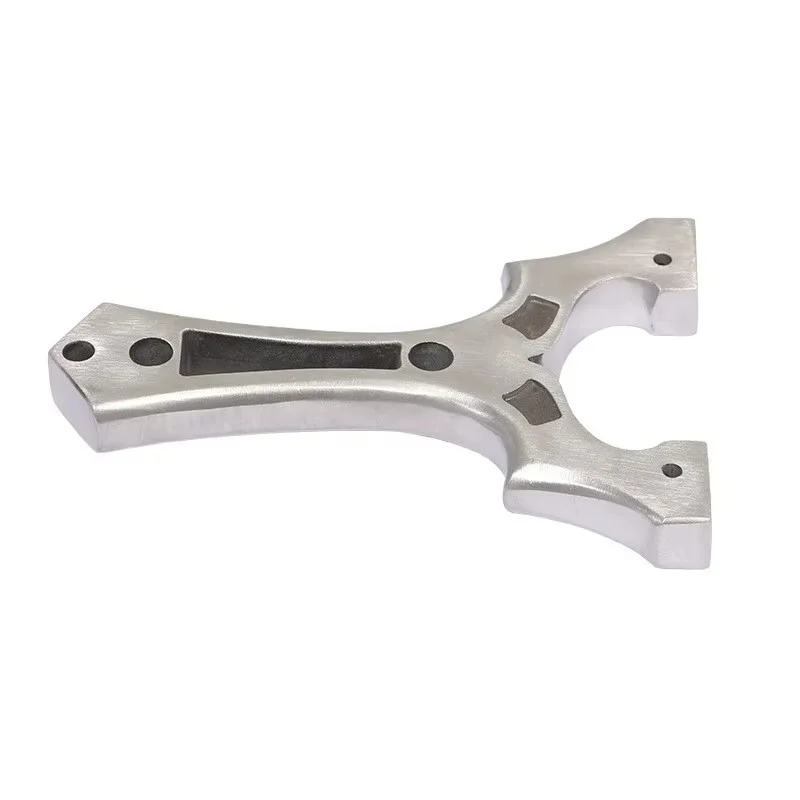
Custom industrial casting inquiries cover brass, aluminum and stainless-steel investment/lost-wax directions. Aluminum is a material choice, with drawing customization and customized size and color. The work combines casting, machining when needed and surface treatment according to customer demand, with the selected material and supplied geometry defining the actual request.
Industrial part geometry and selected material
Identify the actual metal designation and the component's intended function. Use the customer drawing to define its shape, important dimensions and working interfaces. Connect those requirements to the selected casting material and finished condition needed for the industrial task. Agree the dimensional acceptance that will establish the required fit of the actual supplied component.
Optional machining on the custom casting
Define the areas needing further machining and the condition required after that work. Relate their dimensions to the casting geometry and important interfaces. Agree which areas are supplied cast and which need the selected additional processing. This establishes the machining scope within the drawing-customized part and its requested final dimensional condition.
Requested surface, color and acceptance
Specify the surface treatment and color for the selected metal and actual component use. Identify the treated areas and the appearance expected after processing. Agree the visual and dimensional checks needed for those finished surfaces, connecting the requested treatment to any machined interfaces and the supplied industrial part defined by the drawing.








