
Custom Aluminum, Iron, Stainless Steel and Brass Casting Parts | Lost-Wax Investment and Secondary Machining
Let’s define your requirement
Send a product link, drawing or short brief. We’ll work through the details with you.
- Confirm the specificationGrade or model, size and intended use.
- Define your orderQuantity, finish or configuration, and samples.
- Agree the quotation scopeIncluded work, key checks and delivery needs.
-
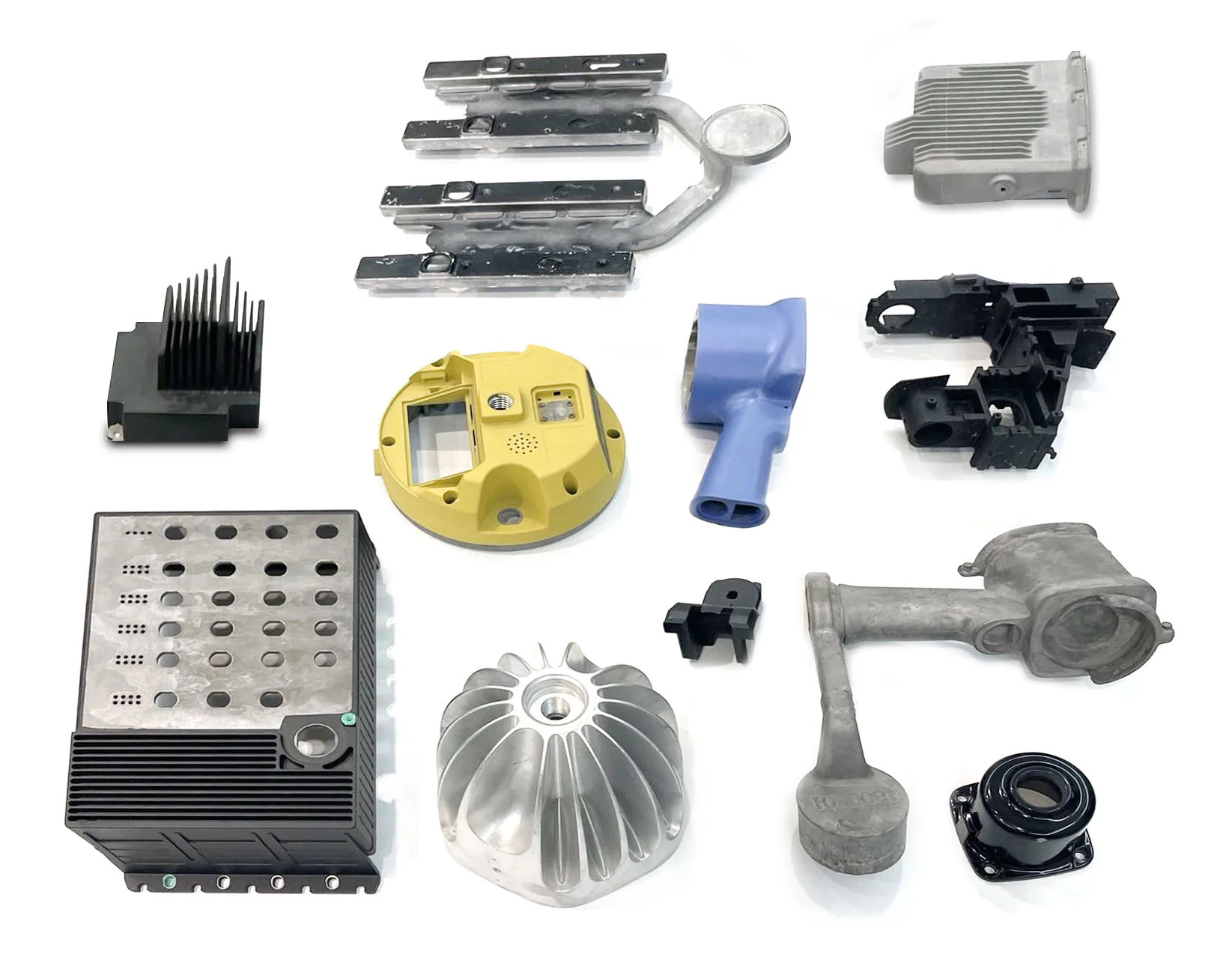
Product nameDie Casting Part
-
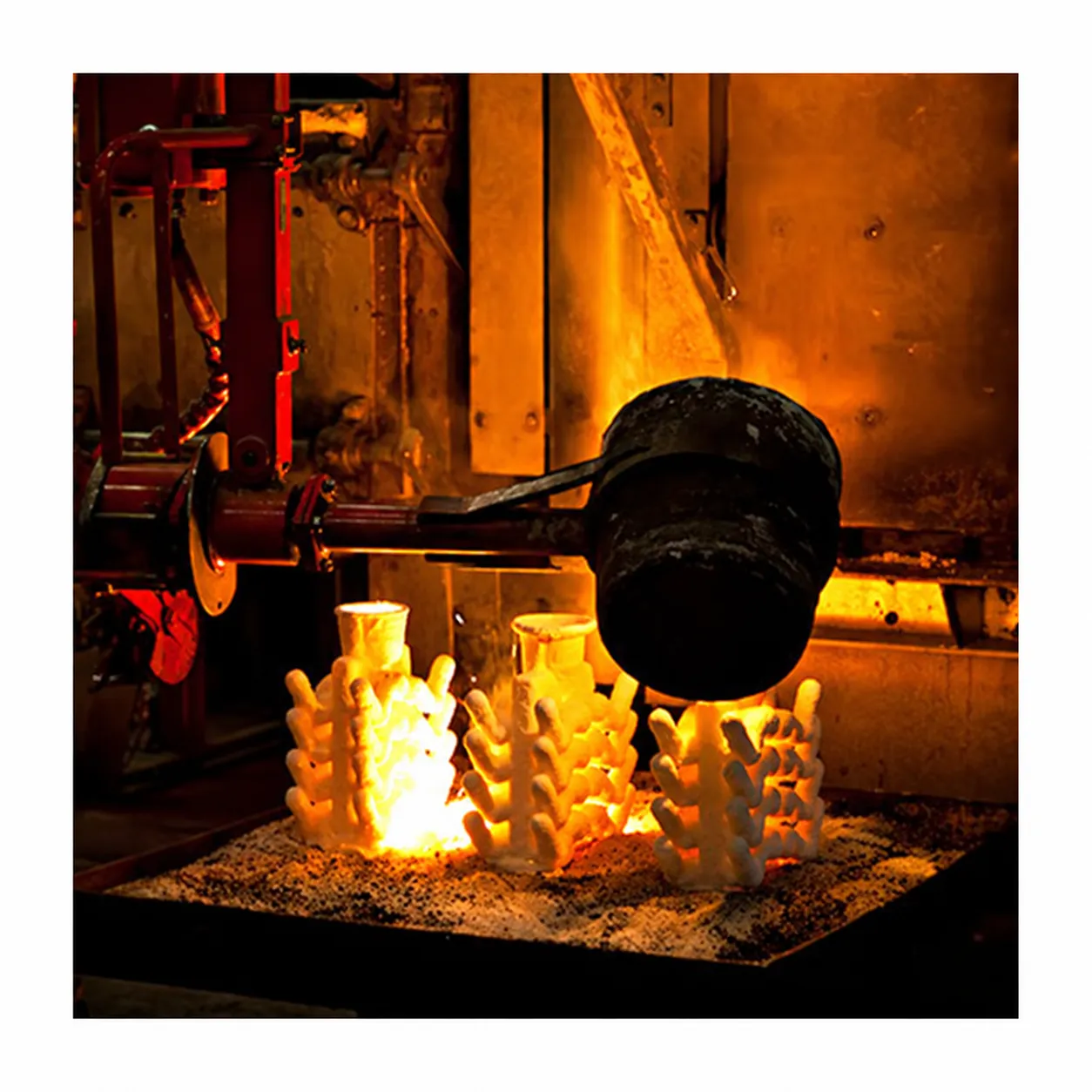
ProcessCasting. Deburring .Drilling .threadingCertificationISO9001
-
ServiceCustomized OEMSizeCustomer's 3D Drawing
-
Surface treatmentCustomers' DemandToleranceCustomer's Drawing Request
-
StandardClient SpecificationColorCustomized Color
-
Quality ControlStrictly 100% Inspection
Use the customer's 3D drawing to define the custom cast part and the work needed after casting. Aluminum, iron, stainless steel and brass are material directions for this OEM service, with size, tolerance, color and surface treatment agreed for the component.
Fix the material and casting route first
Identify the required grade within the chosen metal family and match it to the component geometry. Lost-wax/investment casting and die-casting directions need an actual route agreement for that material and part. This choice should be settled together with the drawing requirements before the manufacturing scope is fixed.
Separate the secondary operations by feature
The process scope includes casting, deburring, drilling and threading. Mark the features requiring each operation so the enquiry distinguishes the cast shape from the finished holes, threads and edge condition. The required dimensions and tolerance remain those of the customer's drawing rather than an assumed numerical precision.
- Define the casting geometry and selected metal.
- Identify drilled or threaded features and the required deburring.
- Connect those features to the drawing's acceptance requirements.
Agree the appearance and inspection acceptance
Color and surface treatment are customized to the component request. Specify the required finish and the areas it applies to, then connect those requirements to the client specification. This casting service provides 100% inspection; establish the criteria and records needed for the actual part. Where ISO9001 is required, confirm the relevant certificate scope as part of that order discussion.








