
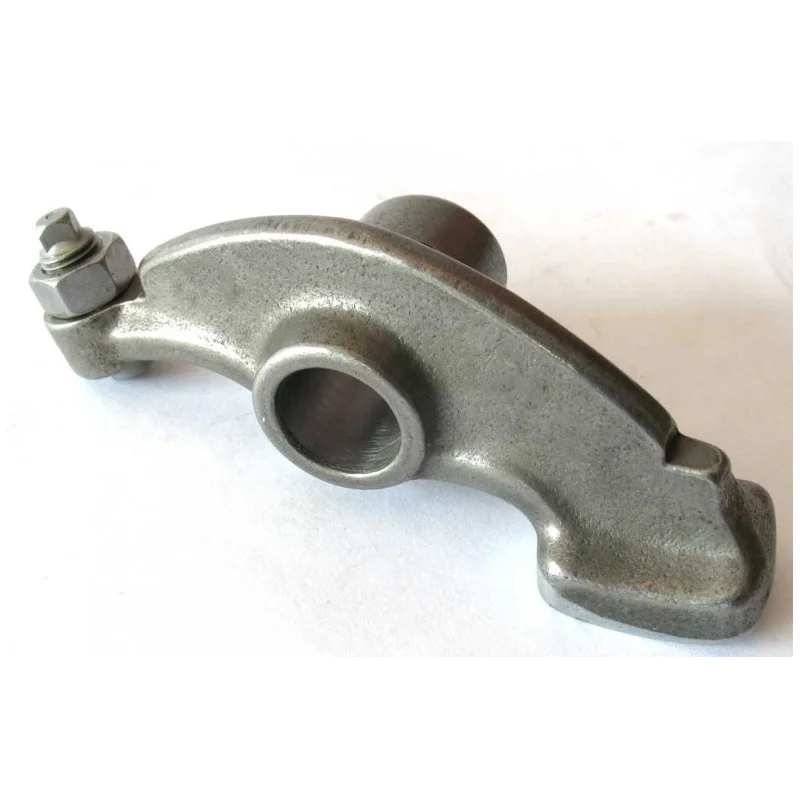
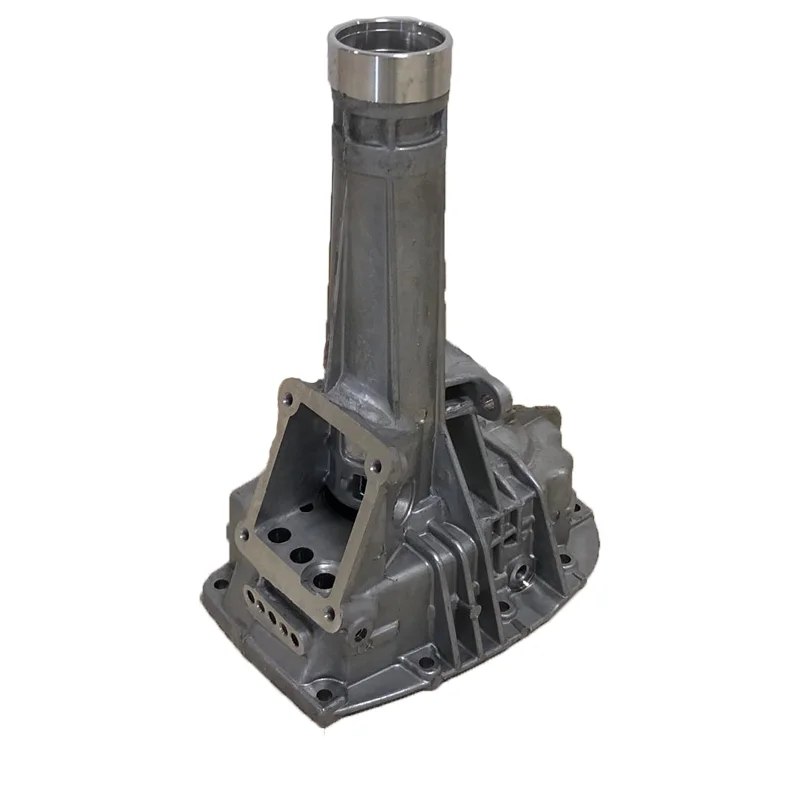
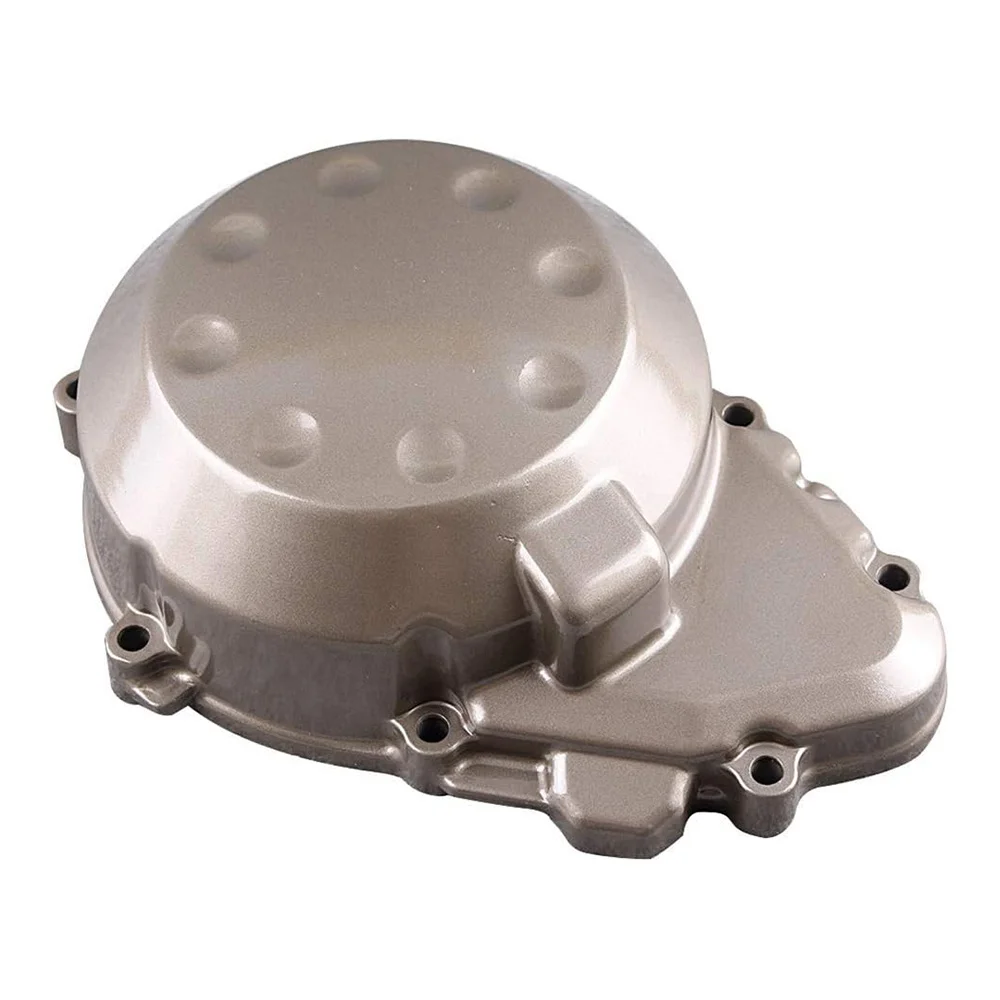
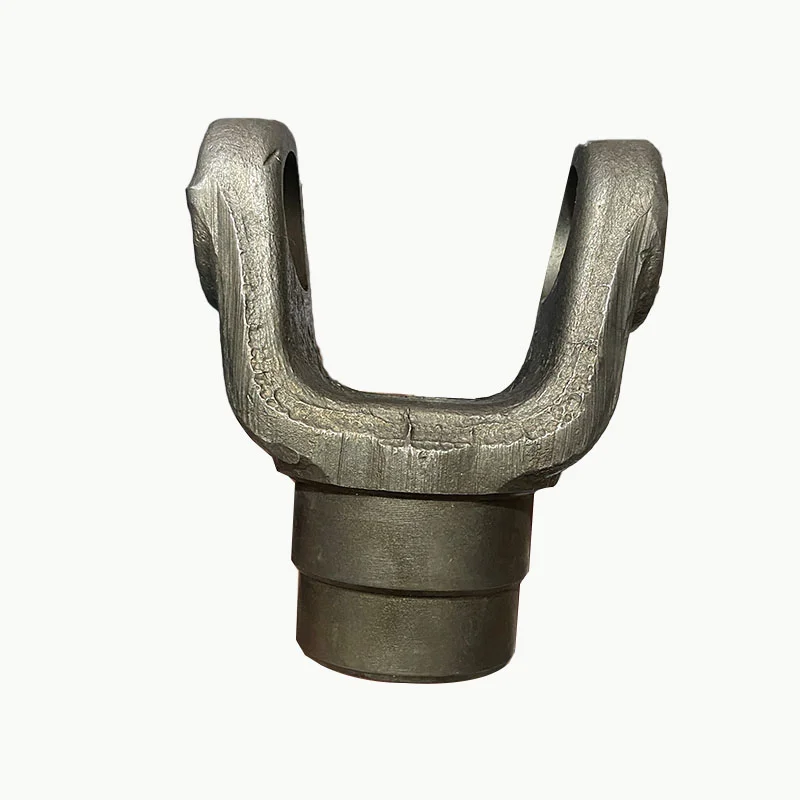
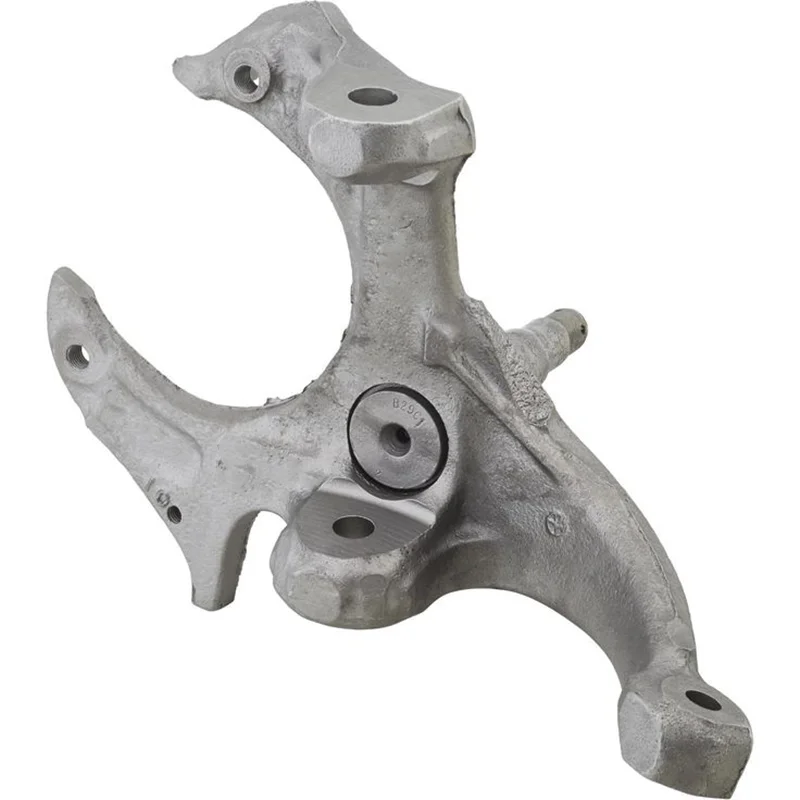
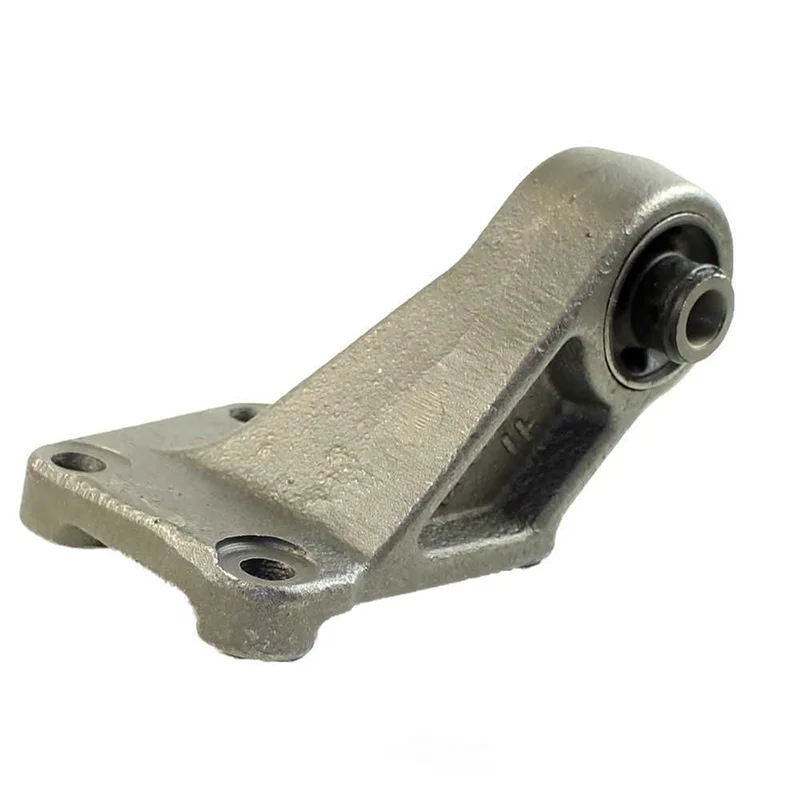
Custom Aluminum-Alloy Precision Lost-Wax Investment Castings | Drawing Size, Color and Inspection
Let’s define your requirement
Send a product link, drawing or short brief. We’ll work through the details with you.
- Confirm the specificationGrade or model, size and intended use.
- Define your orderQuantity, finish or configuration, and samples.
- Agree the quotation scopeIncluded work, key checks and delivery needs.
-
MaterialAluminum Alloy
-
ApplicationIndustryProduct nameCustom Casting Parts
-
Surface treatmentCustomers' DemandSizeCustomer's Drawing Required
-
ProcessCasting +Machining(if Need)+surface TreatmentColorCustomized Color
-
PackingCustomized PackingCertificationISO9001
-
Quality Control100% Inspection
Custom aluminum-alloy foundry components serve industrial work through precision lost-wax investment casting. Size follows the customer's drawing, with machining included when needed and surface treatment to the actual requirements. Custom color and 100% inspection support the definition of the finished component being requested.
Use the drawing to define the aluminum part
Specify the actual aluminum-alloy grade and the geometry of the industrial component. Identify the drawing-controlled dimensions and the condition in which they will be accepted. Agree the geometry-input format and drawing scope for this request, keeping the material selection and custom size attached to the part definition used for the casting work.
Connect optional machining with the chosen finish
Machining can be included where the selected geometry requires it. Define those operations and identify the areas needing surface treatment. Describe the custom color target and the finished condition required for the actual part. Relate treated areas and any machined dimensions to the supplied condition so that the drawing and surface requirements can be reviewed together.
Set inspection around dimensions, surface and color
The aluminum-alloy casting work includes 100% inspection of the requested components. Agree the dimensional and surface criteria, including the selected color requirement, for that review. Establish applicable quality-system documentation requirements for the job alongside the technical acceptance. Keep the inspection scope aligned with the actual grade, drawing geometry, optional machining and treated condition of the finished industrial part.








