Custom Aluminum ADC12/A380 Die Casting Parts | Brass Stainless Steel Zinc Alloy Enquiries and CNC Machining
Let’s define your requirement
Send a product link, drawing or short brief. We’ll work through the details with you.
- Confirm the specificationGrade or model, size and intended use.
- Define your orderQuantity, finish or configuration, and samples.
- Agree the quotation scopeIncluded work, key checks and delivery needs.
-
Surface FinishPassivated , PolishedAlloy GradeA380 , ADC12
-
ItemZinc Alloy Metal Die Casting Service Die Casting Parts
-
MaterialAluminum Alloy ADC12, A380 etc. As customer request.Manufacturing ProcessDie casting+(Machining+Surface treatment if need)
-
Casting ToleranceCT4-6 for aluminum die casting partsMachining ProcessCNC Machining/ Lathing/ Milling/ Turning/ Boring/ Drilling etc.
-
Machining TolearnceUp to IT7, Ra 0.8~3.2 , according to customer requirementSurface TreatmentSurface Passivatin, Polish. As customer request
-
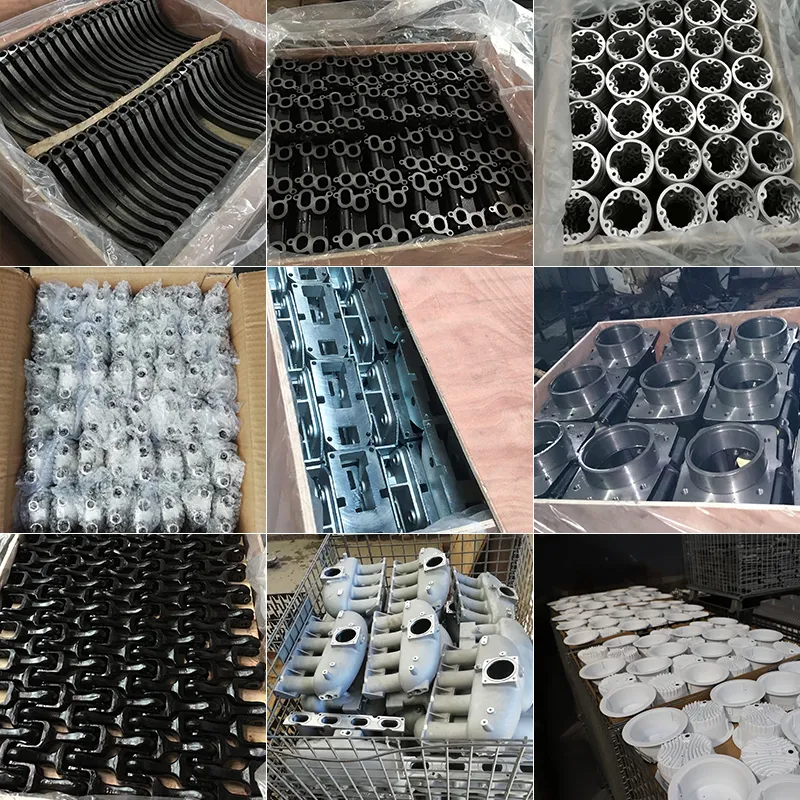
Package of Die Casting PartsMultilayer wooden box/pallet, with big plastic bag insideLead Time40-50 days for Die Casting Parts
-
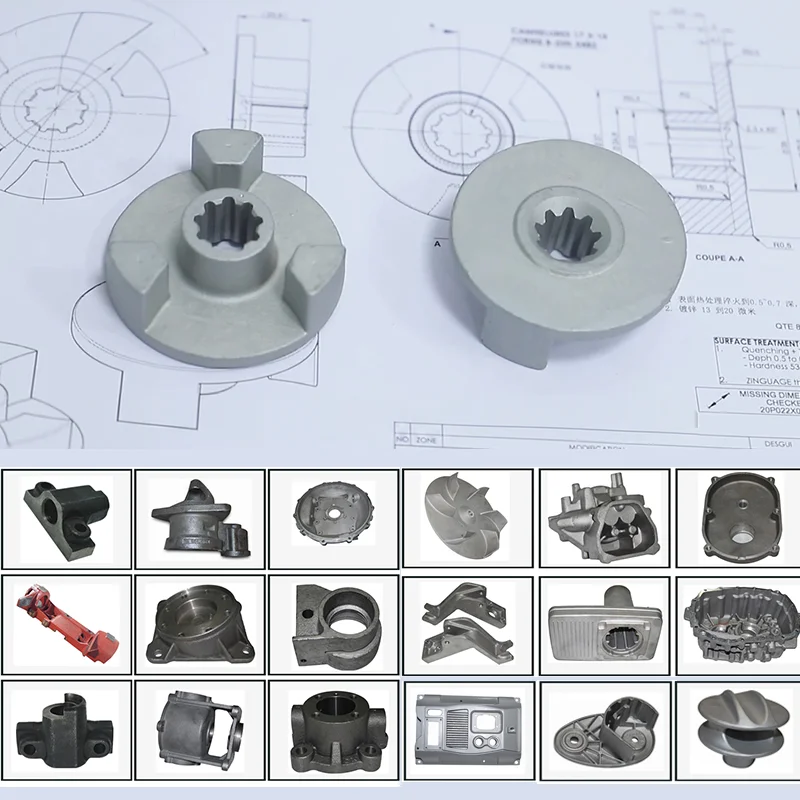
ServiceCustom Die Casting Parts as per drawings or samples
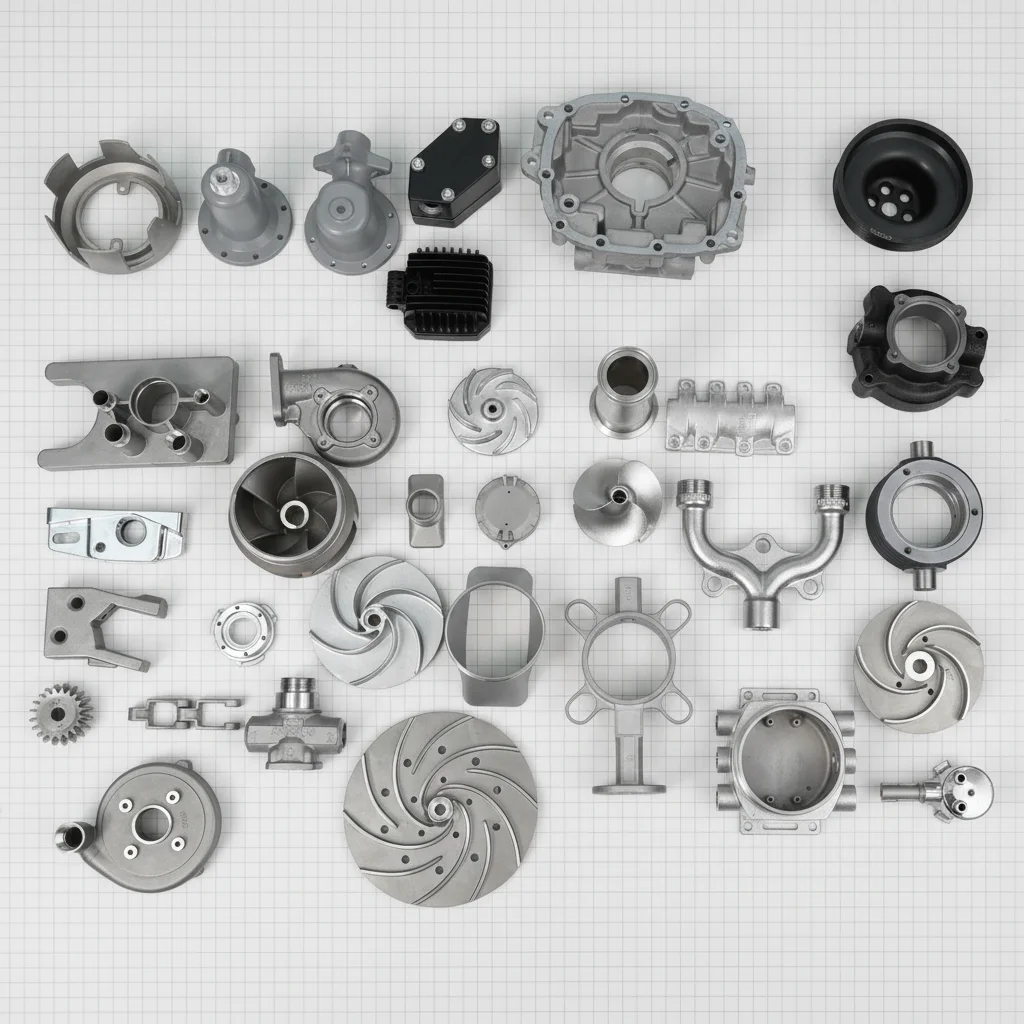
Custom die casting can follow a drawing or sample, with machining and surface treatment added when needed. Aluminum alloys ADC12 and A380 are material references. Brass, stainless steel and zinc-alloy enquiries need the actual material and process scope agreed for the requested component.
Distinguish cast and machined requirements
CT4-6 is the casting tolerance reference for aluminum die-casting parts. The machining reference is up to IT7, with Ra0.8-3.2 according to customer requirements and an agreed measurement basis. Allocate the controlled dimensions to the appropriate stage so casting and machining acceptance remain distinct.
Select the machining operations needed
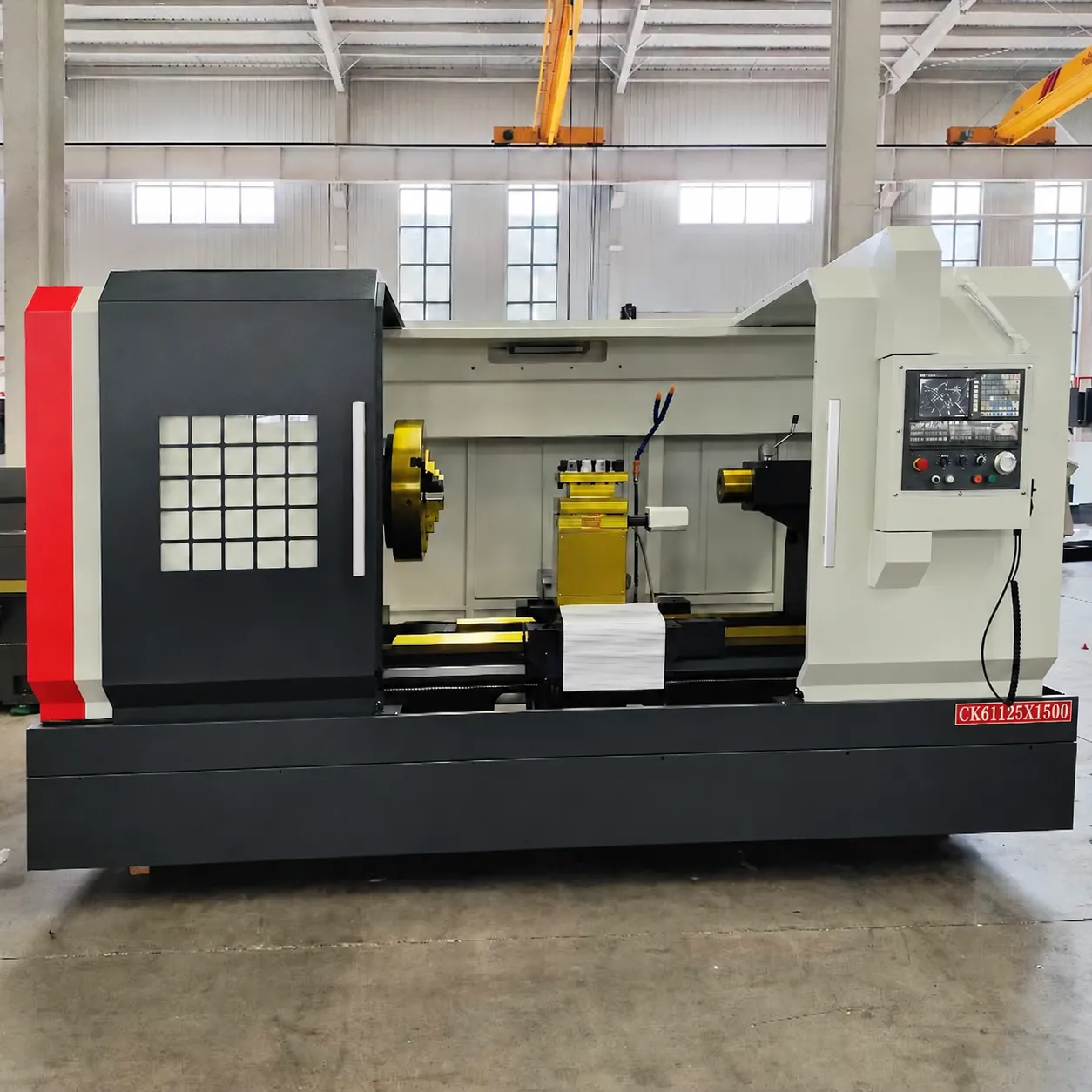
Machining directions include CNC machining, lathing, milling, turning, boring and drilling. Choose the operations needed for the actual component geometry and finished dimensions. These operations form a menu for the machining scope, rather than a requirement that every cast part receive every operation.
- Casting input
- Selected alloy with a component drawing or sample.
- Optional surface work
- Surface passivation or polishing to the customer's requirement.
Define the finished component request
Identify whether machining or treatment is needed after die casting and describe the required finished condition. Keep the chosen material, casting dimensions, machined dimensions and surface criteria in the same component brief. Use that brief to agree how CT4-6 for aluminum casting and the machining/roughness references apply to the proposed part, including the measurement and inspection acceptance for its actual geometry.