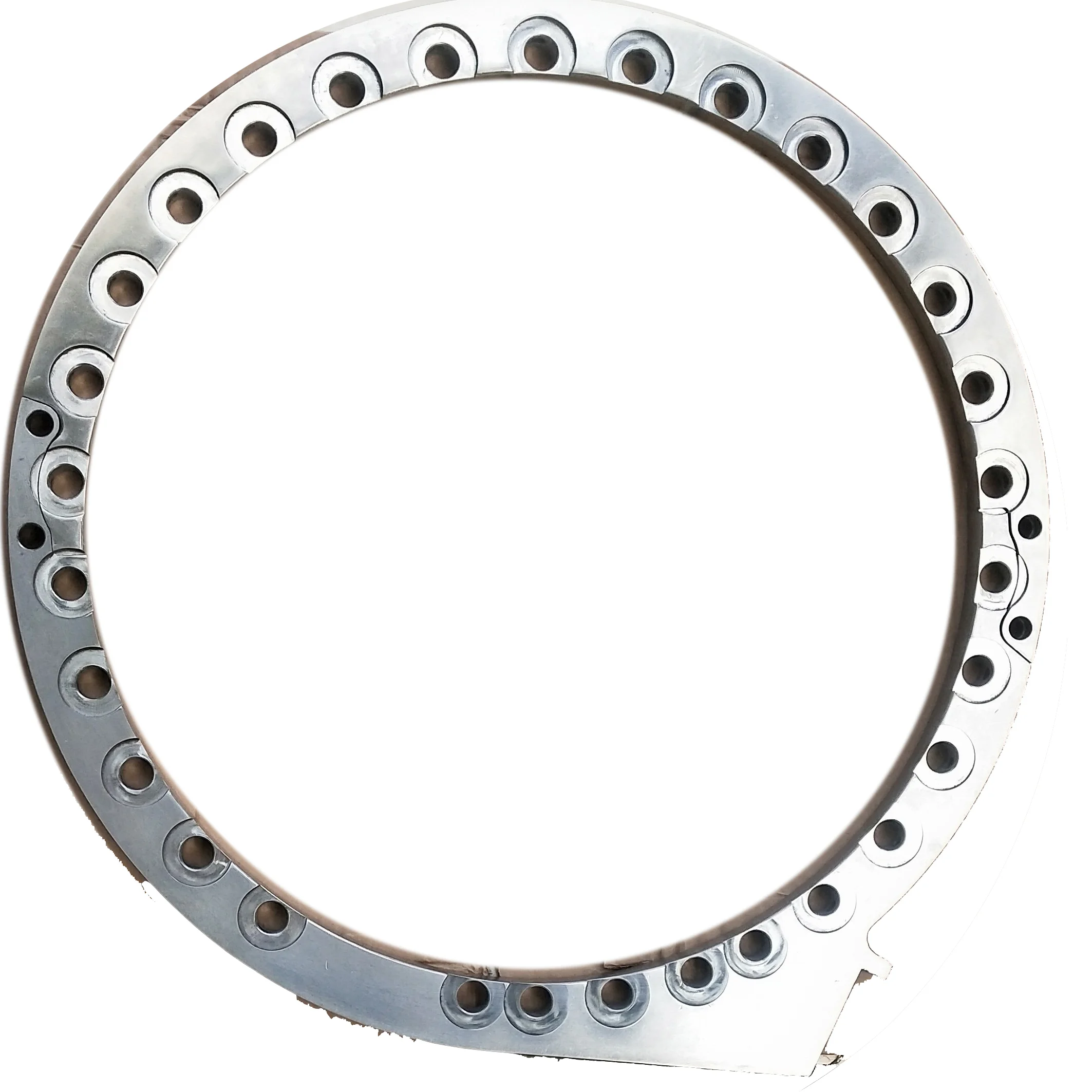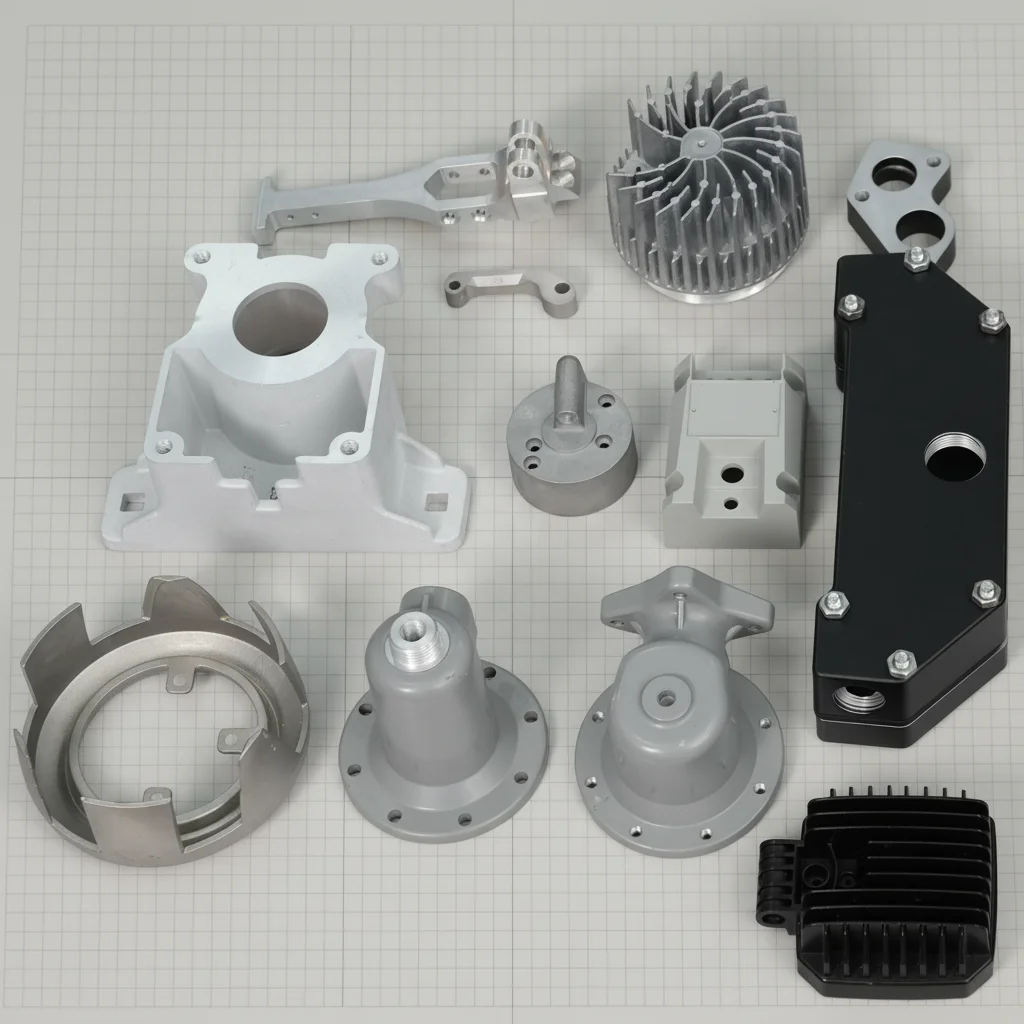
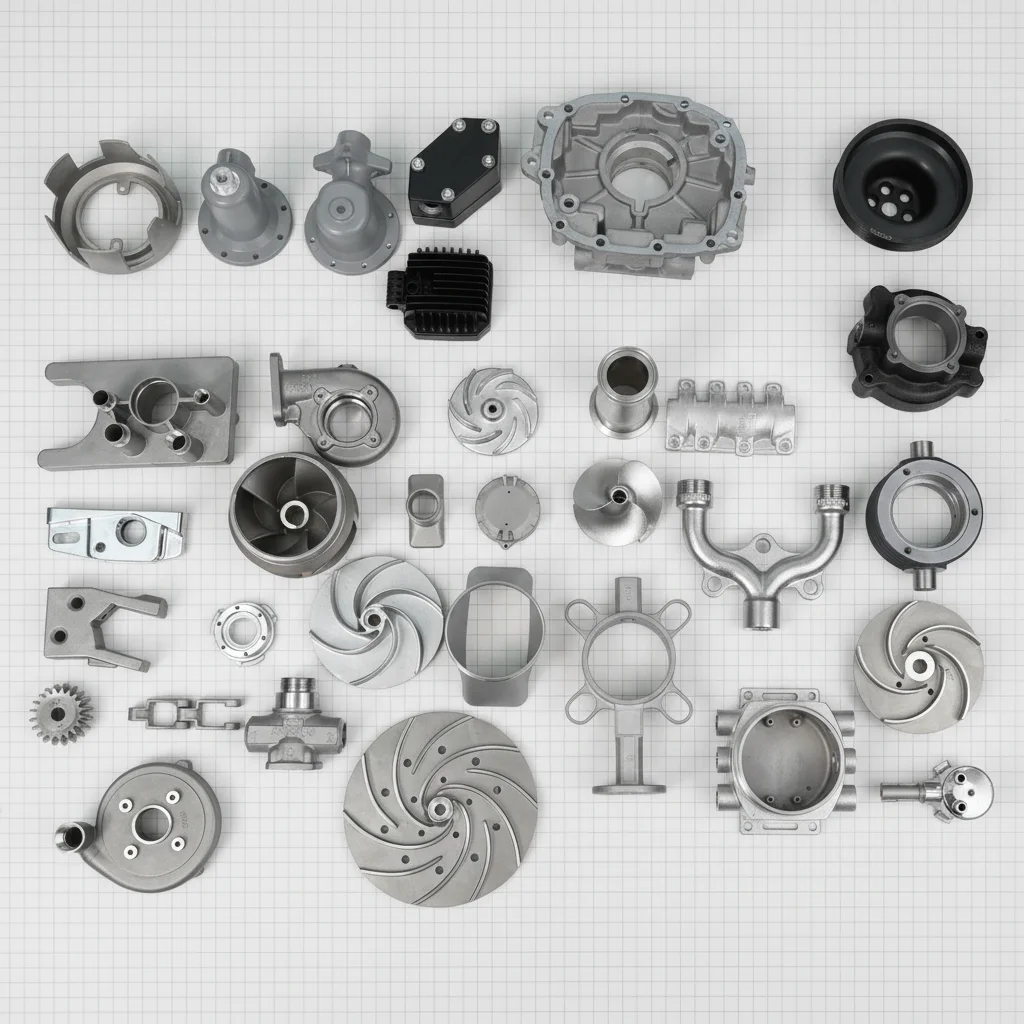
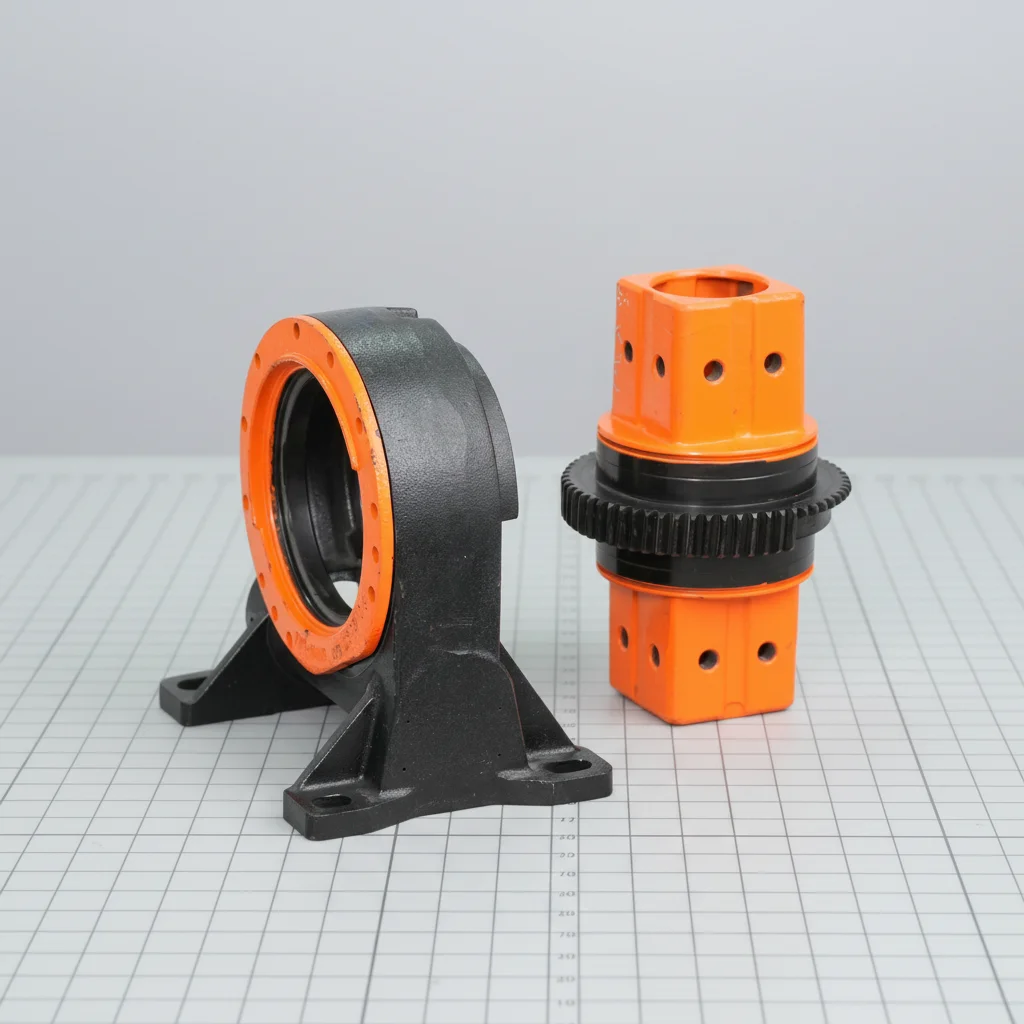
Custom A356/AlSi7Mg Aluminum Gravity Cast Machinery Parts | High Strength, Heavy Duty & Anodizing
Let’s define your requirement
Send a product link, drawing or short brief. We’ll work through the details with you.
- Confirm the specificationGrade or model, size and intended use.
- Define your orderQuantity, finish or configuration, and samples.
- Agree the quotation scopeIncluded work, key checks and delivery needs.
-
Surface FinishPainted , AnodizedAlloy GradeA356 , ADC12
-
ItemAluminum Gravity Casting Parts for Heavy Duty Machinery ComponentsMaterialA356, AlSi7Mg, ZL101, ADC12, A-S7G
-
Manufacturing ProcessDie casting, or low pressure casting, or gravity casting, sand castingCasting ToleranceCT5-7 for aluminum casting
-
Machining ProcessCNC Machining/ Lathing/ Milling/ Turning/ Boring/ Drilling etc.Surface TreatmentAnodize, Painting
-
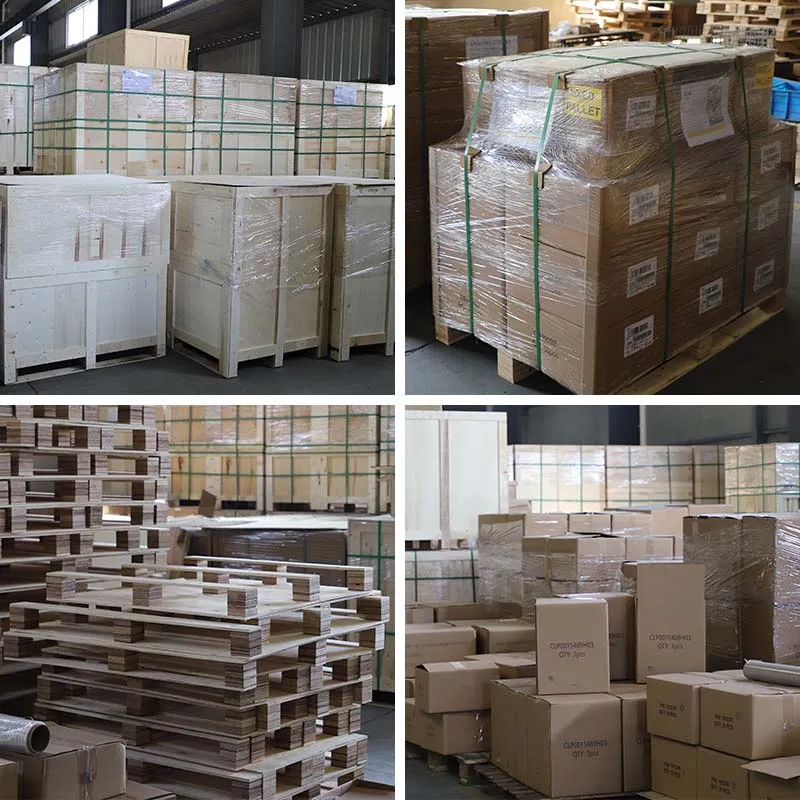
Rough Surface RoughnessRa3.2-25 for manifoldPackageMultiplayer wood box/pallet, with big plastic bag inside
-
Lead Time45 days for marine manifoldsServiceSupply metal parts solution as per customer's drawings/ samples
Custom high-strength aluminum gravity cast parts support heavy duty machinery component enquiries. A356, AlSi7Mg, ZL101, ADC12 and A-S7G are material choices, with CT5–CT7 as the aluminum casting tolerance reference and requirements based on customer drawings or samples.
Gravity casting and the selected aluminum grade
Choose the exact aluminum grade and define the machinery component geometry and required duty. Die casting, low-pressure casting and sand casting are further route choices to discuss alongside gravity casting for the actual part. The required strength and dimensional acceptance should be agreed for that grade and geometry rather than treated as an unspecified numerical rating.
CNC work and manifold rough surfaces
Machining directions include CNC work, lathe processing, milling, turning, boring and drilling. For manifold components, the rough-surface reference is Ra3.2–25, with its unit and assigned surfaces to be confirmed. Identify the dimensions needing machining separately from the CT5–CT7 casting requirement, keeping any manifold roughness criterion attached to its intended component surfaces.
Anodizing, painting and the drawn requirement
Anodizing and painting are surface-treatment choices for the custom aluminum work. Specify which machined areas need anodizing or painting. Define the desired finished areas together with the alloy, component shape and critical dimensions in the drawing or sample-based enquiry. This connects the heavy duty machinery requirement to a specific casting, machining and finished-surface definition, with acceptance criteria that address the particular part.