Custom 304 and 316L Stainless Steel Precision Vacuum Investment Casting | Lost Wax Foundry and JIS Enquiries
Let’s define your requirement
Send a product link, drawing or short brief. We’ll work through the details with you.
- Confirm the specificationGrade or model, size and intended use.
- Define your orderQuantity, finish or configuration, and samples.
- Agree the quotation scopeIncluded work, key checks and delivery needs.
-
Surface FinishSandblasted , Polished
-
warranty2 Yearsweight (kg)100
-
video outgoing-inspectionProvidedmachinery test reportProvided
-
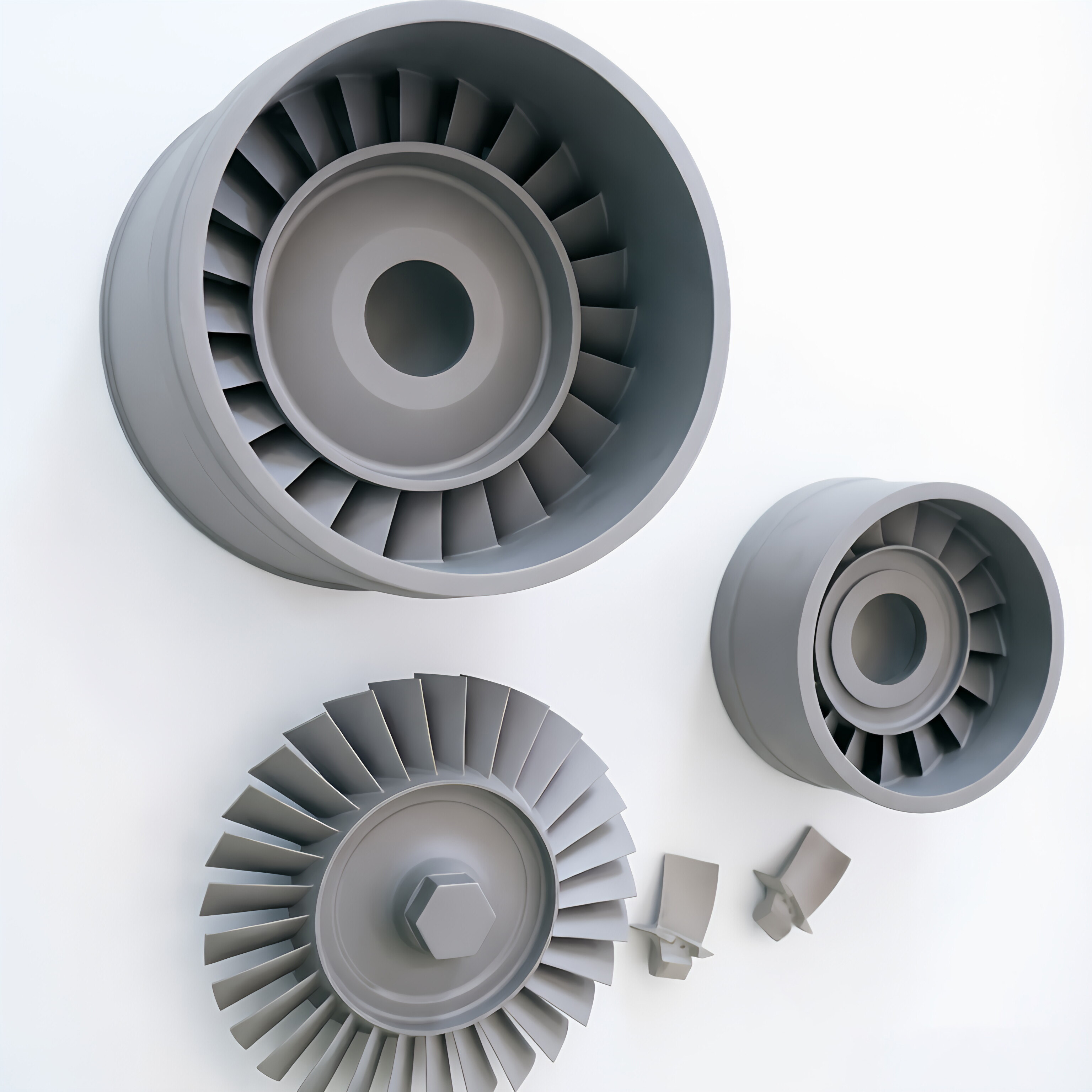
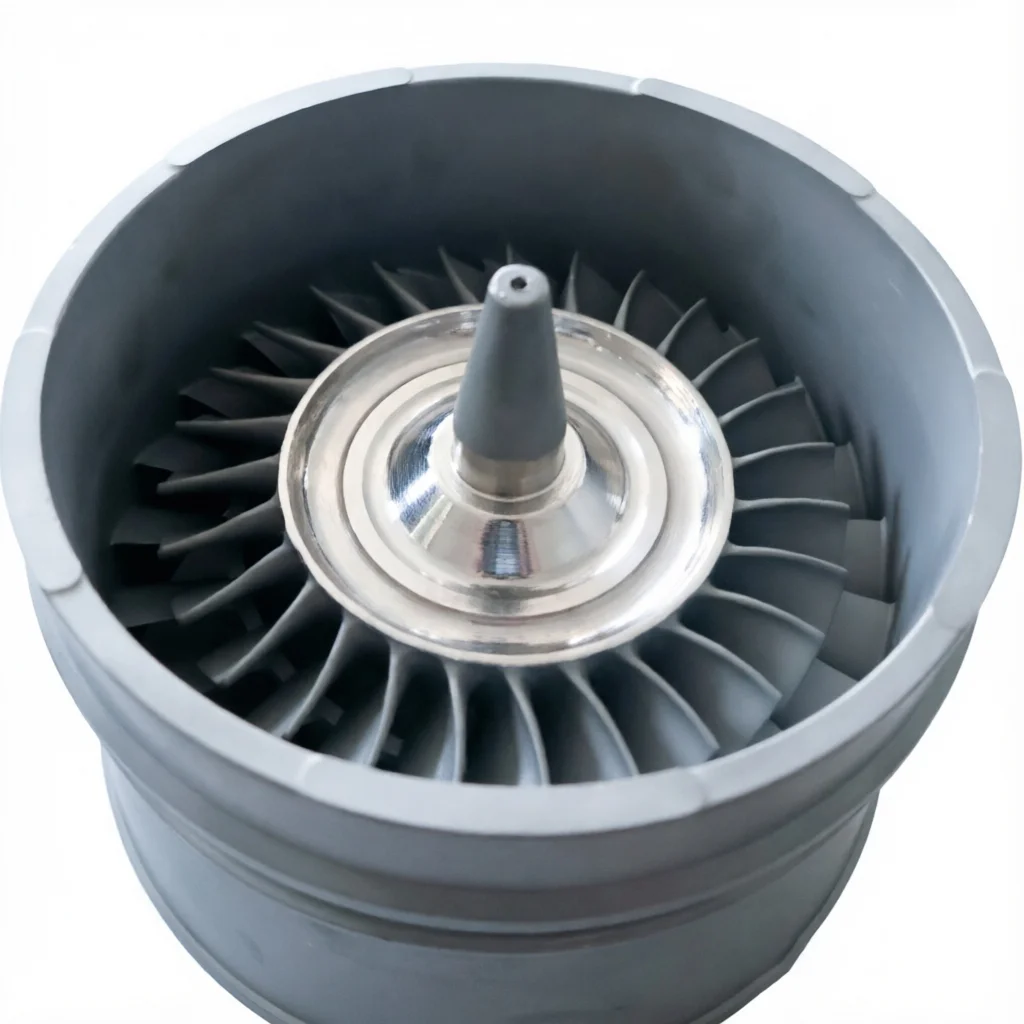
engine typeKerosene, diesel fueltypeTurbocharger,Turbine Wheel
-
Product TypePrecision Power & Propulsion Components
-
MaterialInconel 718 / 625 / Titanium Alloy / Stainless SteelProcessInvestment Casting / Lost Wax Casting / CNC Machining / HIP
-
ApplicationTurbine Engines / UAV Propulsion Systems / Industrial Power UnitsMax Temperature Resistance≥1000°C (Alloy Dependent)
-
Max Rotational Speed30,000-100,000 RPMTolerance±0.01-0.05 mm (Precision Grade)
-
Surface TreatmentGrinding / Polishing / Sand Blasting / Coating / Heat TreatmentDrawing Format2D: PDF, DWG, DXF / 3D: STEP, IGS, STP
-
PackagingCarton / Plywood Case / Anti-Rust Protection
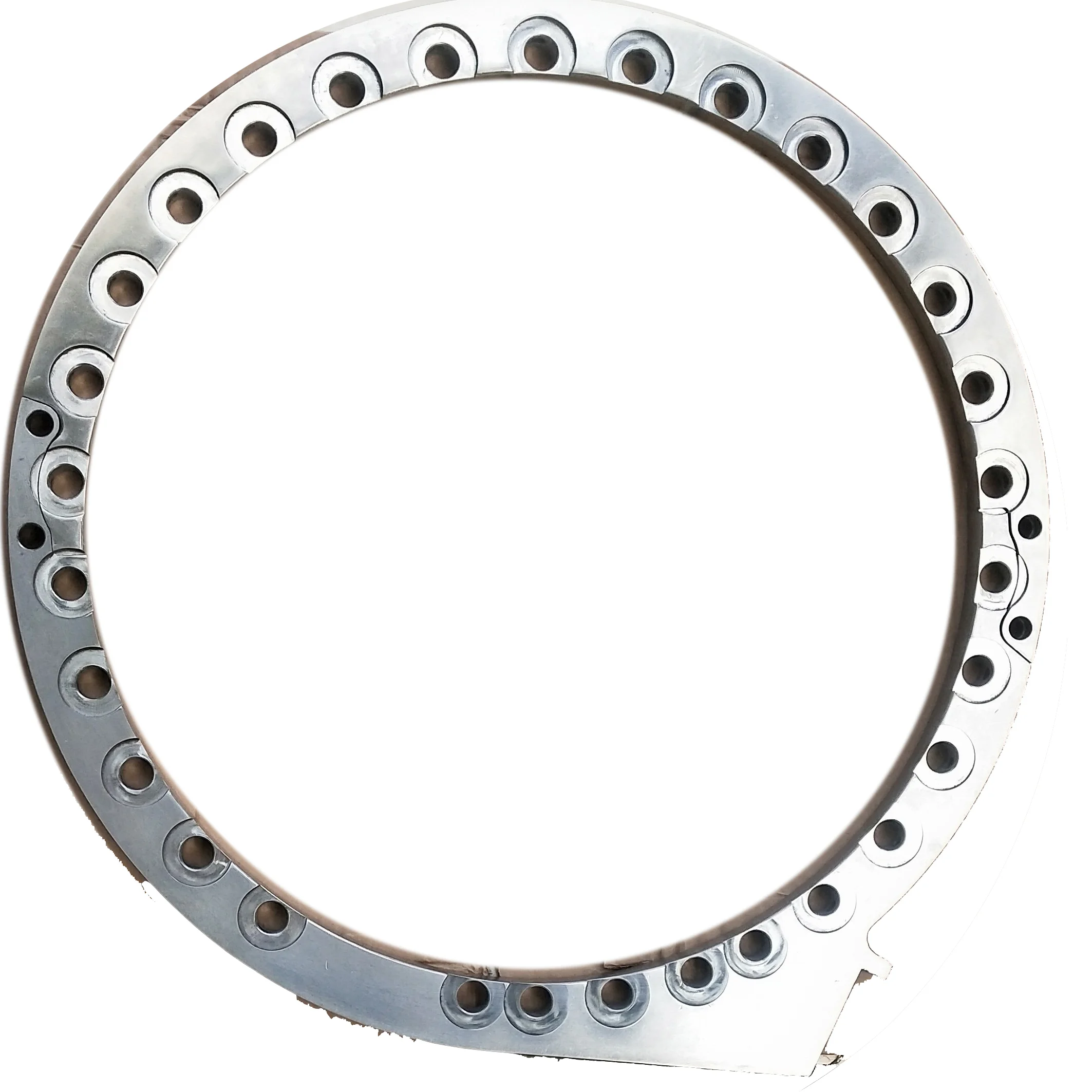
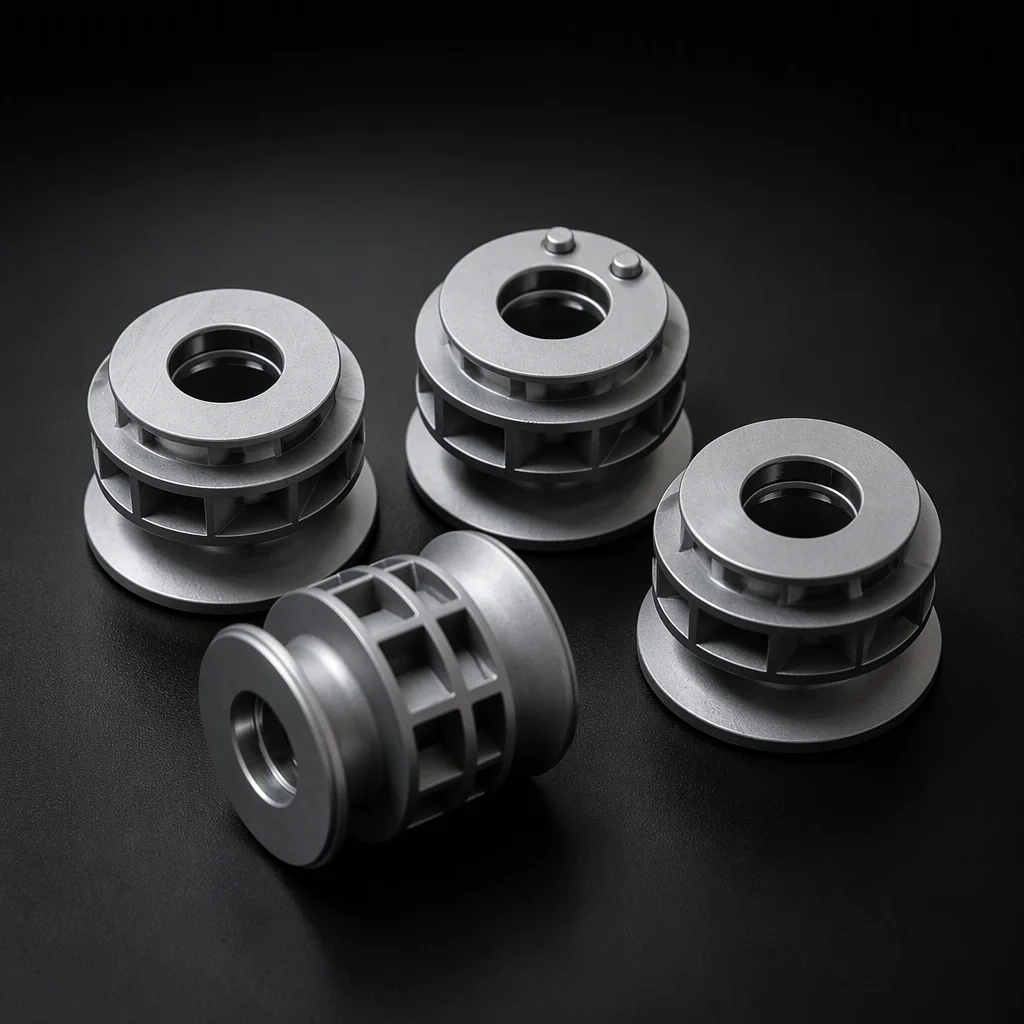
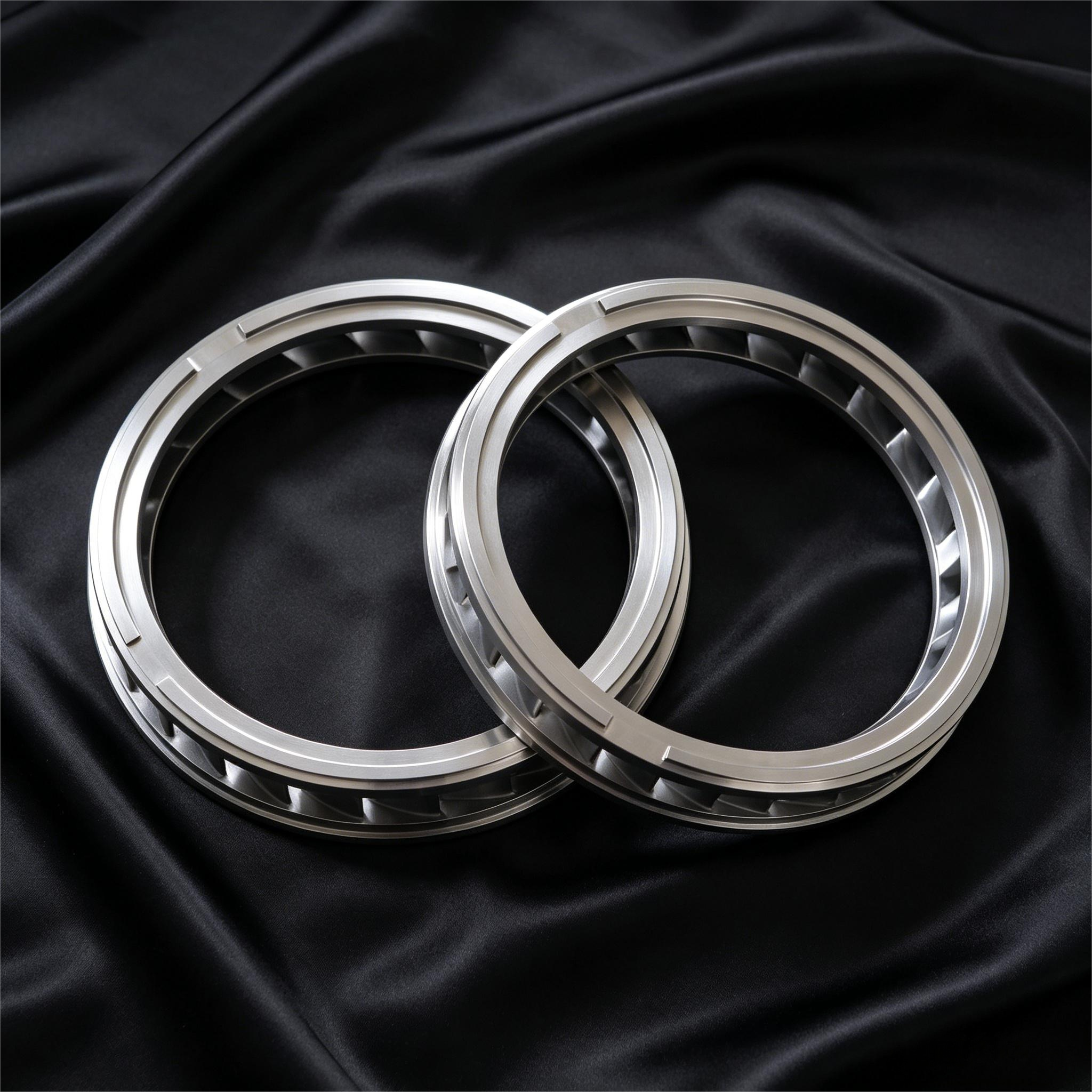
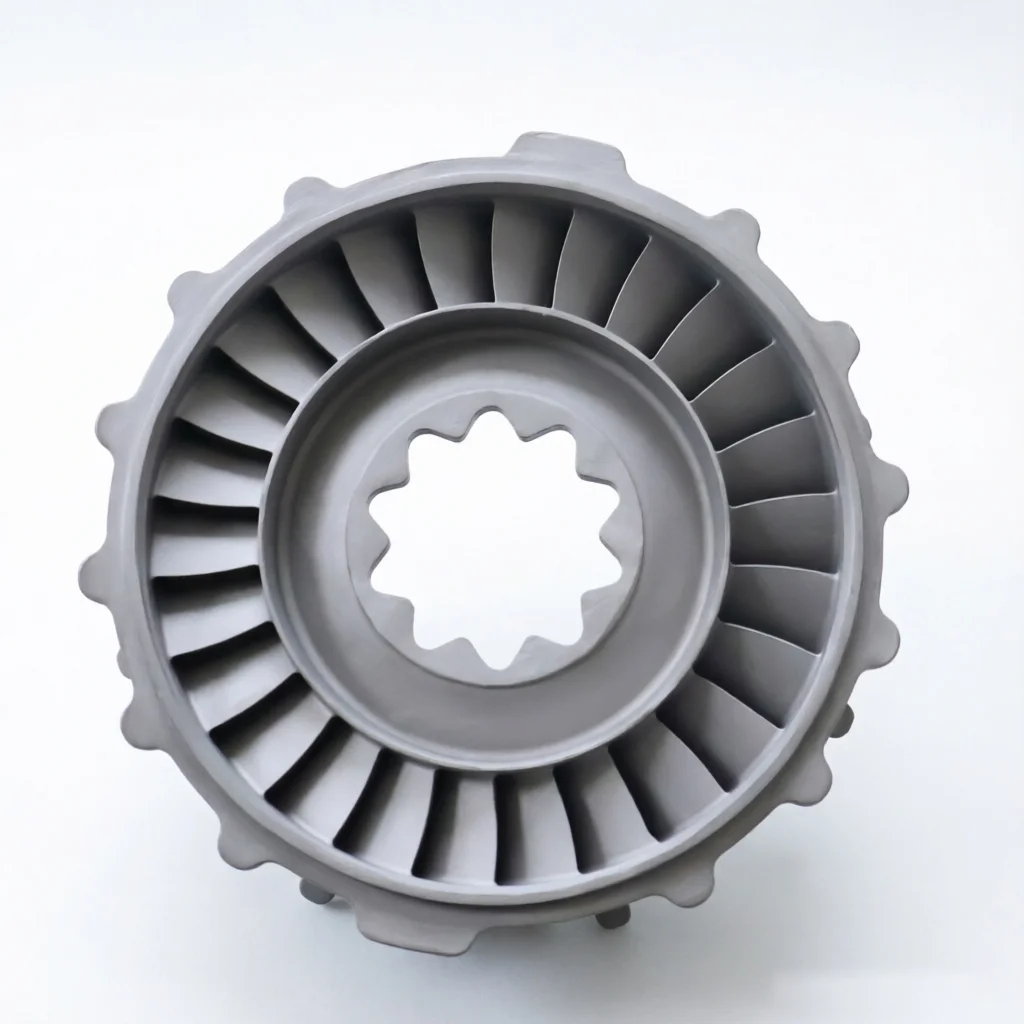
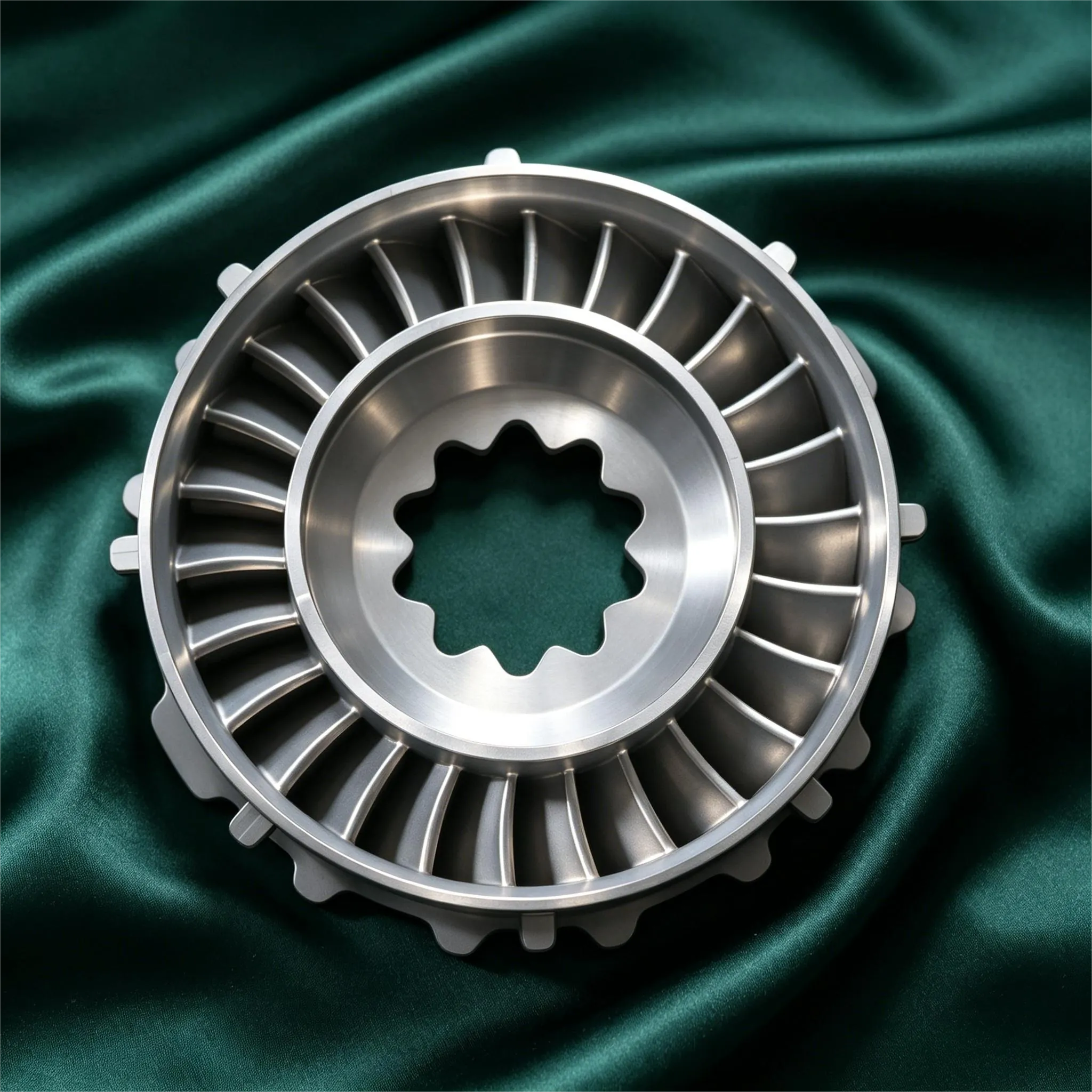
Define a 304 or 316L stainless steel casting enquiry with its component geometry, manufacturing route and applicable requirements clear from the outset. This custom precision foundry service includes vacuum and lost wax investment casting requests, with JIS specification needs to be identified for the actual part.
Identify the JIS requirement alongside the stainless grade
State whether the component requires 304 or 316L stainless steel and identify the relevant JIS specification number and edition. A standard-family reference alone does not define every requirement for a casting. Connect the selected grade, component dimensions and required acceptance to the actual specification used for the enquiry.
Select the casting and finishing route for the component
Agree the vacuum or lost wax route for the requested stainless steel part. CNC machining and HIP form part of the wider process range, with grinding, polishing, sand blasting, coating and heat treatment also available for discussion. Confirm which operations and surfaces belong to the selected component instead of assuming every broad process applies to one part.
Agree precision and documentation before approval
The precision-component tolerance is ±0.01–0.05 mm, with feature and grade applicability to be confirmed. Identify the dimensions that require this control and the method of acceptance. A machinery test report is available; confirm its object and contents for the proposed work, together with the required 2D PDF, DWG or DXF and 3D STEP, IGS or STP files.
Broader power and propulsion component enquiries can involve other alloys, engine interfaces and operating requirements. Give those projects their own material and acceptance brief before applying a performance range to the requested component.