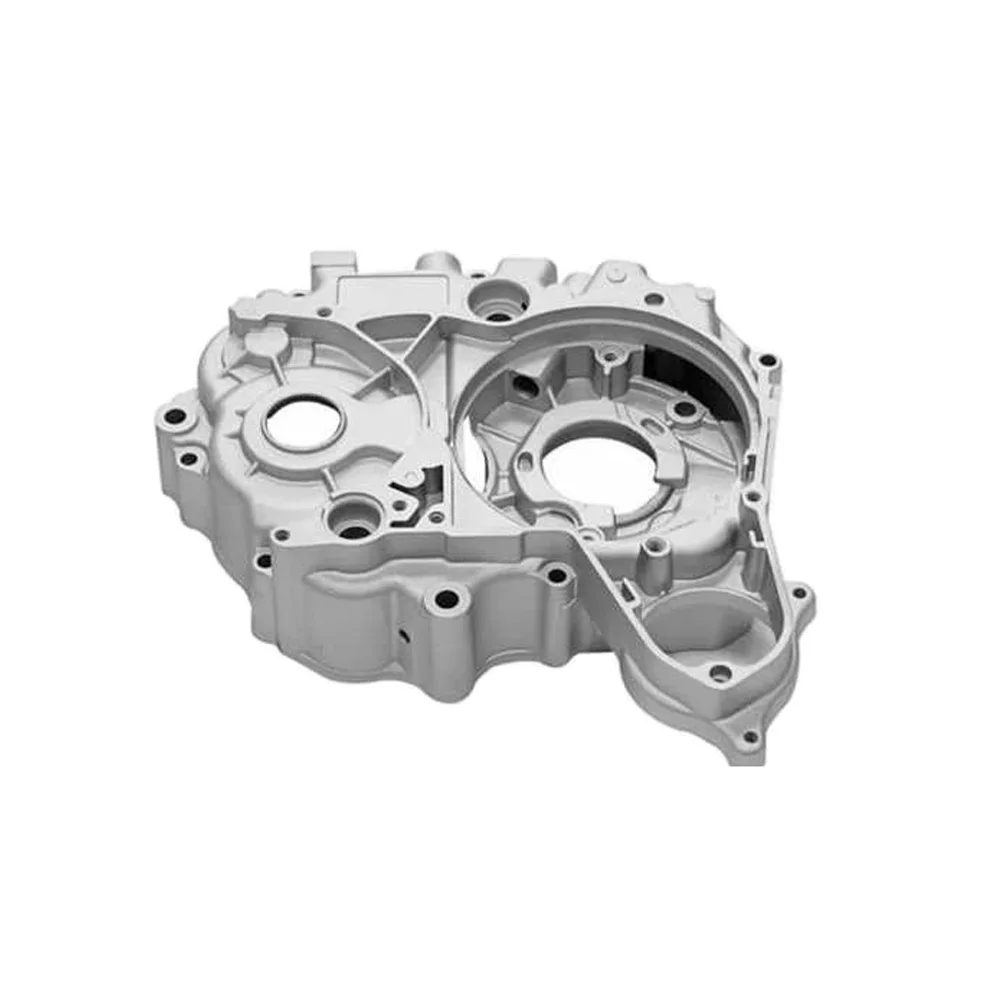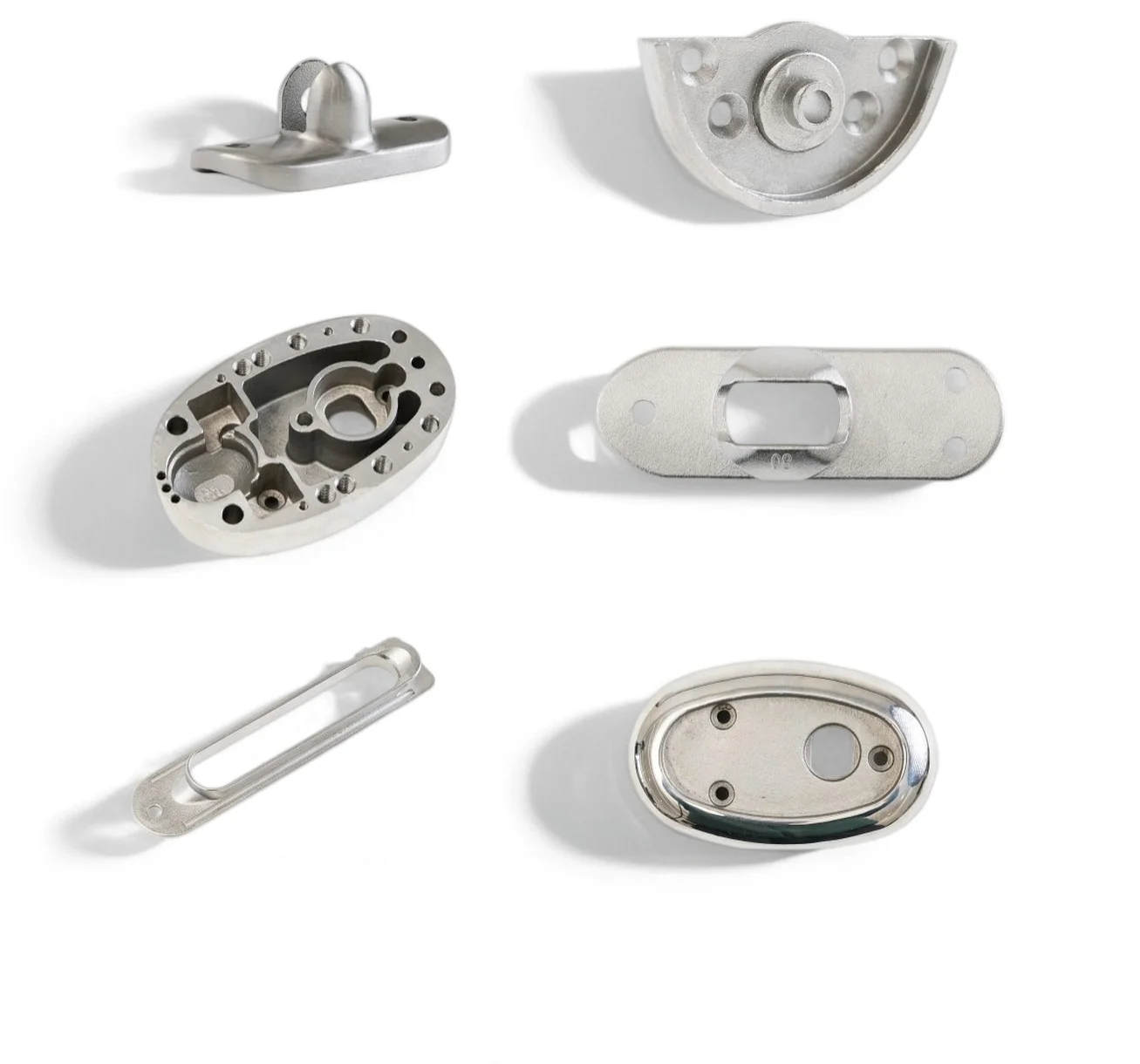
Custom 304/316 Stainless Steel Silica Sol Lost Wax Cast Components for Industrial Equipment
Let’s define your requirement
Send a product link, drawing or short brief. We’ll work through the details with you.
- Confirm the specificationGrade or model, size and intended use.
- Define your orderQuantity, finish or configuration, and samples.
- Agree the quotation scopeIncluded work, key checks and delivery needs.
-
Surface FinishSandblasted , PolishedAlloy Grade316 , 304
-
Material304, 316, 310, 1.4301 carbon steel etc
-
Processlost wax casting, investment castingNameOEM Investment Casting
-
CertificationISO9001:2015Casting ToleranceCT4-CT6
-
Surface treatmentSand Blasting, PolishingApplicationMachinery, Industrial Parts
-
Quality Control100% InspectionMachining ProcessCNC Precision Machining
-
Lead Time25-30 Days
Custom industrial components in 304 or 316 stainless steel can be produced through silica sol lost wax investment casting with CNC precision machining. The enquiry combines the casting geometry, required finished interfaces and surface condition for the machinery part you intend to use.
Set the casting class before the machining review
The casting tolerance range is CT4–CT6, with the applicable class and dimensional basis to be selected for the component. Identify the cast dimensions on the drawing and distinguish them from interfaces requiring CNC finishing. This gives the manufacturing proposal a clear relationship between the casting condition and the finished dimensions needed by the equipment.
Specify the material name and governing standard
Material enquiries can include 304, 316, 310, 1.4301 and carbon steel, with the exact specification agreed for the part. State the required grade, standard and material condition instead of relying on a broad material label. Include the operating environment and machine duty that should guide the material review for the custom component.
Decide which surfaces are blasted or polished
Sand blasting and polishing are surface-treatment choices for discussion. Indicate the exposed surfaces, contact areas and any finished interfaces that need particular attention, then define the required surface acceptance. A drawing or approved surface reference can connect appearance and finishing requirements to the same component revision used for casting and CNC work.
Connect inspection to the component records
For the industrial casting, the 100% inspection commitment needs agreed characteristics, methods and acceptance records. Identify the dimensions, surface conditions and material requirements that the checks must address. If ISO9001:2015 documentation is required for the order, confirm the current certificate holder and covered activities while reviewing the manufacturing and inspection proposal.