
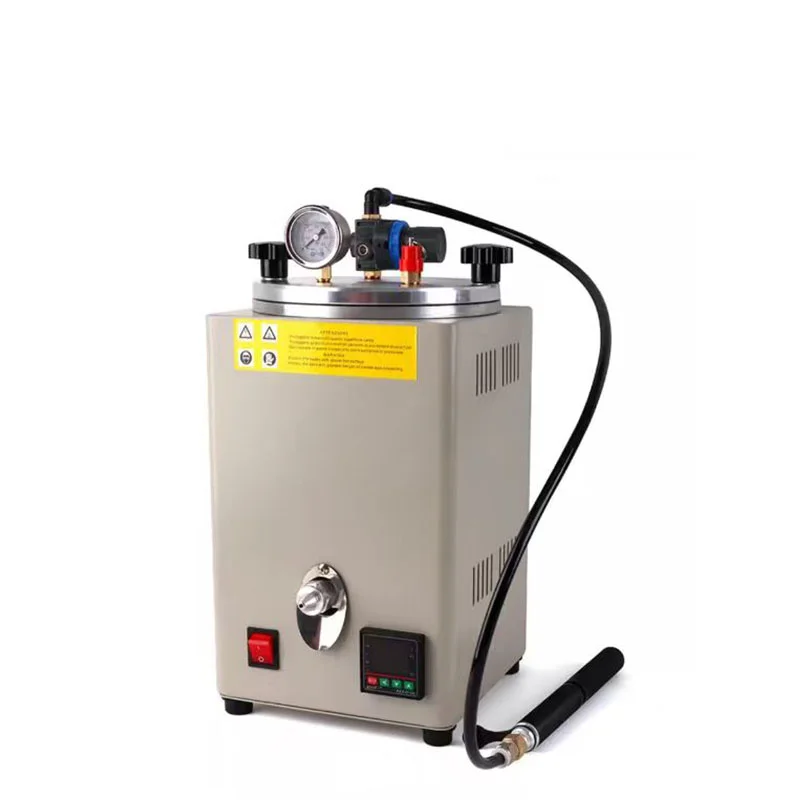
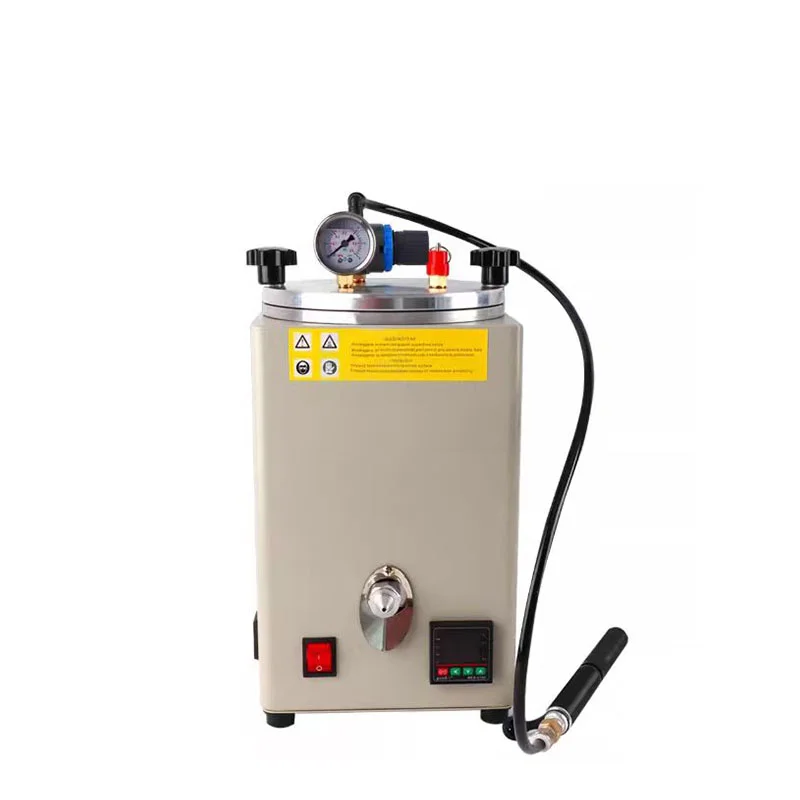
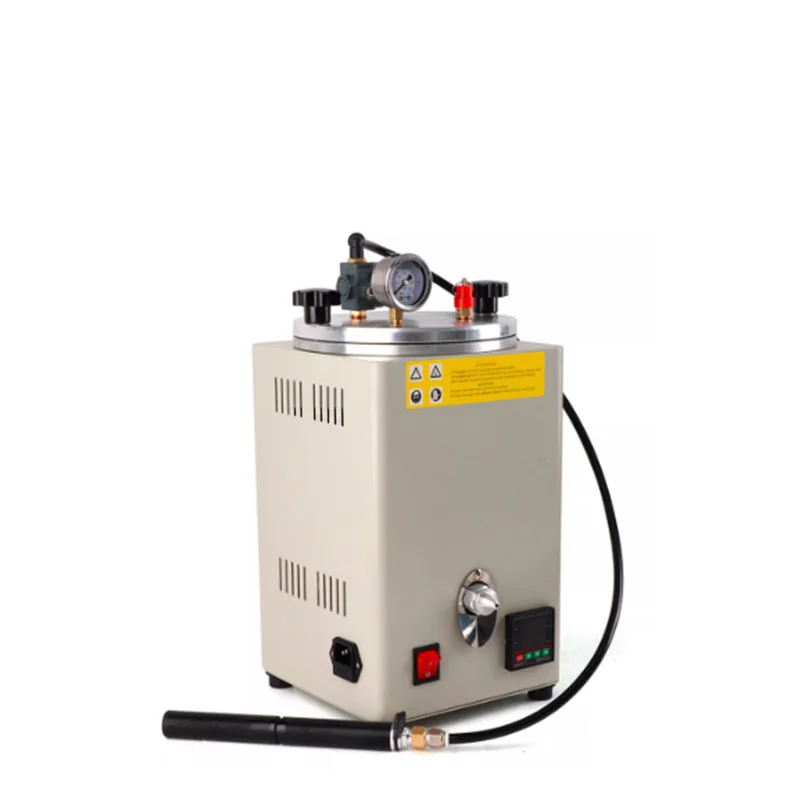
Continuous Casting Machine with Pressure Gauge for Jewelry and Dental Lost-Wax Molds, 220V 50Hz 350W
Let’s define your requirement
Send a product link, drawing or short brief. We’ll work through the details with you.
- Confirm the specificationGrade or model, size and intended use.
- Define your orderQuantity, finish or configuration, and samples.
- Agree the quotation scopeIncluded work, key checks and delivery needs.
-
Equipment Supply Voltage220V
-
machine typecontinuous casting machinevoltage220V 50Hz
-
power(w)350warranty1 Year
-
weight (kg)15
Continuous casting equipment with a pressure gauge is offered for jewelry-casting and dental lost-wax mold inquiries. The electrical references are 220 V, 50 Hz and 350 W. Define the particular casting or mold task to review the machine and its operating requirements for that work.
Jewelry casting and dental mold work
Identify the object or mold process the equipment needs to address. The jewelry and dental directions give the inquiry a specific task context, while the selected workflow should establish the required acceptance. Discuss the machine's actual process and included equipment against that intended work.
220 V, 50 Hz supply and 350 W power
The voltage and frequency reference is 220 V at 50 Hz, alongside a 350 W power reference. Confirm the selected unit's electrical requirements and the available supply as part of the operating setup. These parameters should remain connected to the actual machine configuration being considered.
The pressure gauge within the process
A pressure gauge forms part of the equipment direction. Establish its required range and the operating conditions relevant to the intended process. Review those details with the machine's specification so the gauge and process requirements address the same jewelry-casting or dental mold task.
Equipment scope before selection
Confirm which equipment and operating instructions are supplied for the chosen unit. The included scope should support the selected task, electrical setup and required process conditions. With those details established, the machine inquiry can be evaluated against the actual workflow and its acceptance requirements.








