
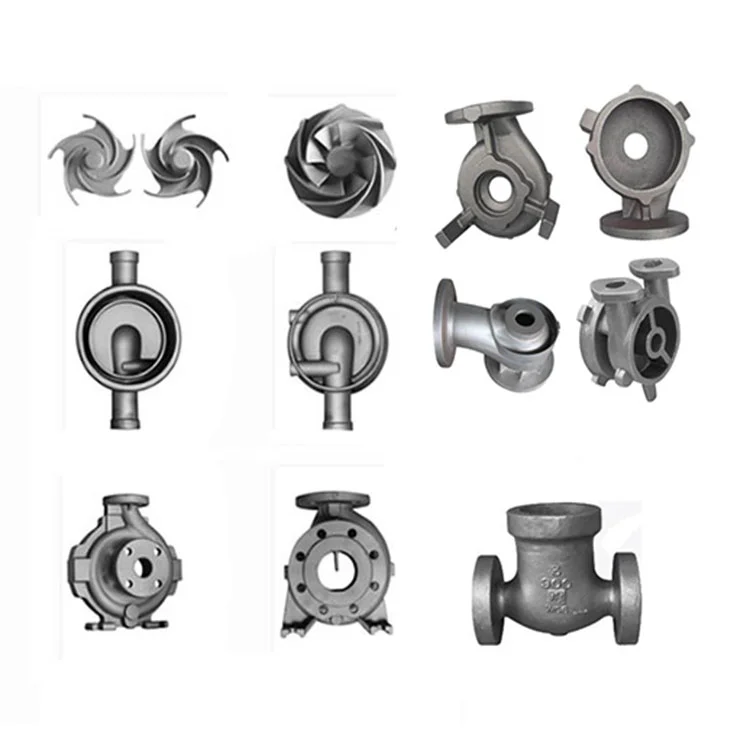
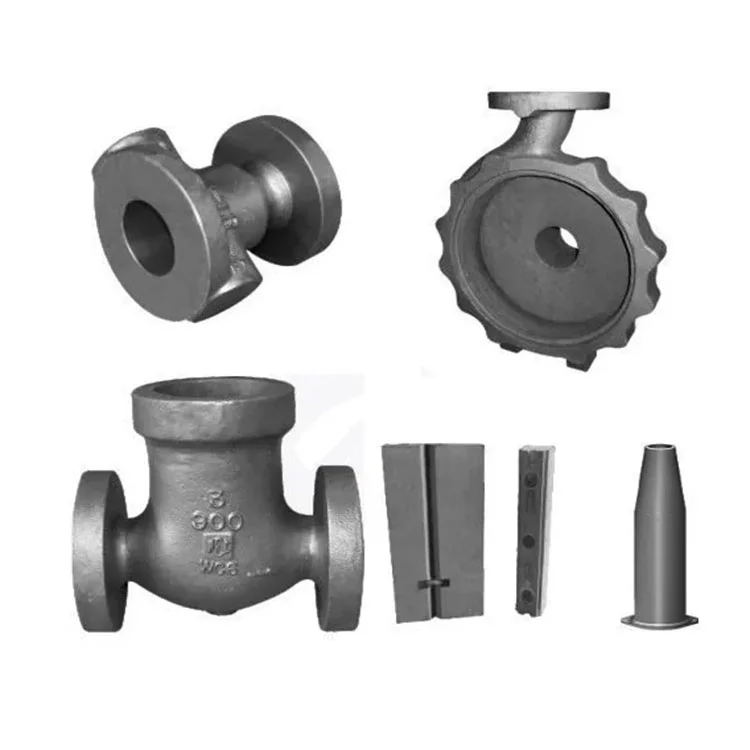
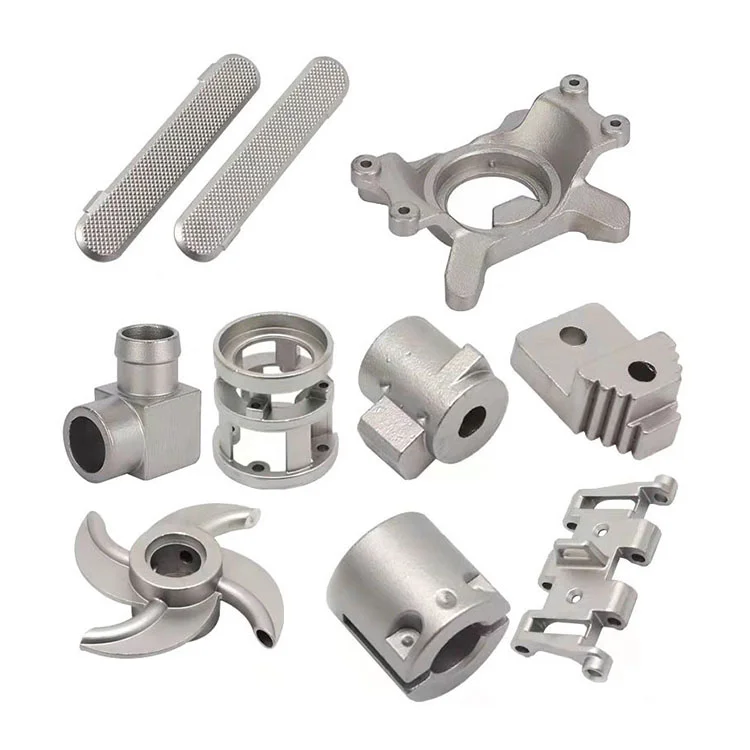
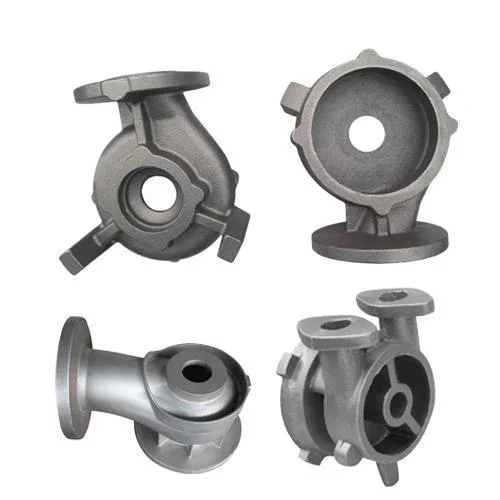
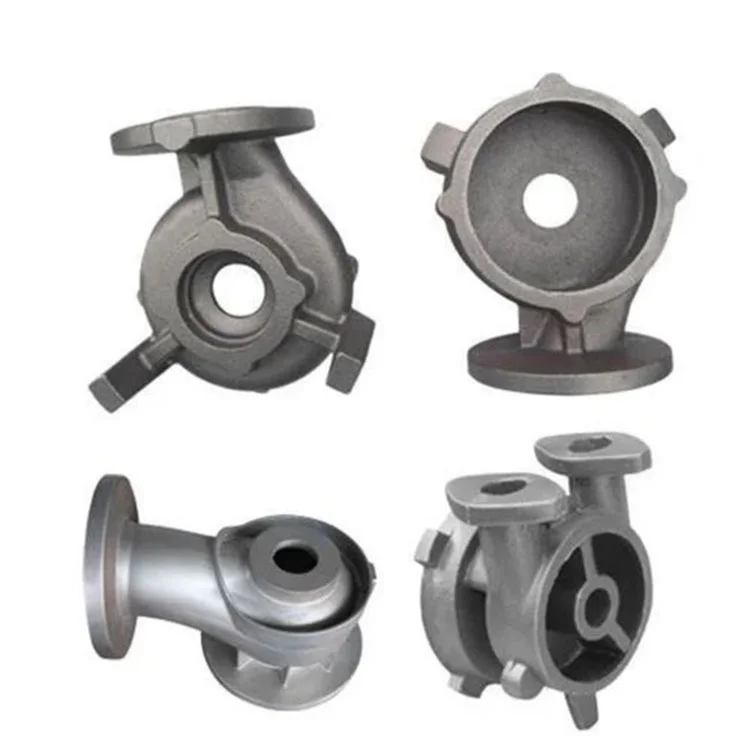
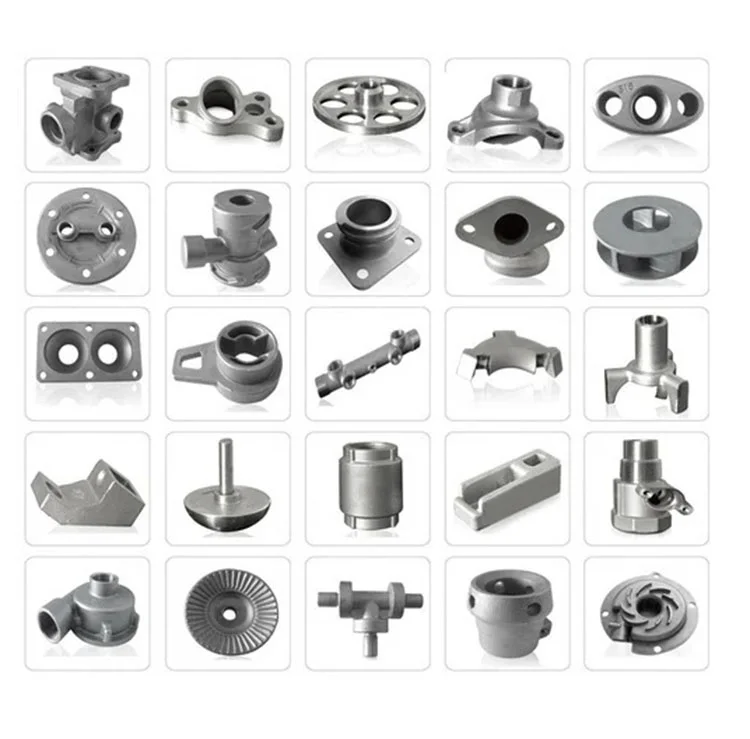
Cast-Iron and Stainless Water-Pump Lost-Wax Investment Casting Parts with CNC Processing
Let’s define your requirement
Send a product link, drawing or short brief. We’ll work through the details with you.
- Confirm the specificationGrade or model, size and intended use.
- Define your orderQuantity, finish or configuration, and samples.
- Agree the quotation scopeIncluded work, key checks and delivery needs.
-
Surface FinishPolished
-
Product nameStainless Steel Investment Casting Metal Casting
-
MaterialStainless Steel/Alloy/Iron/ Ca15Surface treatmentCustomers' Demand/polishing/CNC
-
ApplicationIndustry/auto/Medical/FurnitureProcessCasting +Machining(if Need)+surface Treatment
-
CertificationISO9001/TS16949/RoHSQuality Control100% Inspection
-
Lead Time15-35 DaysToleranceCustomer's Drawing Request
-
KeywordInvestment Brass Casting Service
Water-pump casting-part requests include cast-iron and stainless-steel lost-wax investment work, with CNC processing, optional machining and polishing selected to the actual component. Tolerance follows the customer drawing, so the part geometry and its interfaces define the required finished condition.
Water-pump parts and the supplied material
Stainless steel, alloy, iron and Ca15 are further material references, while brass investment-casting service is a separate request direction. Specify the actual supplied material and clarify Ca15 against the chosen material document. Identify the water-pump part and the dimensions that connect it to the surrounding equipment before allocating casting and subsequent work.
Polishing and CNC work at the required interfaces
Manufacturing directions combine casting, machining if needed and surface treatment. CNC is a processing direction; polishing and other customer-demand surface work need their own accepted final condition. Allocate cast and machined dimensions on the drawing, with the required surface areas and measurement criteria, so the accepted component can be checked against its intended duty.
Component inspection and broader application scope
The 100% inspection requirement needs a defined set of material, dimensional and finished-condition characteristics, together with the corresponding methods and records. Industrial, automotive, medical and furniture are broader component-use directions requiring their actual interfaces, operating conditions and any applicable approval. ISO9001 and TS16949 identify system-document references; RoHS requires the relevant object and conformity basis. Establish applicable current documents and responsible organization/site scope where needed, then agree quantity and manufacturing responsibilities for the selected part.








