
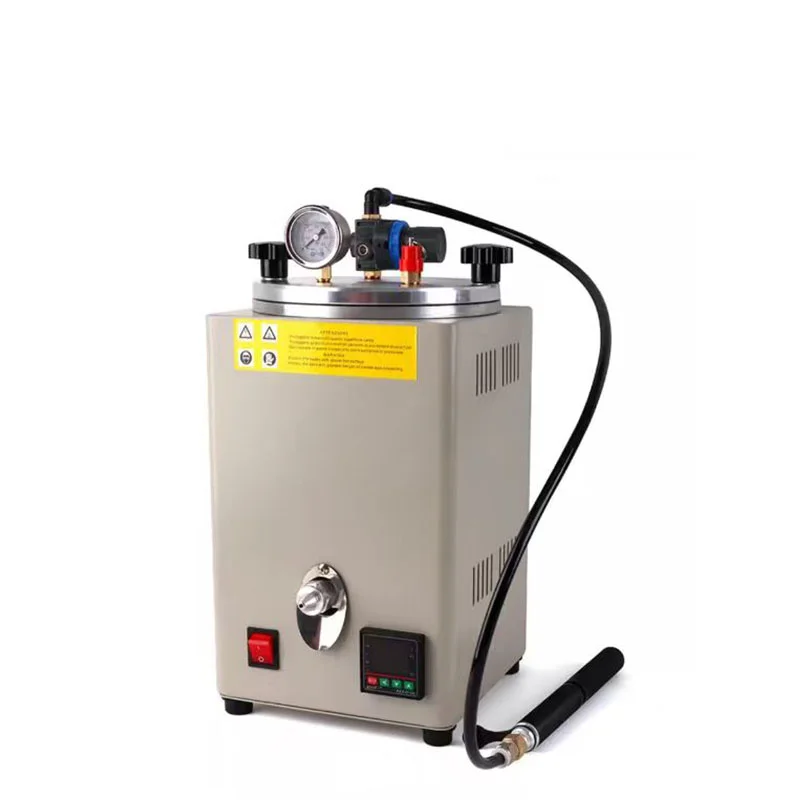
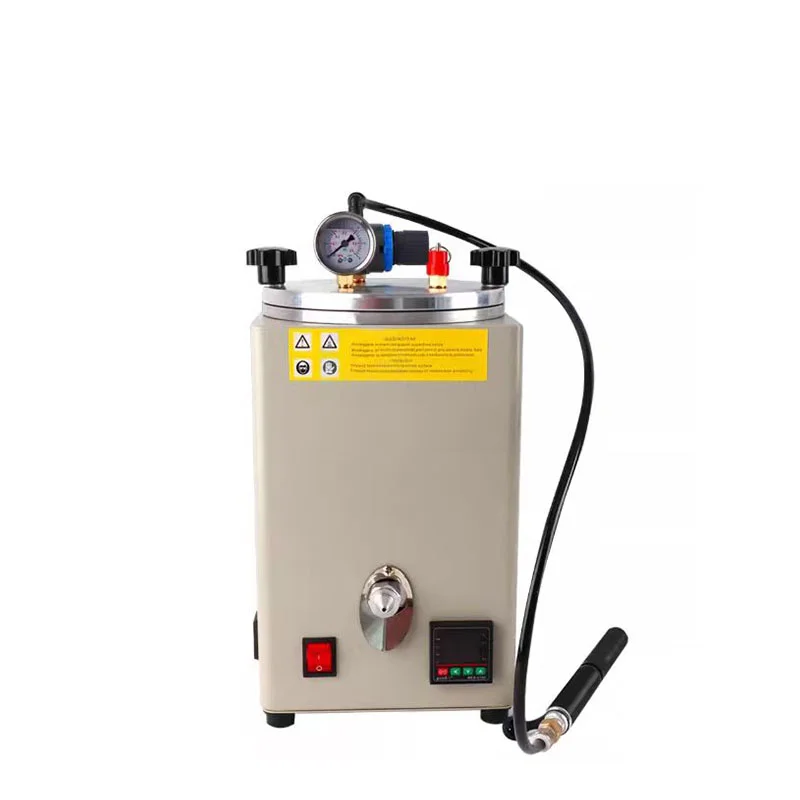
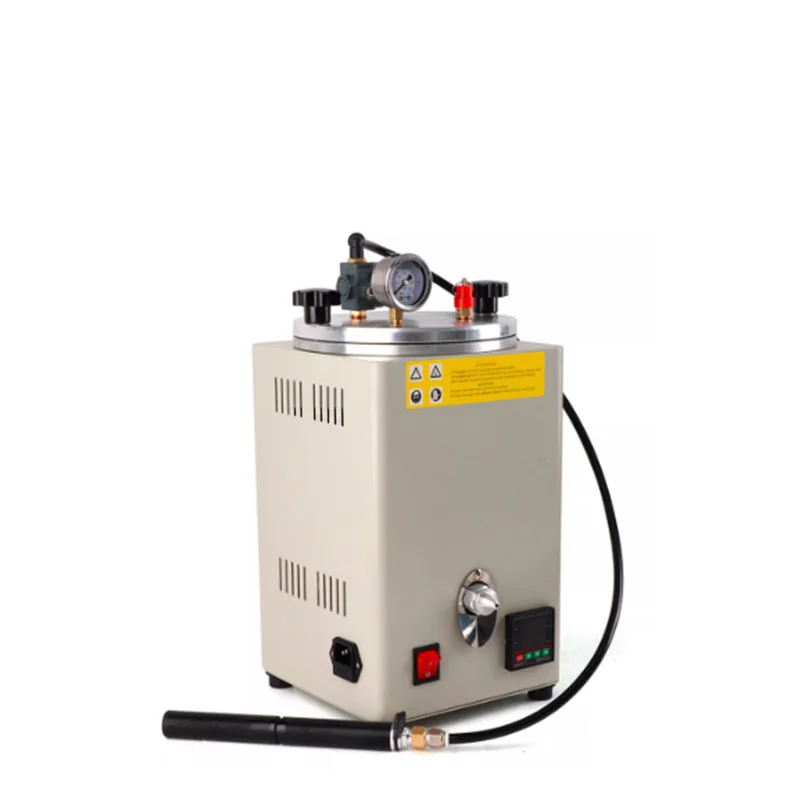
350W 220V/50Hz Stable-Pressure Wax Injector | Jewelry Lost-Wax, Dental-Lab and Ring-Mold Equipment
Let’s define your requirement
Send a product link, drawing or short brief. We’ll work through the details with you.
- Confirm the specificationGrade or model, size and intended use.
- Define your orderQuantity, finish or configuration, and samples.
- Agree the quotation scopeIncluded work, key checks and delivery needs.
-
Equipment Supply Voltage220V
-
machine typecontinuous casting machinevoltage220V 50Hz
-
power(w)350warranty1 Year
-
weight (kg)15
Wax-injection equipment inquiries cover jewelry lost-wax work, ring-mold making and dental-lab use, with a qualitative stable-pressure direction. The electrical references are 350 W and 220 V/50 Hz. A continuous-casting-machine direction also requires actual function selection for the configuration and intended task.
Wax injection or the selected casting function
Establish the functions included in the actual equipment before matching it to the jewelry or laboratory procedure. Wax injection and continuous-casting directions need their roles defined for that configuration. Connect the required material task and mold/tooling geometry to the chosen function, so the equipment inquiry addresses the process that will actually be used.
350 W and 220 V at 50 Hz
The 350 W power and 220 V/50 Hz electrical references provide a clear starting point for configuration selection. Match those requirements to the intended equipment arrangement and the included functions being agreed. The actual wax/material procedure and compatible tooling should be considered with the electrical setup, keeping the machine choice connected to the selected pattern or mold task.
Stable-pressure and pattern acceptance
Define the pressure-control requirements and how the qualitative stability target applies to the intended procedure. Agree the operating conditions and pattern/mold acceptance for the selected wax and tooling. The actual jewelry, ring-mold or dental-lab task should guide that discussion, so the chosen function and pressure requirements support a specific equipment-use acceptance plan.








