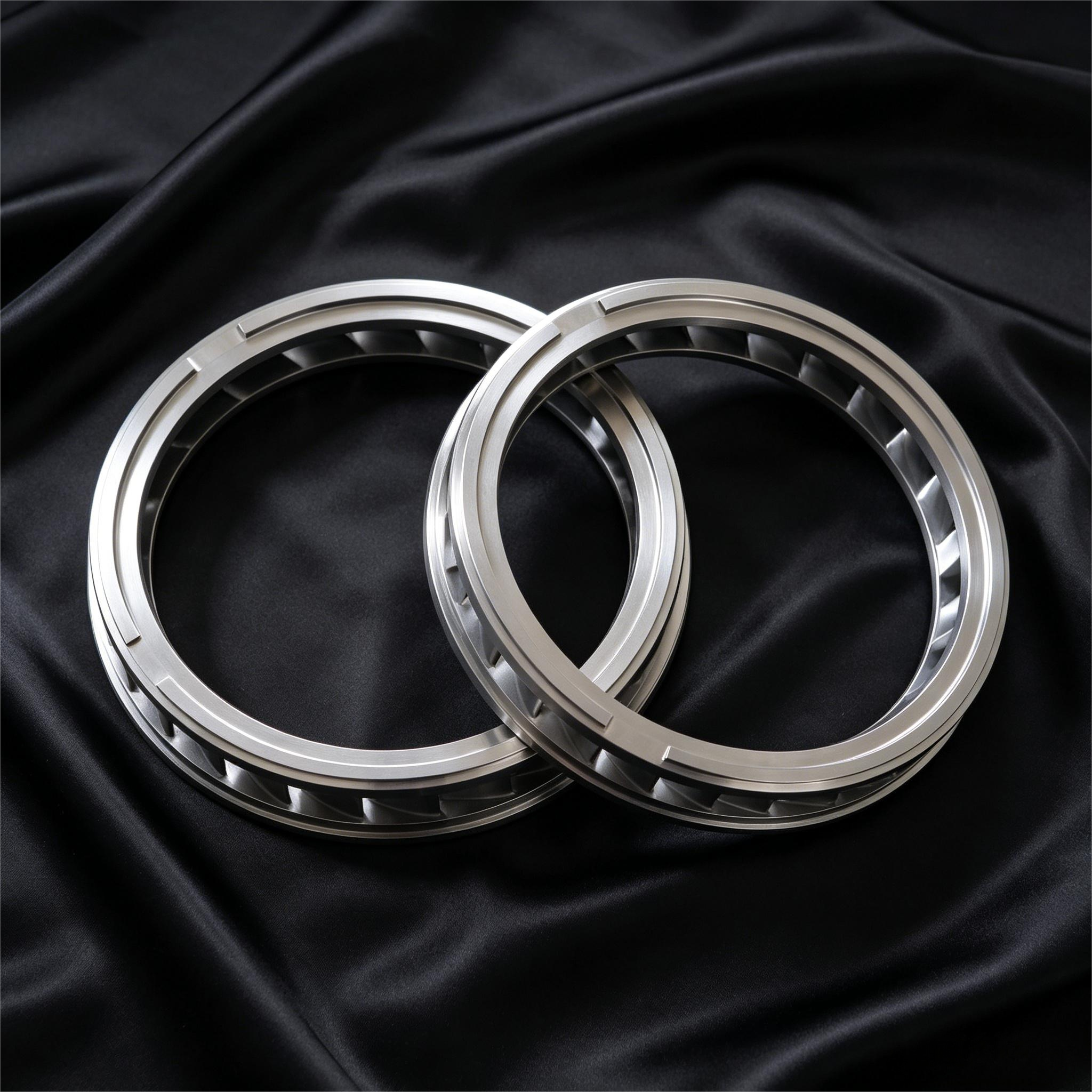
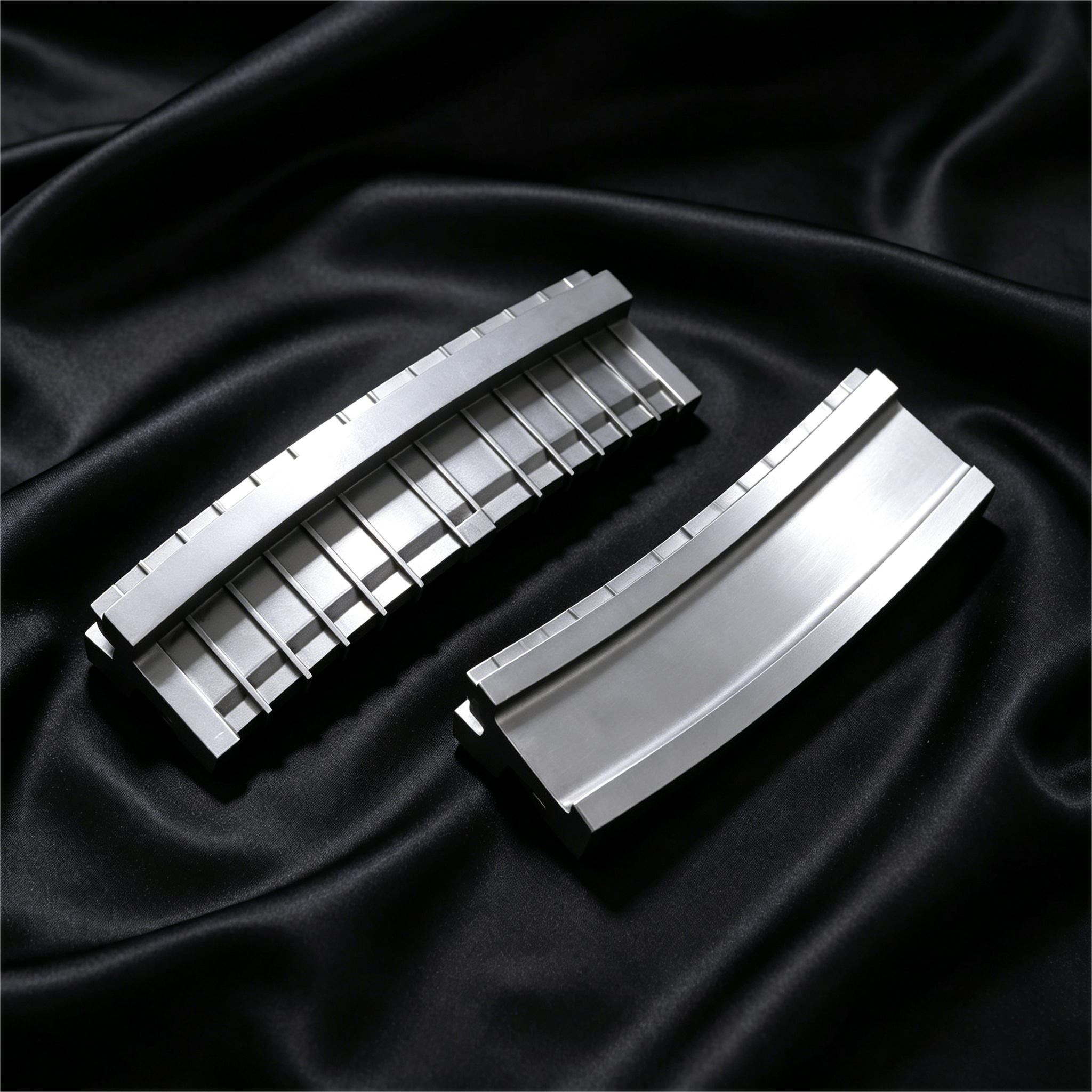
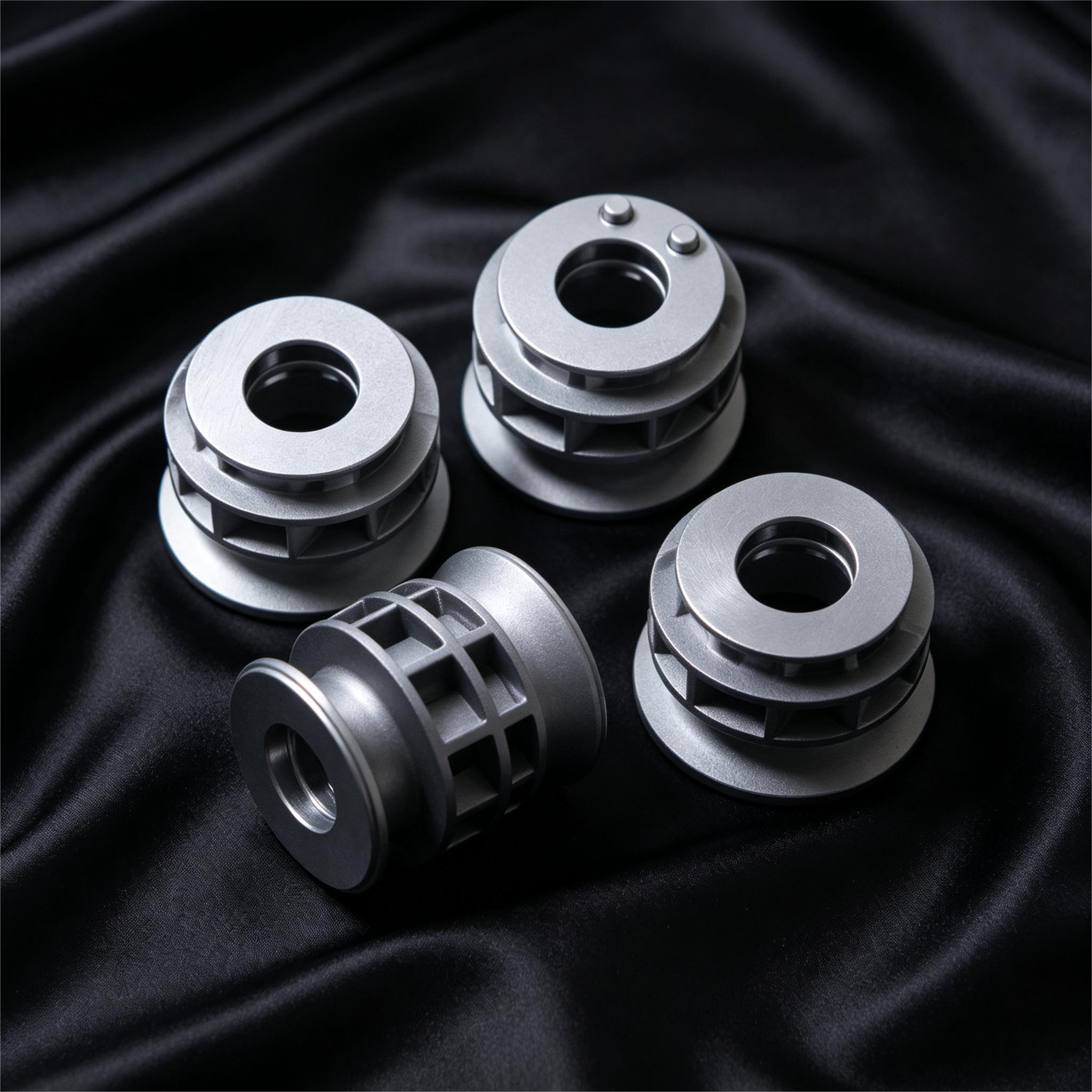
Vacuum Precision Cast Low-Altitude Aircraft Turbine Engine Parts | Inconel 718/625, CNC & HIP
Let’s define your requirement
Send a product link, drawing or short brief. We’ll work through the details with you.
- Confirm the specificationGrade or model, size and intended use.
- Define your orderQuantity, finish or configuration, and samples.
- Agree the quotation scopeIncluded work, key checks and delivery needs.
-
Surface FinishSandblasted , Polished
-
warranty2 Yearsweight (kg)100
-
video outgoing-inspectionProvidedmachinery test reportProvided
-
engine typeKerosene, diesel fueltypeTurbocharger,Turbine Wheel
-
Product TypePrecision Power & Propulsion Components
-
MaterialInconel 718 / 625 / Titanium Alloy / Stainless SteelProcessInvestment Casting / Lost Wax Casting / CNC Machining / HIP
-
ApplicationTurbine Engines / UAV Propulsion Systems / Industrial Power UnitsMax Temperature Resistance≥1000°C (Alloy Dependent)
-
Max Rotational Speed30,000-100,000 RPMTolerance±0.01-0.05 mm (Precision Grade)
-
Surface TreatmentGrinding / Polishing / Sand Blasting / Coating / Heat TreatmentDrawing Format2D: PDF, DWG, DXF / 3D: STEP, IGS, STP
-
PackagingCarton / Plywood Case / Anti-Rust Protection
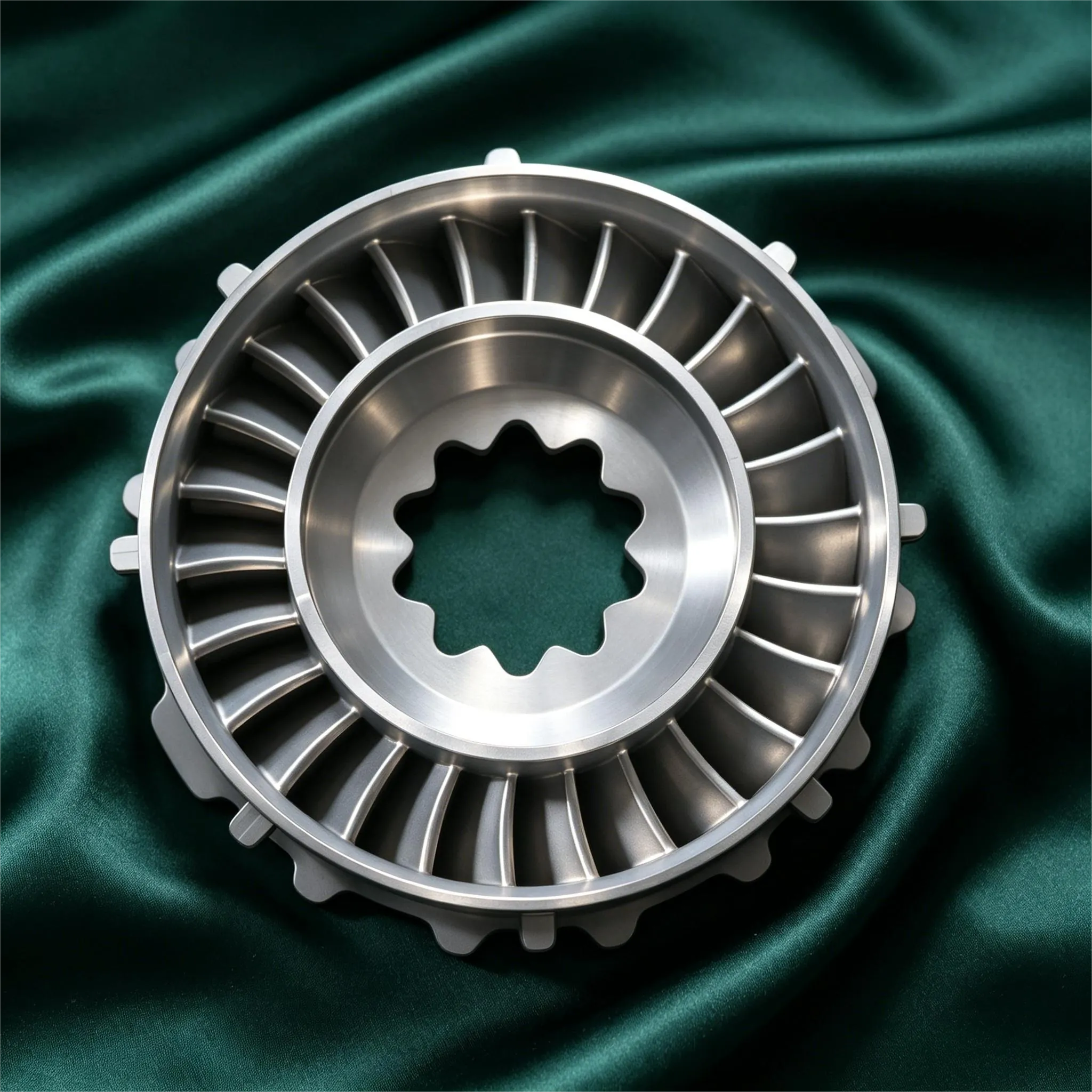
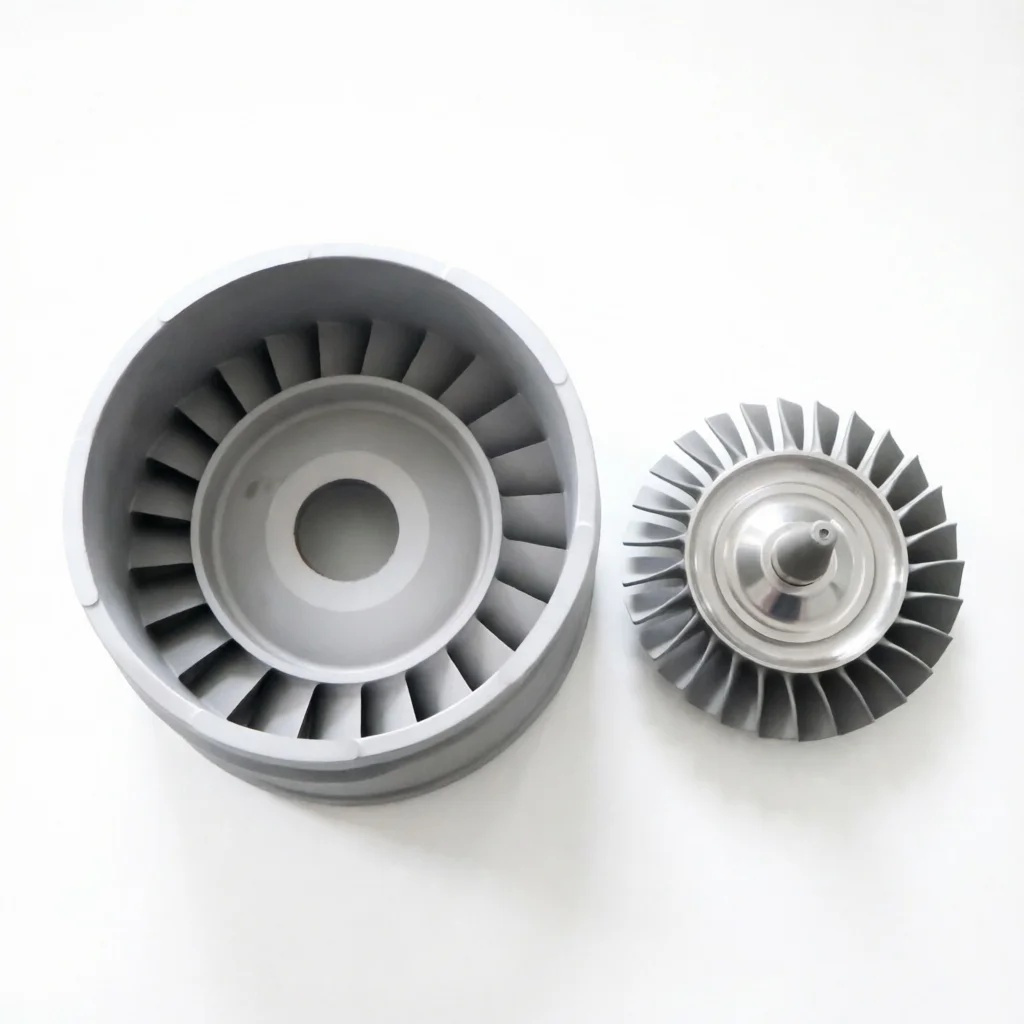
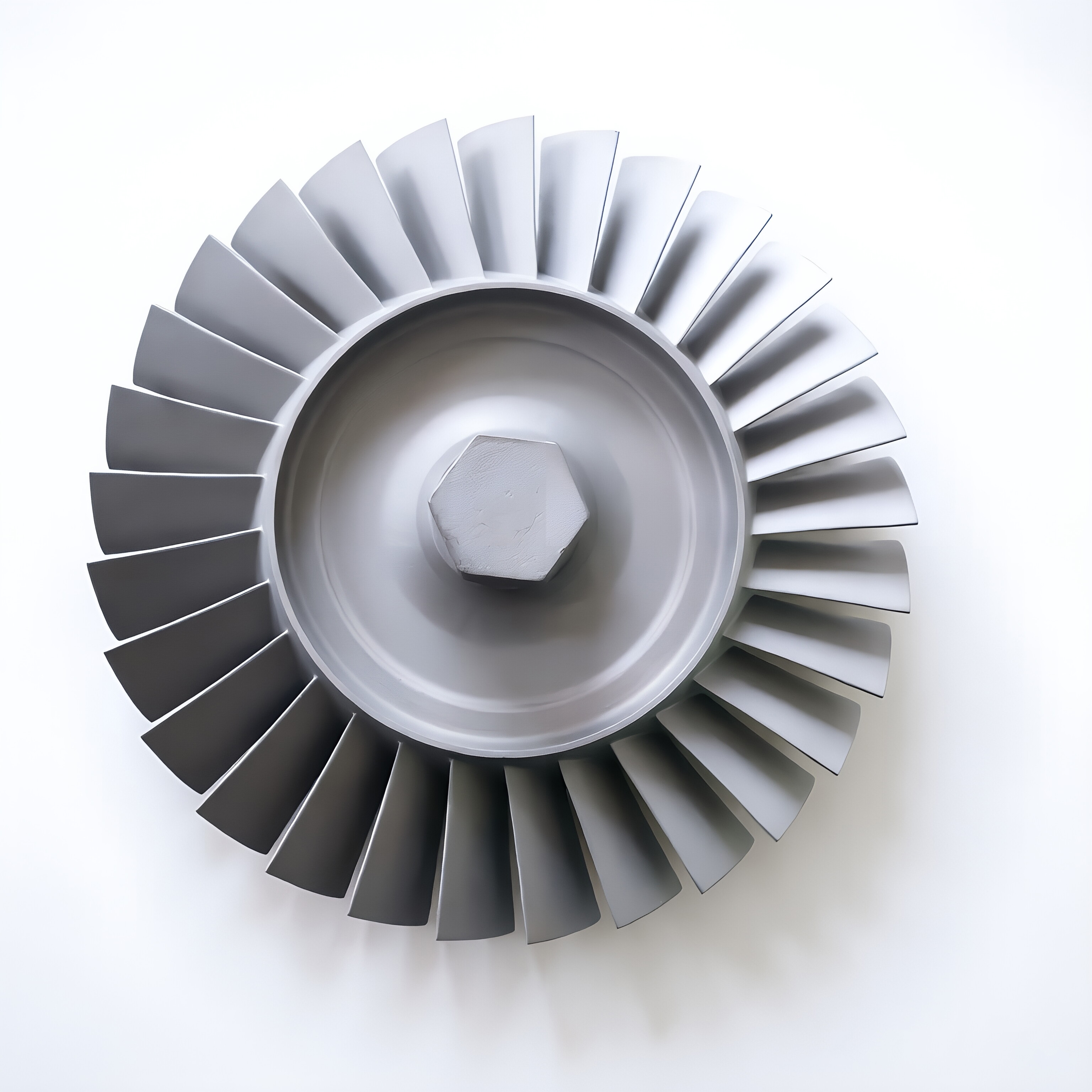
Vacuum precision casting supports low-altitude aircraft turbine-engine component enquiries, including turbocharger and turbine-wheel directions. Material choices include Inconel 718 or 625, titanium alloy and stainless steel, with investment casting, lost wax casting, CNC machining and HIP as processing directions.
Alloy selection for propulsion and power components
Application directions include turbine engines, UAV propulsion systems and industrial power units, with kerosene or diesel engine enquiries. Select the actual alloy and component geometry before defining its manufacturing and operating acceptance. This connects the turbine-wheel or other component requirement to its intended system, including the qualification criteria the project requires.
Temperature, rotational speed and precision references
The temperature-resistance reference is at least 1000°C and is alloy dependent. The maximum rotational-speed reference spans 30,000–100,000 RPM, while precision-grade tolerance is ±0.01–0.05 mm. Assign each reference to the actual alloy, component and relevant feature or operating condition, agreeing the required acceptance and qualification rather than combining the figures into a universal operating rating.
HIP, machined areas and finished condition
Investment and lost wax casting can be discussed alongside CNC machining and HIP for the selected part. Further work includes grinding, polishing, sandblasting, coating and heat treatment. Identify the machined dimensions, surfaces and required finished condition so the chosen processing work can be reviewed against the same alloy and component design.
Drawing inputs and inspection evidence
Supported files are 2D PDF, DWG and DXF and 3D STEP, IGS and STP. Outgoing-inspection video evidence and machinery test reporting are provided as part of the component discussion. Specify the geometry, material, process and thermal or rotational acceptance requirements in the design inputs, keeping the evidence review tied to the exact part and intended application.