
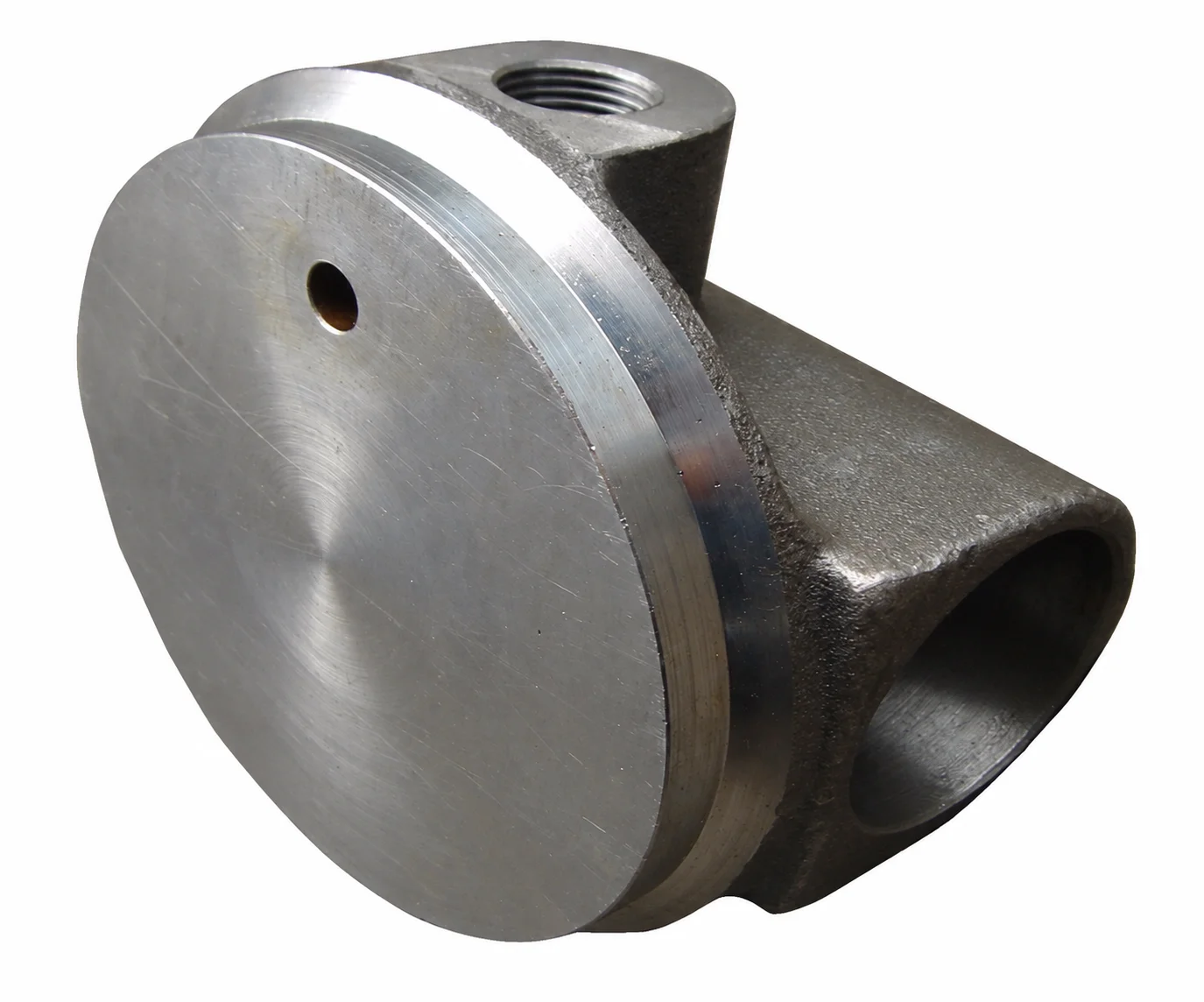
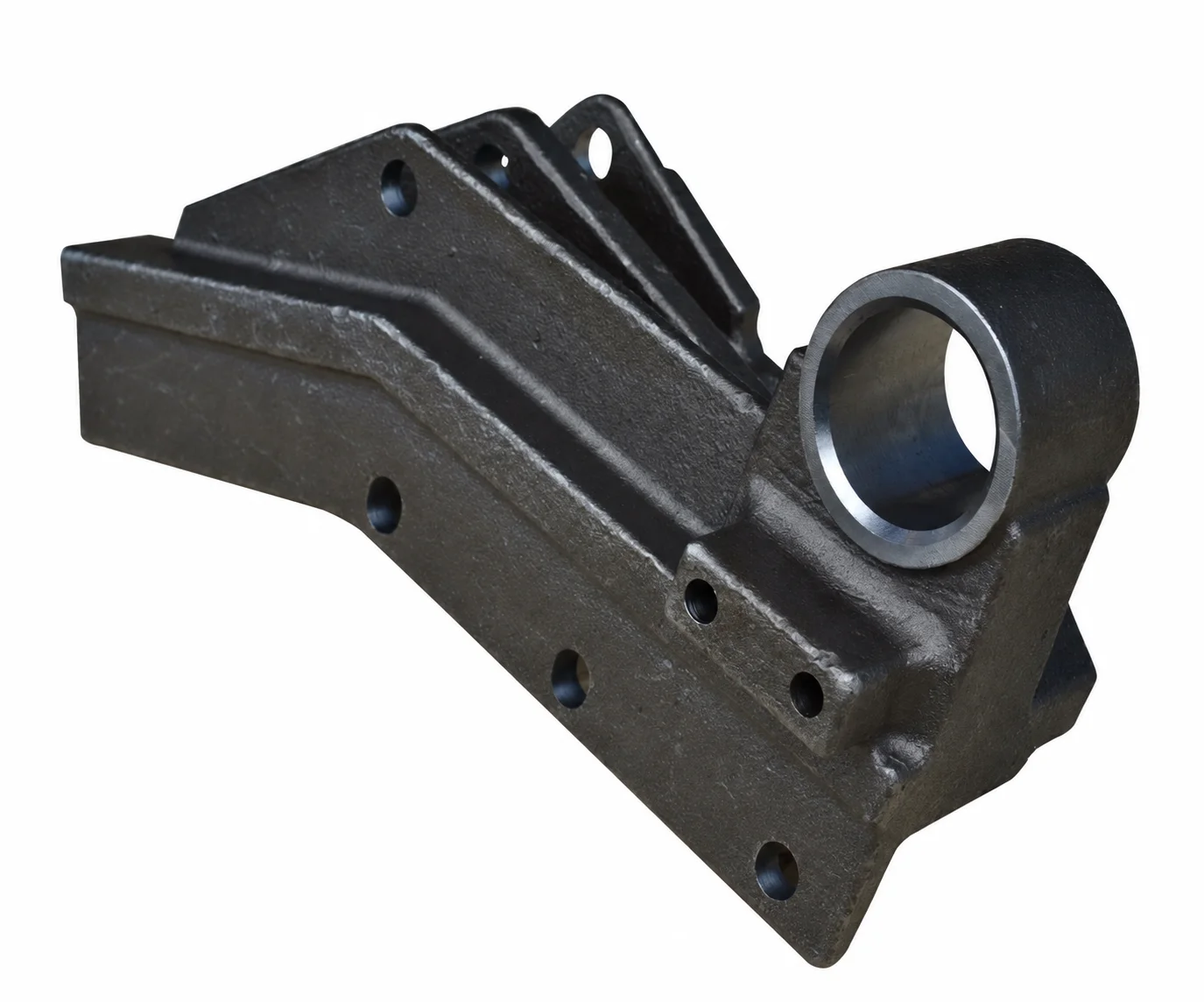
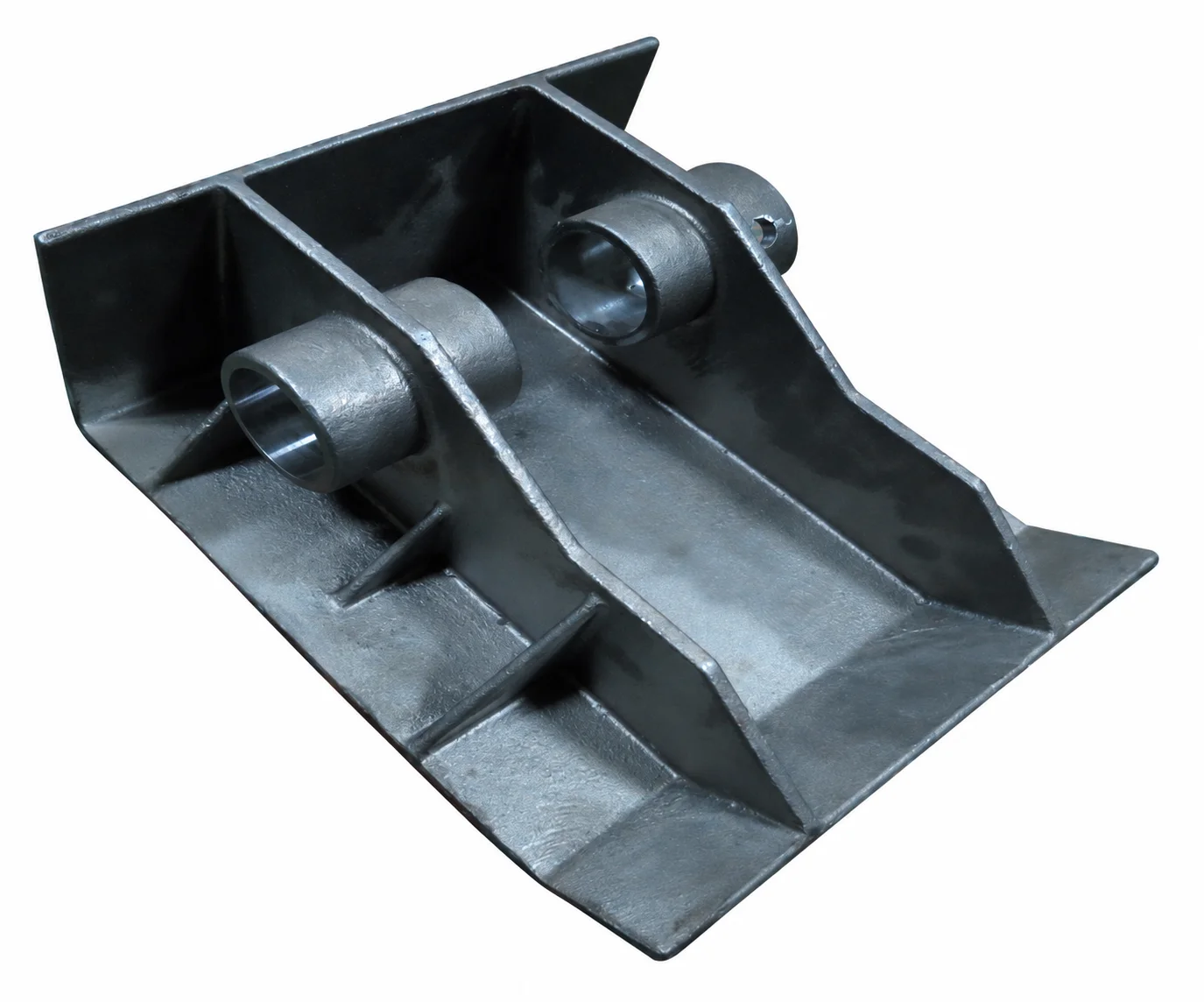
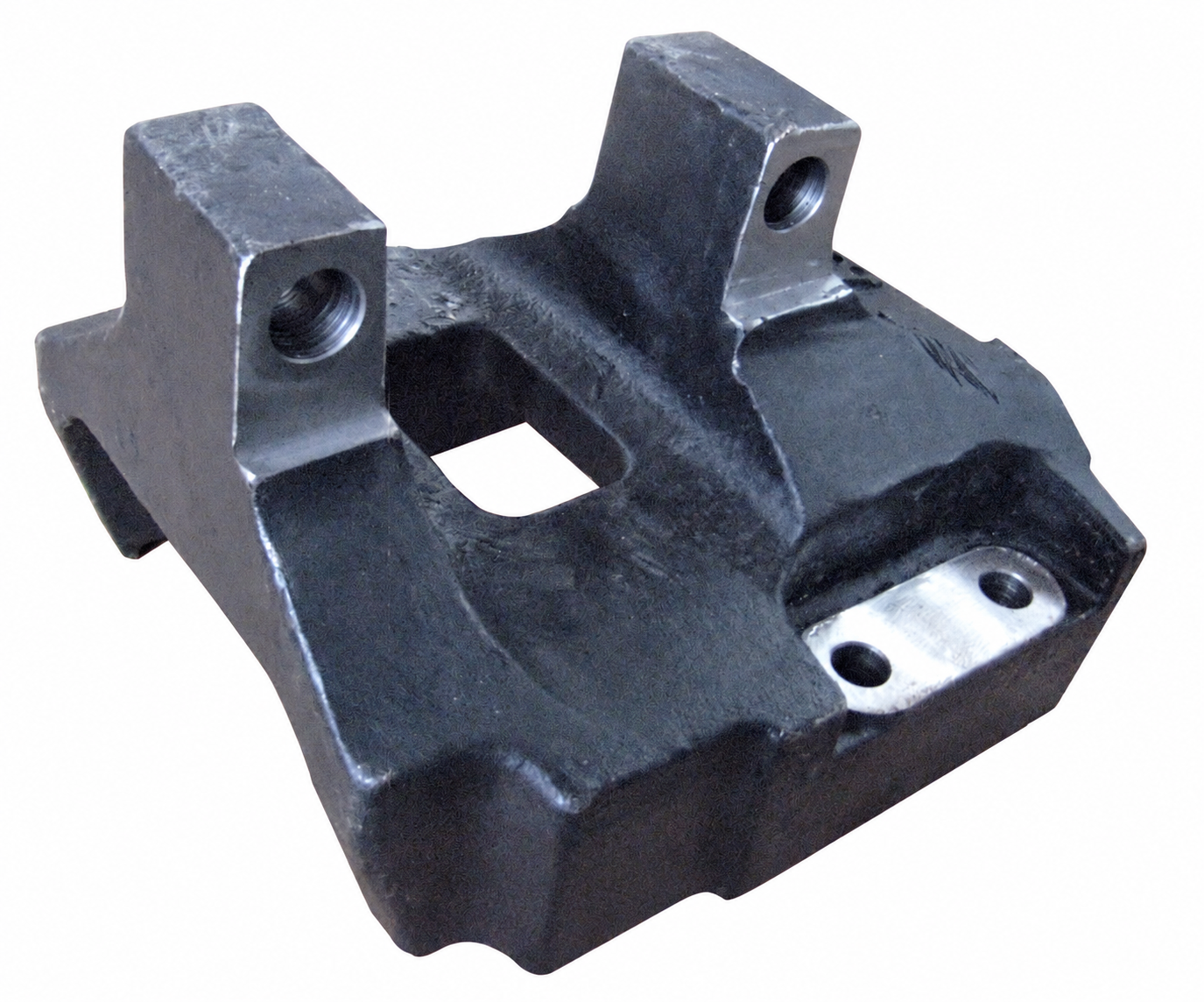
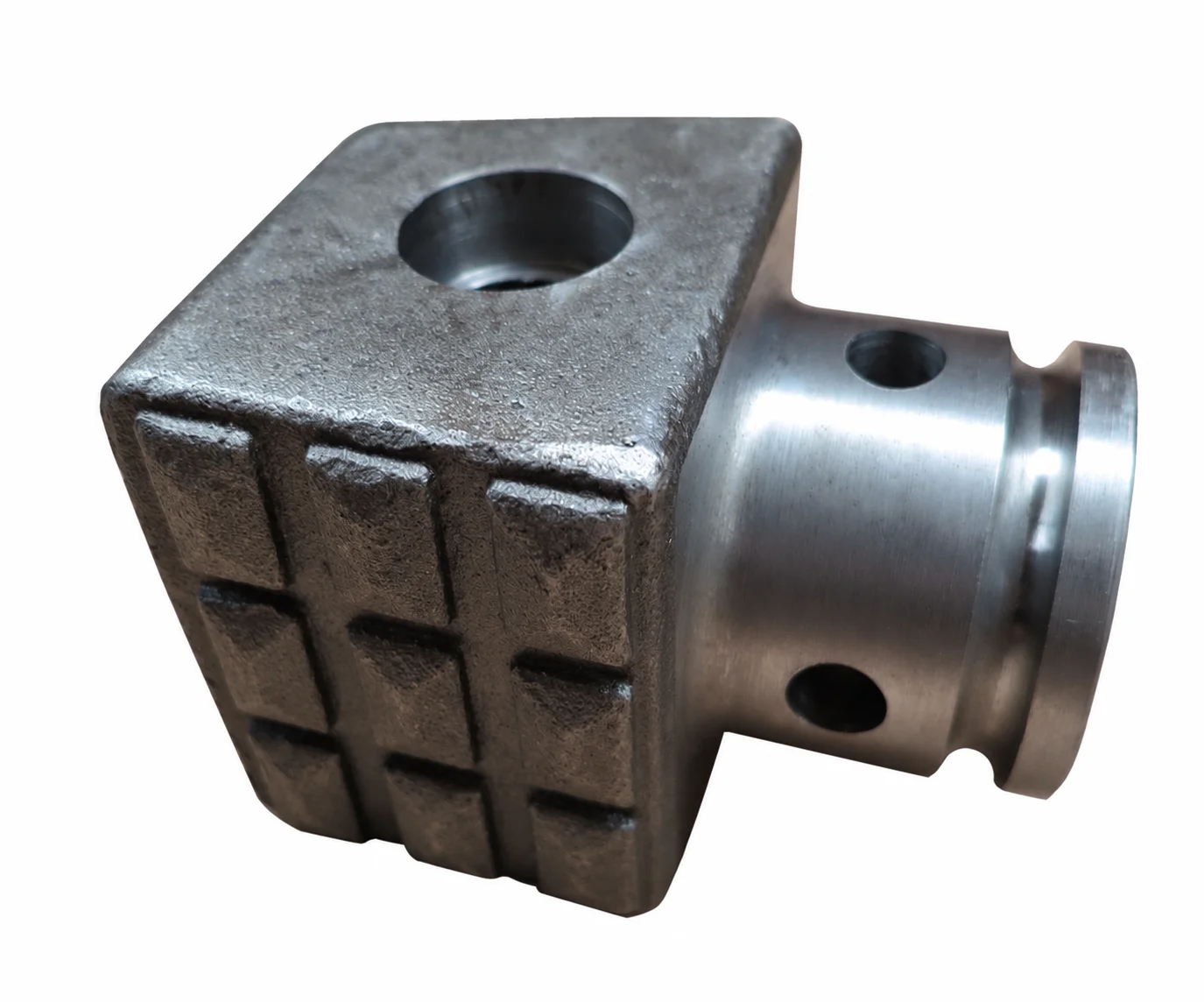
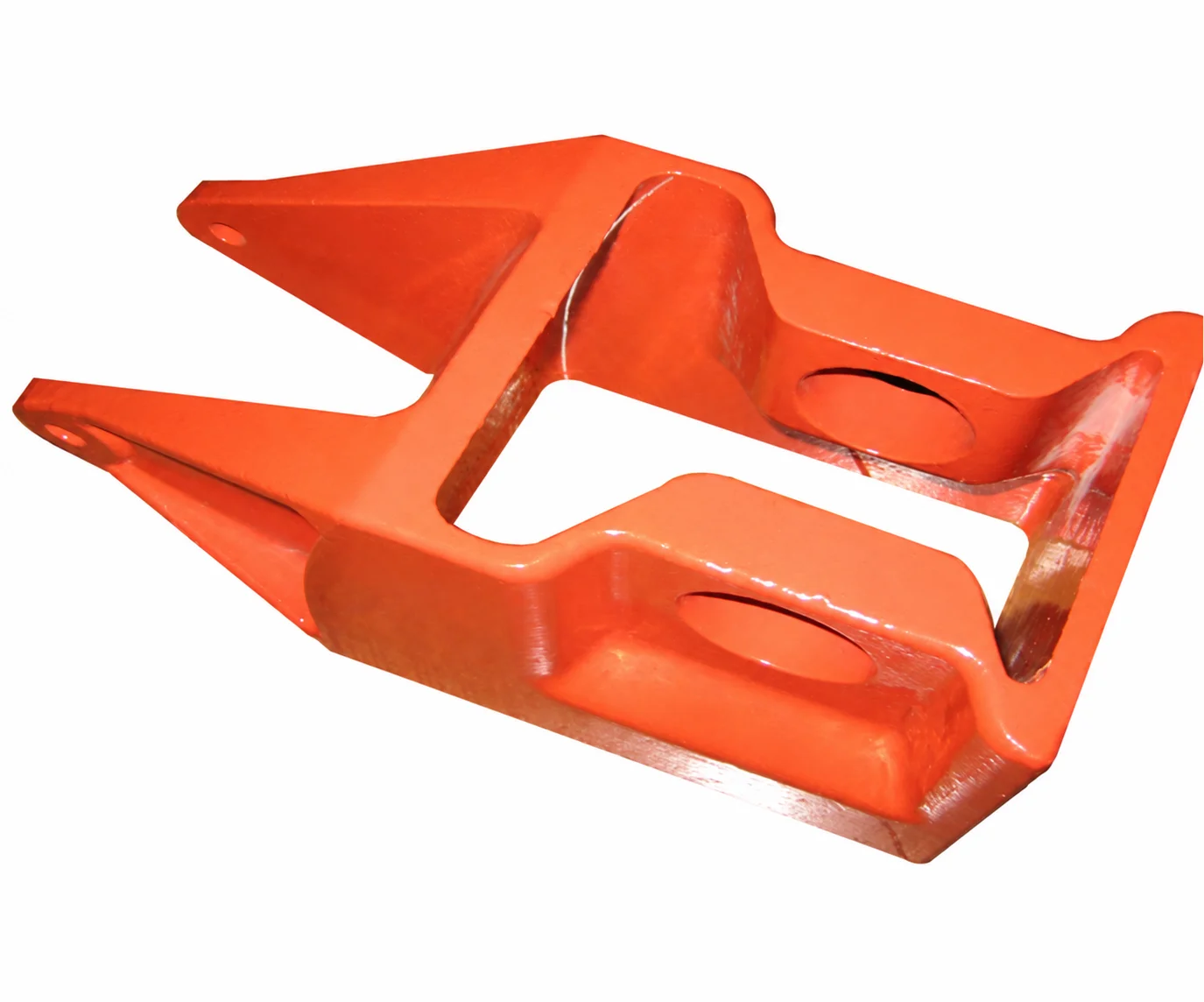
Trailer Suspension Lost Wax Investment Cast Parts with CNC Machining and Quench-and-Temper
Let’s define your requirement
Send a product link, drawing or short brief. We’ll work through the details with you.
- Confirm the specificationGrade or model, size and intended use.
- Define your orderQuantity, finish or configuration, and samples.
- Agree the quotation scopeIncluded work, key checks and delivery needs.
-
Surface FinishShot Blasted
-
NameLost Wax Casting Trailer Suspension Parts CompanyKeywordslost wax casting company
-
AppplicationAutomobileProcessLost wax investment casting+CNC machined
-
Heat TreatmentQuench and temper by 2 set mesh belt furnacesSurface TreatmentShot blasting+Assembling
-
Machining Facility70+ Machining centers,60+ CNC machinesInspectionMT/UT/RT/100% visual+100%gage/CMM
-
StandardASTM. AISI. DIN. BS. JIS. NF. AS.CertificationIATF16949/ISO14001
Trailer suspension parts combine lost wax investment casting and CNC machining for automotive enquiries. Quenching and tempering use two mesh-belt furnaces, with shot blasting and assembly also available. Machining resources for this service include 70+ machining centers and 60+ CNC machines.
Specify the suspension component and condition
Identify the actual material grade, component drawing and required heat-treatment condition. Define the interfaces that connect the suspension part to its intended assembly and vehicle application. Agree any load, fatigue or other functional acceptance required by that design, keeping those requirements connected to the selected material and operating duty.
Review machining and assembly acceptance
Mark the dimensions needing CNC machining and the relationships governing the assembled result. Define the surfaces receiving shot blasting and the final condition required for them. Agree the treatment and machining sequence against the component drawing, with the finished interfaces and assembly acceptance clear before approval.
Choose the inspection objects and records
Trailer suspension inspection scope covers MT, UT and RT, plus 100% visual inspection and 100% gauge/CMM inspection. Select the applicable methods and criteria for the actual part. Identify the dimensional, surface and material-condition records needed to review the finished component, and match them to the suspension design's acceptance requirements.
Match specification and system requirements
ASTM, AISI, DIN, BS, JIS, NF and AS are standard families for the project discussion. Review the applicable IATF16949 quality-system and ISO14001 environmental-system scope alongside the chosen material and manufacturing requirements. Keep vehicle fit and functional acceptance defined for the actual suspension component, with the required inspection and documentation agreed as part of that review.








