Steel Lost-Wax Investment Casting and Foundry Supplies | CNC, Quench-Temper and Assembly
Let’s define your requirement
Send a product link, drawing or short brief. We’ll work through the details with you.
- Confirm the specificationGrade or model, size and intended use.
- Define your orderQuantity, finish or configuration, and samples.
- Agree the quotation scopeIncluded work, key checks and delivery needs.
-
Surface FinishShot Blasted
-
MaterialSteel
-
NameInvestment Casting and Foundry SuppliesKeywordscasting and foundry
-
ProcessLost wax investment casting+CNC machinedHeat TreatmentQuench and temper by 2 set mesh belt furnaces
-
Surface TreatmentShot blasting+AssemblingMachining Facility50+ Machining centers,80+ CNC machines
-
InspectionMT/UT/RT/100% visual+100%gage/CMMStandardASTM. AISI. DIN. BS. JIS. NF. AS.
-
CertificationIATF16949/ISO14001
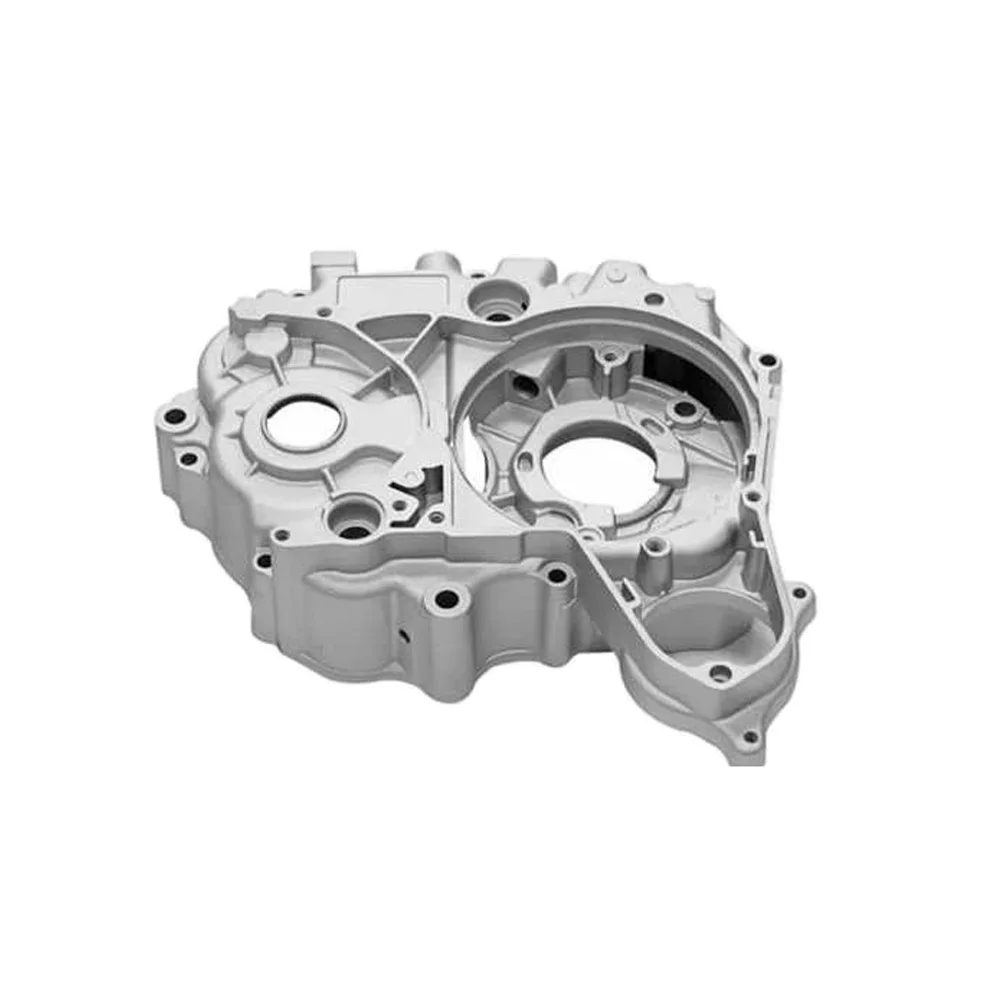
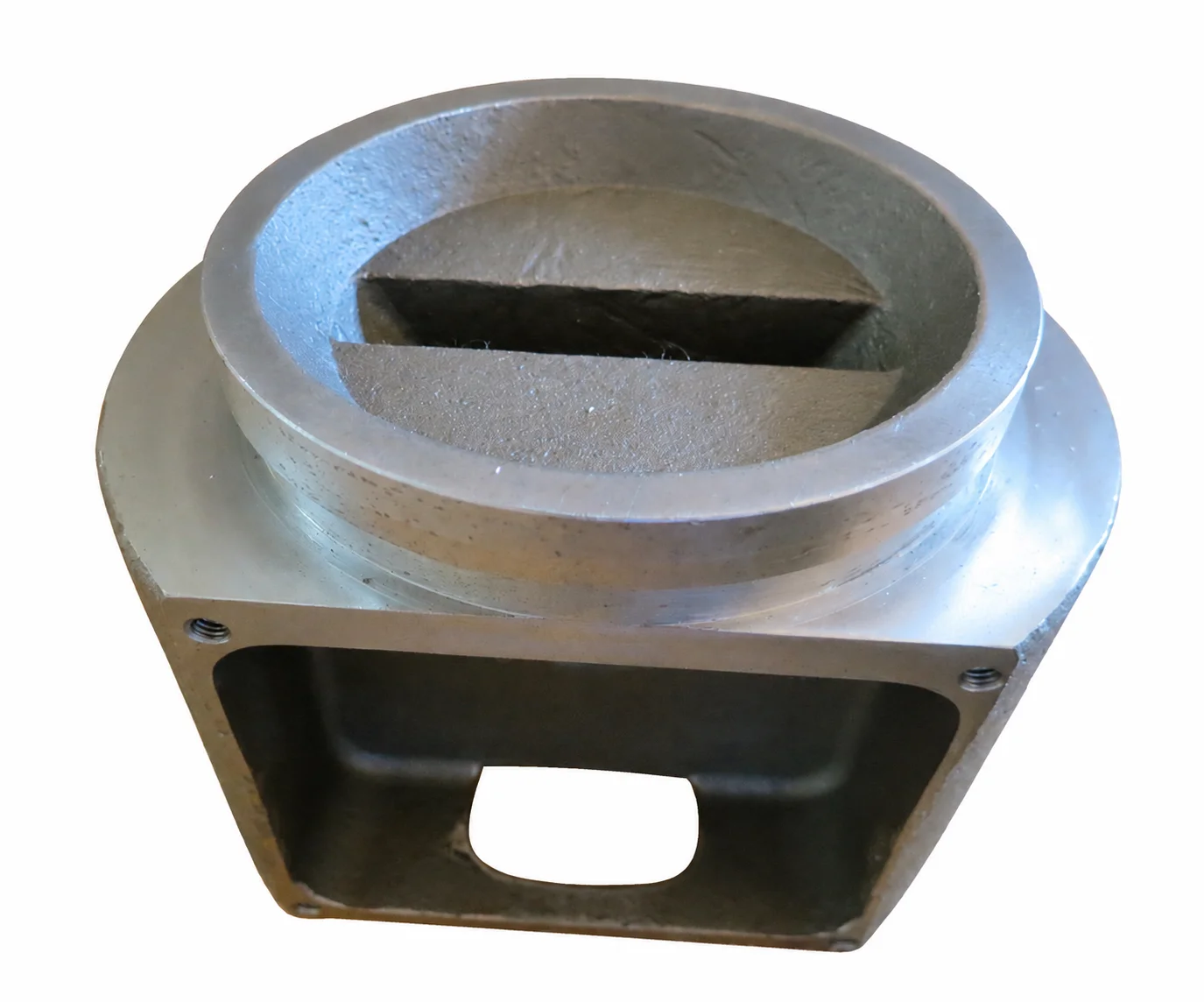
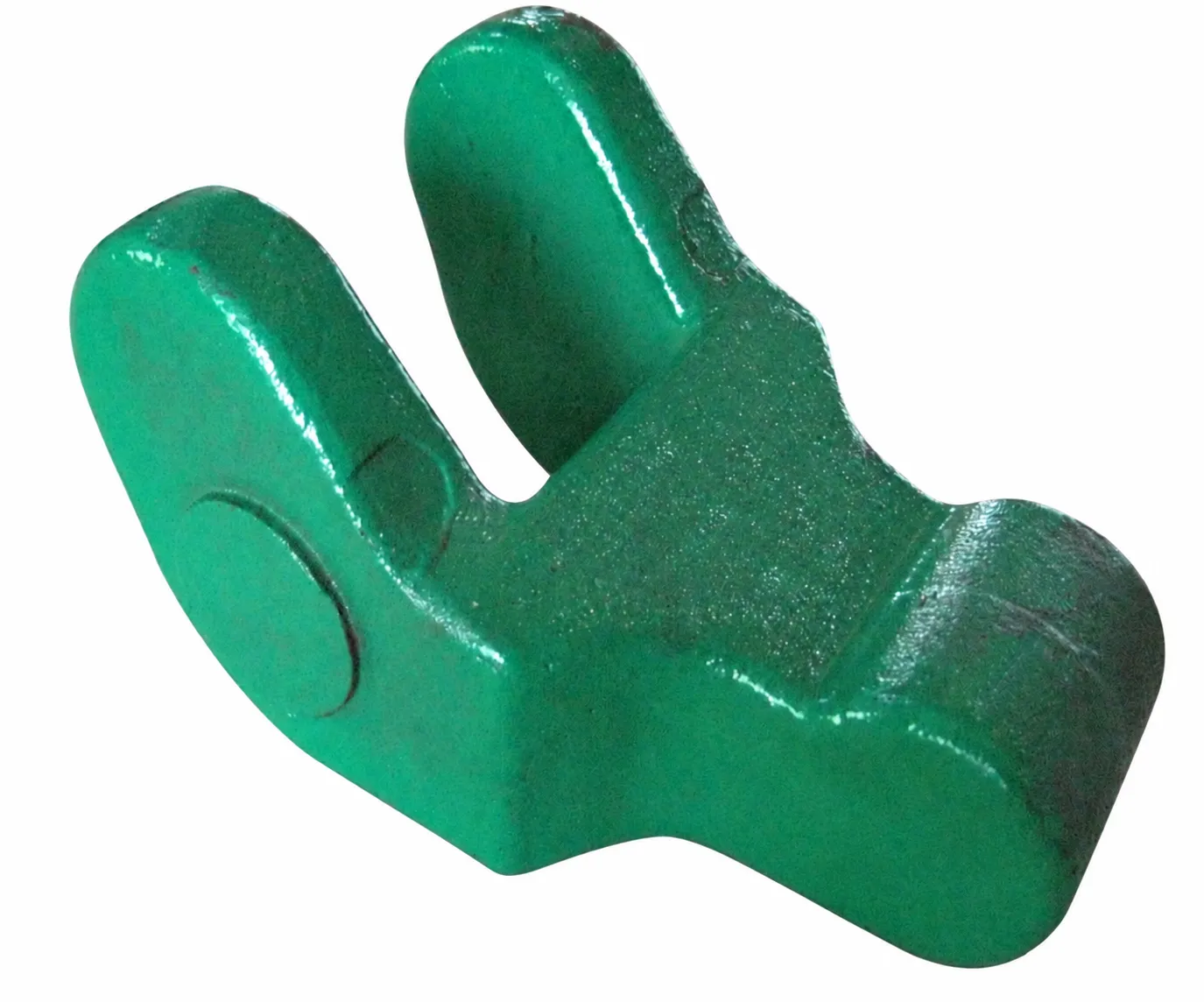
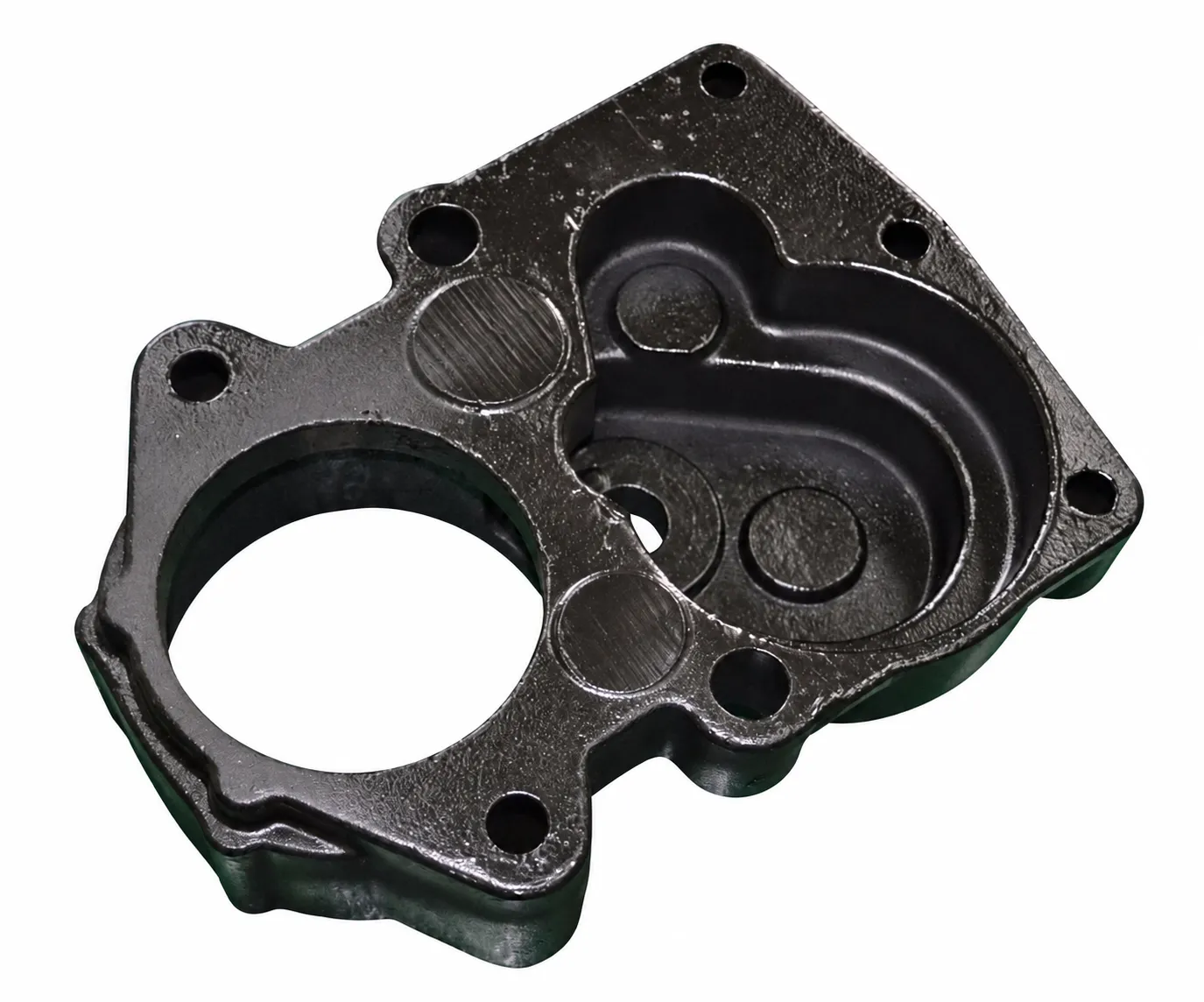
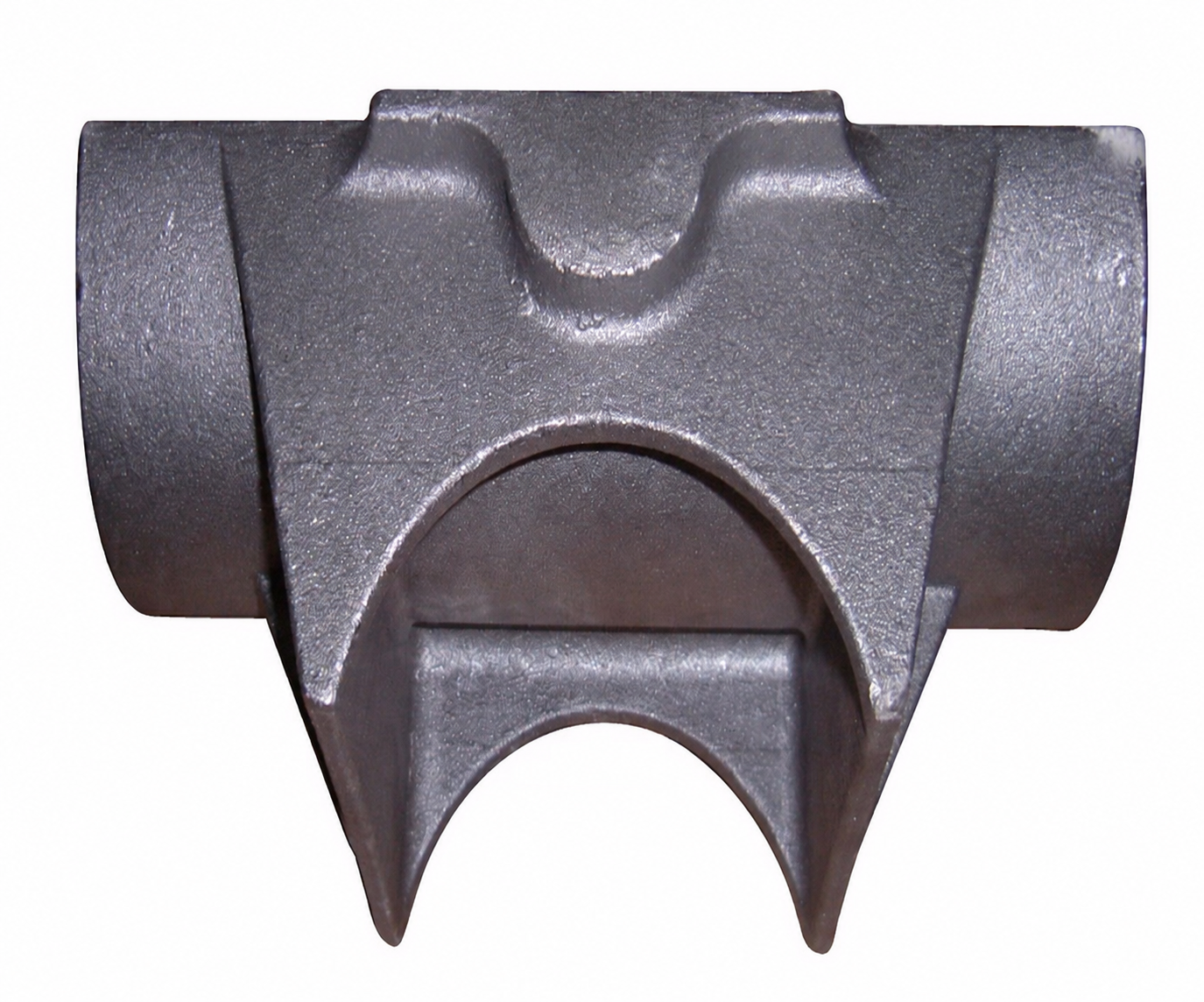
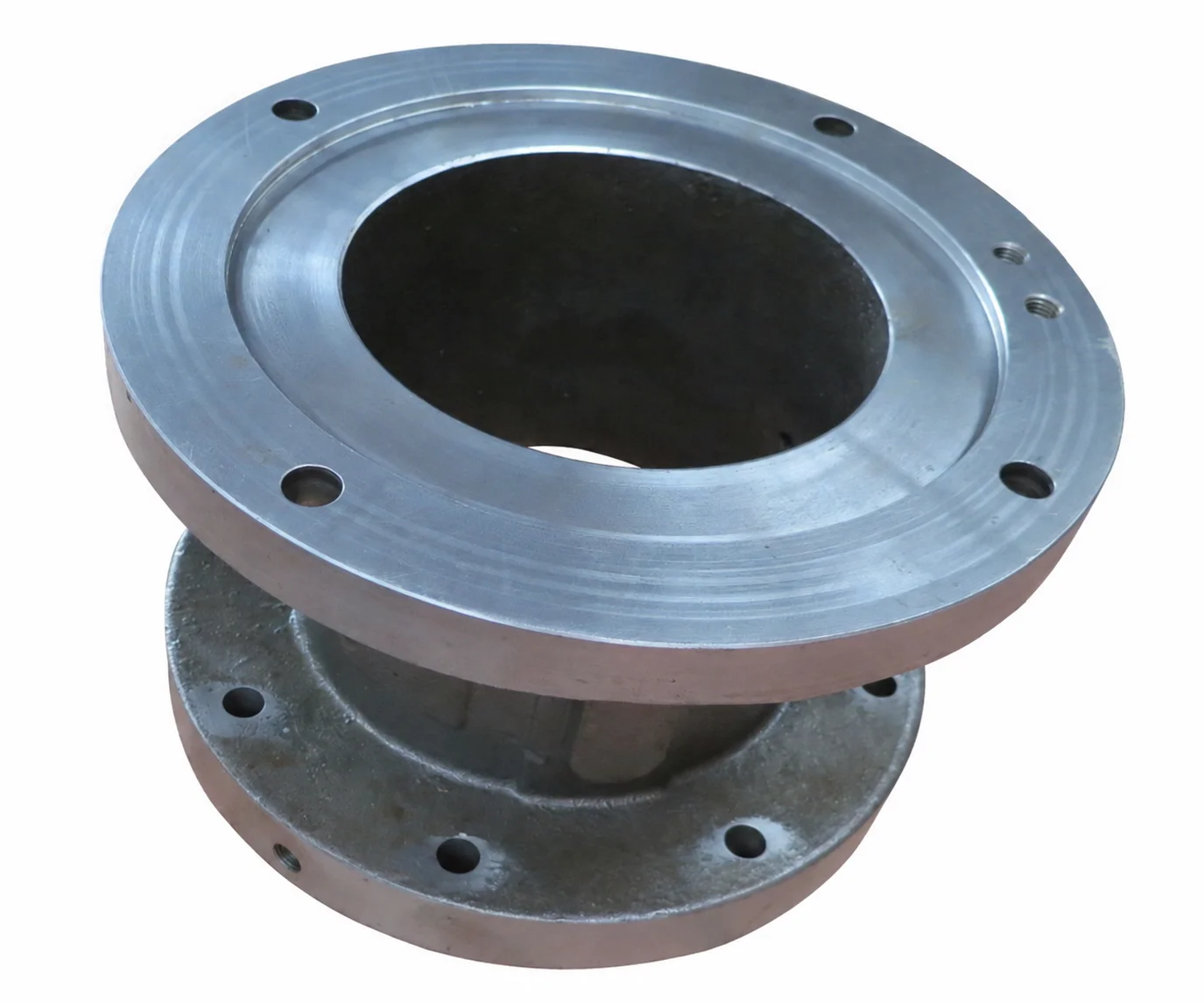
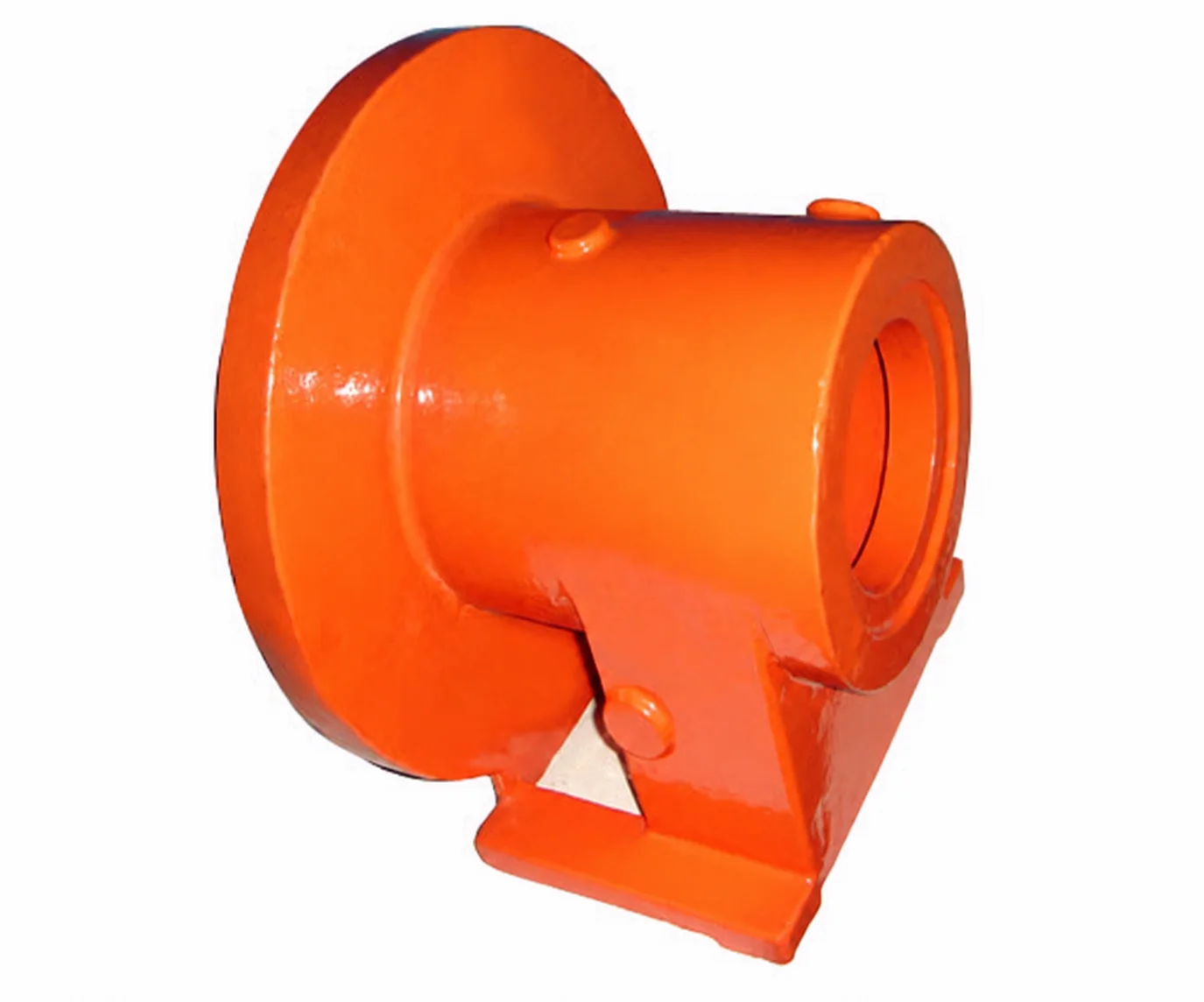
Steel investment castings combine lost-wax casting with CNC machining, quenching and tempering, shot blasting and assembly support. The foundry service provides a process chain to discuss around a defined steel component, from its cast geometry through the required machined and heat-treated condition.
Quench-and-temper and machining resources
Quenching and tempering support uses two mesh-belt furnaces. Machining resources include 50+ machining centers and 80+ CNC machines. Define the steel grade, component geometry and required condition, then confirm the applicable operations and resource allocation for the actual project rather than treating equipment counts as a project output commitment.
Shot blasting and assembly scope
Shot blasting and assembly are available after the casting and machining discussion. Identify the surfaces requiring shot blasting and define what the assembly work must include. Keep those requirements connected to the component drawing and the intended condition of the completed steel part.
Visual, gauge and other inspection requirements
Inspection includes 100% visual inspection and 100% gauge inspection. MT, UT, RT and CMM are also available inspection directions, with the applicable method and acceptance criteria selected for the component. Define the characteristics covered by each method so the inspection plan preserves the different scopes of these checks.
Standard references include ASTM, AISI, DIN, BS, JIS, NF and AS. Specify the applicable standard and grade, then agree the cast and machined dimensions, heat-treatment requirements and assembly acceptance for the proposed steel investment casting.