Stainless Steel Investment Casting and CNC Machining | Meat-Processing Machinery Lock Rings
Let’s define your requirement
Send a product link, drawing or short brief. We’ll work through the details with you.
- Confirm the specificationGrade or model, size and intended use.
- Define your orderQuantity, finish or configuration, and samples.
- Agree the quotation scopeIncluded work, key checks and delivery needs.
-
CNC Machining or NotCNC MachiningTypeBroaching, Drilling, Etching / Chemical Machining, Laser Machining, Milling, Other Machining Services, Turning, Rapid Prototyping
-
Material CapabilitiesAluminum, Brass, Bronze, Copper, Hardened Metals, Precious Metals, Stainless Steel, Steel AlloysMicro Machining or NotMicro Machining
-
NameCNC Machining Parts
-
ProcessInvestment Casting+machining+polishingPackingPoly Bag + Inner Box + Carton
-
ApplicationMeat ProcessingCasting ToleranceCT5-7
-
MaterialCustomer's RequirementKeywordCNC Milling Machining Service
-
SizeCustomized SizeCertificationISO9001-2015
-
MOQNegociated
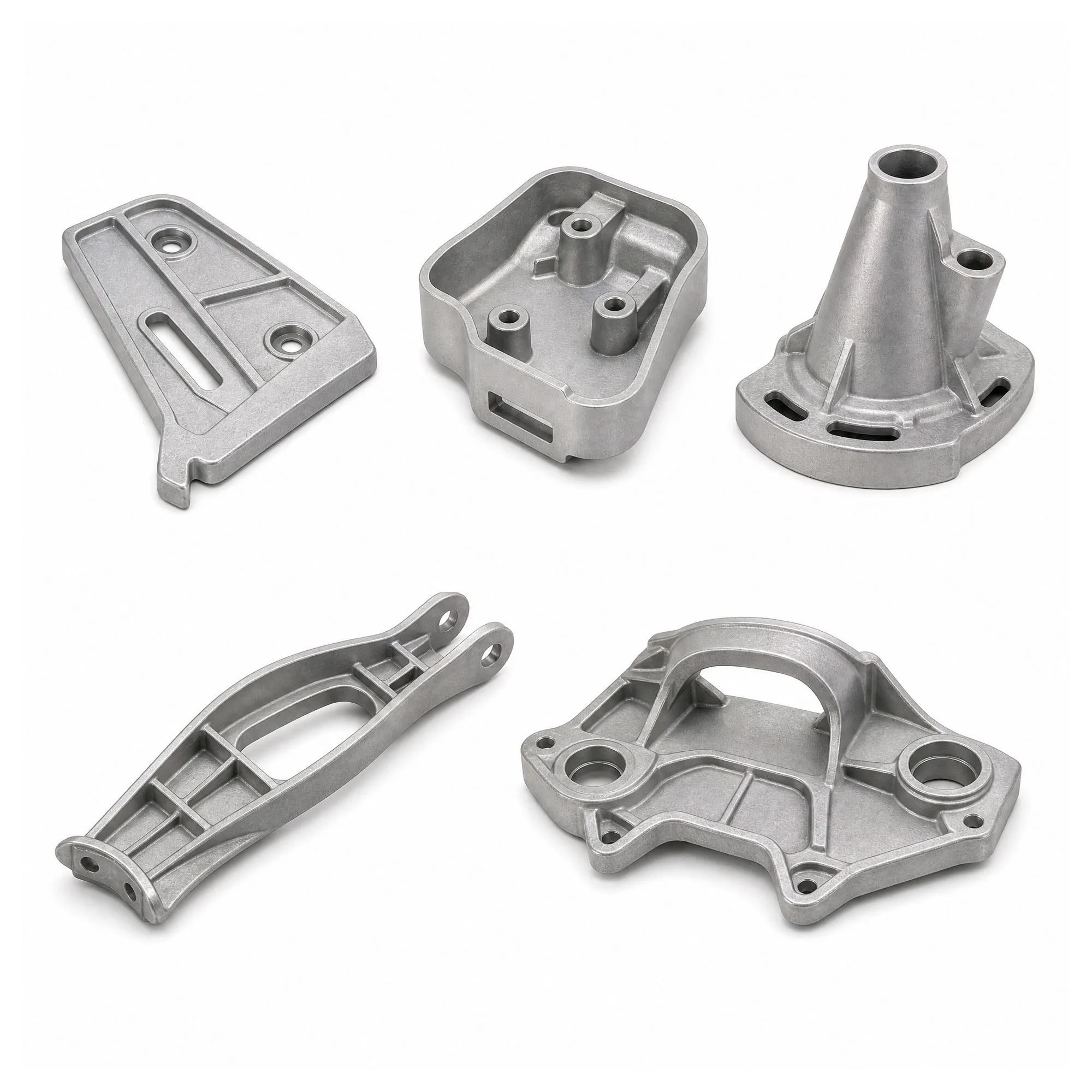
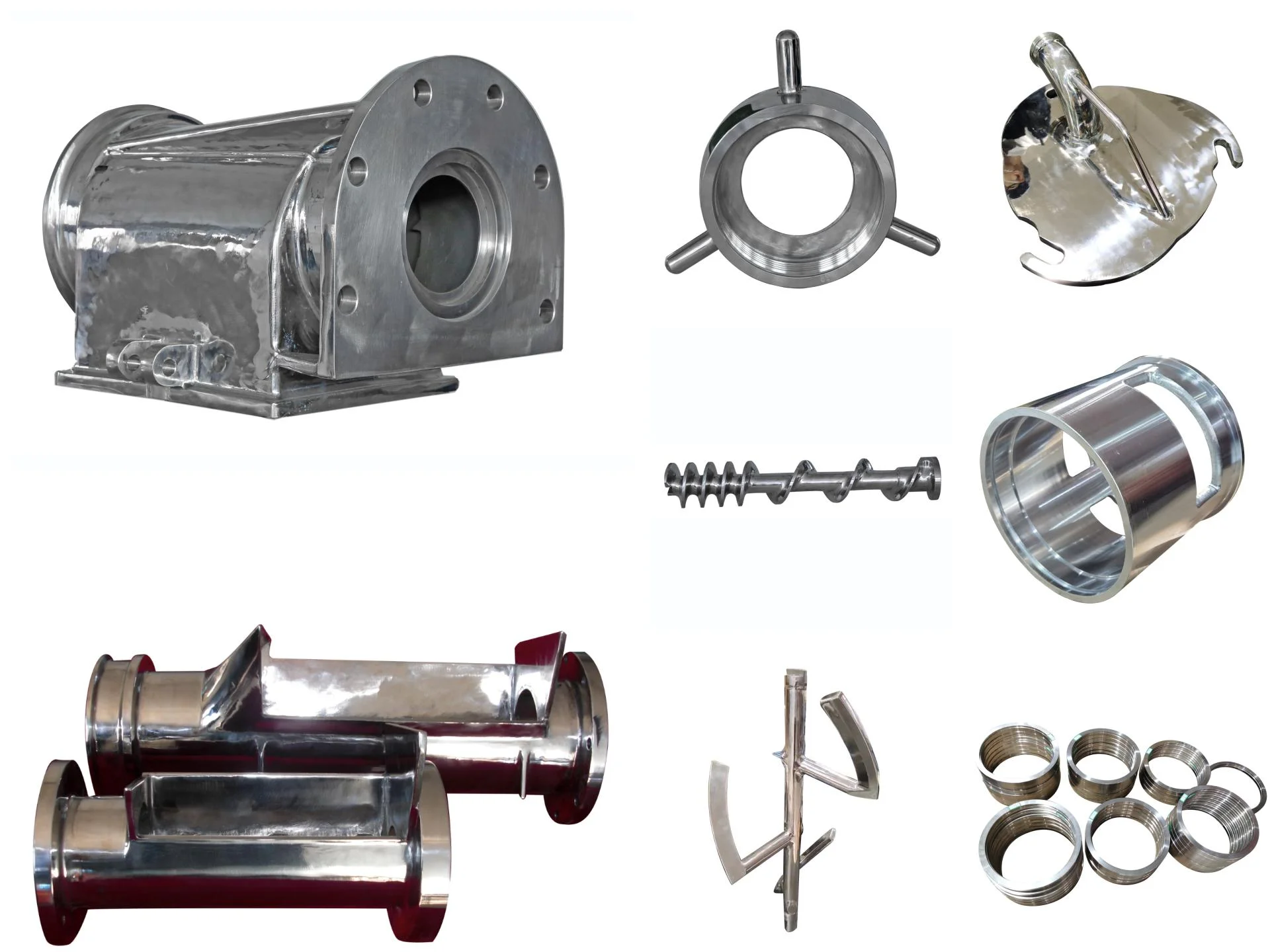
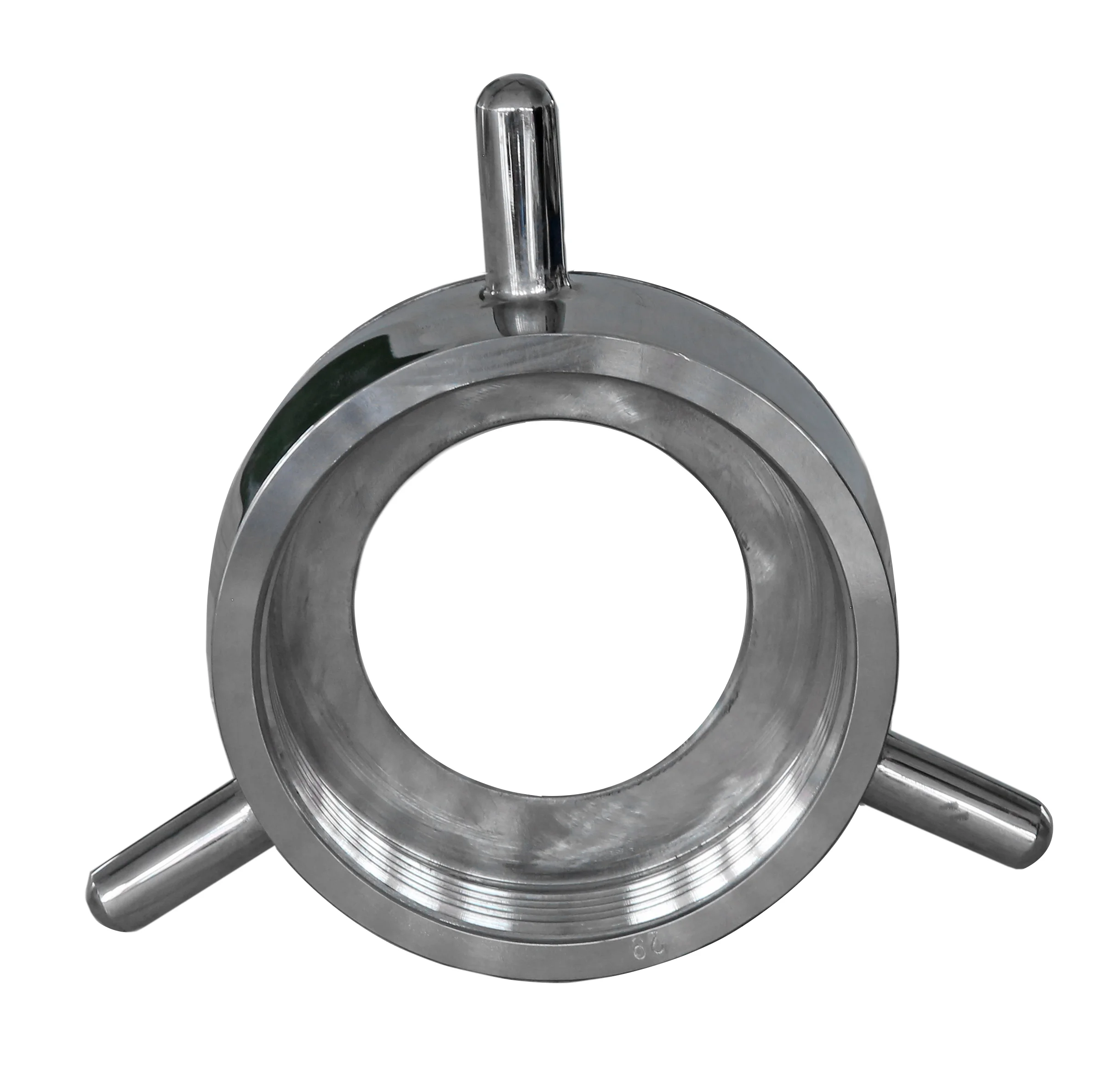
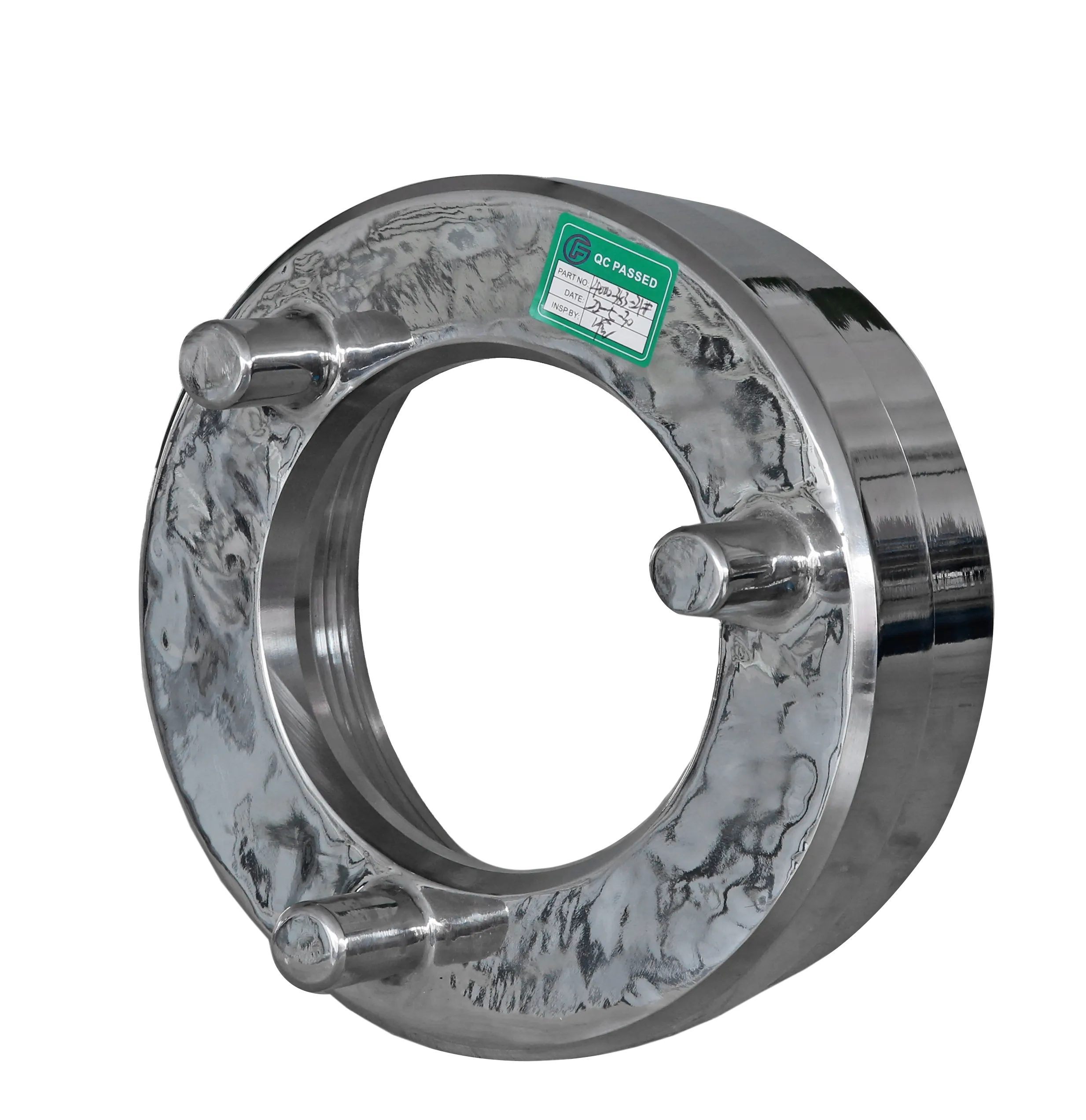
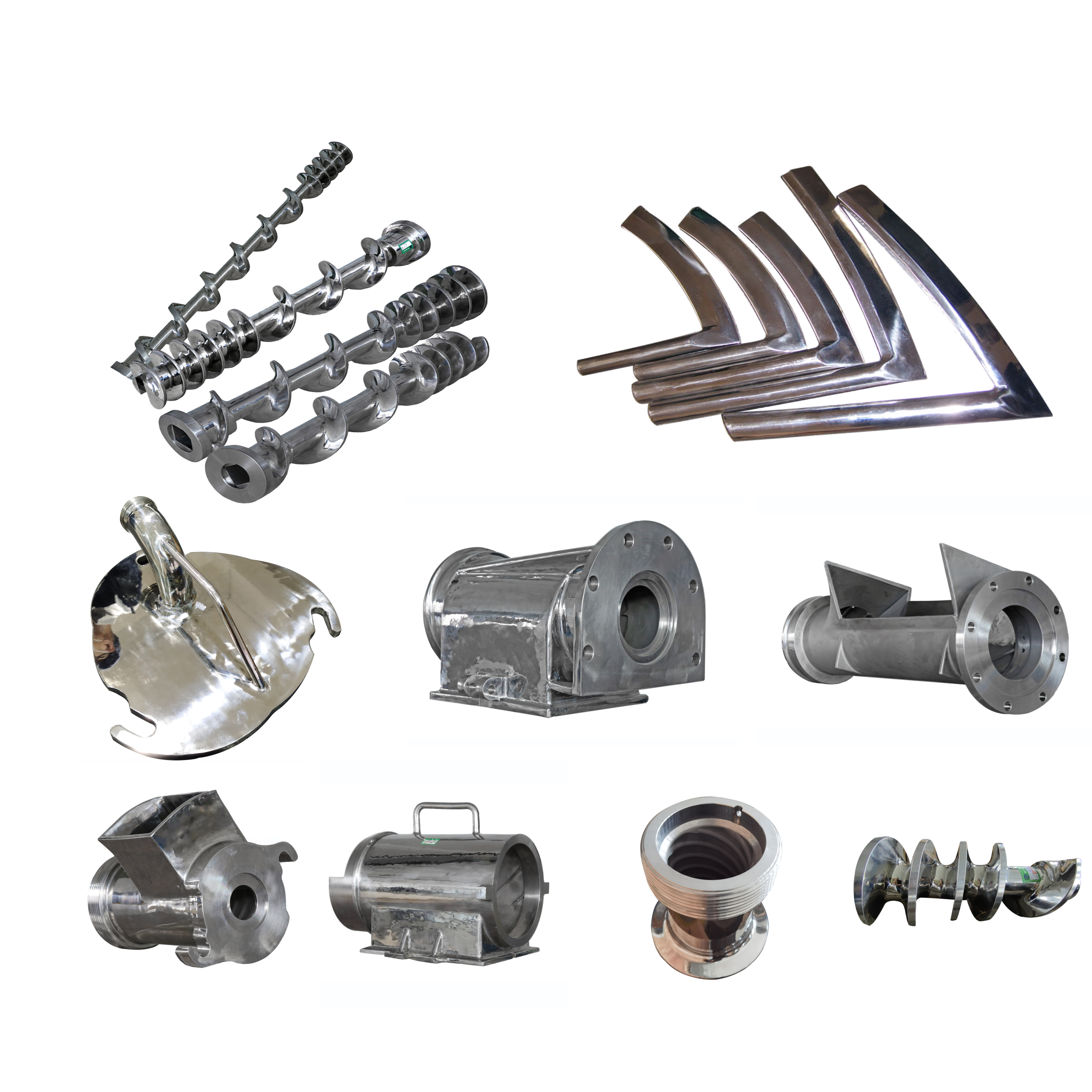
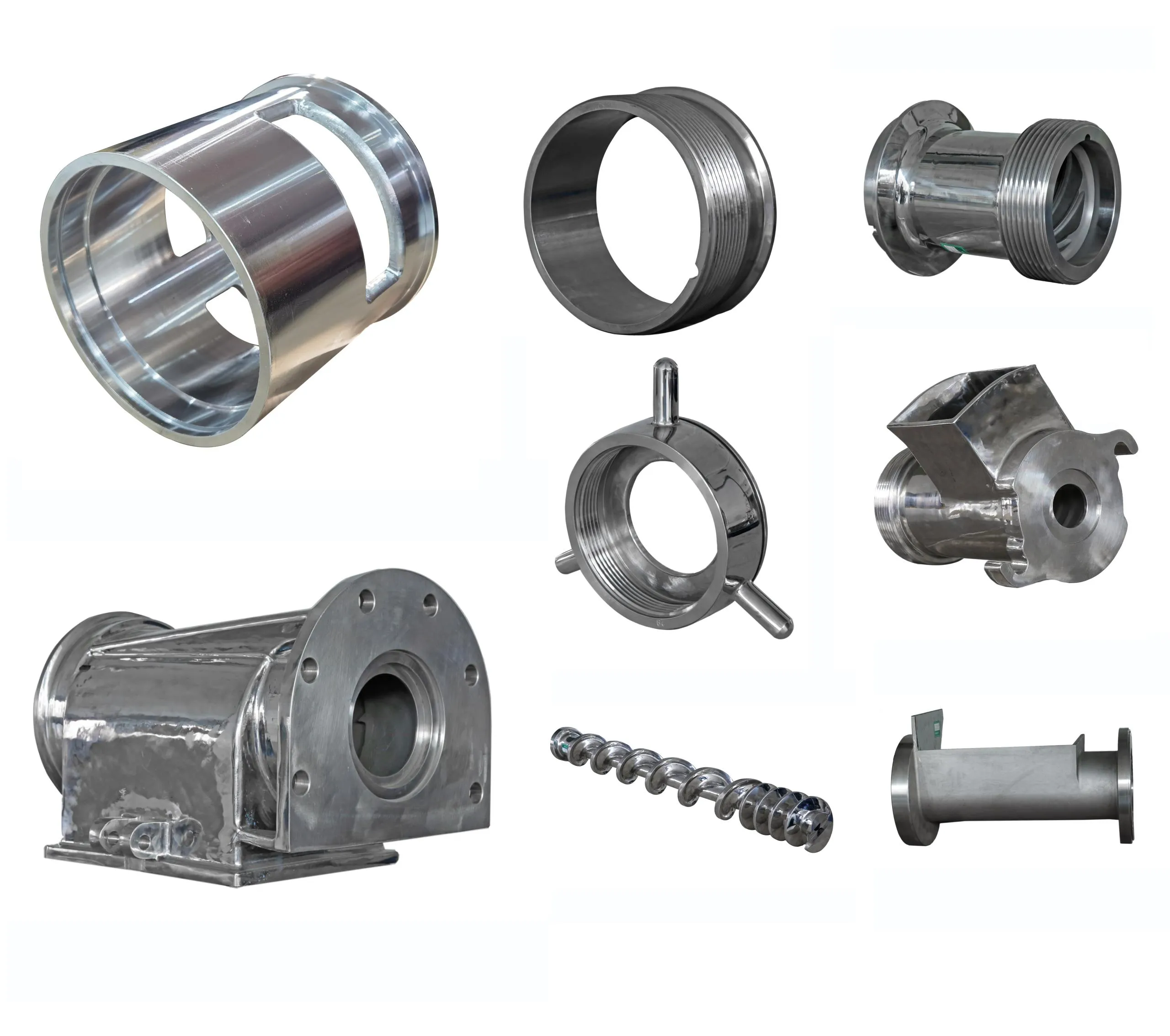
Stainless steel investment casting and CNC machining services support lock-ring components for meat-processing machinery. Casting, machining and polishing form the process direction, with CT5–7 as the casting tolerance reference. Size and material selection can follow the actual component requirements.
Lock-ring geometry and material selection
Define the lock-ring grade, shape and dimensions for the intended meat-processing machine. Material capabilities also include aluminum, brass, bronze, copper, hardened metals, precious metals and steel alloys. Select the applicable metal for the actual part and identify its service and qualification requirements alongside the geometry.
CNC, micro machining and prototype work
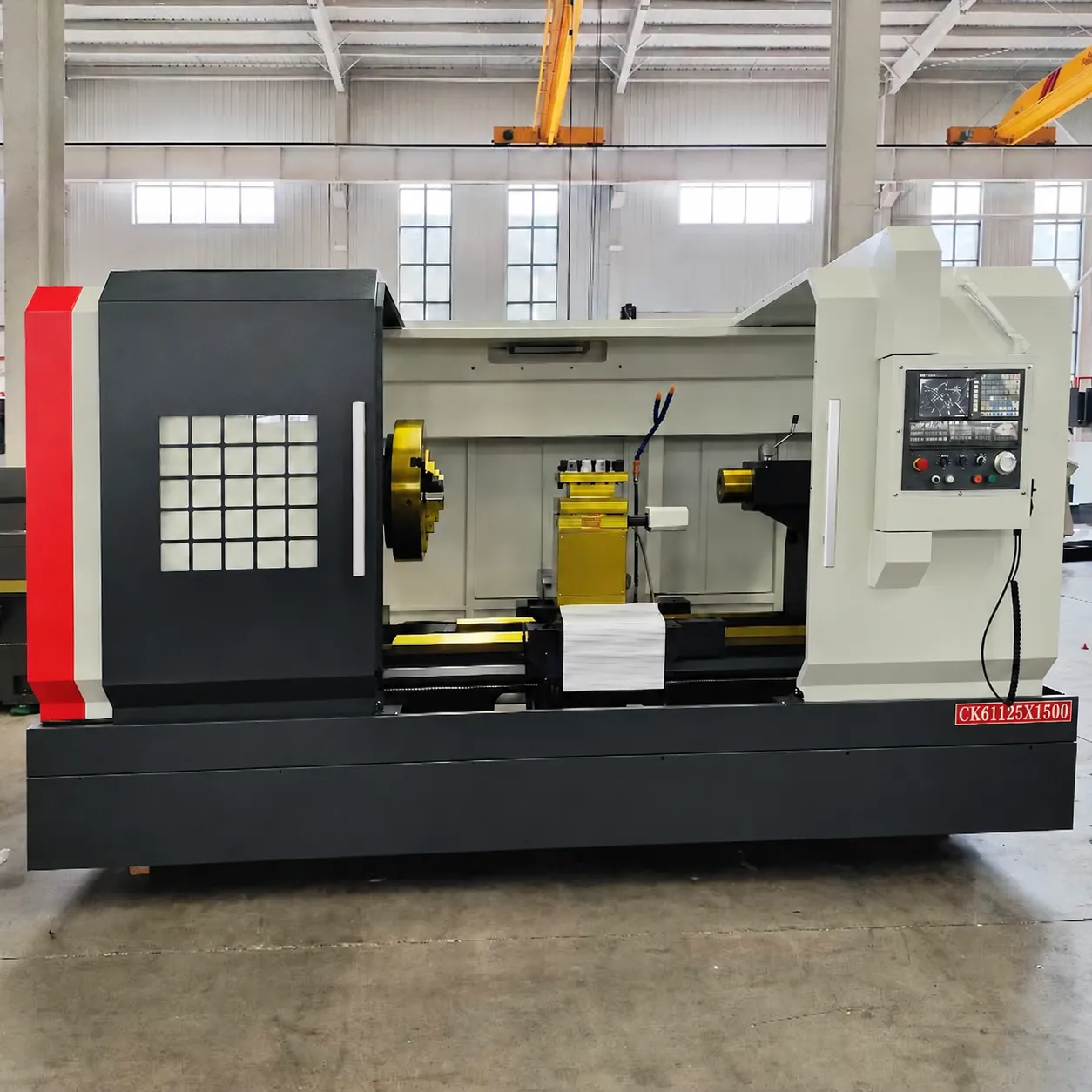
CNC and micro machining are available, including CNC milling. Other operation directions include broaching, drilling, etching or chemical machining, laser machining, turning and rapid prototyping. Identify which operations are required for the lock-ring characteristics rather than treating the full process range as a fixed sequence.
Cast dimensions and polished surfaces
Use CT5–7 as the reference for the agreed cast characteristics, while defining CNC-finished dimensions separately. Identify the surfaces that require polishing and agree their finished condition. The dimensional and surface criteria should reflect the actual component and the meat-processing application requirements that apply to it.
A useful lock-ring request combines the selected grade, component geometry, cast and machined dimensions, required operations and polished surfaces. Defining the relevant application qualification and acceptance scope at the same time gives the proposed investment casting and CNC work a clear review basis.