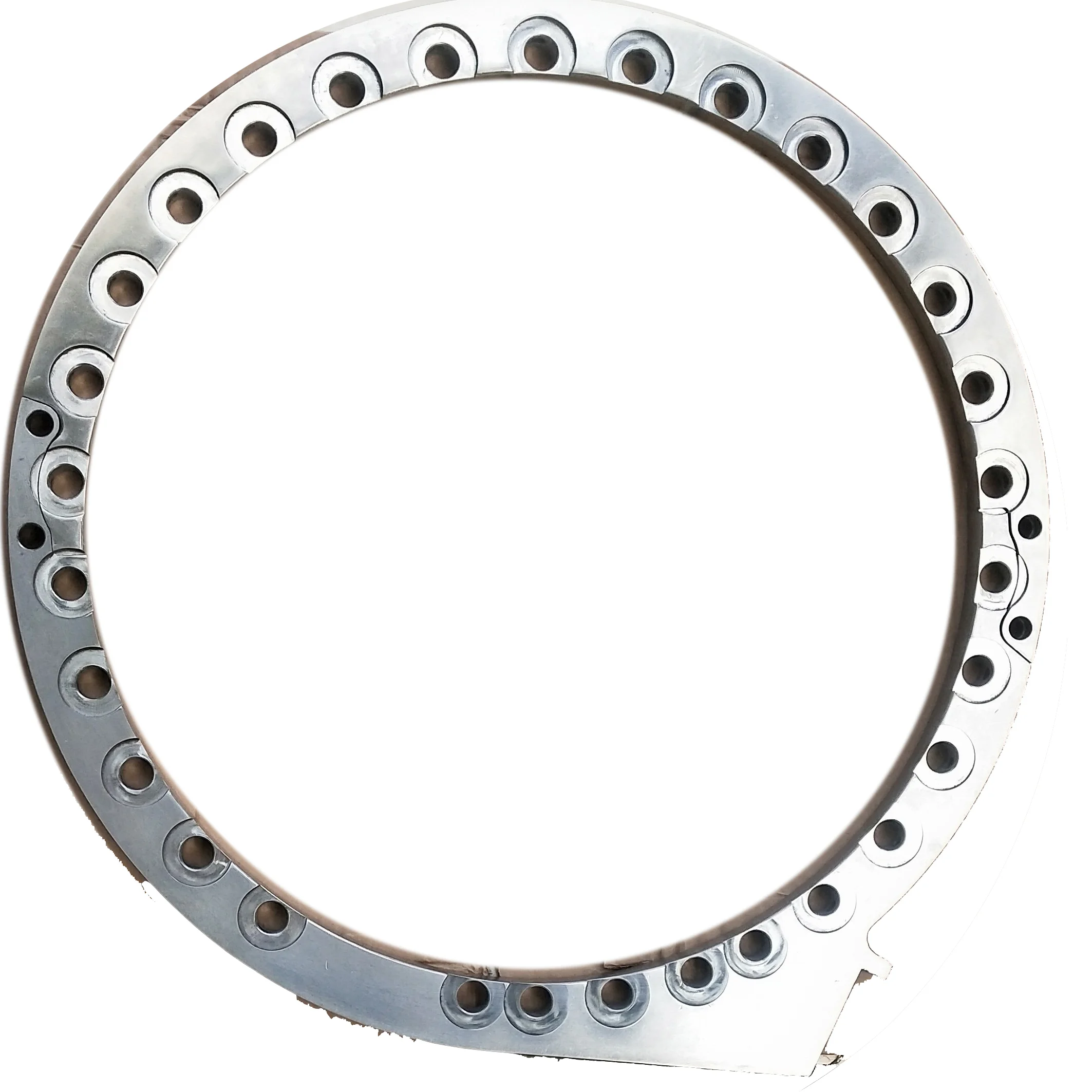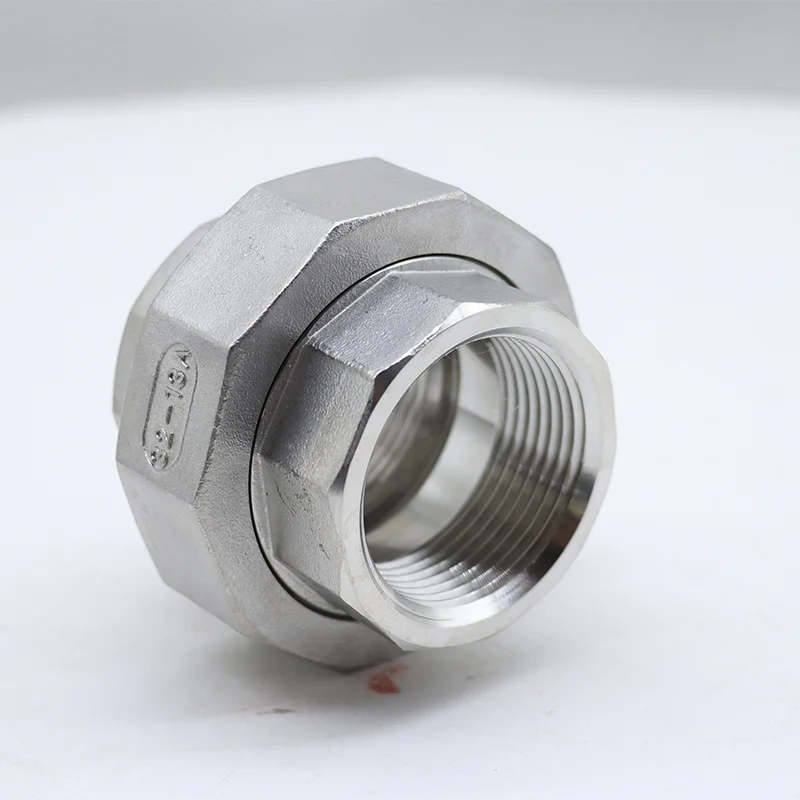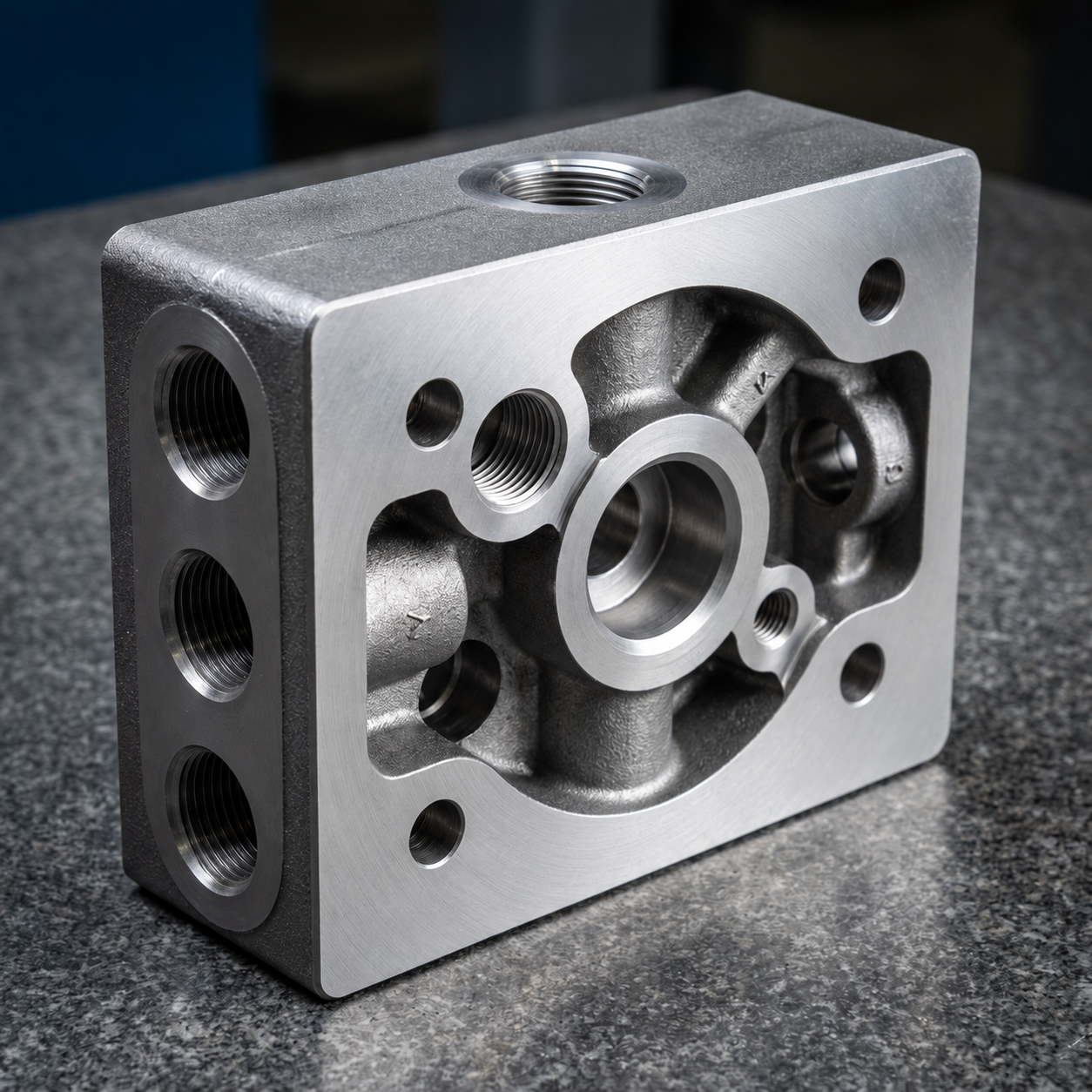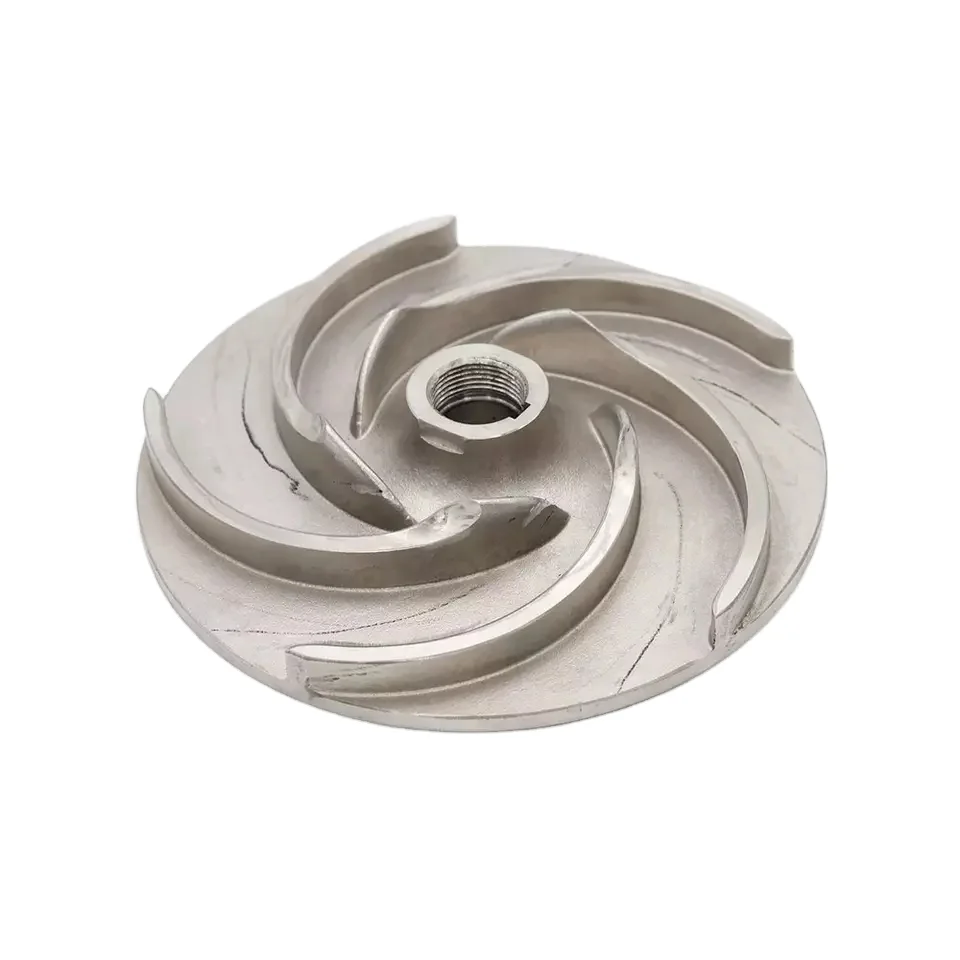
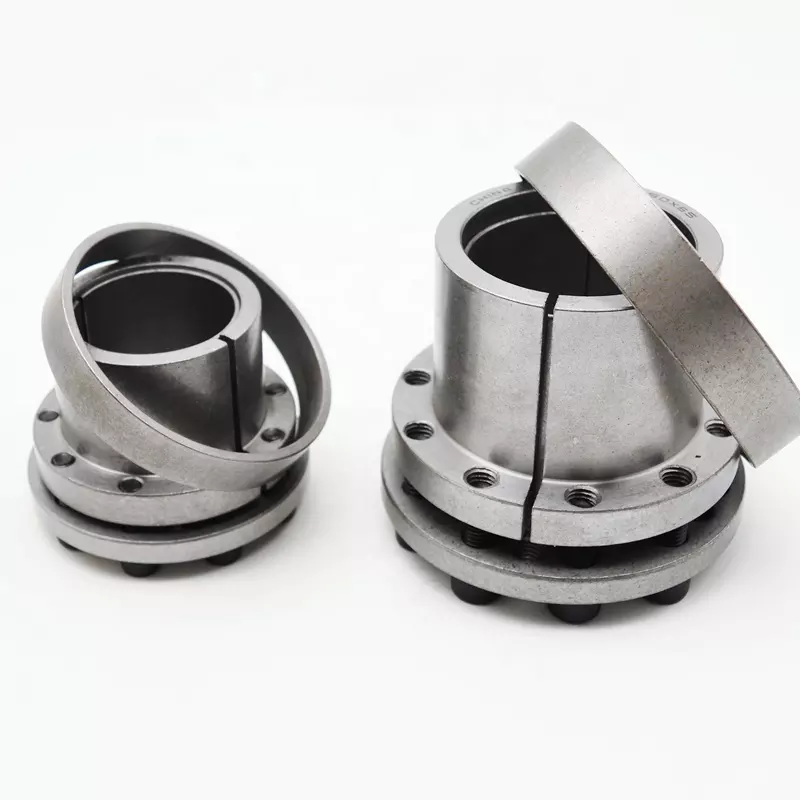
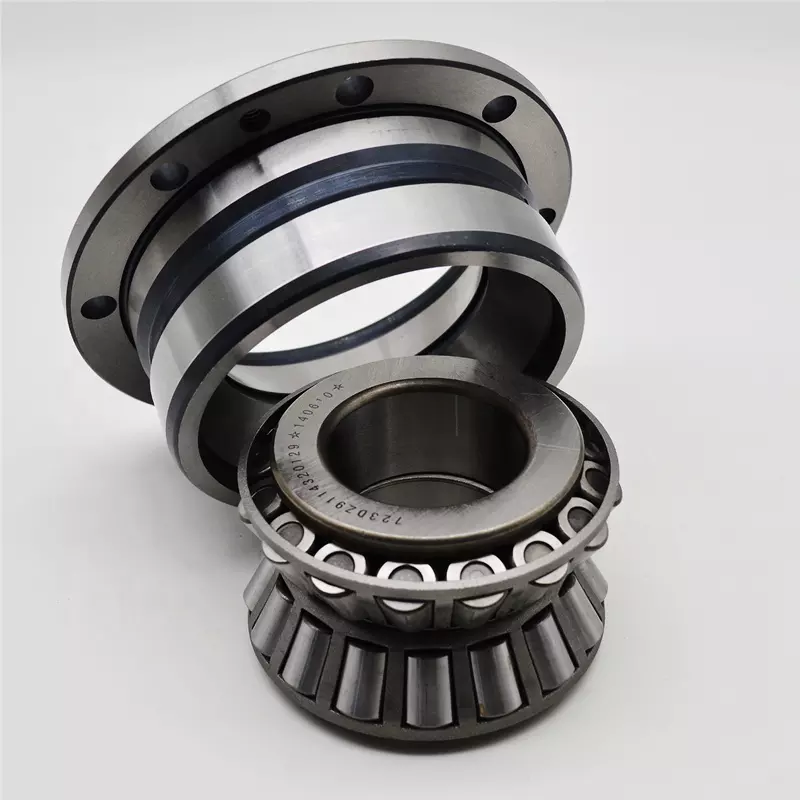
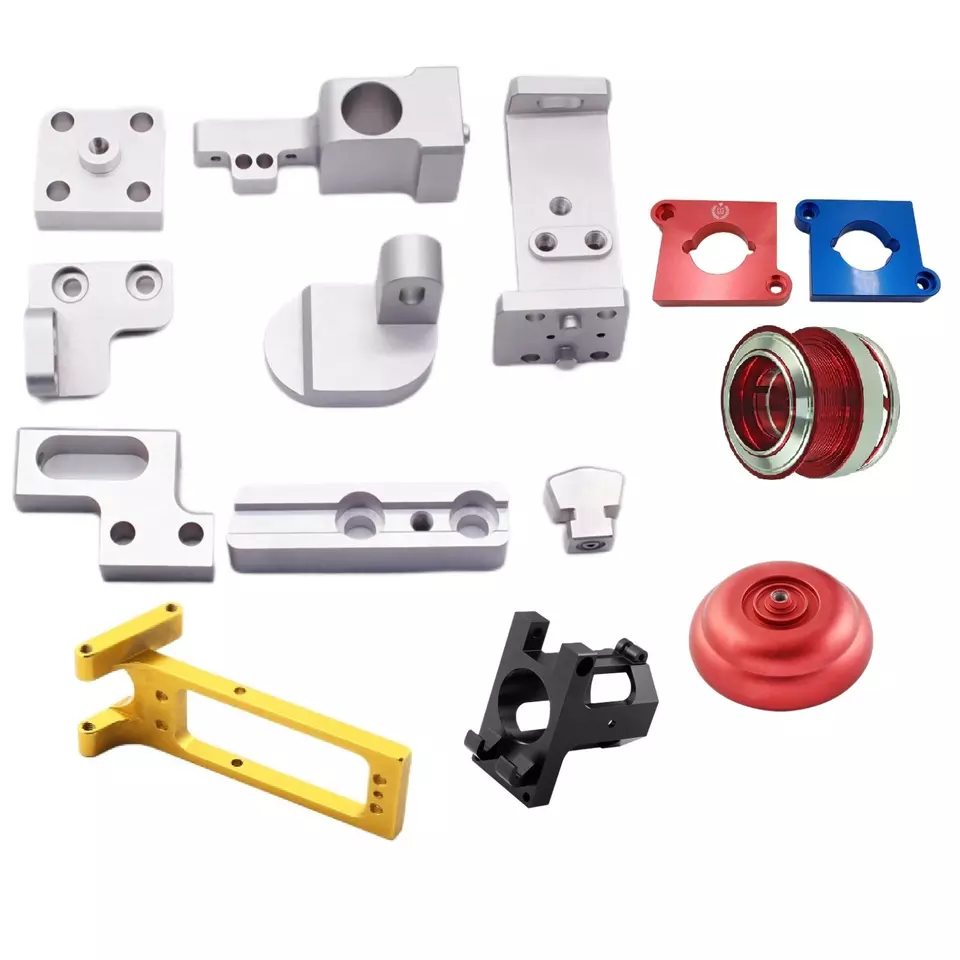
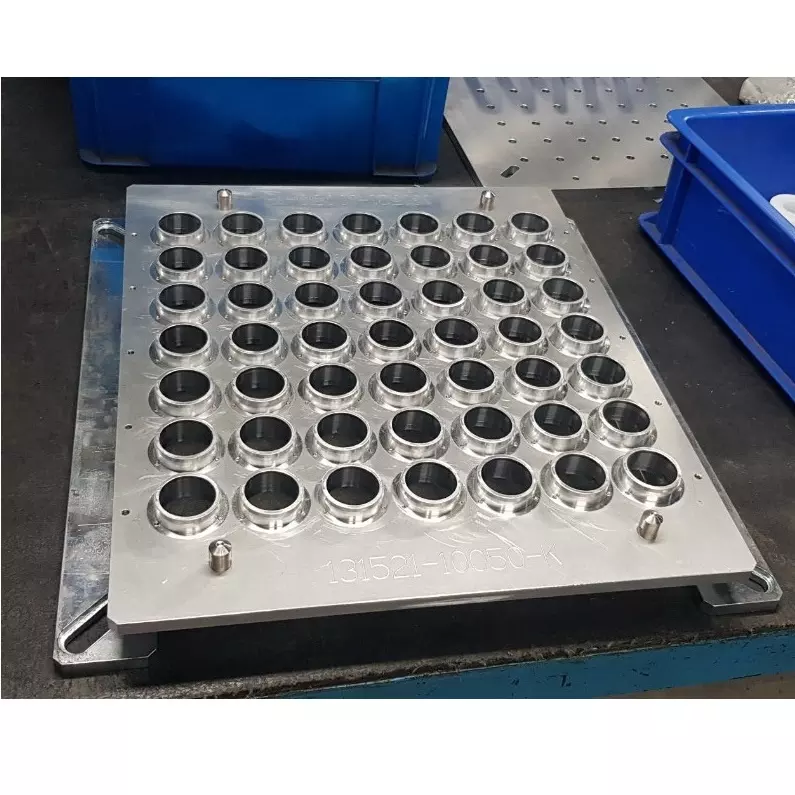
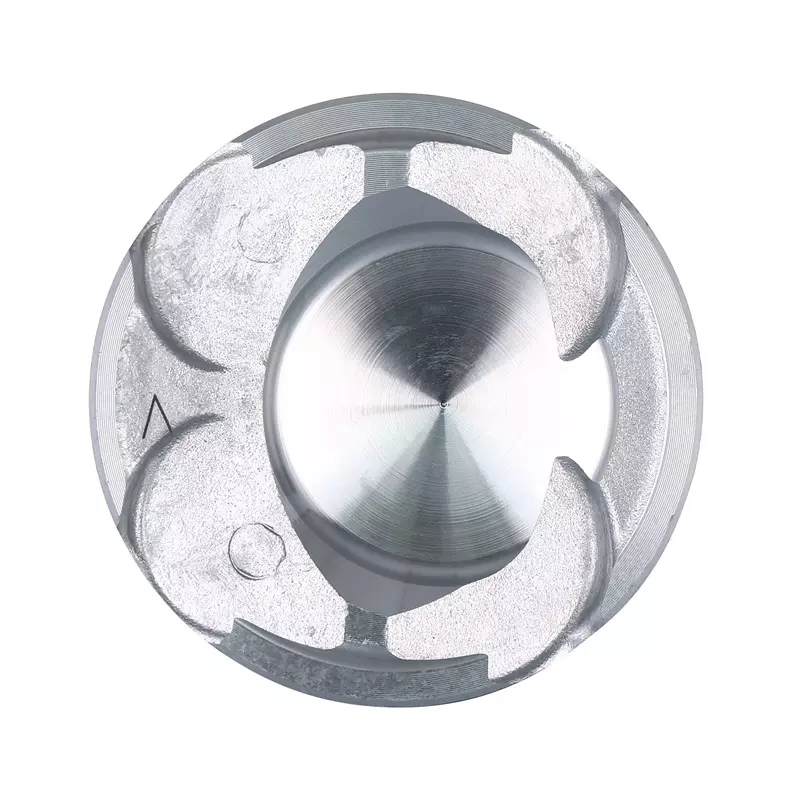
Stainless Steel/Brass Machinery Parts, Lost Wax Silica Sol Investment Casting with CNC Machining
Let’s define your requirement
Send a product link, drawing or short brief. We’ll work through the details with you.
- Confirm the specificationGrade or model, size and intended use.
- Define your orderQuantity, finish or configuration, and samples.
- Agree the quotation scopeIncluded work, key checks and delivery needs.
-
Surface FinishPowder Coated , Polished
-
CNC Machining or NotCNC MachiningTypeOther Machining Services
-
Material CapabilitiesAluminum, Brass, Stainless SteelMicro Machining or NotNot Micro Machining
-
Part NameInvestment casting
-
MaterialSteel, Brass, Aluminum, Stainless Steel, Gray Iron, Magnesium, etcSurfaceBurr Free, Electrolytic Polishing, Anodizing, Powder Coating, etc
-
ProcessCNC Machining, Turning, Die Casting, Investment Casting, etcApplicationAuto Parts, Precision instrument, Electrical Appliances, etc
Stainless-steel and brass machinery parts can be discussed through lost wax and silica-sol investment casting with CNC machining. Choose the actual metal grade and component geometry, then define the working details and accepted finish. These choices establish the manufacturing scope for the requested machinery part.
Machining scope and material choice
Aluminum, steel, gray iron and magnesium are broader material directions alongside brass and stainless steel. CNC machining and turning, die casting and investment casting are process directions. Match the selected route to the actual material and drawing. The machining service is identified as not micro machining.
Surface treatment for the component
Burr-free parts, electrolytic polishing, anodizing and powder coating are surface directions. Select the treatment for the chosen metal and agree the areas to be treated. Define the required appearance and surface acceptance for the component. The enquiry should identify which working details are machined and which require the selected finishing operation.
Application and working requirements
Automotive parts, precision instruments and electrical appliances are additional named applications. Identify the actual use and service conditions for the requested part. Its drawing should define the relevant interfaces, dimensions and finished geometry, with the inspection characteristics agreed for those requirements.
Manufacturing enquiry definition
Bring the grade and drawing together with the selected casting, CNC or turning operations. State the dimensional and surface criteria that will be used to accept the part. Agree the manufacturing and finishing scope for that component rather than applying a process menu to every metal.