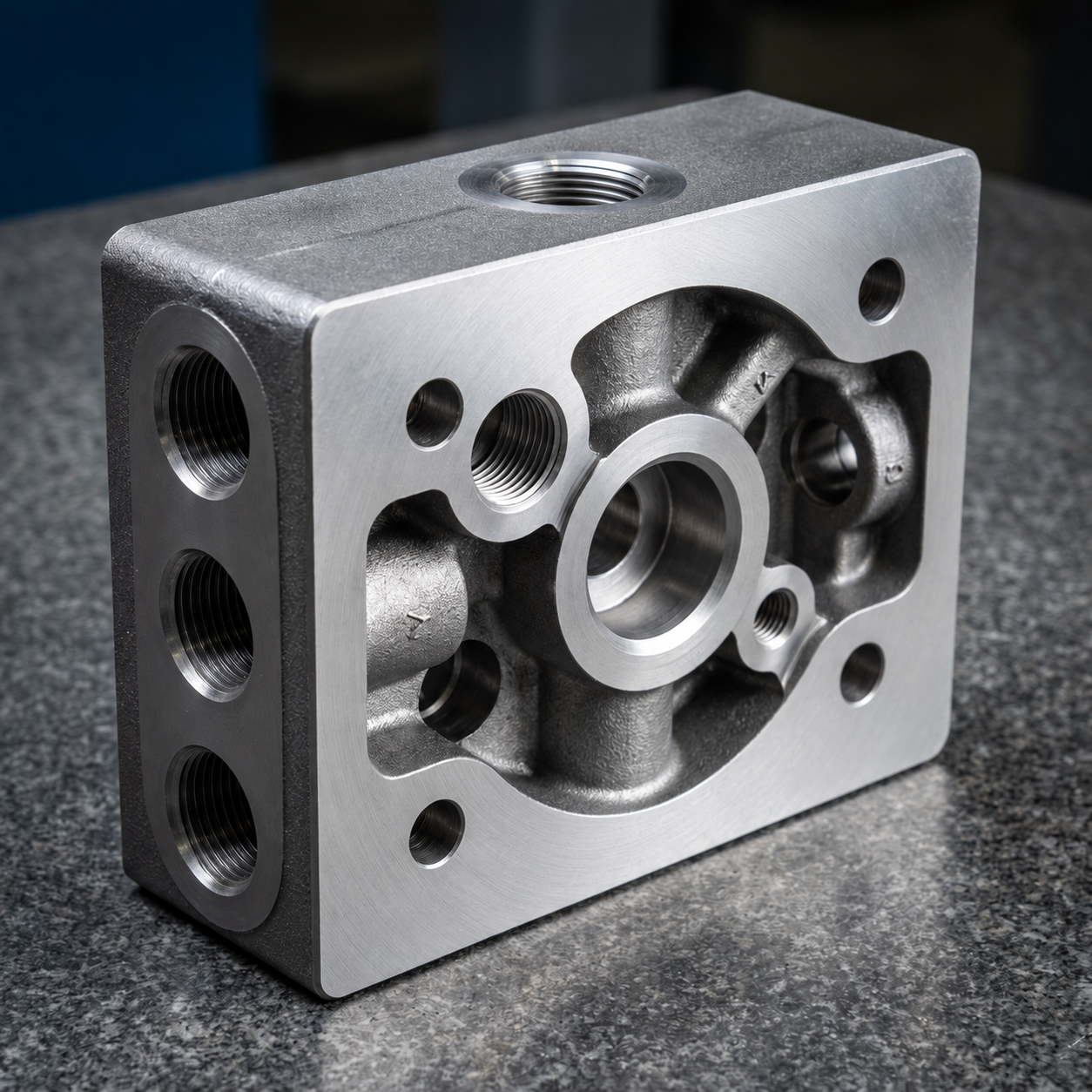
Small-Quantity OEM/ODM Aluminum Alloy Lost Wax Precision Castings and CNC Machining
Let’s define your requirement
Send a product link, drawing or short brief. We’ll work through the details with you.
- Confirm the specificationGrade or model, size and intended use.
- Define your orderQuantity, finish or configuration, and samples.
- Agree the quotation scopeIncluded work, key checks and delivery needs.
-
Surface FinishPainted , Powder Coated
-
ServiceOEM ODM
-
Product nameCasting PartsMaterialAluminum, brass, stainless steel
-
ApplicationIndustry Machinery, Automotive, ElectricityTesting facilityPneumatic Testing Machine, Pressure Pulse Tester
-
Surface treatmentPainting, powder coatingQuality ControlPFMEA, PPAP, APQP, Control Plan, MSA
-
Machining tolerance+/-0.005mm, ISO2768-mkCertificateISO 9001
Small-quantity OEM/ODM casting enquiries focus on aluminum alloy, with brass and stainless steel alternatives. Lost wax precision casting and CNC machining support industrial machinery, automotive and electrical component projects, with painting and powder coating as surface-treatment choices.
Assign the machining requirements by dimension
Machining references include ±0.005 mm and ISO2768-mk. Identify the dimensions using the specific tolerance and those governed by the general dimensional reference, then agree the applicable acceptance on the drawing. Select the material grade and critical interfaces with the intended duty in view, keeping cast geometry and final CNC requirements distinct.
Choose a test plan for the actual part
Testing resources include a pneumatic testing machine and a pressure pulse tester. Define the conditions, objects and acceptance criteria needed for the selected component rather than treating equipment availability as a finished-part pressure rating. Agree the inspection and test records required for the actual industrial, automotive or electrical application.
Connect quality planning to project acceptance
PFMEA, PPAP, APQP, Control Plan and MSA are available quality-planning support areas. Review the relevant ISO9001 quality-system scope and agree which documentation the project requires. Keep the selected material, machining acceptance and test plan connected to those quality requirements during component approval.
Finish the custom component consistently
Choose painting or powder coating for the selected design and identify the surfaces receiving it. Agree the final appearance and dimensional criteria, including any treated interface that affects fit or function. The custom enquiry should connect the actual grade, geometry, manufacturing route and finished inspection requirements, so the small-quantity project is reviewed against one clear component definition.