
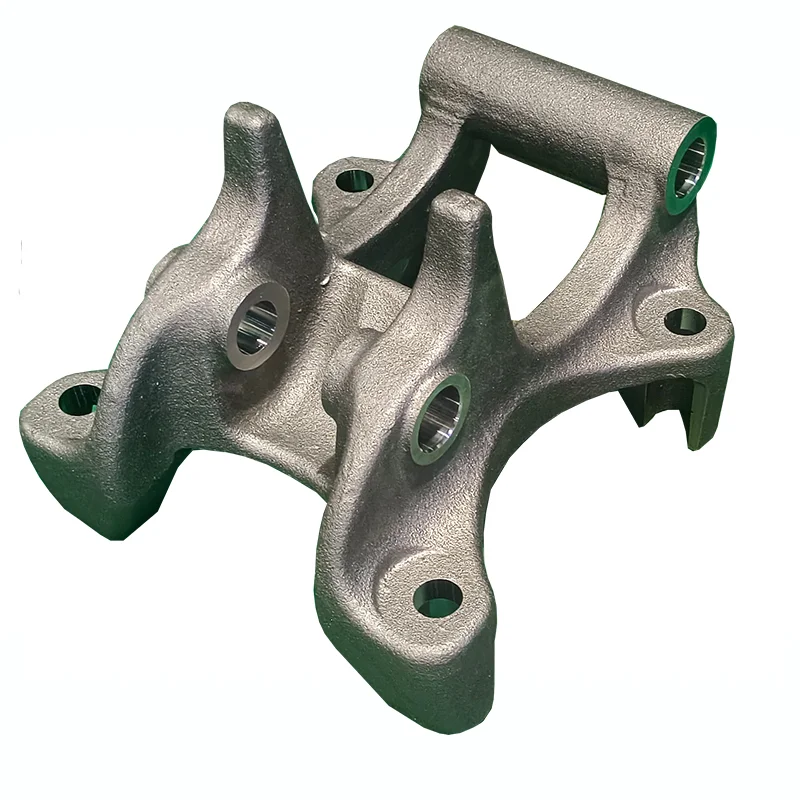
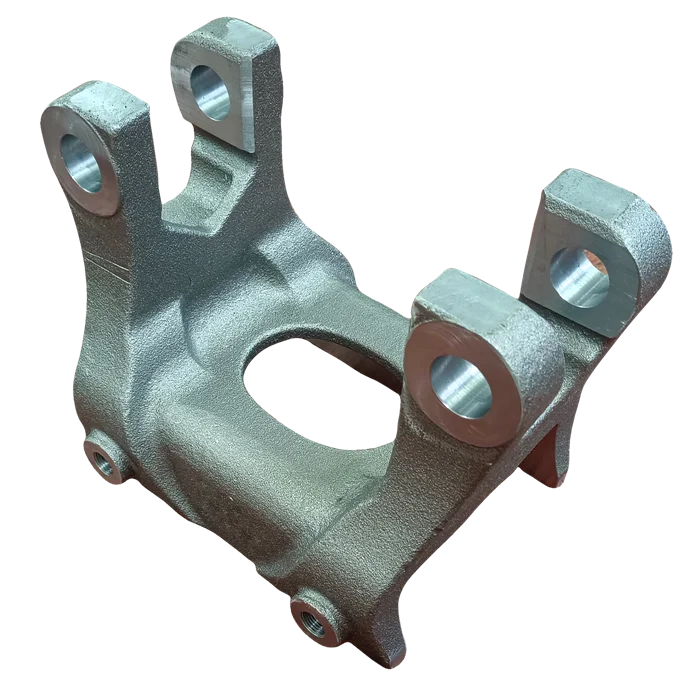
Precision Steel Machining and Casting Parts | Lost-Wax Investment, Heat Treatment and Assembly
Let’s define your requirement
Send a product link, drawing or short brief. We’ll work through the details with you.
- Confirm the specificationGrade or model, size and intended use.
- Define your orderQuantity, finish or configuration, and samples.
- Agree the quotation scopeIncluded work, key checks and delivery needs.
-
Surface FinishShot Blasted
-
MaterialSteel
-
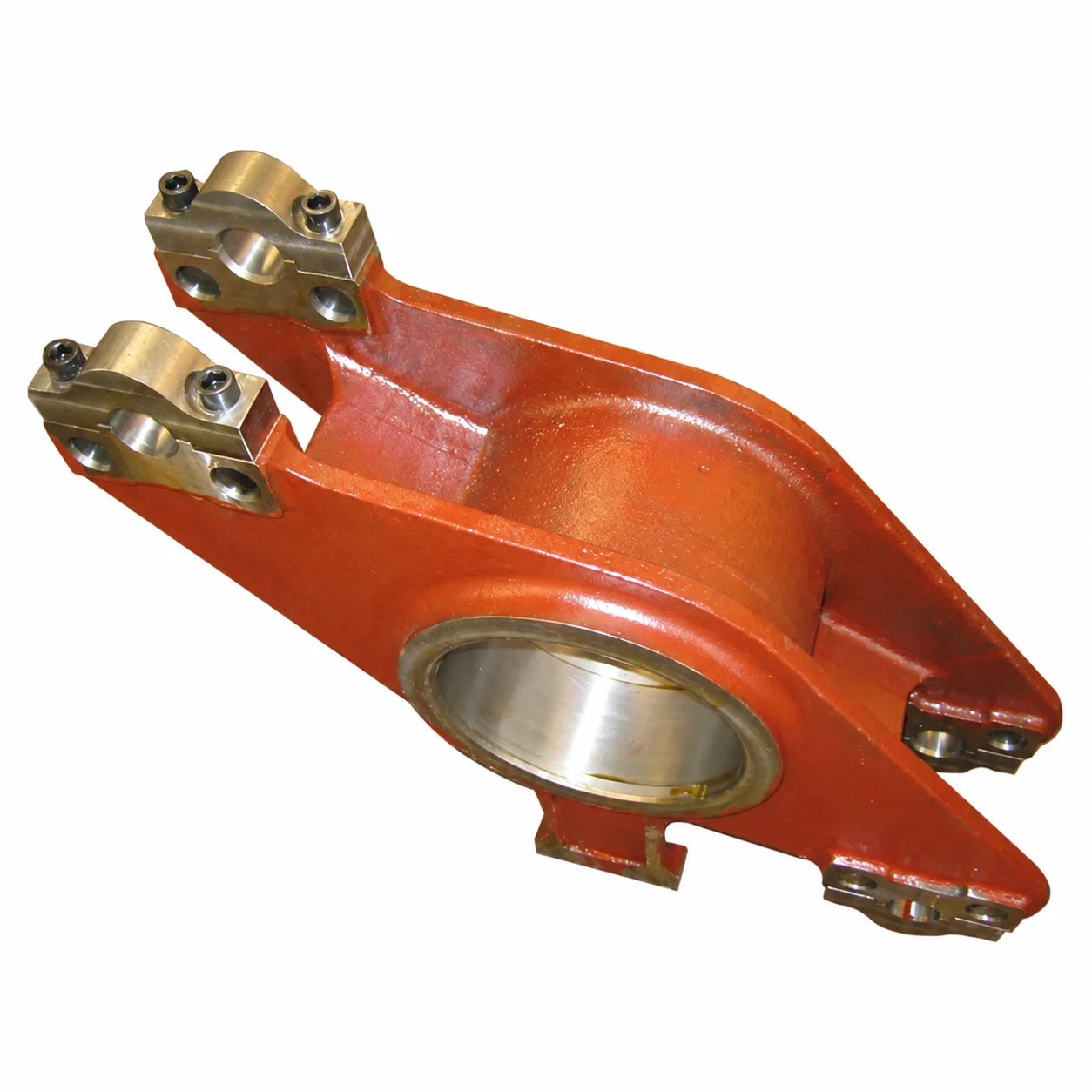
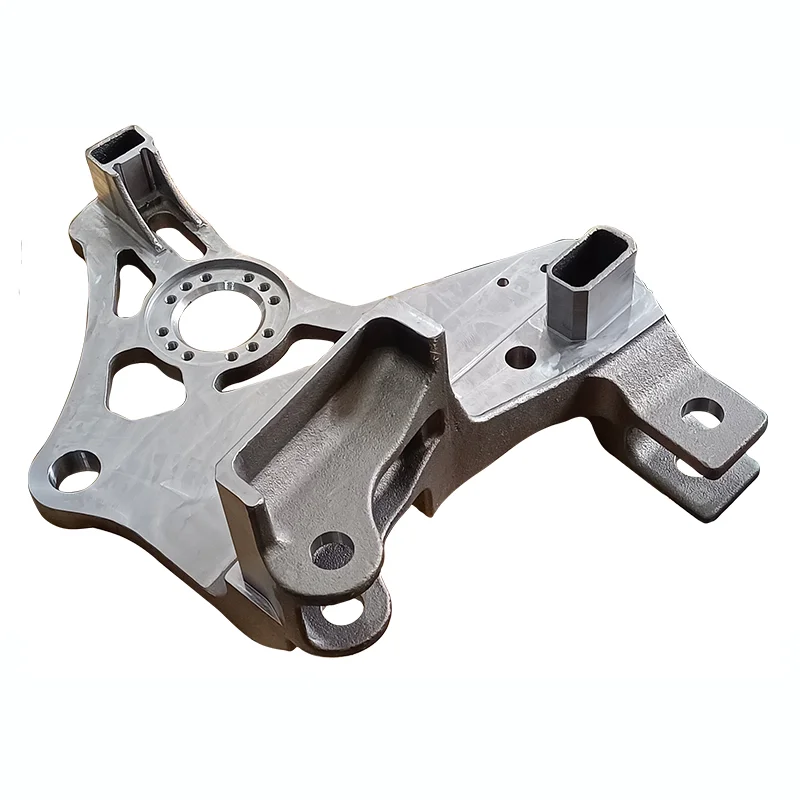
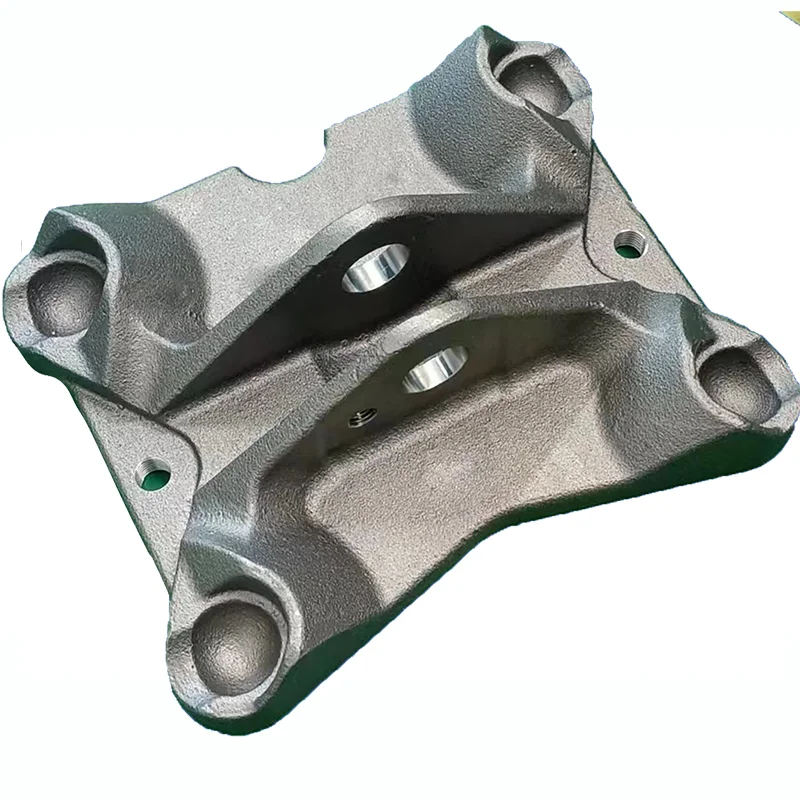
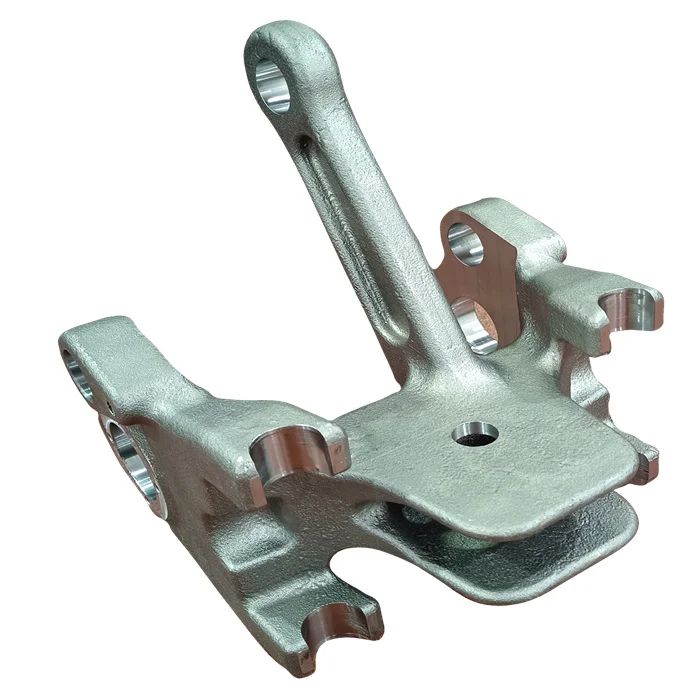
NameChina Precision Machining Casting PartsKeywordsmachining casting parts
-
ProcessLost wax investment casting+CNC machinedHeat TreatmentQuench and temper by 2 set mesh belt furnaces
-
Surface TreatmentShot blasting+AssemblingMachining Facility50+ Machining centers,80+ CNC machines
-
InspectionMT/UT/RT/100% visual+100%gage/CMMStandardASTM. AISI. DIN. BS. JIS. NF. AS.
-
CertificationIATF16949/ISO14001
Define a steel part through the condition in which it needs to be accepted. Precision casting and CNC machining are supported by quenching, tempering, shot blasting and assembly, with the manufacturing scope agreed for the component.
Start with the acceptance the component requires
Identify the steel grade, finished geometry and the features that need dimensional checks. Inspection support covers MT/UT/RT, visual and gauge inspection at 100%, and CMM. Agree the relevant methods and criteria for the part so the inspection request addresses its actual geometry and duty.
Connect the manufacturing stages to the drawing
Lost-wax investment casting provides the casting route, followed by the required CNC work. Machining resources comprise 50+ centers and 80+ CNC machines, while two mesh-belt furnaces support quenching and tempering. Set the work required at each stage together with its acceptance.
- Define the steel grade and cast-part geometry.
- Identify the features requiring CNC machining.
- Set the quench-and-temper condition needed for the component.
- Agree shot blasting and the assembly scope.
Choose the complete standard and quality scope
ASTM, AISI, DIN, BS, JIS, NF and AS are standard directions for the material enquiry. Select the complete standard specification and grade that should govern the part. IATF16949 and ISO14001 are certification references whose relevant scope should be established alongside the drawing, heat-treatment requirements and inspection agreement. Identify which inspection records are needed for the selected component and its governing material specification.








