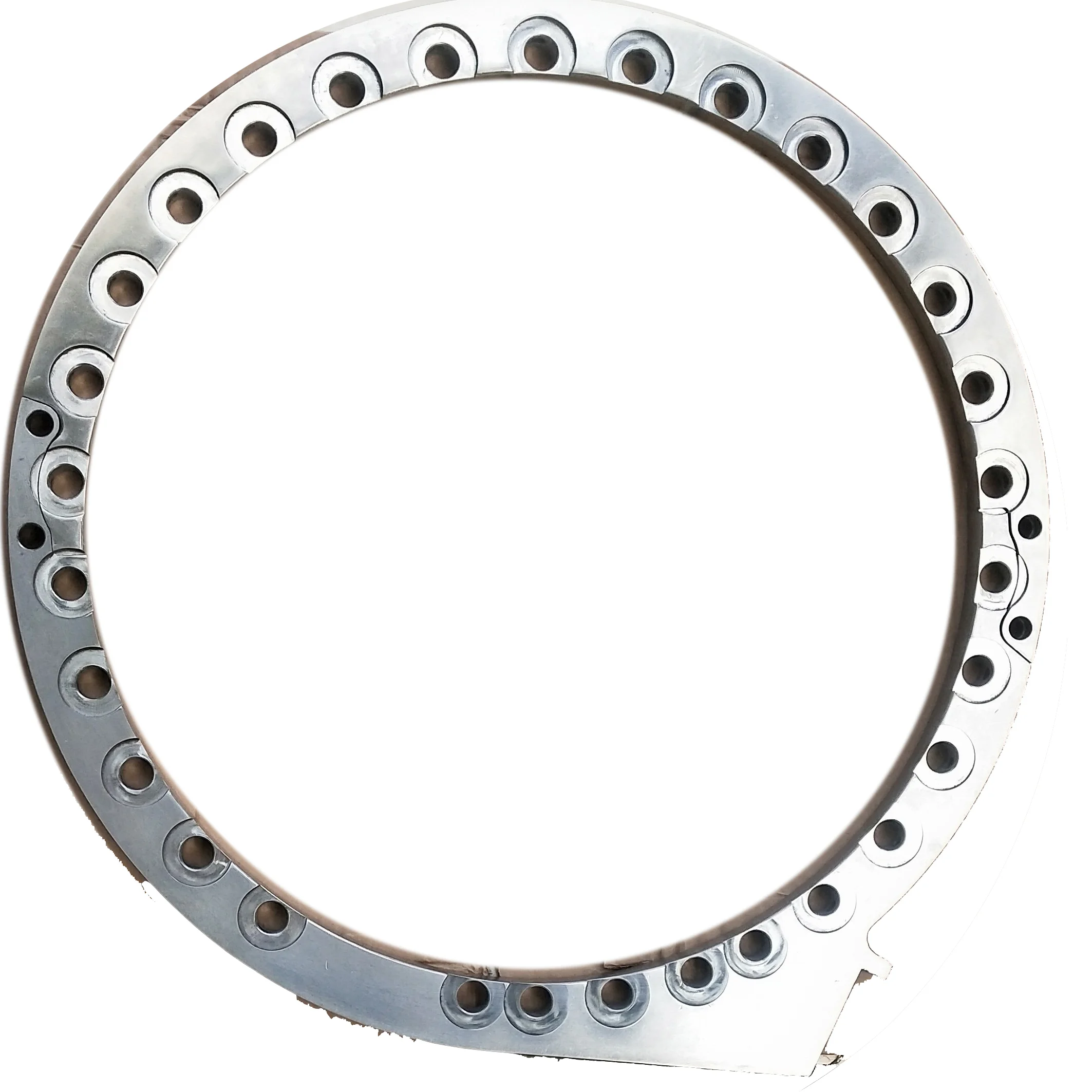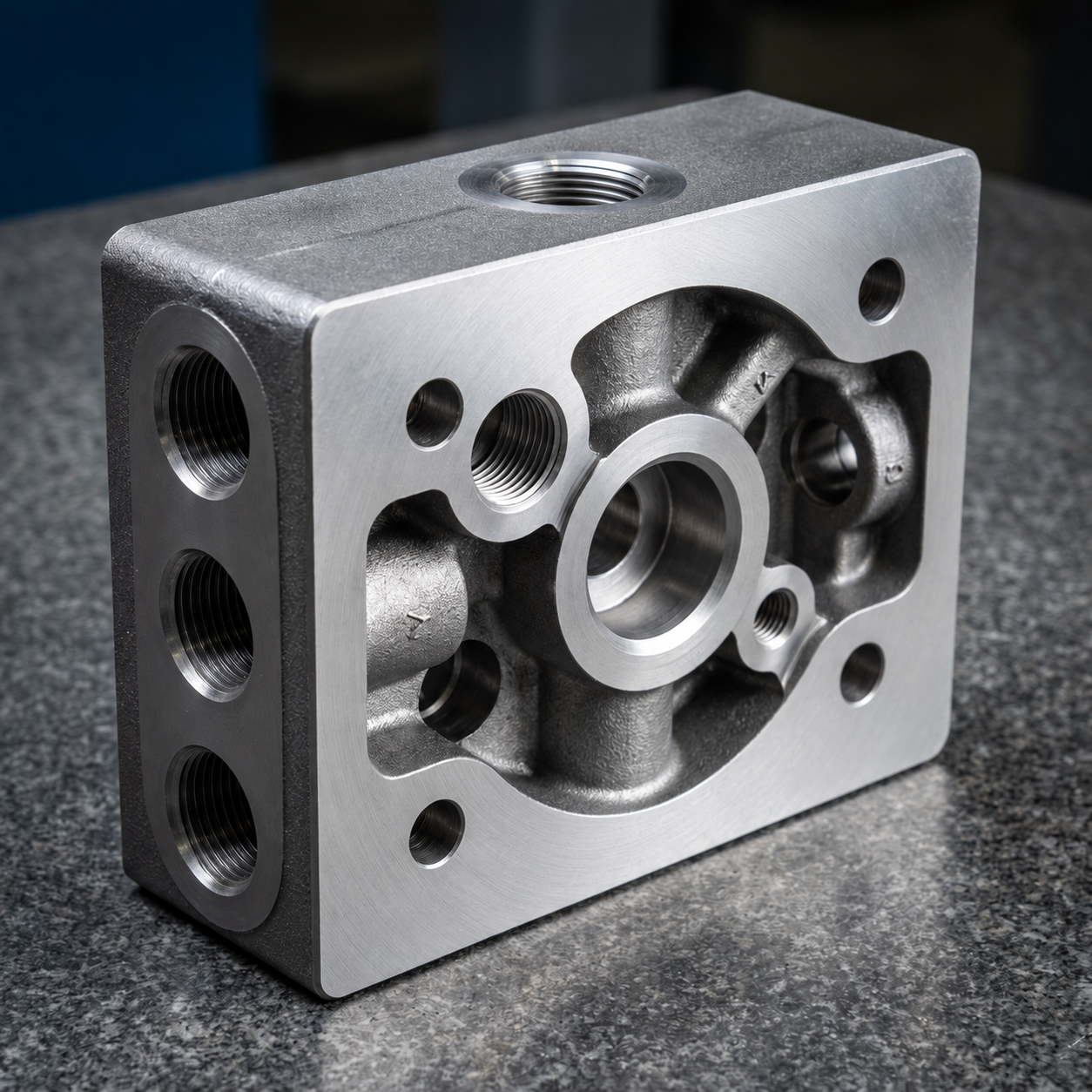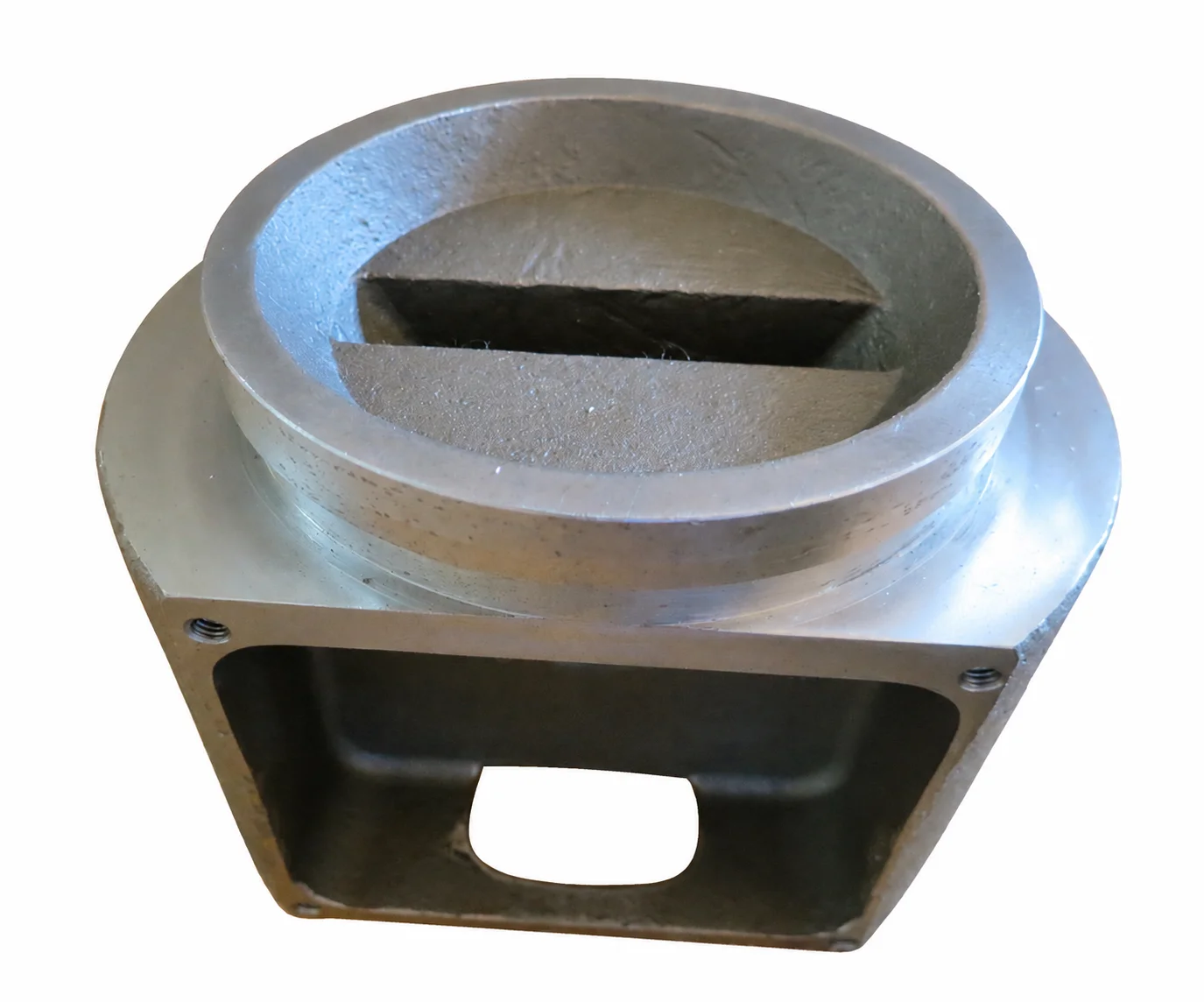
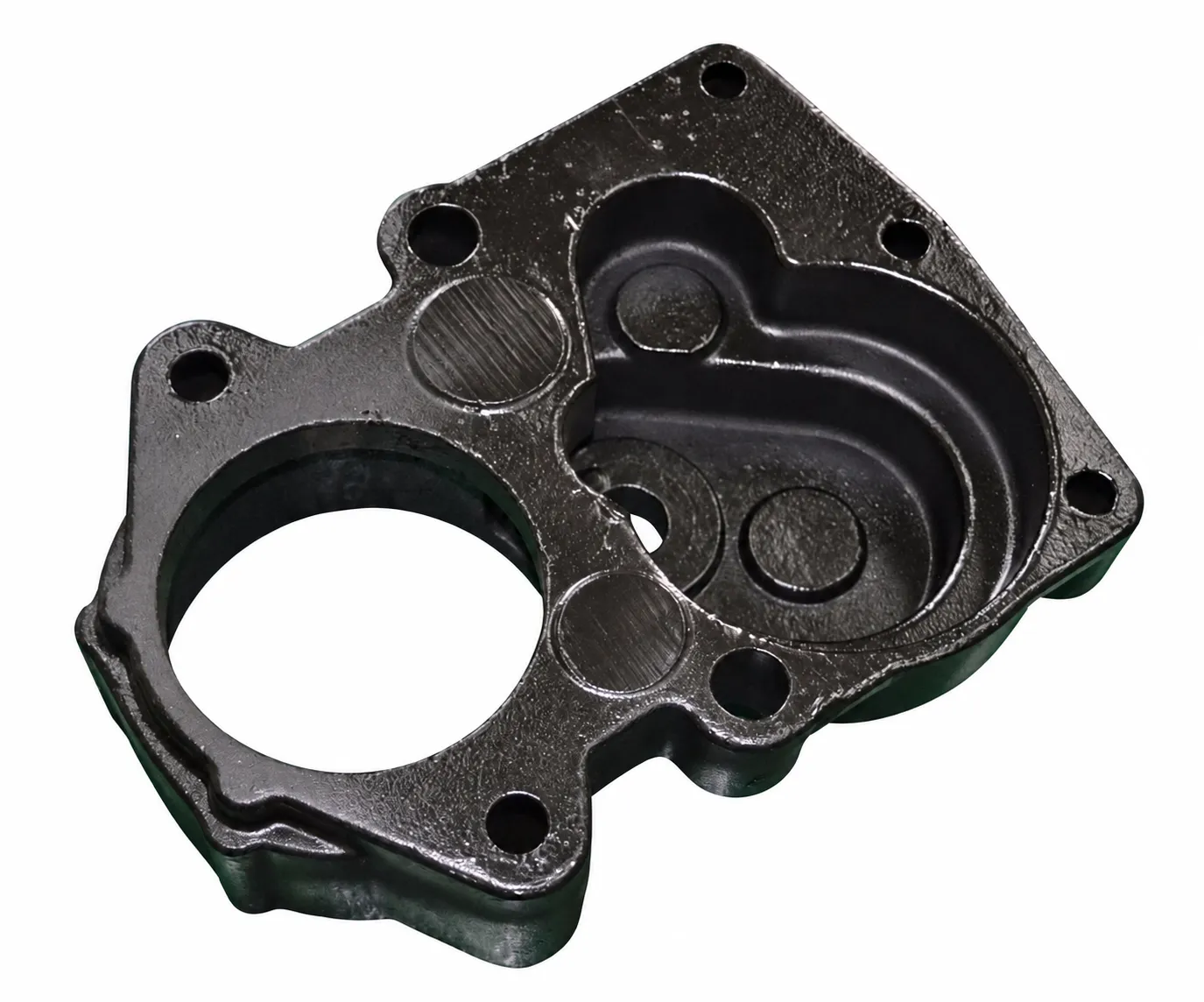
Precision Steel Lost-Wax Investment Casting, CNC Machining and Quench-and-Temper Service
Let’s define your requirement
Send a product link, drawing or short brief. We’ll work through the details with you.
- Confirm the specificationGrade or model, size and intended use.
- Define your orderQuantity, finish or configuration, and samples.
- Agree the quotation scopeIncluded work, key checks and delivery needs.
-
Surface FinishShot Blasted
-
MaterialSteel
-
NameIATF16949 certified precision steel casting foundryKeywordssteel foundry
-
ProcessLost wax investment casting+CNC machinedHeat TreatmentQuench and temper by 2 set mesh belt furnaces
-
Surface TreatmentShot blasting+AssemblingMachining Facility60+ Machining centers,70+ CNC machines
-
InspectionMT/UT/RT/100% visual+100%gage/CMMStandardASTM. AISI. DIN. BS. JIS. NF. AS.
-
CertificationIATF16949/ISO14001
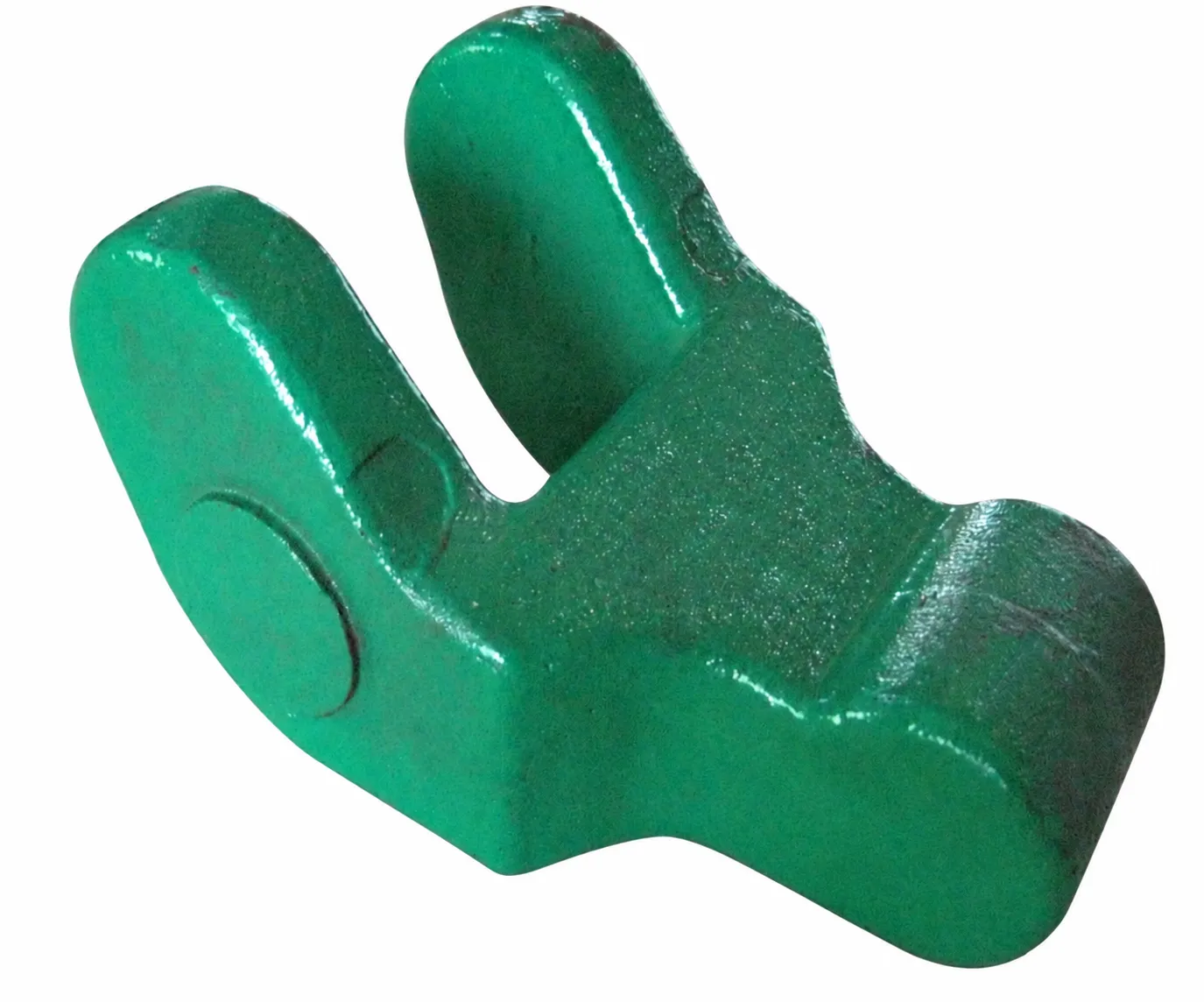
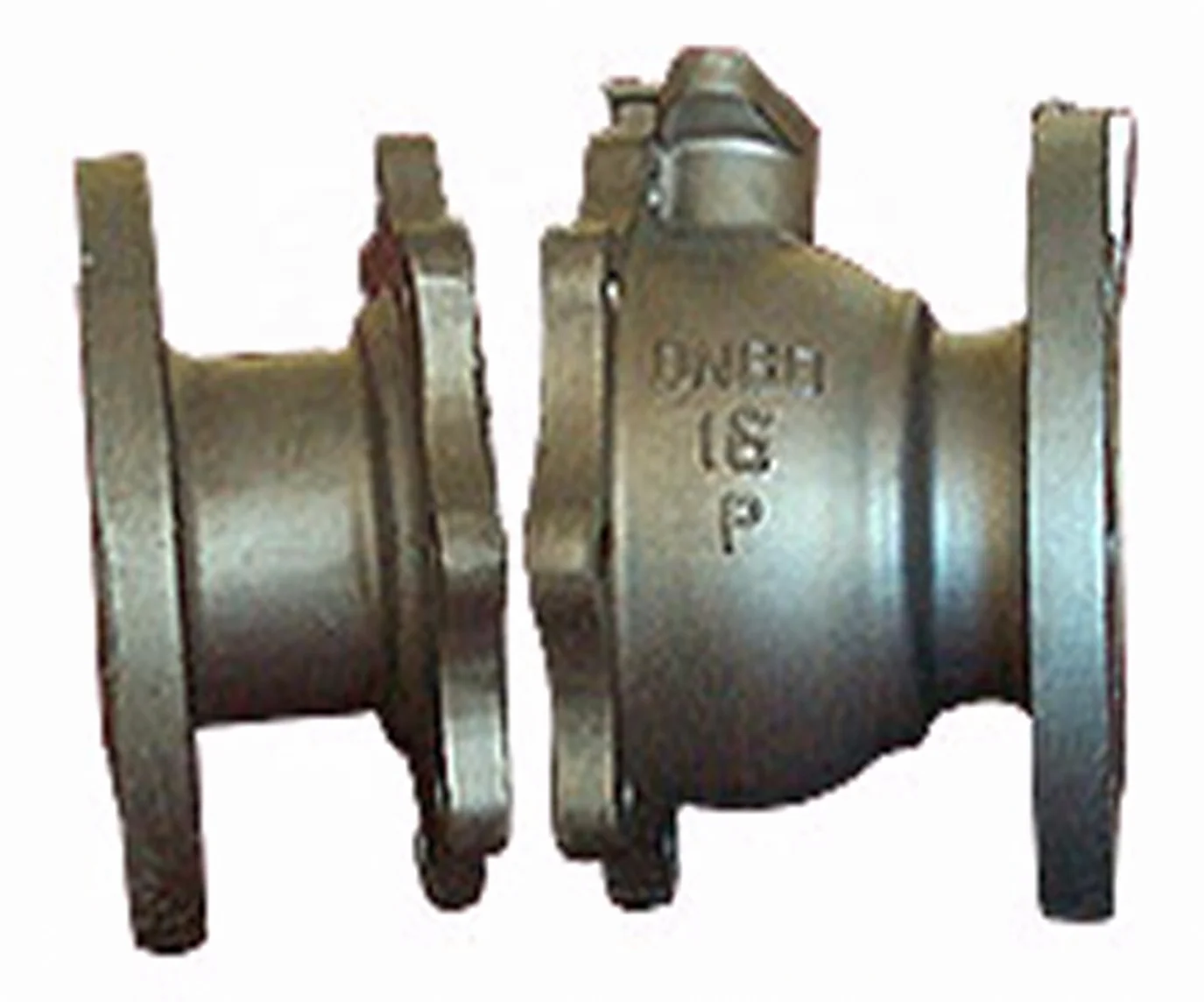
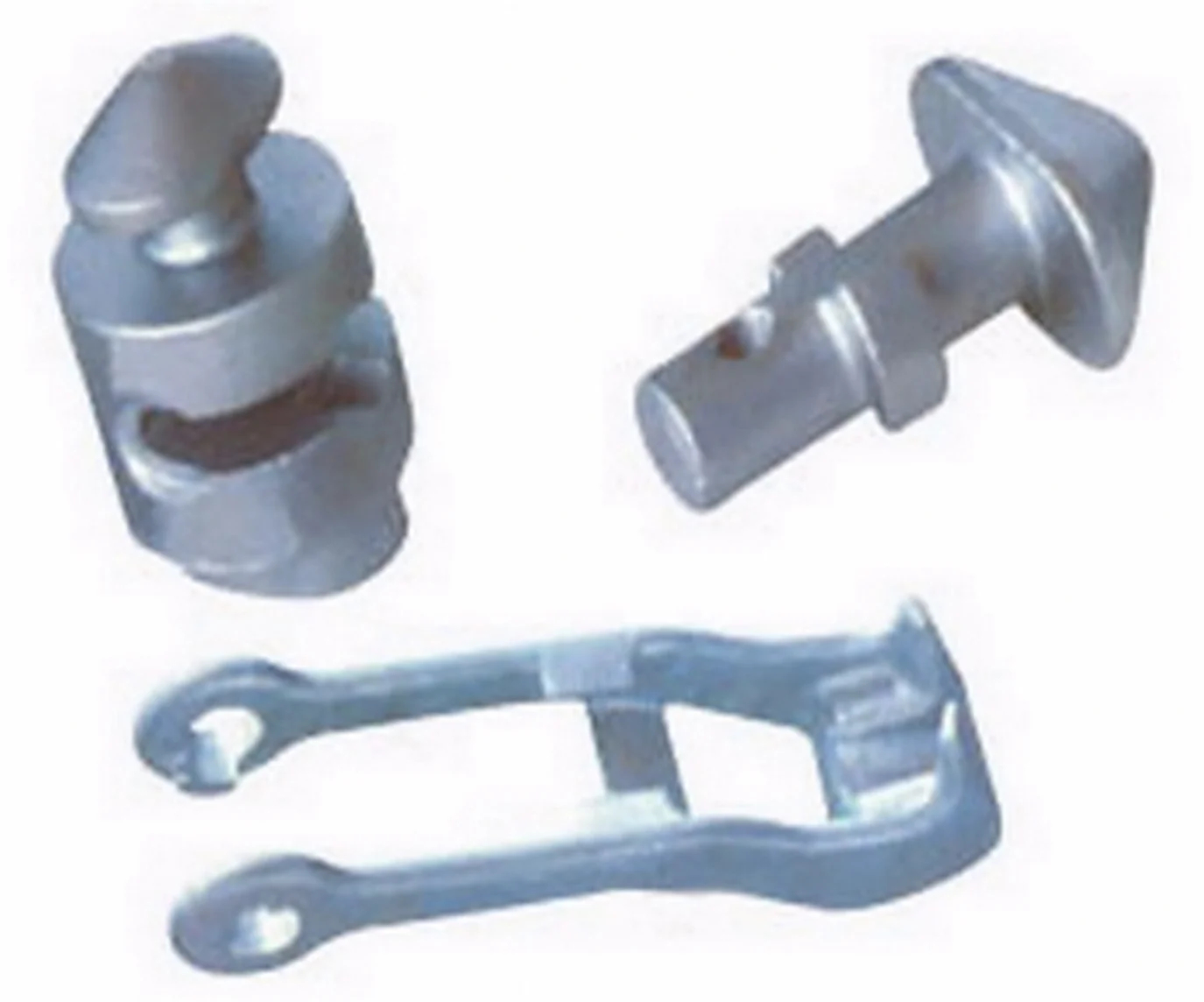
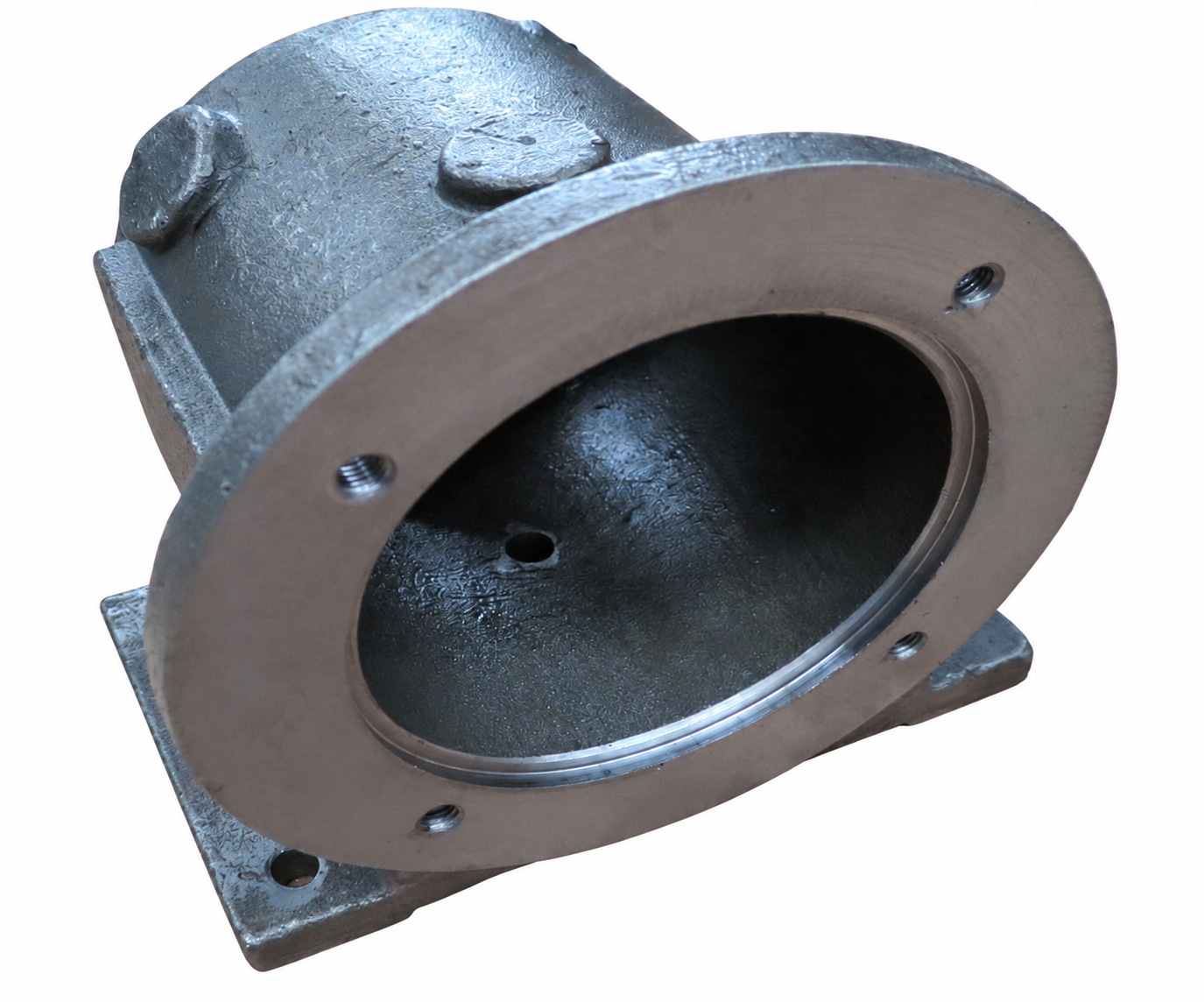
Steel component work combines lost-wax investment casting with CNC machining, heat treatment, shot blasting and assembly. Define the selected steel grade and finished condition together so the inquiry describes the component you intend to accept, from casting through its final processing.
Set the quench-and-temper requirement
Quenching and tempering are available through two mesh-belt furnaces. Specify the required heat-treated condition for the chosen steel grade and the material acceptance relevant to the component. Keep that requirement with the drawing and machining scope so the final condition can be discussed as part of one steel-component brief.
Connect casting, machining and assembly
The machining facilities include 60+ machining centers and 70+ CNC machines. Identify which dimensions and surfaces need CNC work after the lost-wax casting, then define the shot-blasted finish and any assembly requirement. These process directions should follow the actual geometry and acceptance rather than imply a production rate for an unspecified part.
Choose inspection around the steel component
Inspection directions include MT, UT and RT, together with 100% visual inspection and the 100% gage/CMM requirement. Agree the method, coverage and acceptance criteria that apply to the selected component. This makes the inspection plan specific to the steel grade, geometry and finished dimensions being ordered.
- Material and condition
- Selected steel grade and required quench-and-temper acceptance.
- Geometry and finish
- Lost-wax casting, CNC dimensions, shot blasting and assembly scope.
- Inspection basis
- Agreed methods and criteria for the completed component.
Reference families include ASTM, AISI, DIN, BS, JIS, NF and AS; identify the exact requirements needed for the part. Where IATF16949 or ISO14001 documents are required, establish their applicable holder and scope with the order.