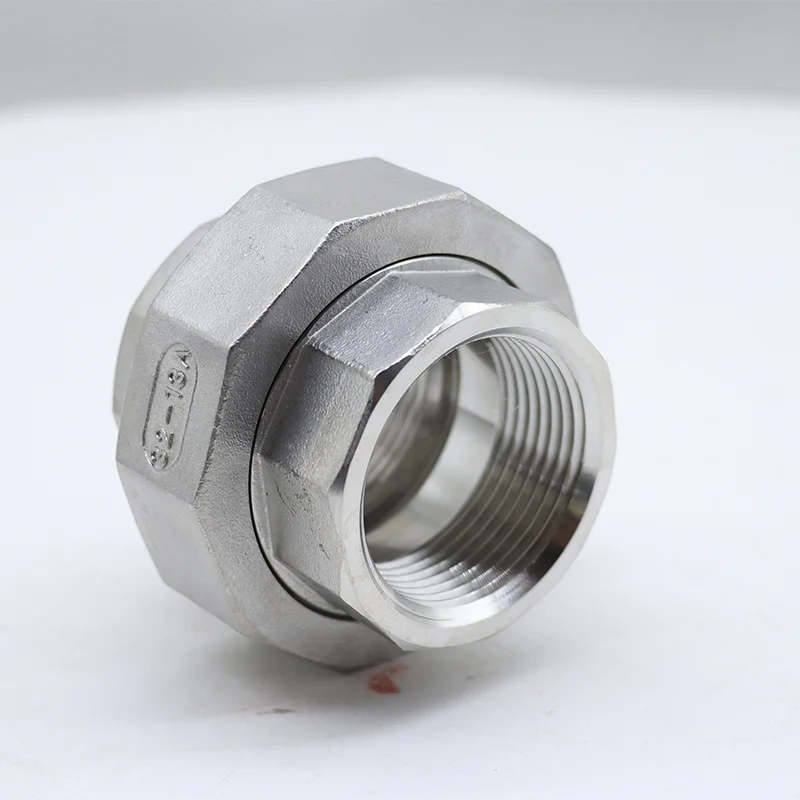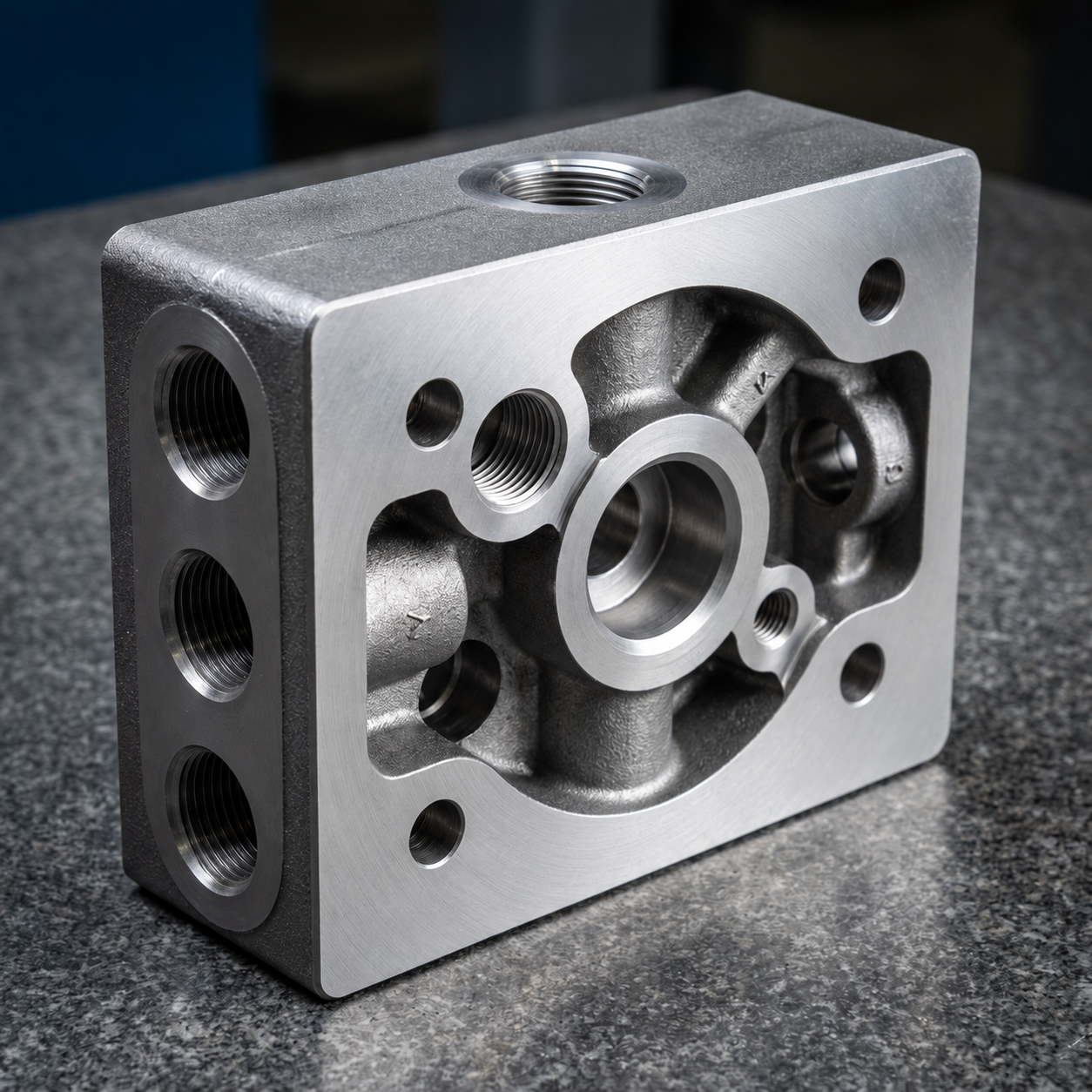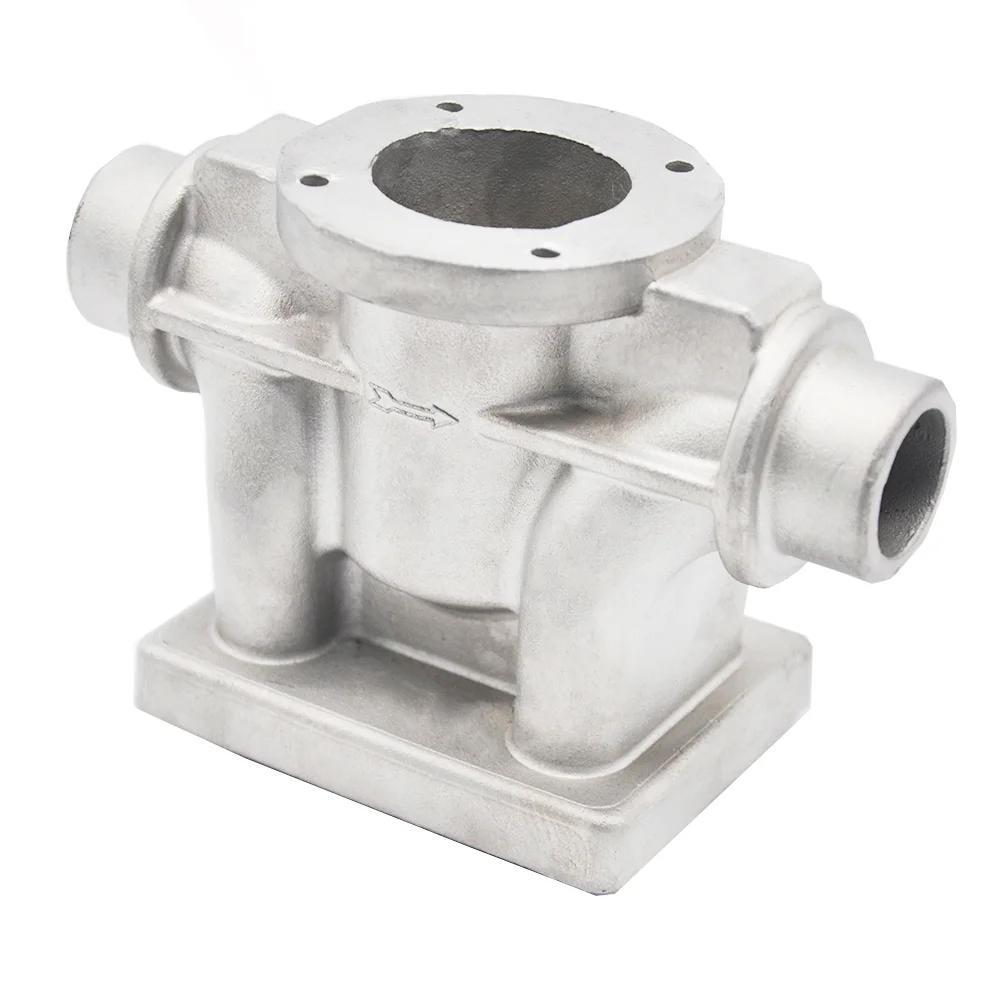
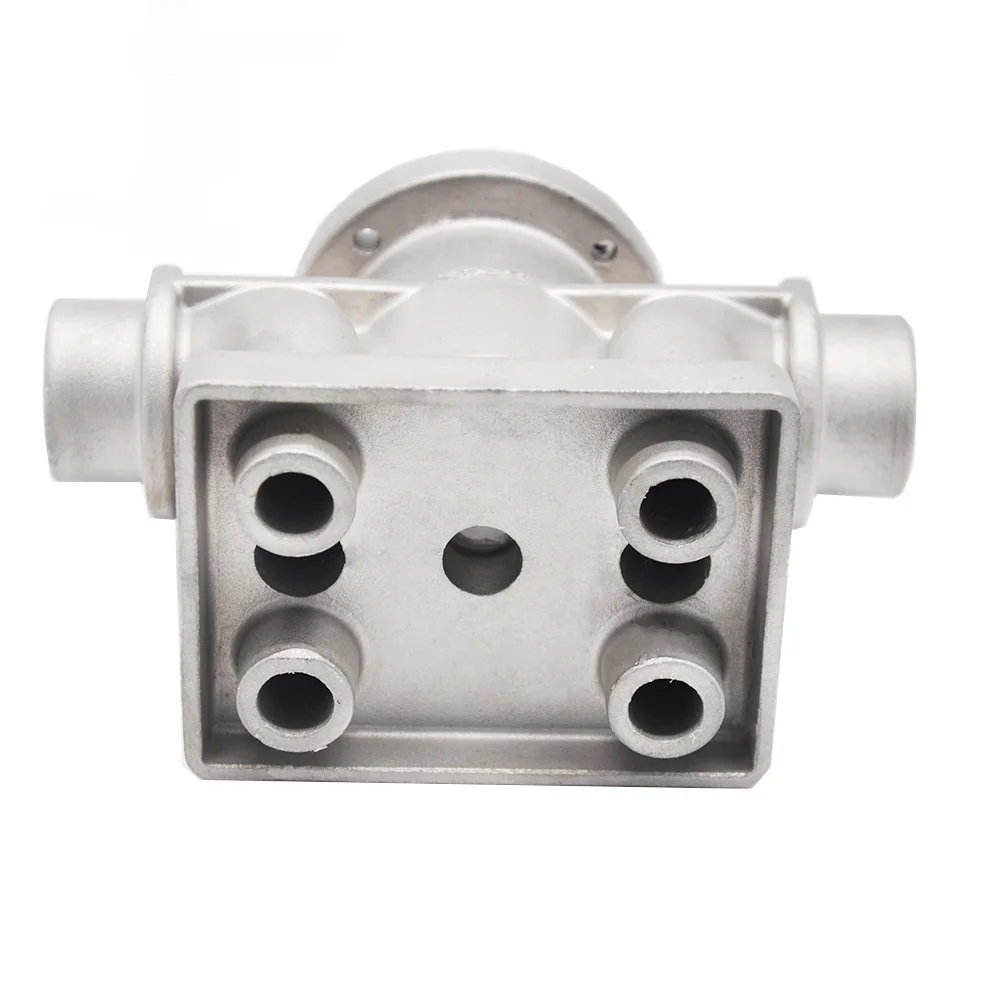
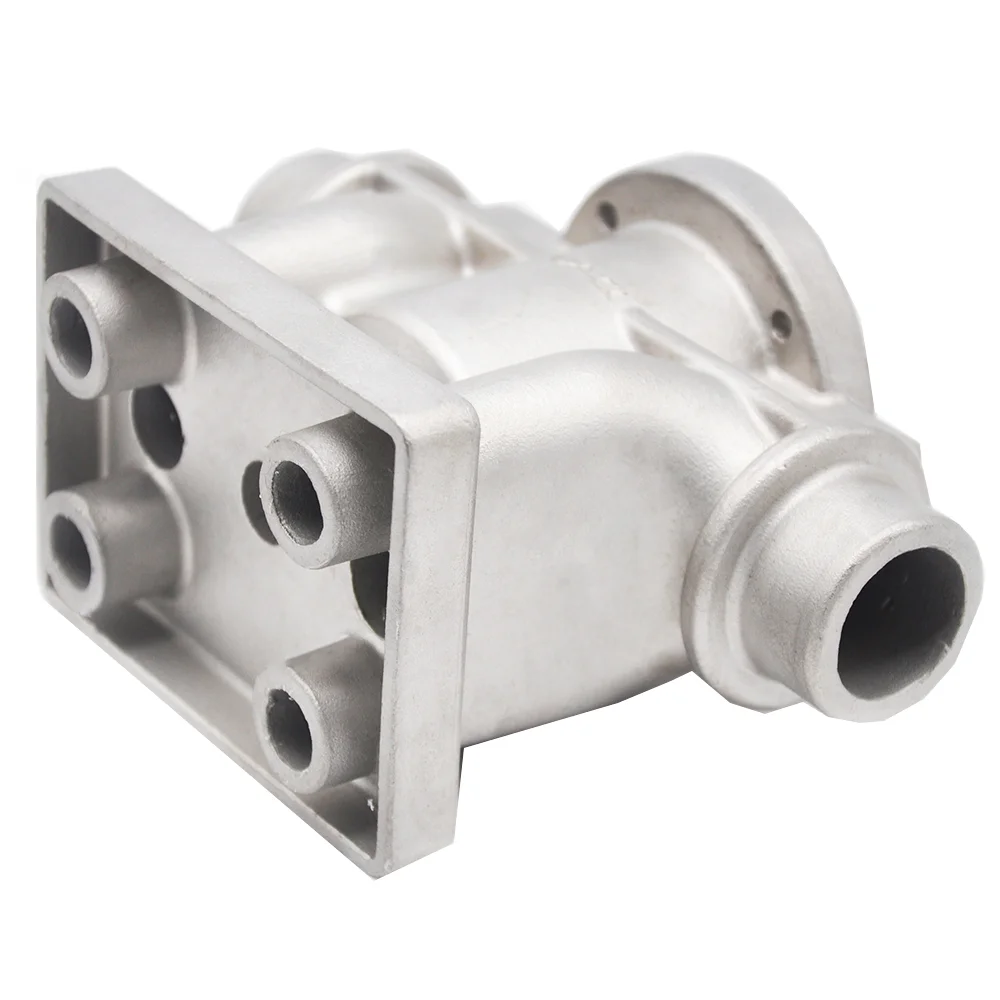
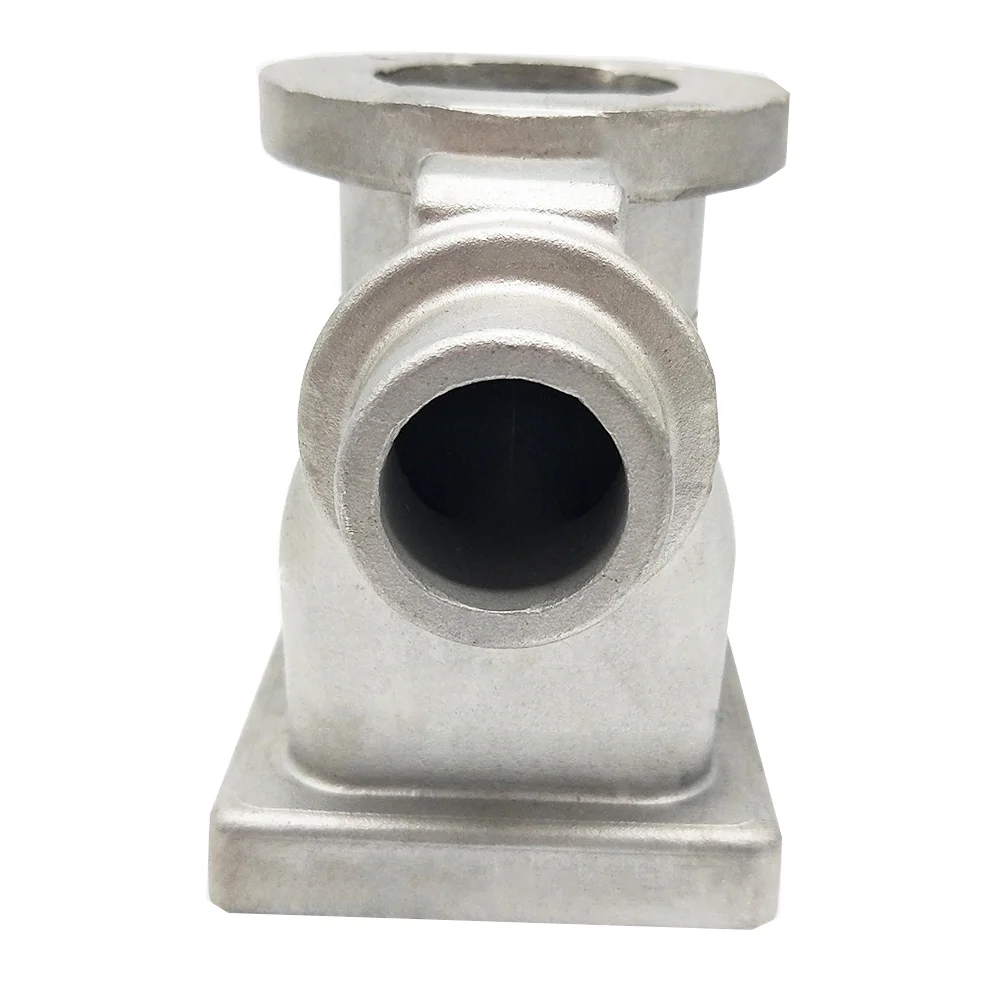
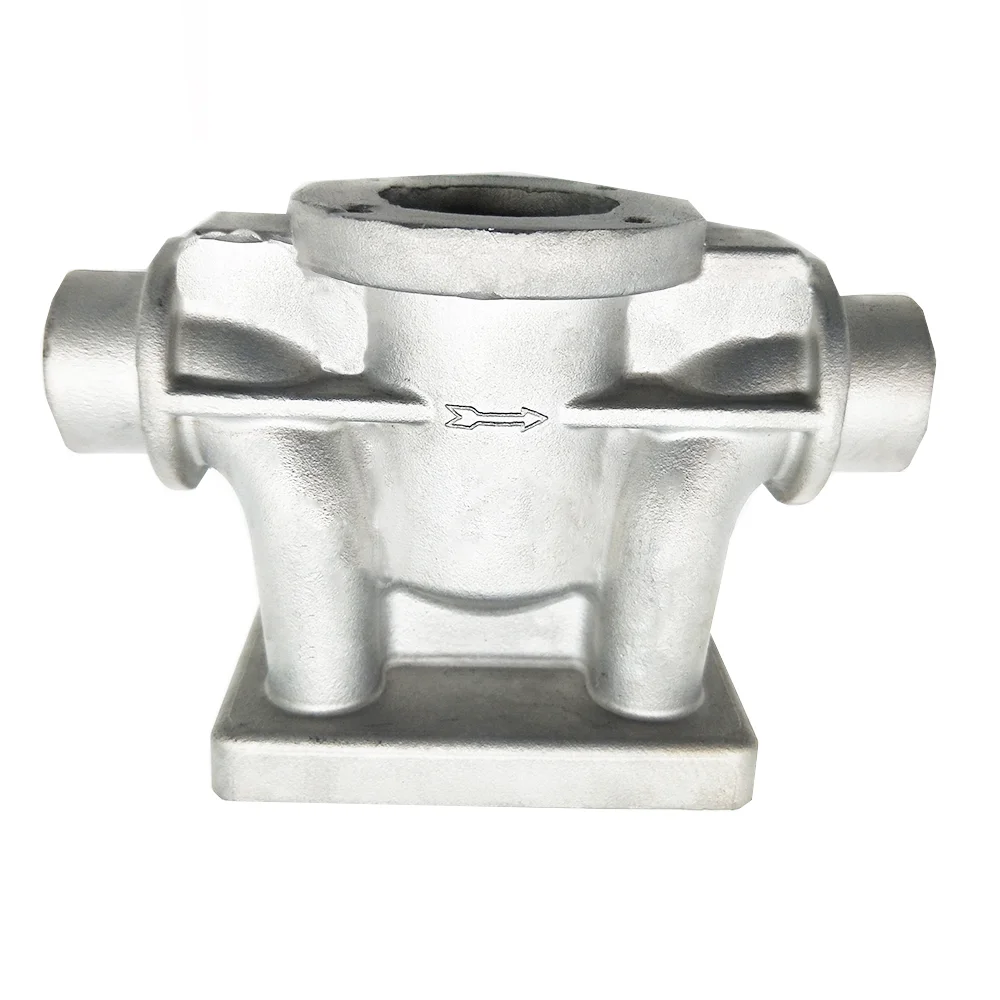
Precision Stainless Steel Lost-Wax Investment Castings | ±0.05mm, Zinc Plating and Polishing
Let’s define your requirement
Send a product link, drawing or short brief. We’ll work through the details with you.
- Confirm the specificationGrade or model, size and intended use.
- Define your orderQuantity, finish or configuration, and samples.
- Agree the quotation scopeIncluded work, key checks and delivery needs.
-
Surface FinishPlated , Polished
-
Material:stainless steel/steel/brass/alumiuminum/copper/brass
-
Size:different size/according to clientCertification:ISO9001:2008
-
Surface treatment:zinc plated/polishingPayment:L/C, T/T
-
Packing:wooden case/according to the clientDelivery Time30 days
-
Min tolerance:+/-0.05mmProduct TypeInvestment Casting
-
Equipment:Sand Casting, Die Casting, Investment Casting
Precision stainless steel lost-wax investment casting supports customer-required sizes and a minimum-tolerance reference of ±0.05mm. Steel, brass, aluminum and copper are further material directions. Sand casting and die casting are additional process choices, with zinc plating and polishing available for the selected component.
Size and the minimum-tolerance reference
Define the component geometry and the dimensions that require control. Confirm which features and process stage the ±0.05mm minimum reference applies to, then agree their actual acceptance limits. Keeping the dimensional request specific helps relate the tolerance discussion to the chosen casting rather than to every possible part.
Choose the material-compatible process
Select the actual stainless steel, steel, brass, aluminum or copper grade around the required component. Then agree whether investment/lost-wax, sand or die casting is the applicable route for that material and geometry. The process choice should remain connected to the dimensions and required finished condition.
Zinc-plated and polished surfaces
Zinc plating and polishing are available surface directions. Identify which areas require treatment and define the condition expected after that operation. Agree the surface and dimensional acceptance together so that the chosen finish supports the same component requirements as the casting request.
A useful custom-size enquiry combines the grade, geometry, selected casting route, tolerance-controlled dimensions and surface requirements. Those details provide a focused basis for reviewing the precision stainless steel or alternative-metal casting and its required acceptance criteria.