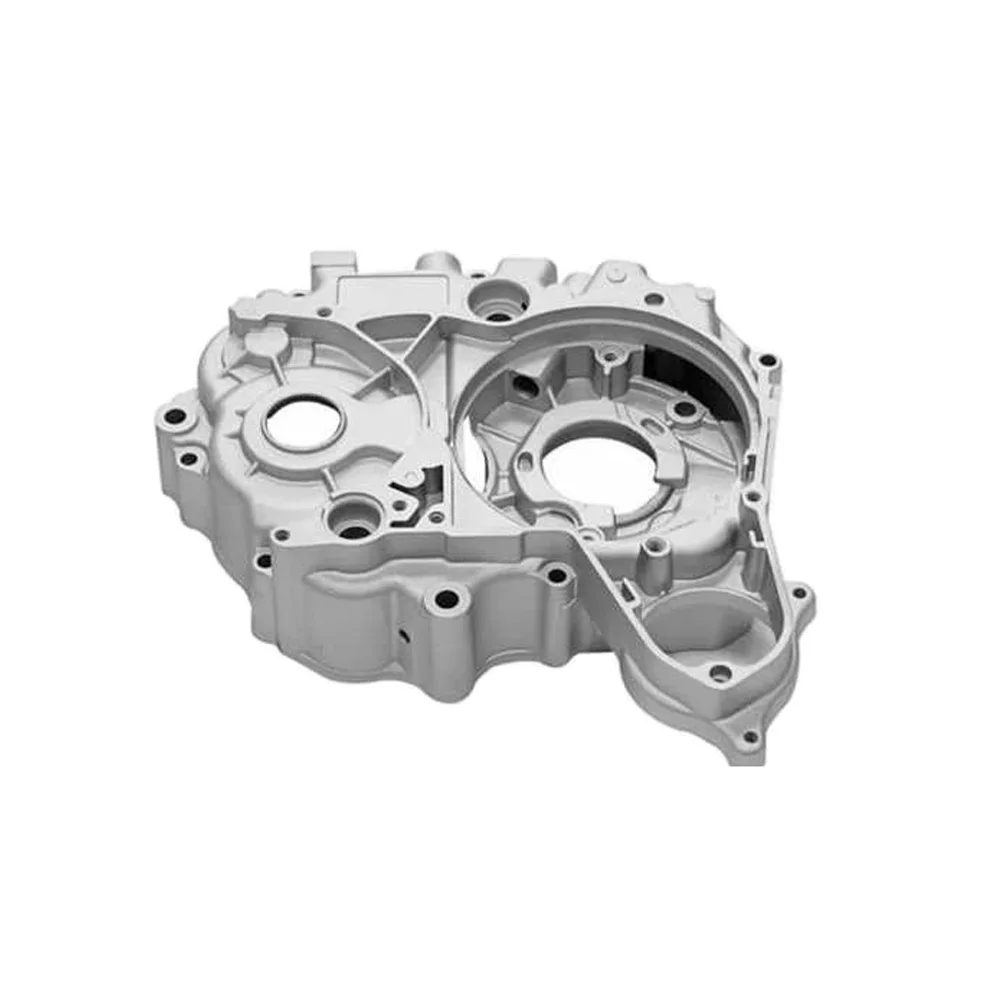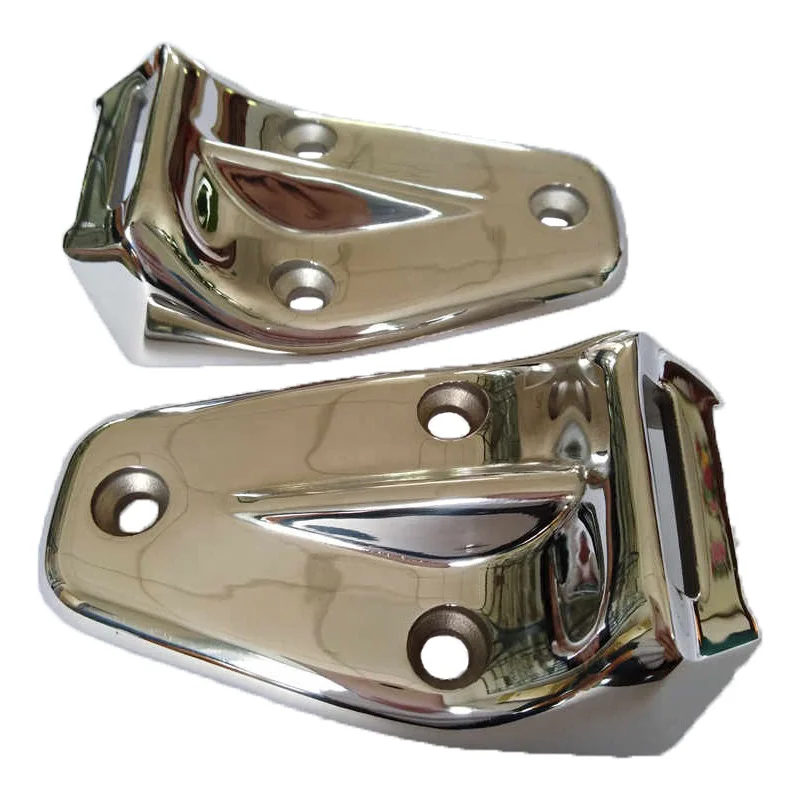
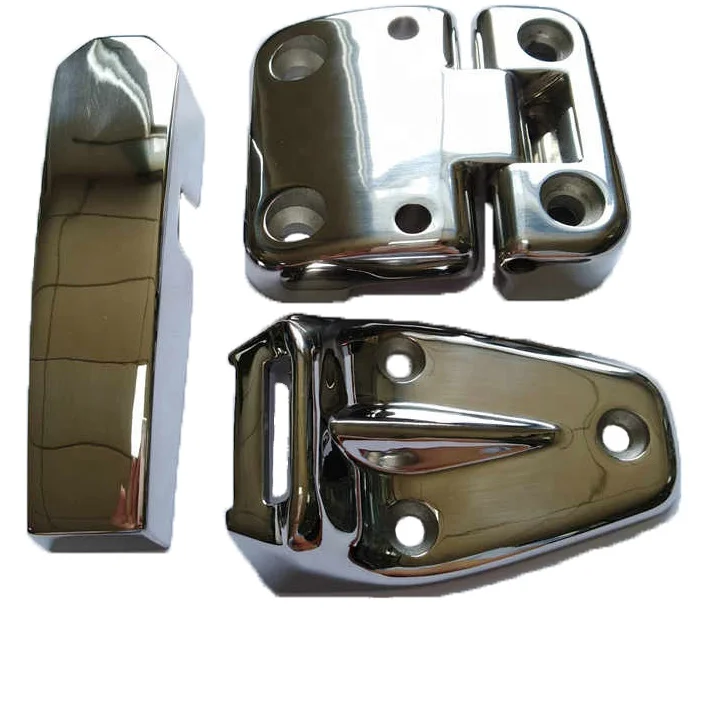
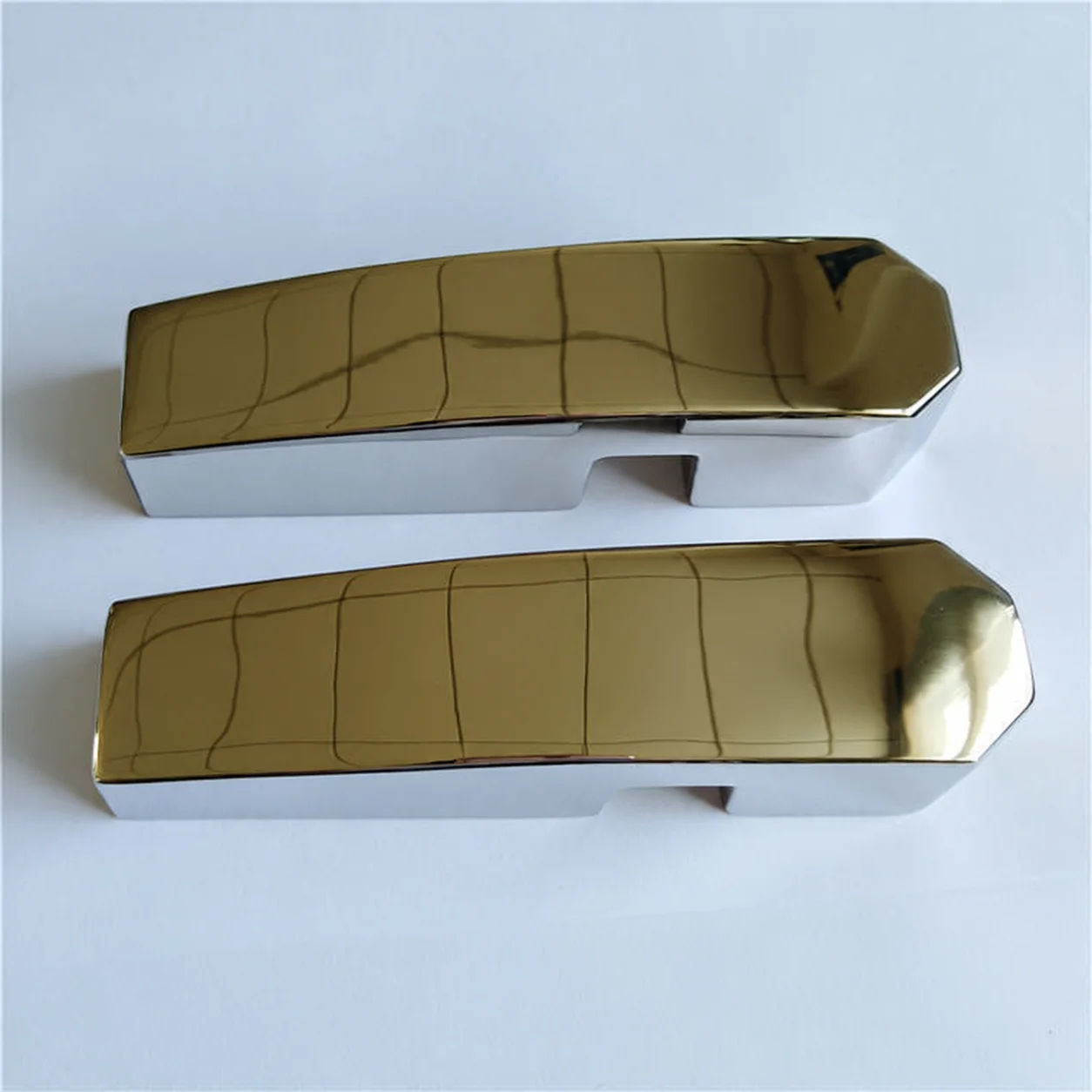
Precision Stainless Steel Lost Wax Investment Casting with CNC Machining from 3D Drawings
Let’s define your requirement
Send a product link, drawing or short brief. We’ll work through the details with you.
- Confirm the specificationGrade or model, size and intended use.
- Define your orderQuantity, finish or configuration, and samples.
- Agree the quotation scopeIncluded work, key checks and delivery needs.
-
MaterialStainless Steel
-
Product namestainless steel castingProcessLost Wax Casting
-
CertificationIATF16949Machining ProcessCNC Precision Machining
-
Weight0.05kg~20kgSizeCustomer's 3D Drawing
-
ToleranceStrictly Casting ToleranceMOQNegotiable
-
DesignCustomer's Samples
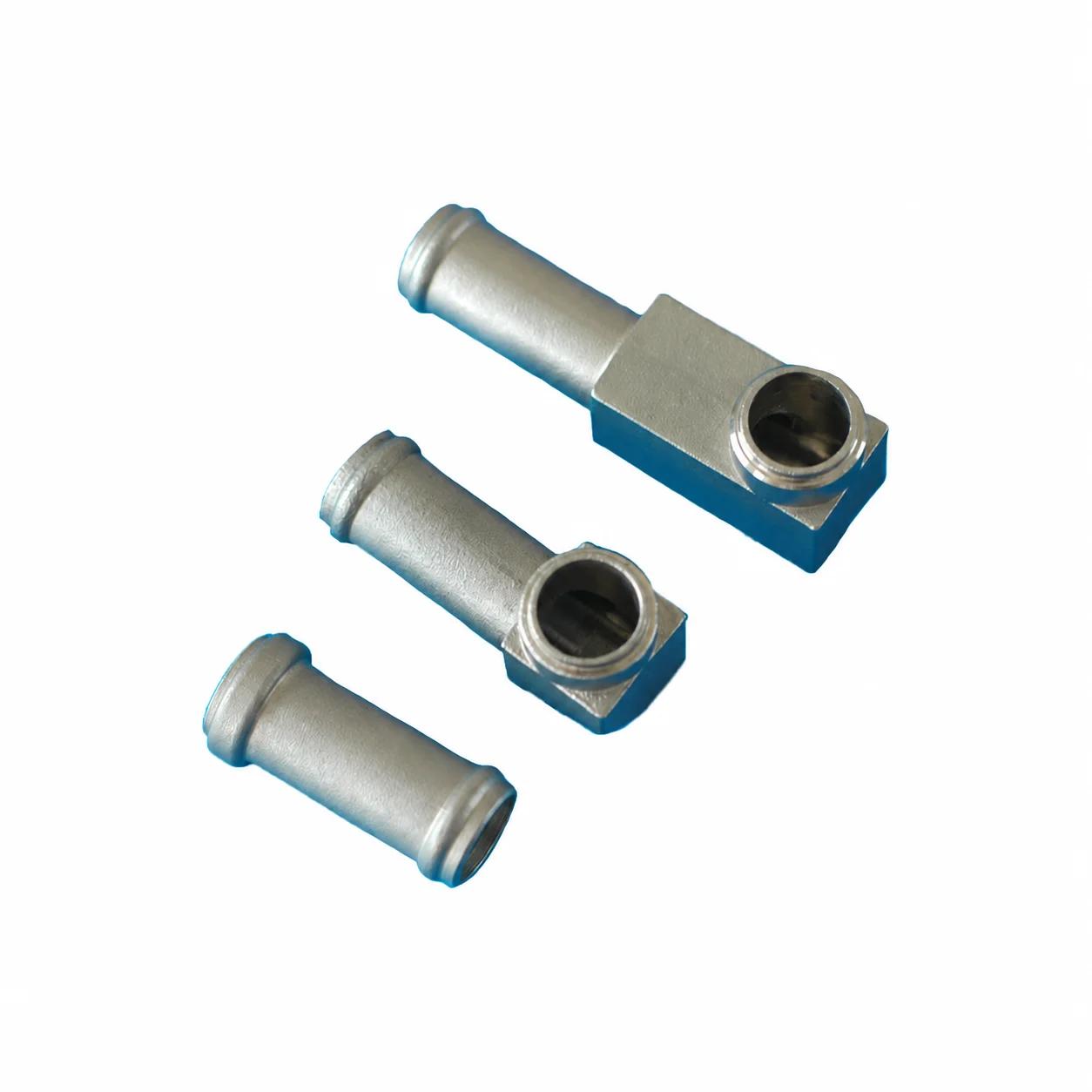
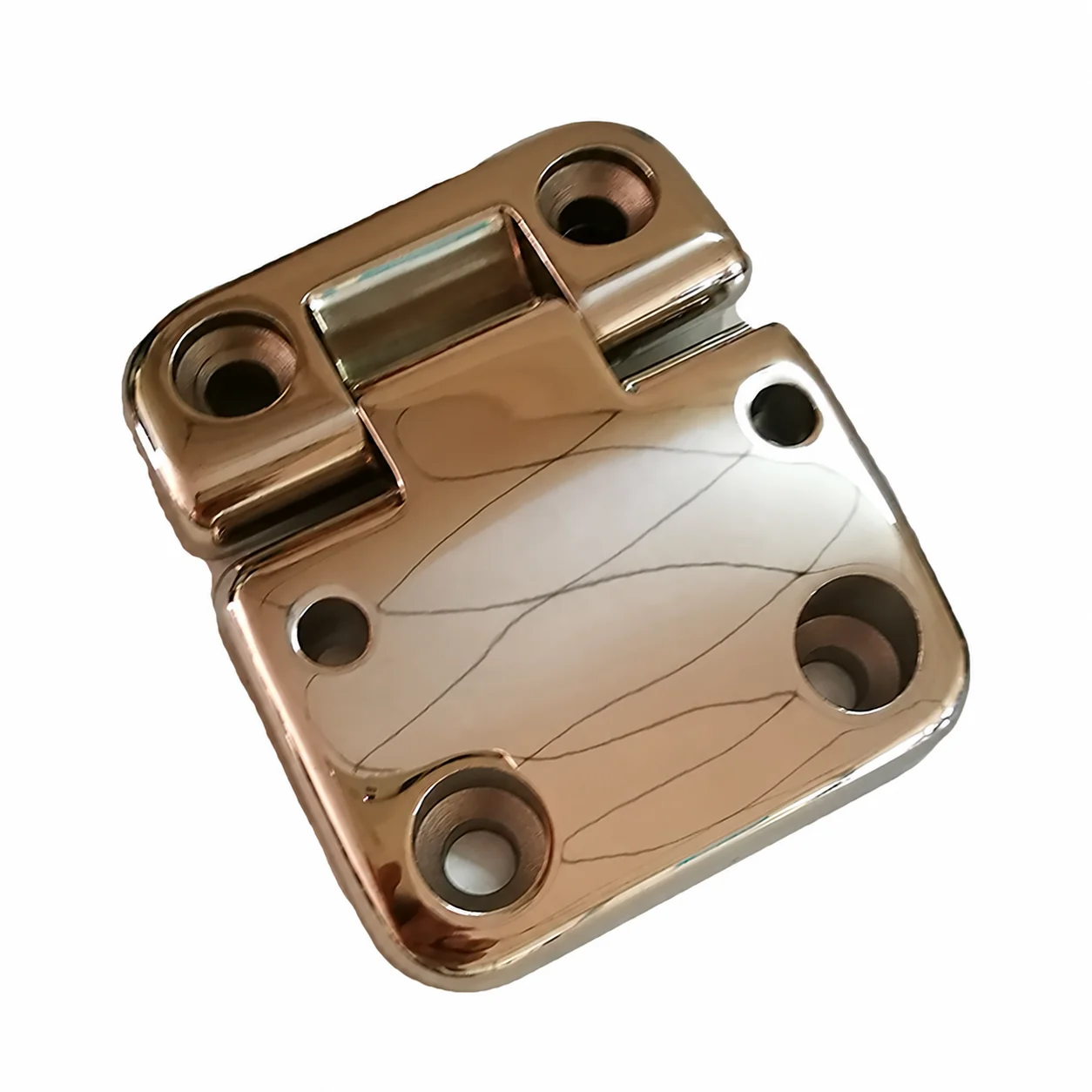
Stainless steel investment castings combine the lost wax route with CNC precision machining for a customer-defined component. Sizes follow the customer's 3D drawing, and customer samples can support the design. The enquiry should bring those inputs together with the selected stainless grade and finished dimensional requirements.
Make the sample and 3D drawing describe one component
Use the 3D drawing to identify the component geometry, reference dimensions and interfaces. Relate the customer sample to that drawing so that the required shape and measurable acceptance are understood together. Where a sample is used for design discussion, confirm which dimensions and surfaces should govern the finished part. This prevents appearance alone from becoming the basis for dimensional approval.
Separate casting requirements from CNC finishing
Define the casting tolerance for the actual dimensions in the drawing. Identify the areas requiring CNC work and provide the finished-feature criteria and machining datums for those interfaces. Casting geometry and CNC acceptance should describe their respective stages of the component, with a clear final condition for inspection. Agree the required surface condition as part of that finished definition.
Connect the material and acceptance documents
Specify the stainless grade and explain the component duty when requesting a casting review. Include the material acceptance, dimensional checks and surface requirements needed for the particular geometry. IATF16949 is a certification reference for documentation review; confirm the current certificate and its applicable scope if required. Keep that document scope connected to the agreed process and component requirements, while using the approved drawing and sample to define the actual part.