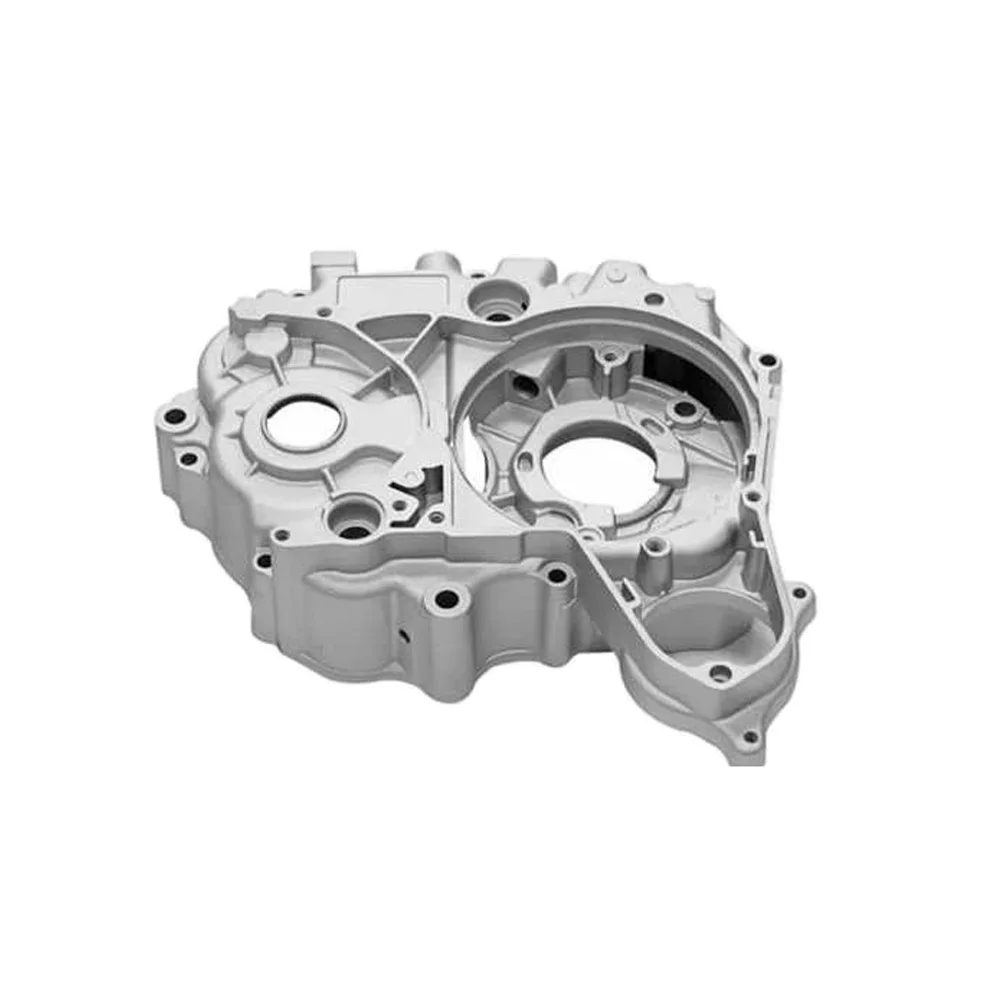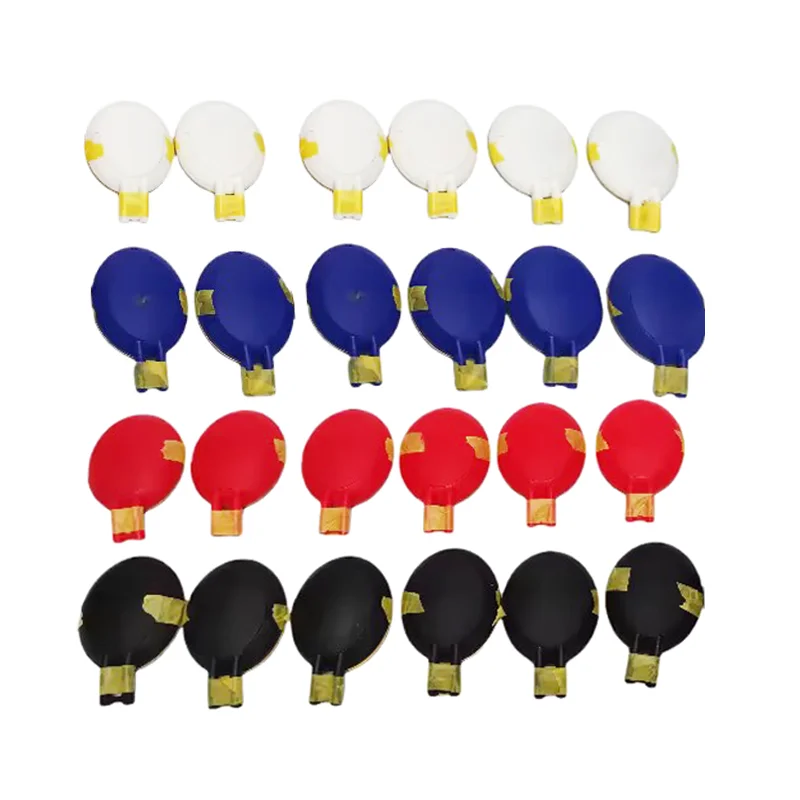
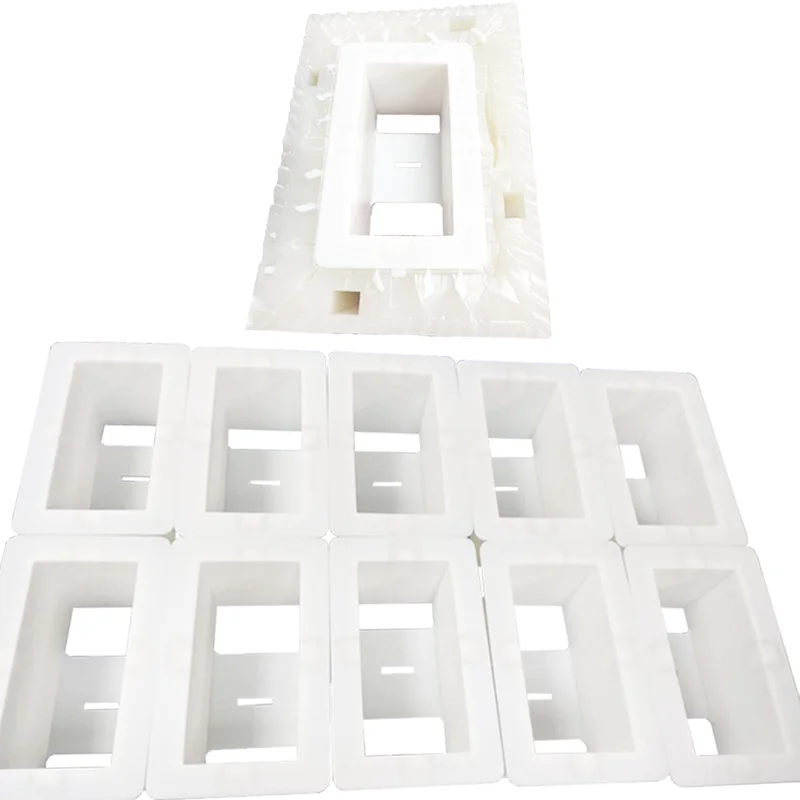
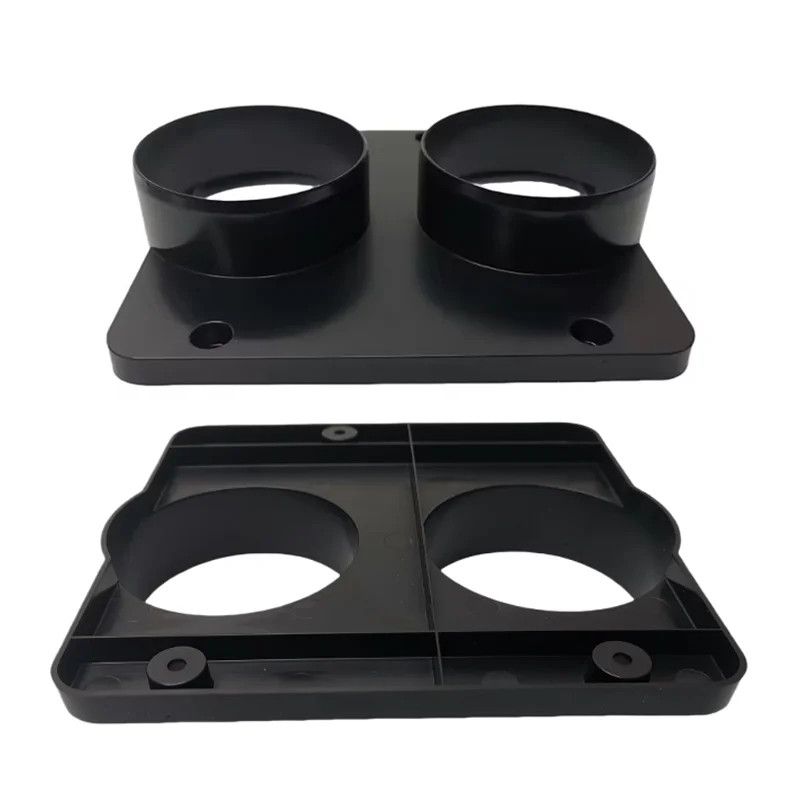
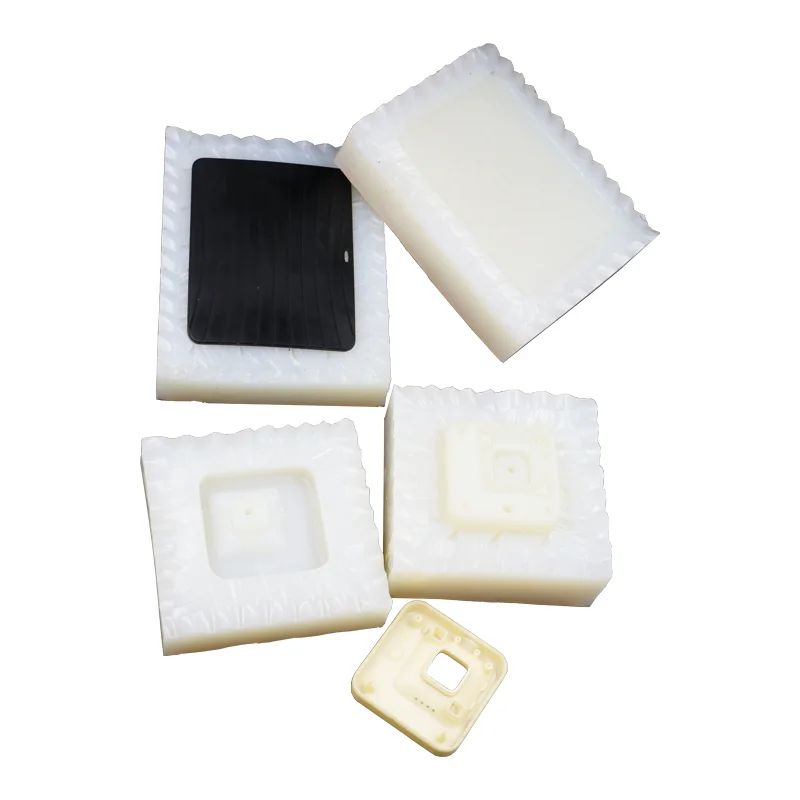
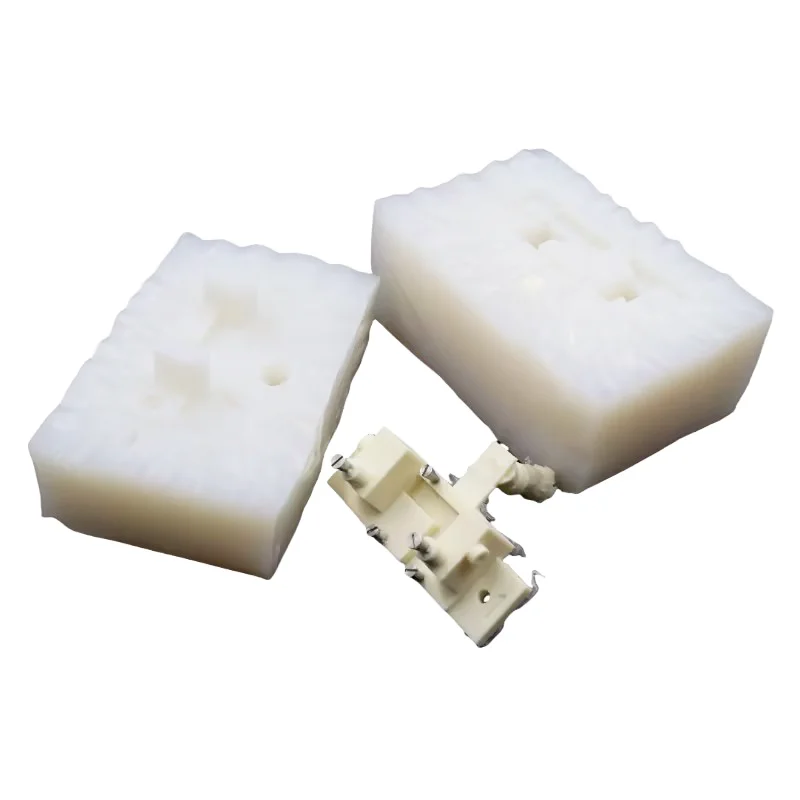
Precision Silicone-Mold Vacuum Casting for Automotive, Medical and Electronic Plastic Prototypes
Let’s define your requirement
Send a product link, drawing or short brief. We’ll work through the details with you.
- Confirm the specificationGrade or model, size and intended use.
- Define your orderQuantity, finish or configuration, and samples.
- Agree the quotation scopeIncluded work, key checks and delivery needs.
-
Surface FinishAnodized , Polished
-
CNC Machining or NotNot CNC MachiningTypeOther Machining Services, Rapid Prototyping
-
Material CapabilitiesPlastic:ABS/PC/PVC/PA/PP/PPS/PMMA/POM/PEEK/PEI/PTFE ,etc.Micro Machining or NotNot Micro Machining
-
Product NameCusomized Silicone Mold & Vacuum Casting Prototype
-
MOQ1 pieceSurface FinishAnodizing,Blackened,Polishing,Plating
-
QC control100% inspection on critical dimensionEquipmentOKUMA MXR-460V(f),OKUMA MXR-560VB Machinning Center etc.
-
Quantitysmall batch or mass productionProcessingsilicone molding vaccum casting
-
Cost controlmost efficient production processManagementskilled workers and rich experienced techinicans
-
CertificationISO9001:2015/ISO13485:2016/TUV/RoHS
Custom silicone molds and vacuum casting support plastic-component prototype inquiries for automotive, medical and electronic applications. The vacuum-casting direction is non-CNC and non-micro, with a one-piece minimum and small-batch or mass-production requests available for discussion.
Choose the component material with its route
Plastic material-service choices include ABS, PC, PVC, PA, PP, PPS, PMMA, POM, PEEK, PEI and PTFE. Select the actual material for the prototype and agree its processing route within the requested work. This keeps the silicone-mold and vacuum-casting inquiry tied to a particular component and material definition.
Focus inspection on the critical dimensions
One hundred percent inspection is offered for critical dimensions. Identify those dimensions on the component geometry and state their required limits and acceptance method. A clear critical-dimension definition makes the inspection scope useful for the prototype's intended assembly and the particular application under consideration.
Match surface work to the selected plastic
Finish requests include anodizing, blackening, polishing and plating, with applicability agreed for the actual material and work. Identify the surfaces involved and the finished condition required. Include the relationship between appearance and mating geometry so the surface request remains part of the same component definition.
Separate ancillary machining from vacuum casting
Discuss any ancillary work involving OKUMA MXR-460V(f) or MXR-560VB machining centers as a separately allocated operation. Keep its scope distinct from the non-CNC vacuum-casting request. For a one-piece, small-batch or production inquiry, bring the material, geometry, critical dimensions, finish and intended application acceptance together before ordering.