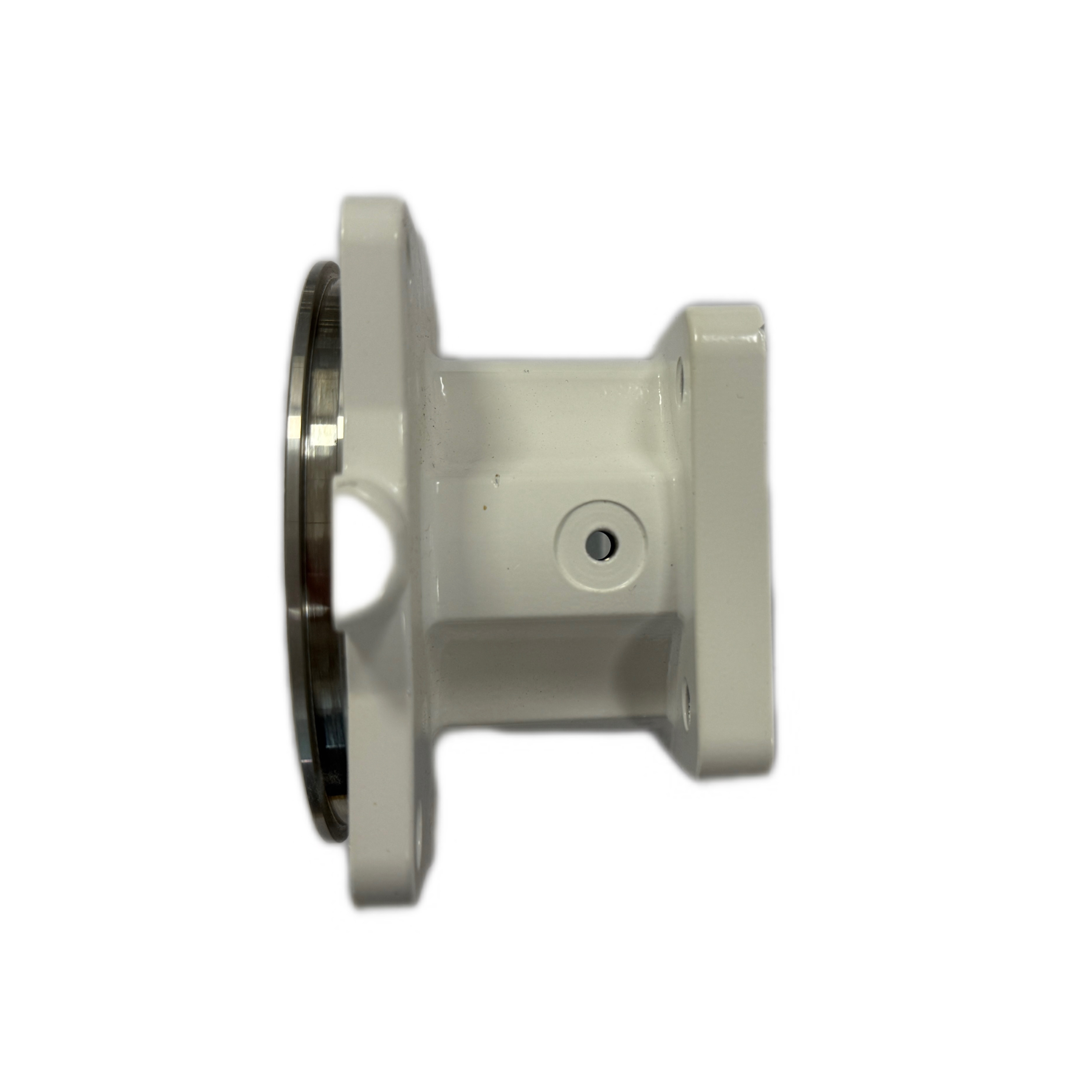
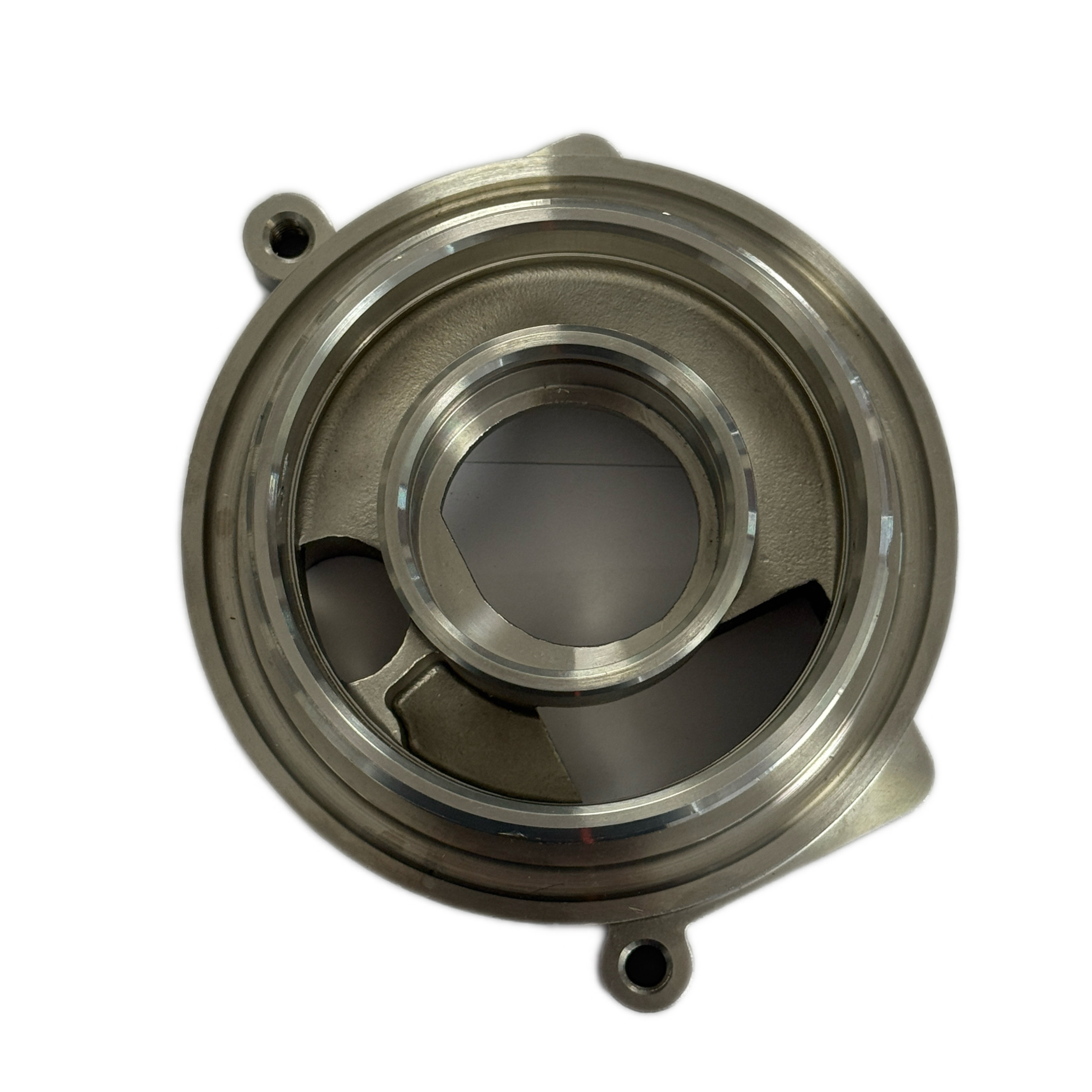
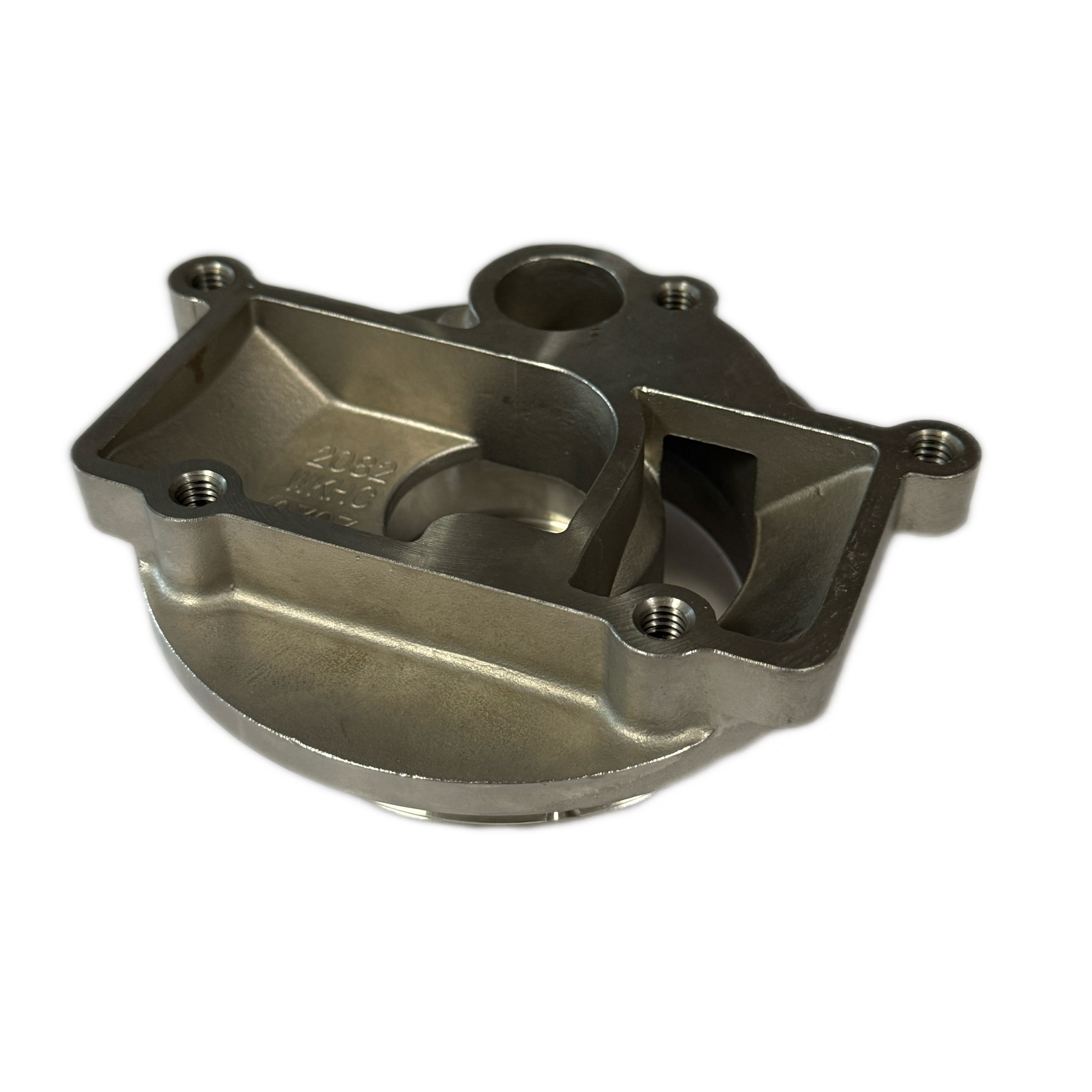
Precision OEM Stainless Aluminum Steel Copper Brass Investment/Die Cast Parts with Custom Machining
Let’s define your requirement
Send a product link, drawing or short brief. We’ll work through the details with you.
- Confirm the specificationGrade or model, size and intended use.
- Define your orderQuantity, finish or configuration, and samples.
- Agree the quotation scopeIncluded work, key checks and delivery needs.
-
Surface FinishAnodized , Polished
-
Product nameCustom Casting Parts
-
MaterialAluminum,Steel,Copper,BrassDrawing Formatpdf,igs,dwg,step,stp
-
Surface treatmentPower Coating/polishing/AnodizingTolerance+/-0.002~+/-0.005mm
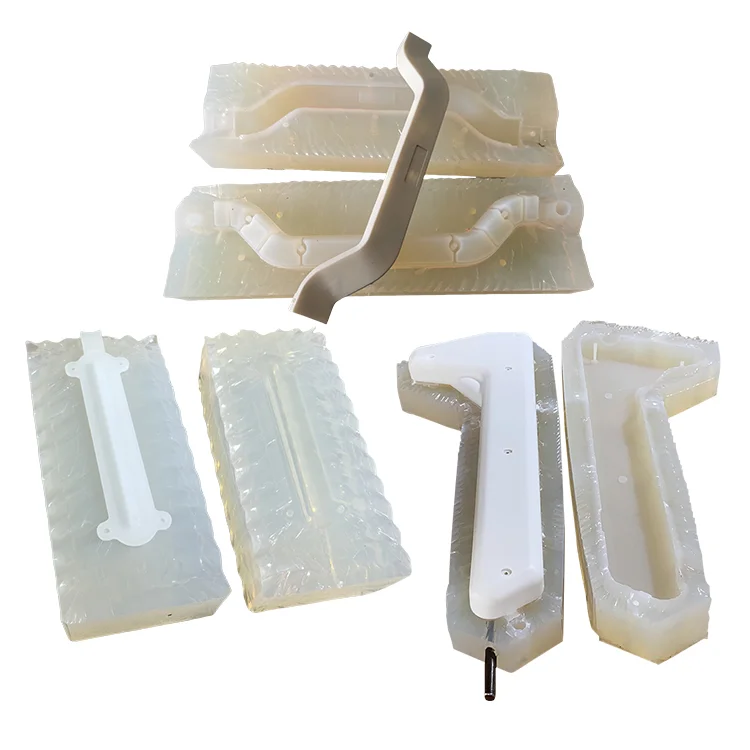
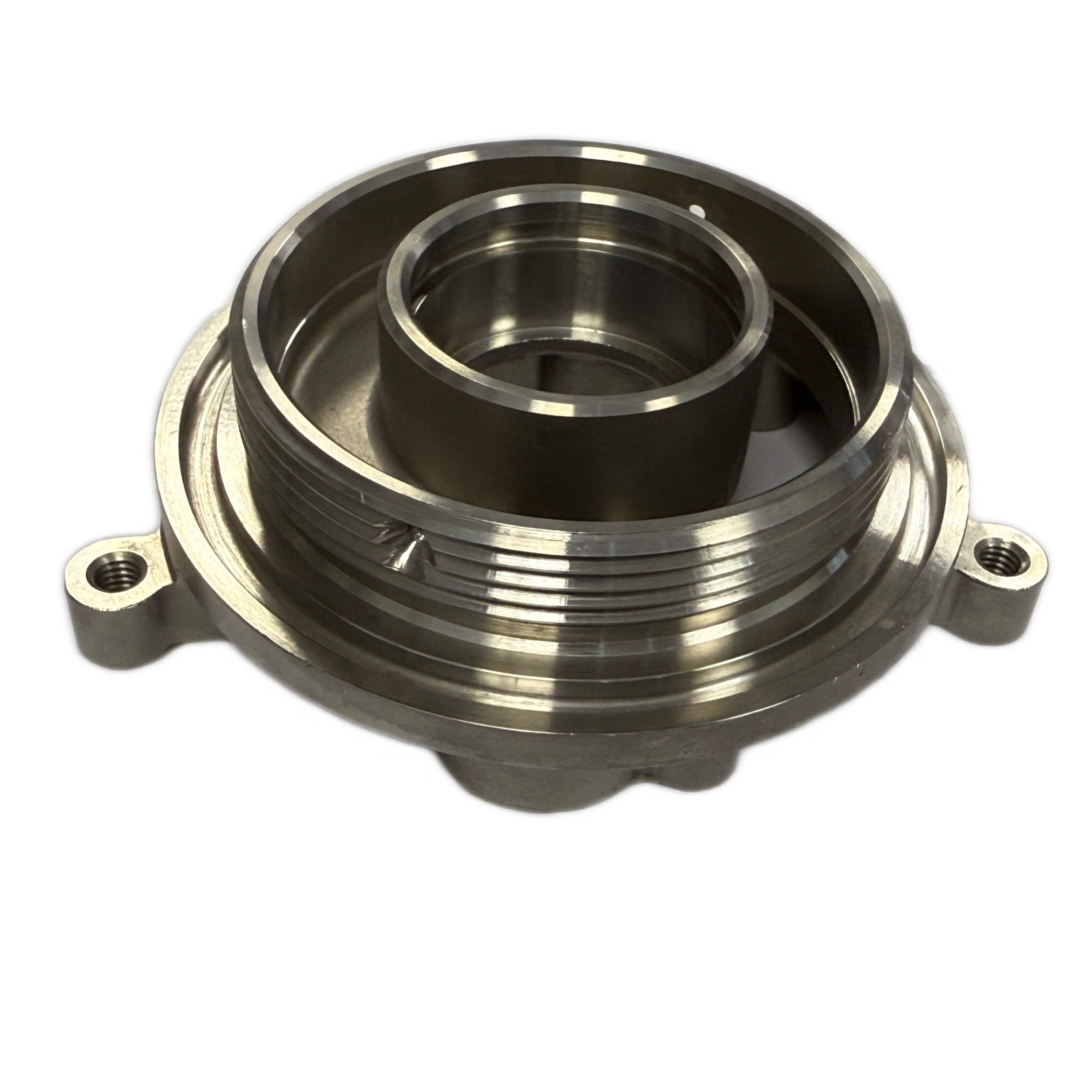
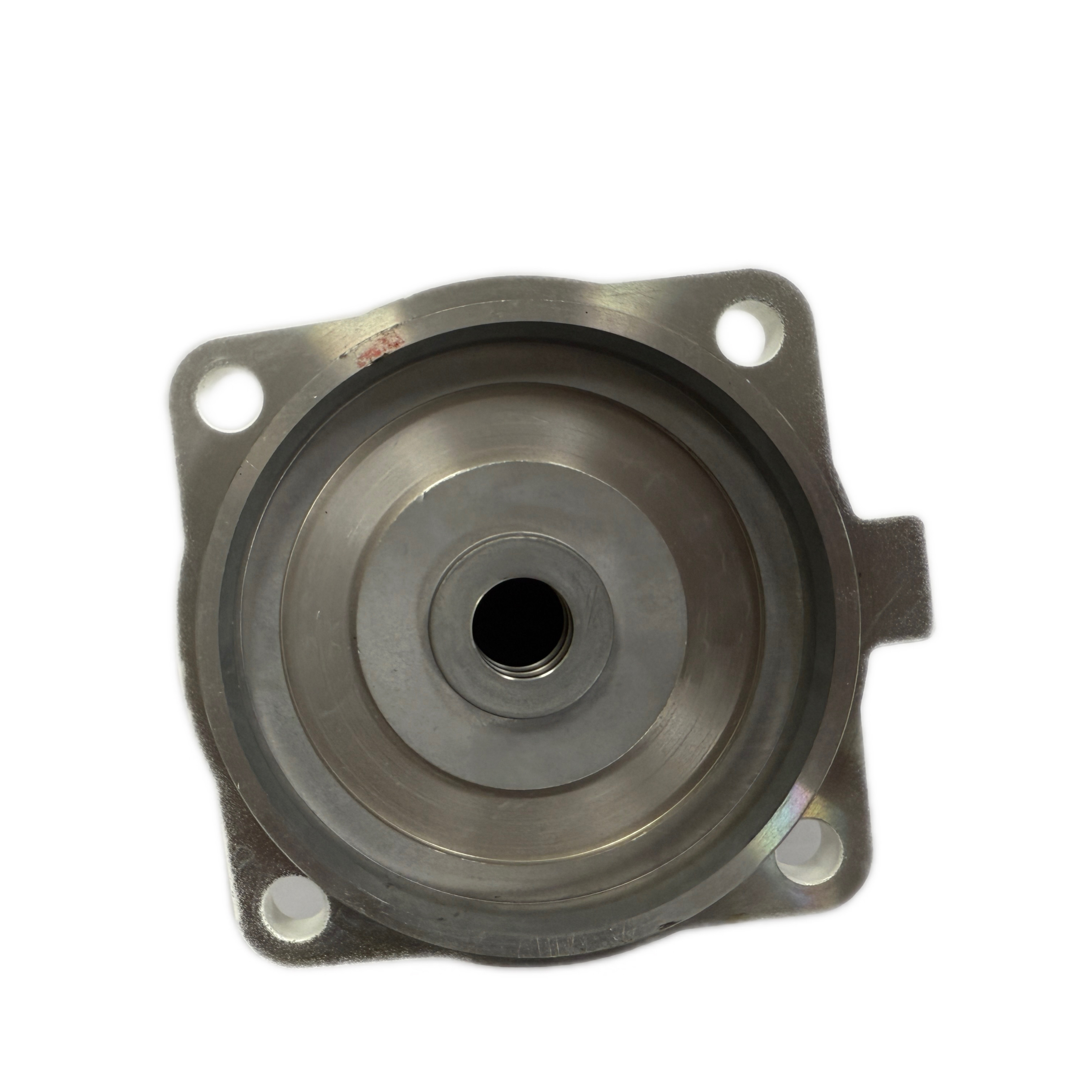
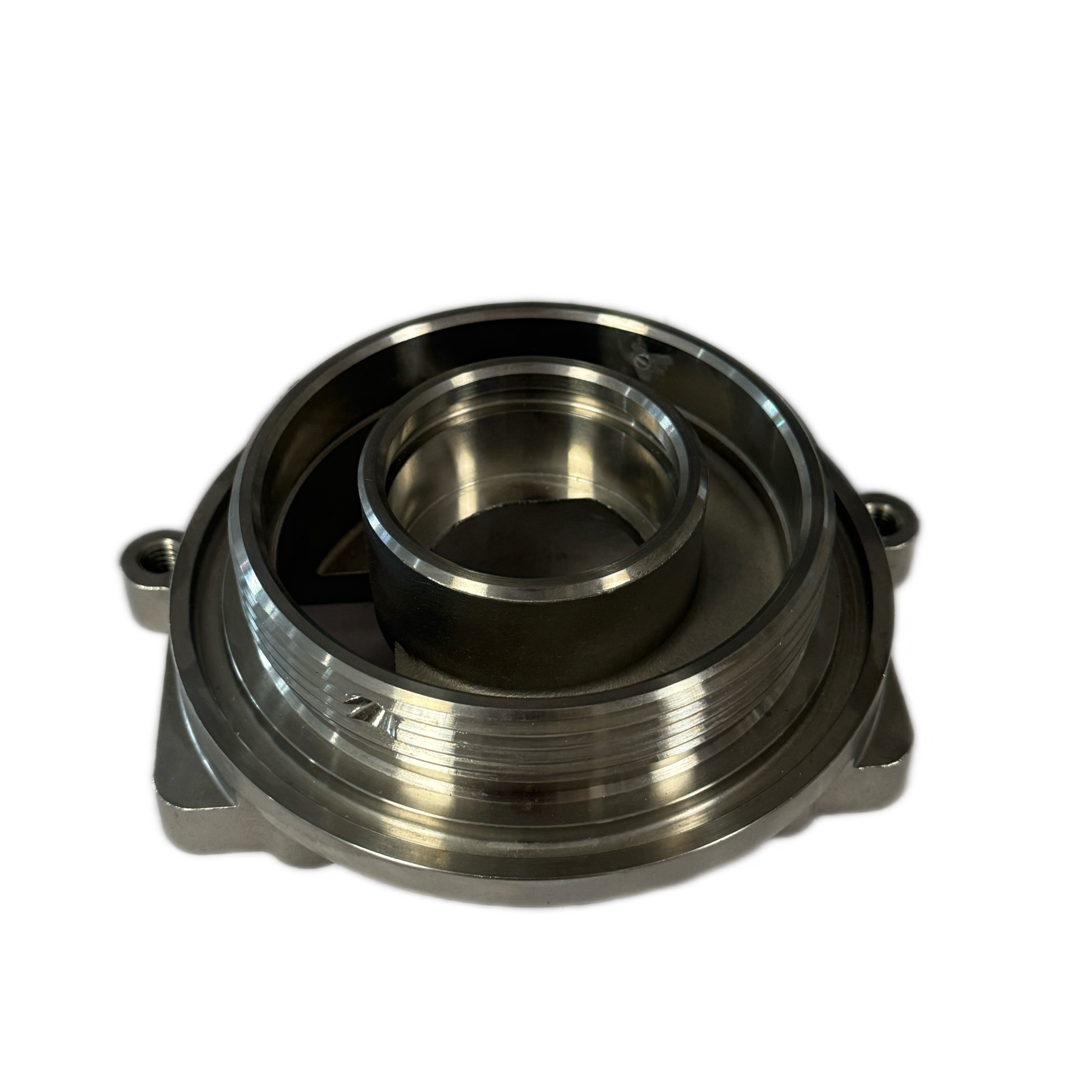
Custom OEM precision casting and machining services include stainless steel, aluminum, steel, copper and brass directions. Select the investment-casting or die-casting route for the actual component, with polishing, anodizing and a Power Coating designation among the surface-work directions.
Match the metal and route to the drawing
PDF, IGS, DWG, STEP and STP are drawing formats for the custom-part request. Use the accepted geometry to identify the supplied metal specification, casting route and areas requiring machining. Define the actual component duty and interfaces so that material and work selection follow the intended finished part.
Signed tolerance reference and measurement scope
The tolerance reference is ±0.002 to ±0.005mm, with applicability to agree for the controlled dimensions. Identify the relevant feature, material and process before assigning that range to a requirement. Establish measurement conditions, acceptance criteria and records for those dimensions so that precision acceptance refers to the selected component and work scope. For tolerance-controlled areas, state the agreed stage of measurement and the drawing locations used to record the final dimensional acceptance.
Polishing, anodizing and coating-method agreement
Choose polishing or anodizing where appropriate to the selected material and required surface. Clarify the intended method behind the Power Coating designation and define the finished condition and affected areas. Agree surface acceptance, inspection records, quantity and OEM manufacturing responsibilities alongside the material, drawing, route and machining allocation for the completed casting request.