
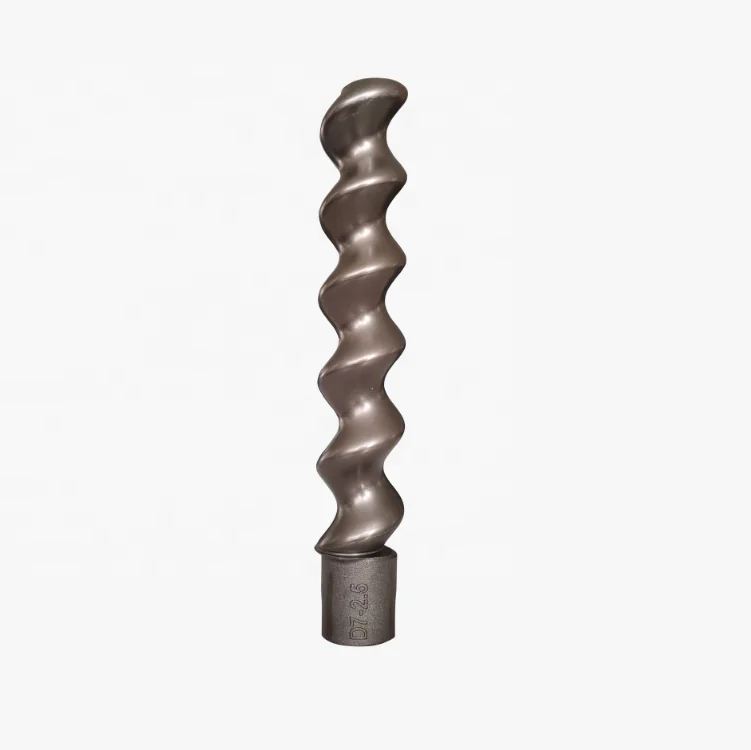
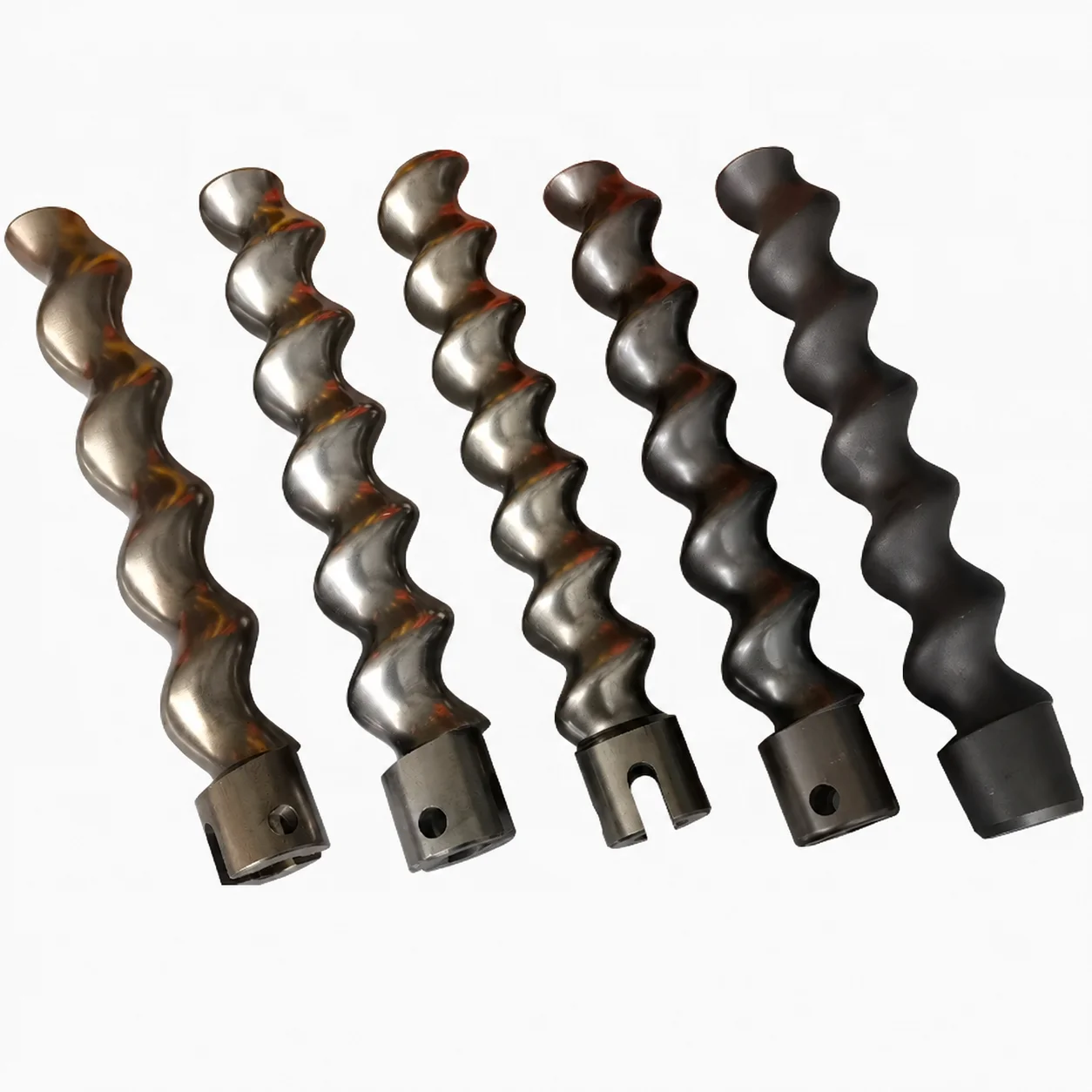
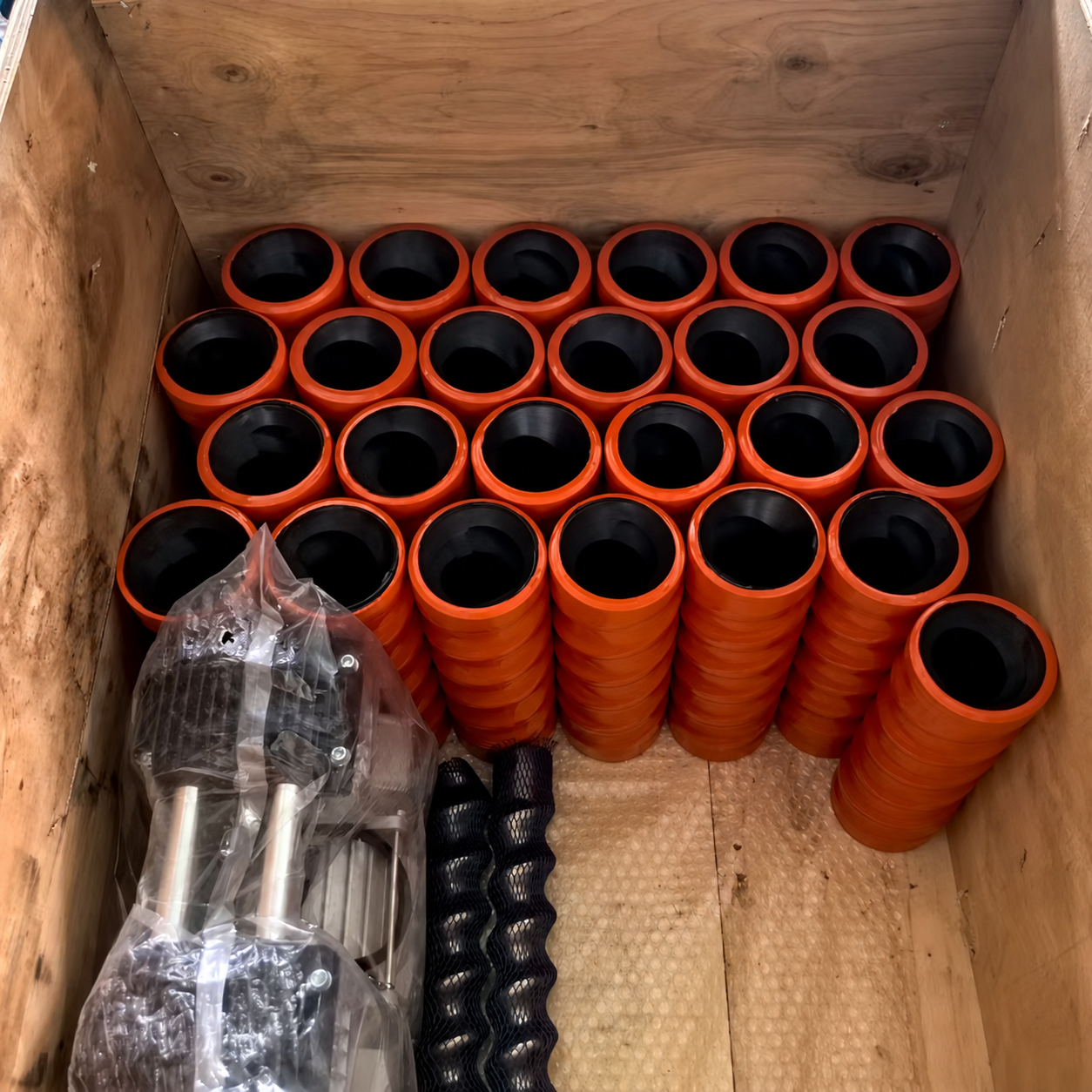
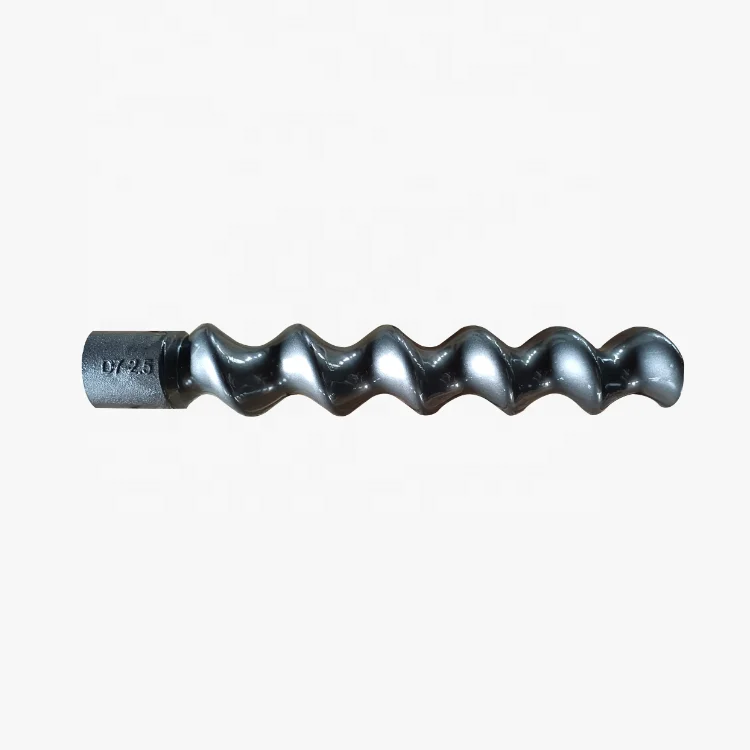
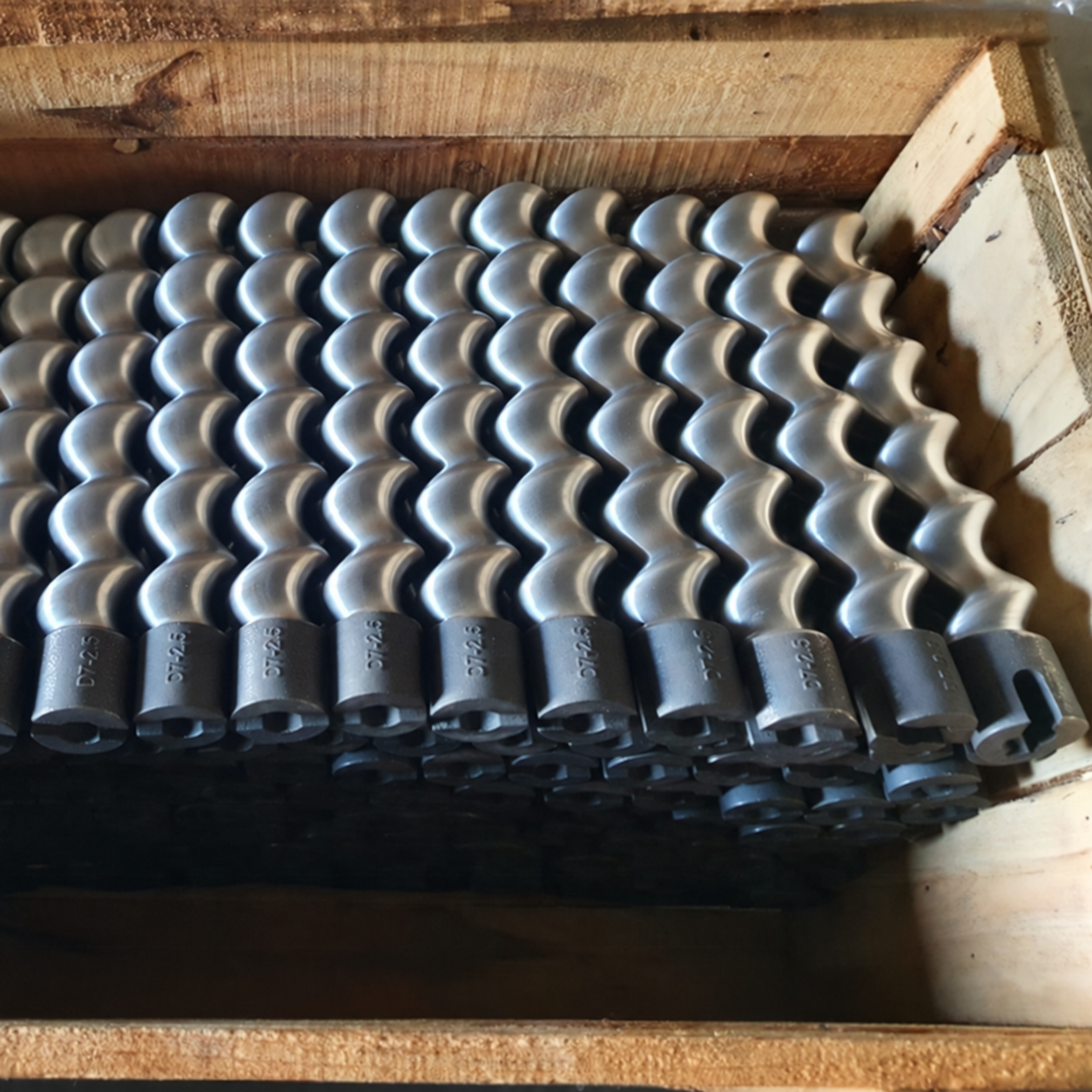
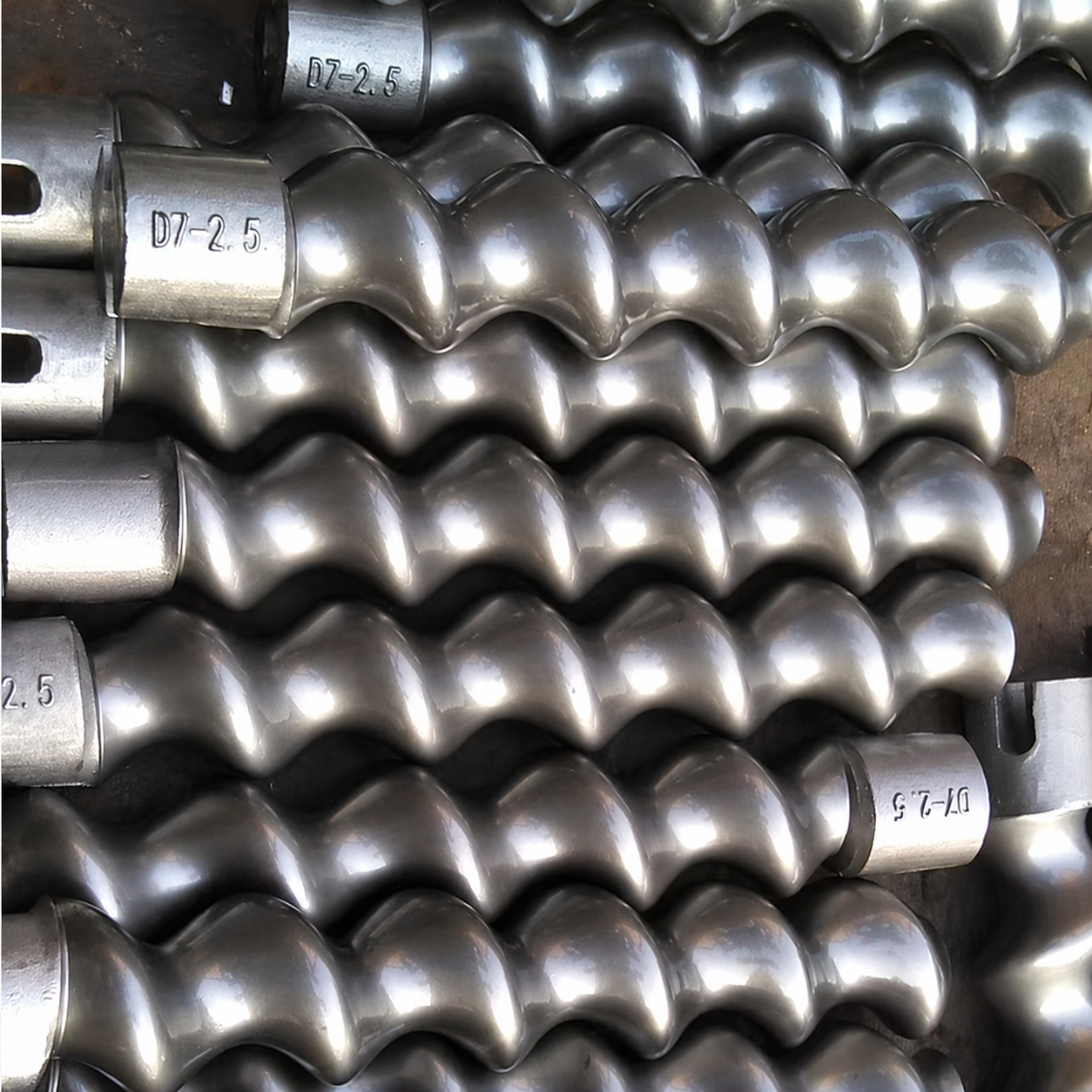
Precision-Cast Pump Rotor with Surface Hardening for 5.5 kW, 380 V Applications
Let’s define your requirement
Send a product link, drawing or short brief. We’ll work through the details with you.
- Confirm the specificationGrade or model, size and intended use.
- Define your orderQuantity, finish or configuration, and samples.
- Agree the quotation scopeIncluded work, key checks and delivery needs.
-
Component FormImpeller / Rotor
-
Video outgoing-inspectionProvidedMachinery Test ReportProvided
-
WarrantyUnavailable
This precision-cast pump rotor has surface-hardening treatment and is intended for pump-component selection. The application reference is 5.5 kW and 380 V; confirm the associated pump and drive configuration when discussing the rotor you need.
Match the rotor to the actual pump
Use the rotor drawing or mating-pump details to establish the interfaces and dimensional fit. Identify the geometry that controls assembly and state the operating conditions for the intended application. The power and voltage reference should be connected to that pump configuration, with the actual rotor dimensions forming the basis for component selection.
Agree the surface-hardening acceptance
Surface hardening is part of the rotor's treatment direction. Establish the material, hardening method and required hardness or depth for the selected component before approval. These requirements should identify the areas covered by the treatment and how the finished rotor will be evaluated, keeping the treatment scope aligned with the intended pump duty.
Use inspection material for part approval
An outgoing-inspection video and machinery test report are provided. Review them against the rotor being supplied and the dimensional or treatment criteria agreed for the order. The useful purchasing decision is whether the actual component satisfies those criteria, so match the inspection material to the accepted part configuration.
- Identify the pump and drive application associated with 5.5 kW and 380 V.
- Confirm rotor geometry and mating-interface dimensions.
- Agree material and surface-hardening acceptance.
- Review the supplied inspection video and report for that component.
Completing these checks gives the rotor request a specific fit and treatment basis before part selection.








