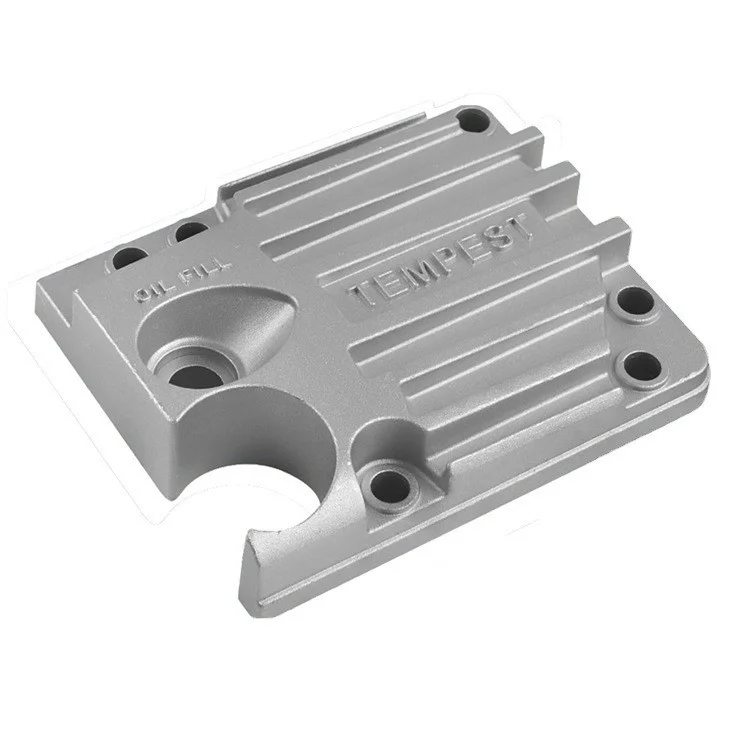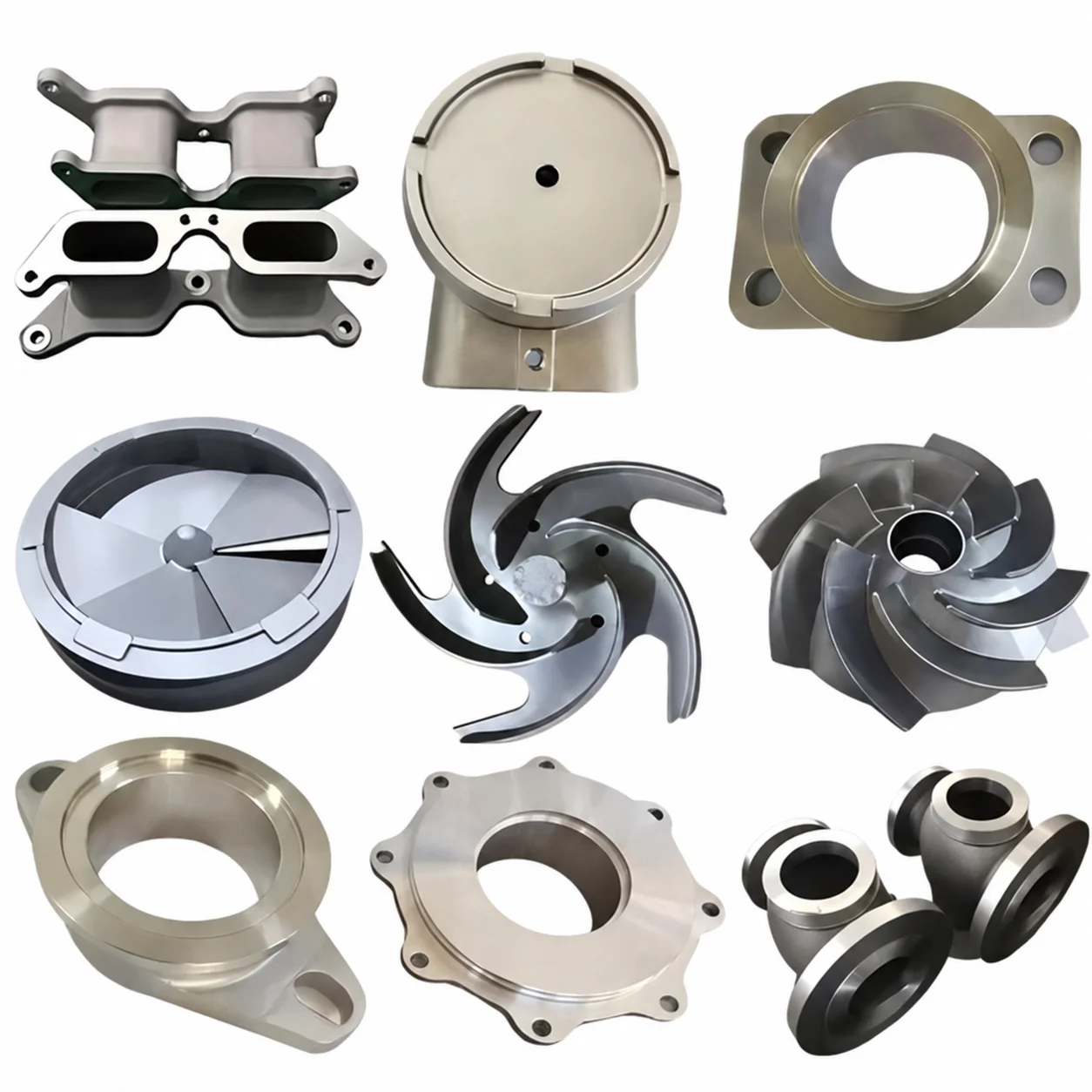
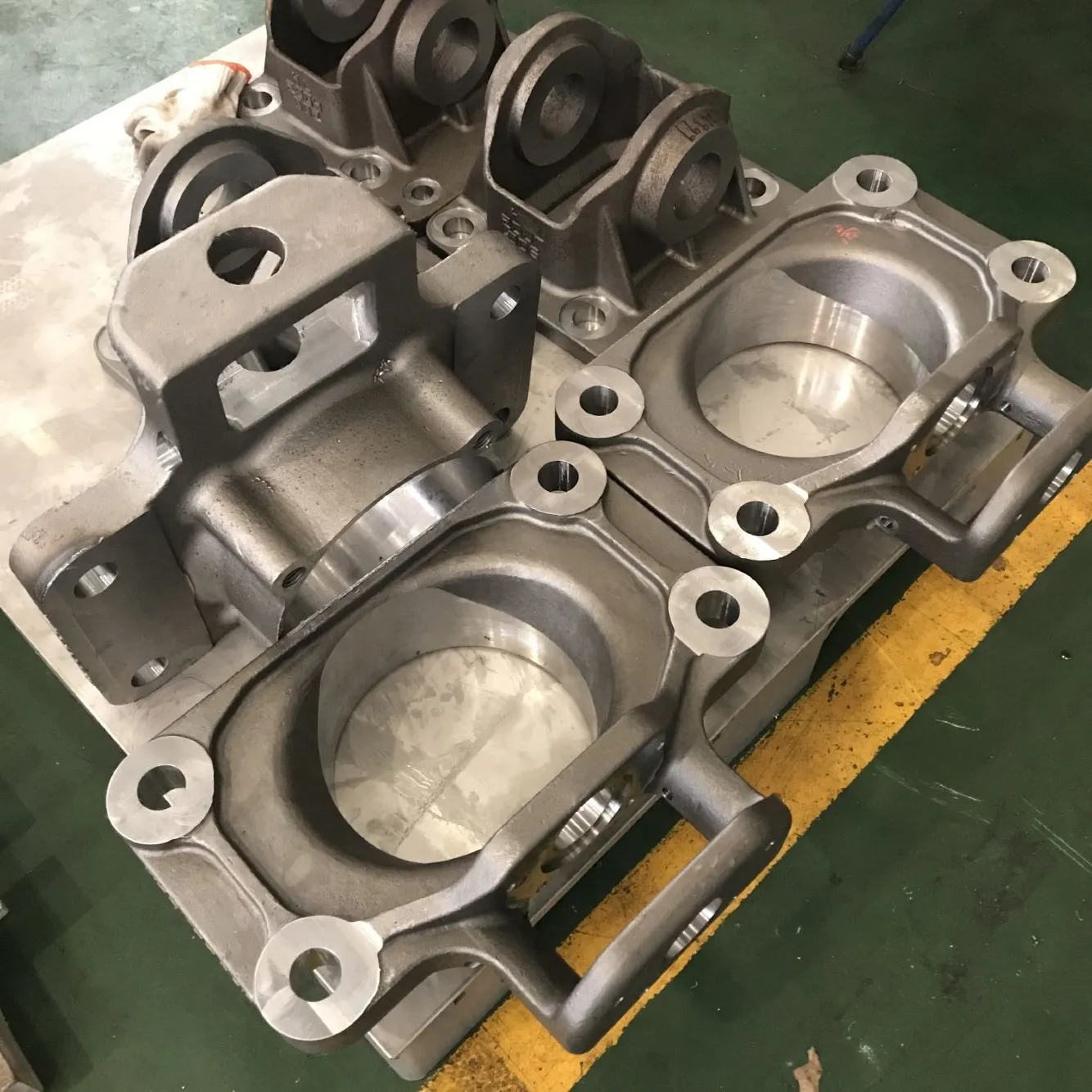
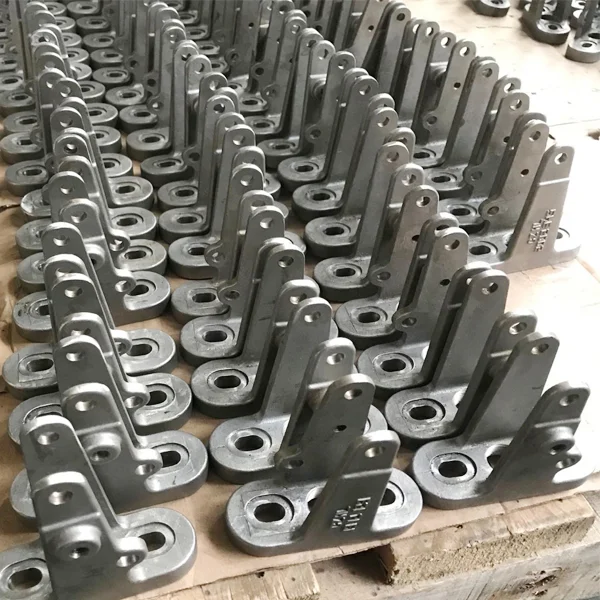
Precision Carbon Steel Lost Wax Investment Casting Parts with Surface-Treatment Options
Let’s define your requirement
Send a product link, drawing or short brief. We’ll work through the details with you.
- Confirm the specificationGrade or model, size and intended use.
- Define your orderQuantity, finish or configuration, and samples.
- Agree the quotation scopeIncluded work, key checks and delivery needs.
-
Surface FinishShot Blasted , Polished
-
Product nameinvestment casting parts
-
MaterialCarbon steel, stainless steel, alloy steelSurface treatmentPolishing,Powder Coating,Shot blasting,Electroplating, etc.
-
Inspection100% inspectionWeight0.01-1000kg
-
CertificateISO9001PackingWooden Case
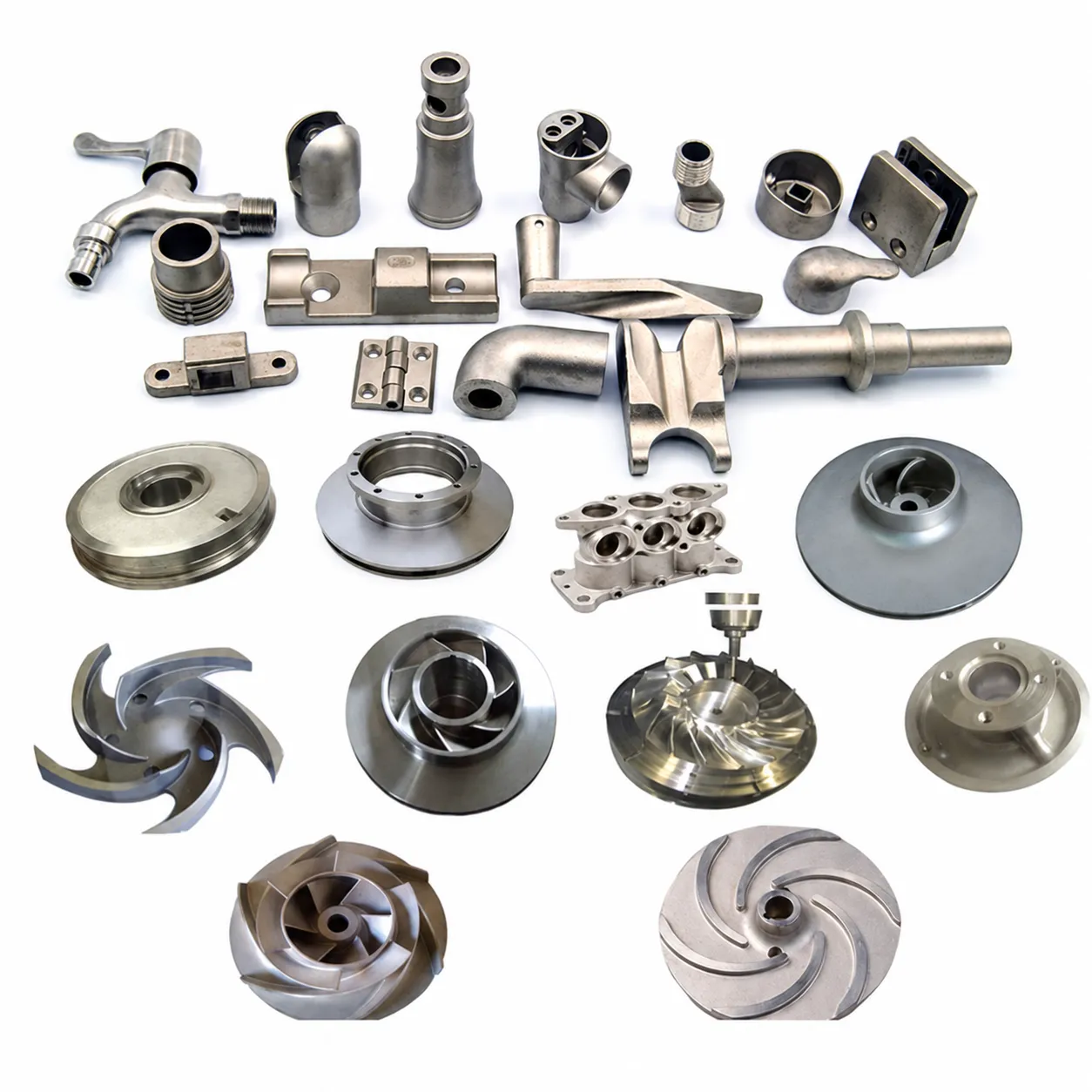
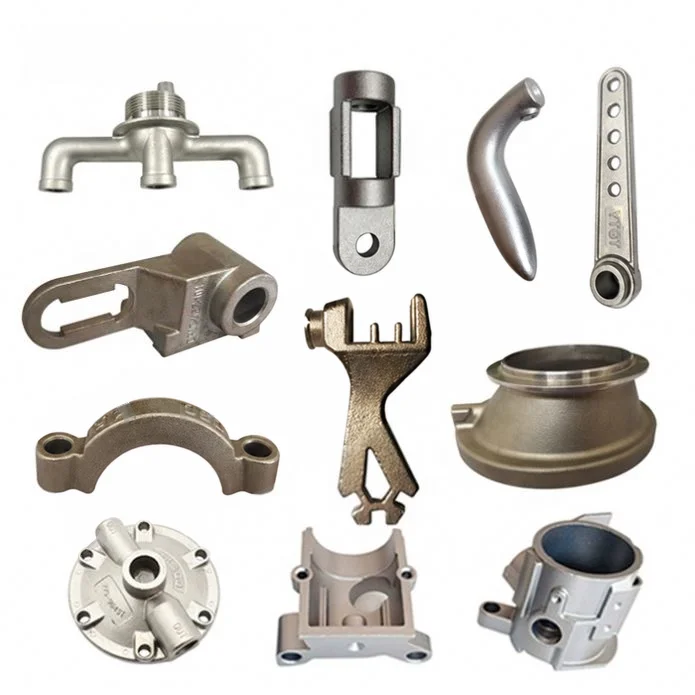
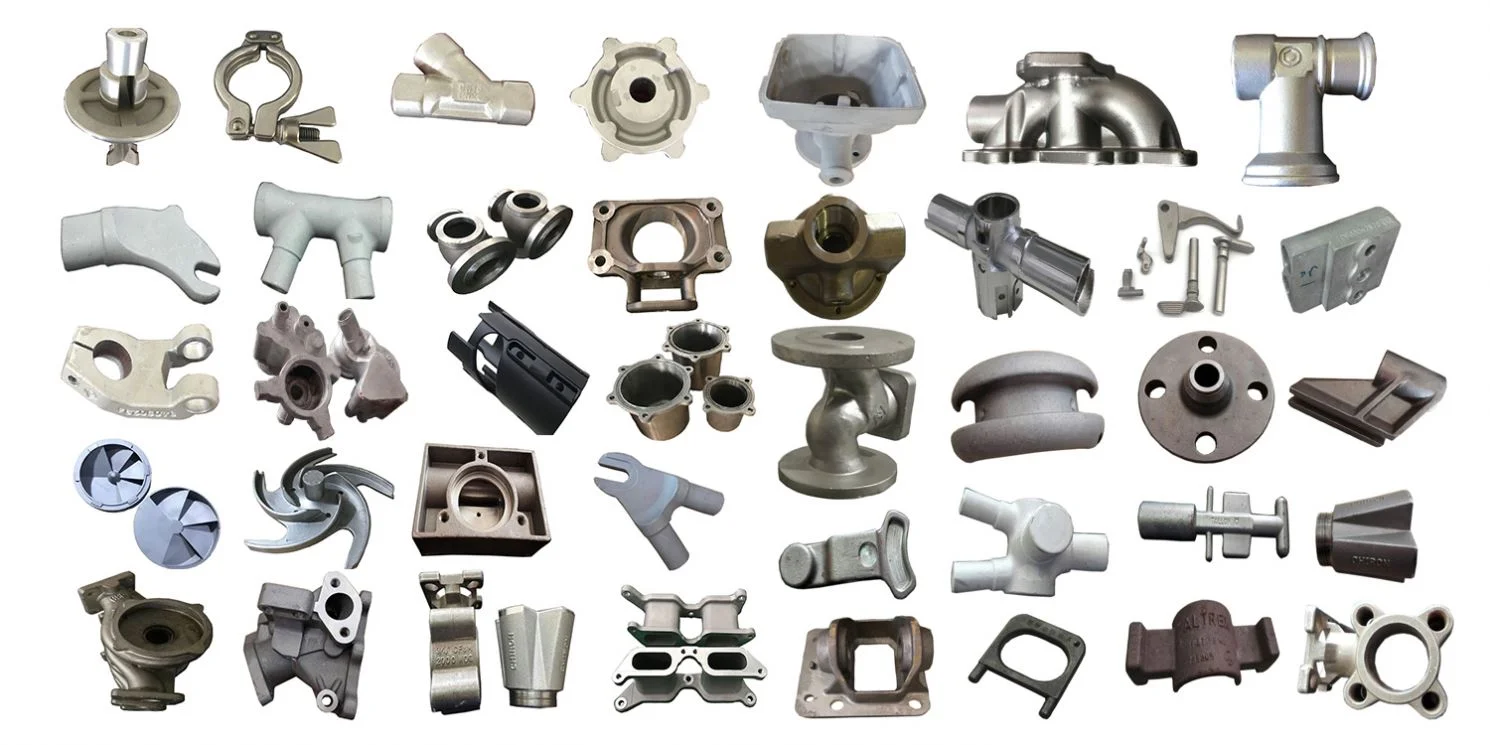
Precision carbon steel investment casting parts use a lost wax metal-casting route, with stainless steel and alloy steel as further material choices. Polishing, powder coating, shot blasting and electroplating are available surface-treatment options. Select the material grade and finished condition for the specific casting before agreeing its acceptance requirements.
Identify the metal grade and casting geometry
Choose carbon steel for the primary component enquiry or specify the required stainless steel or alloy steel alternative. Define the casting geometry and the dimensions that matter to the finished part. The selected grade and component requirements should remain together when reviewing the lost wax casting, so the material choice refers to the actual part.
Allocate the selected treatment to the required surfaces
Polishing, powder coating, shot blasting and electroplating offer different surface-treatment choices for the enquiry. Identify the surfaces requiring the selected process and define their required condition. Agree the treatment against the chosen steel and the component's dimensional requirements, keeping finished appearance and controlled interfaces identifiable in the part definition.
Set the inspection and qualification acceptance
These metal investment casting parts receive 100% inspection. Specify the inspection method and acceptance criteria required for the actual dimensions and surface treatment. ISO9001 certification supports qualification review, with the current object and scope confirmed for the order. Define the relevant acceptance records alongside the component requirements so the inspected casting can be assessed as the particular metal part requested.