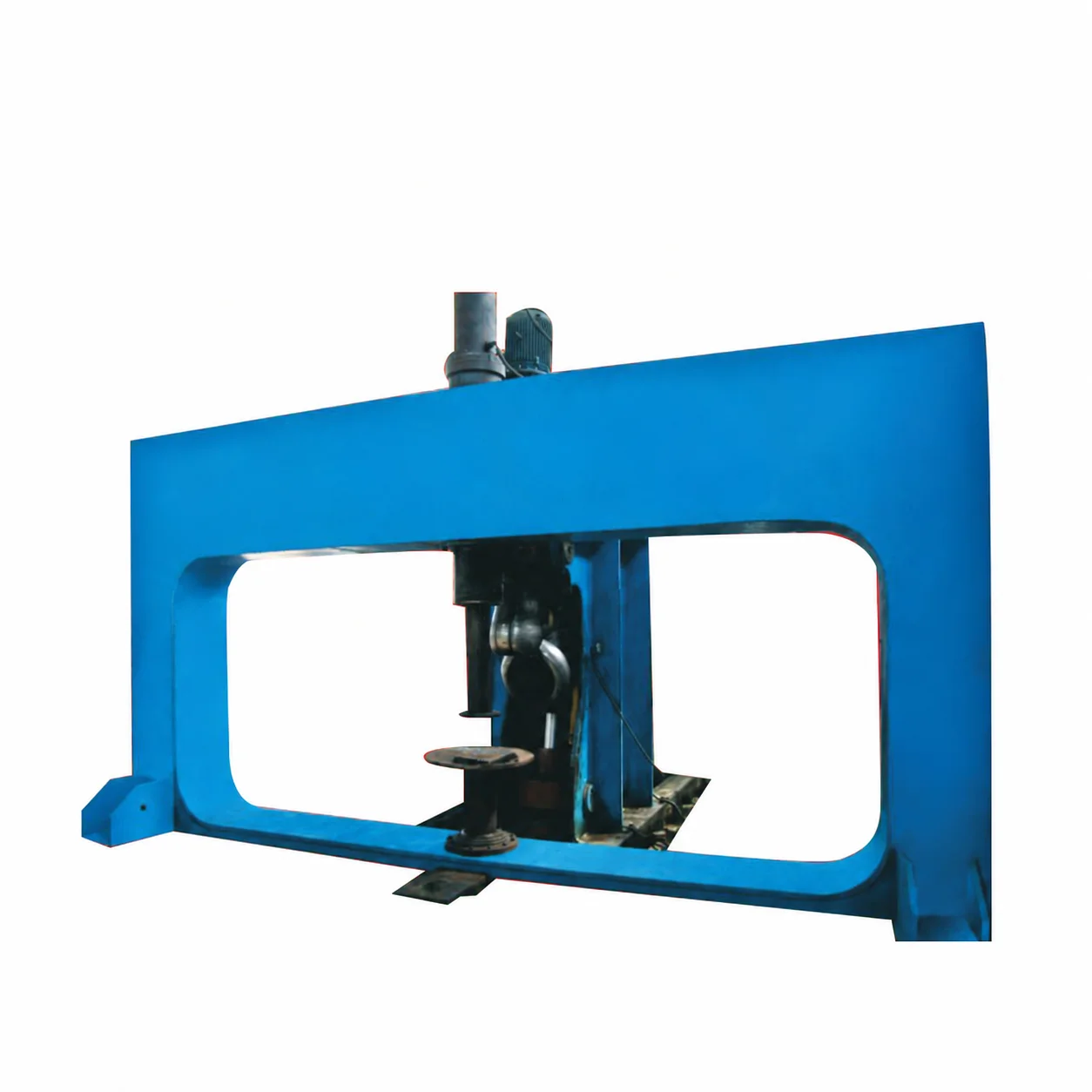
PLC Hot-Chamber Die Casting Machine, 147kN Injection Force, 380V, 8kW
Let’s define your requirement
Send a product link, drawing or short brief. We’ll work through the details with you.
- Confirm the specificationGrade or model, size and intended use.
- Define your orderQuantity, finish or configuration, and samples.
- Agree the quotation scopeIncluded work, key checks and delivery needs.
-
Equipment Supply Voltage380V
-
machine typeHot Chamber Die Casting Machinevideo outgoing-inspectionProvided
-
machinery test reportProvidedcore componentsPLC
-
injection force(kn)147voltage380 V
-
weight (kg)15000power (kw)8
-
warranty1 Yearkey selling pointsHigh Rigidity, Easy to Operate
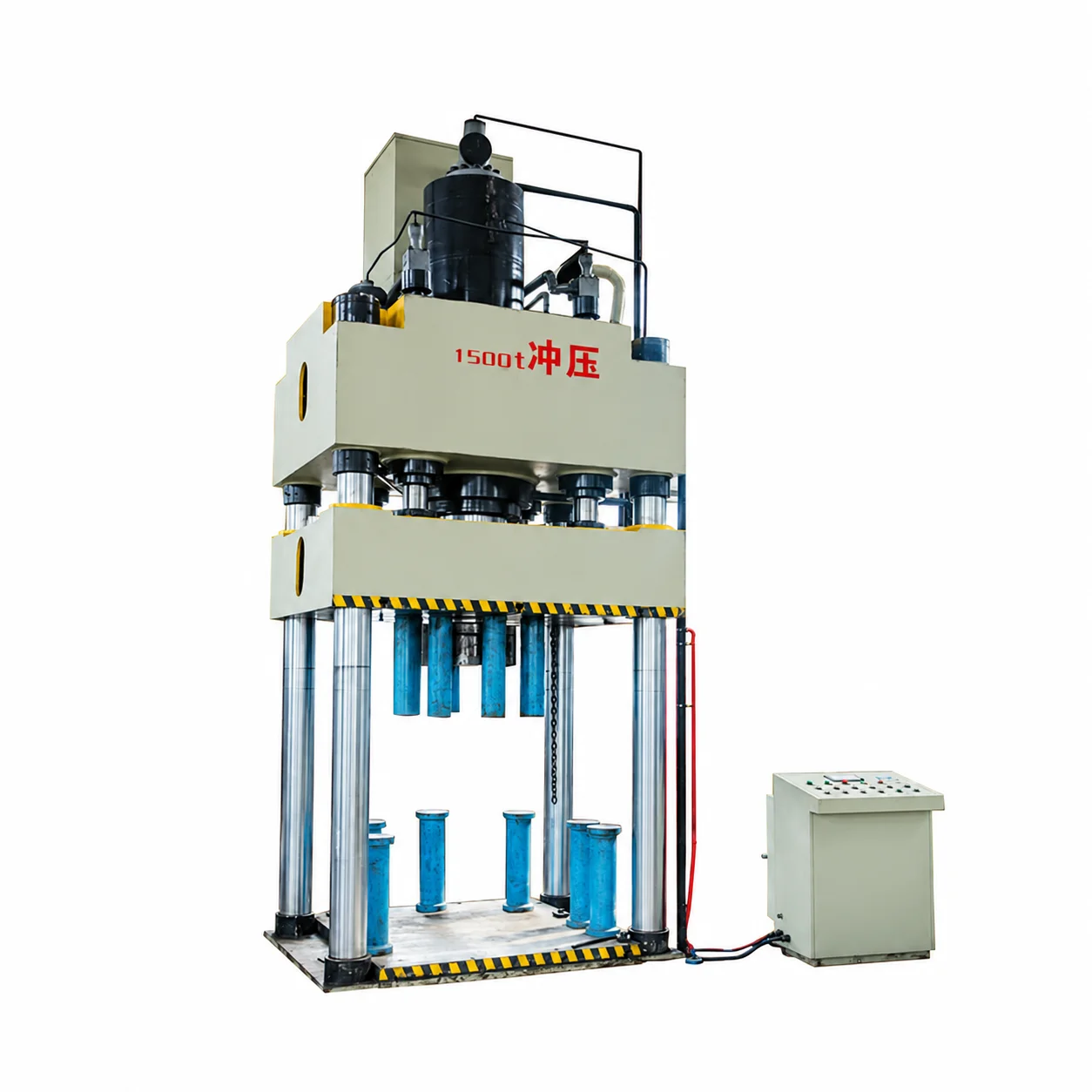
This hot-chamber die-casting machine has PLC core components and a high-rigidity, easy-operation design direction. Technical values include 147 kN injection force, 380 V and 8 kW, with an outgoing-inspection video and machinery test report provided.
Define the operation before selecting the machine
Identify the casting material, die requirements and production operation that the machine must support. For precision-stamping or can-manufacturing inquiries, confirm how the intended operation and tooling match the actual hot-chamber configuration. This keeps selection focused on the machine and process required for the project.
Review injection force, power and PLC requirements
The injection-force value is 147 kN, while the electrical references are 380 V and 8 kW. Compare those values with the intended application and the accepted machine documentation. Confirm the PLC functions and operating requirements for the supplied configuration, including the controls the operator will use in the agreed production process.
Connect inspection documents to machine acceptance
The inspection video and machinery report can support review of the actual machine being supplied. Agree the checks and operating conditions that define acceptance, then match the provided inspection material to that configuration. High rigidity and ease of operation should be considered alongside the tooling and control requirements of the intended task.
- State the intended production operation and casting material.
- Define the die or tooling requirement for the selected machine.
- Confirm the 147 kN injection-force and electrical references.
- Review PLC functions, operating requirements and machine layout.
- Agree acceptance checks using the provided video and machinery report.
Use the complete technical documentation to settle installation and operating requirements. This provides a concrete basis for selecting the hot-chamber machine for the intended production configuration.