
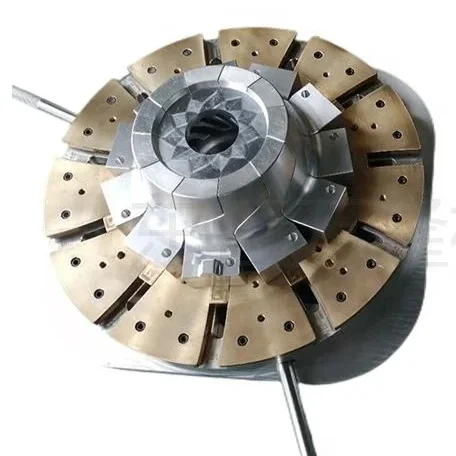
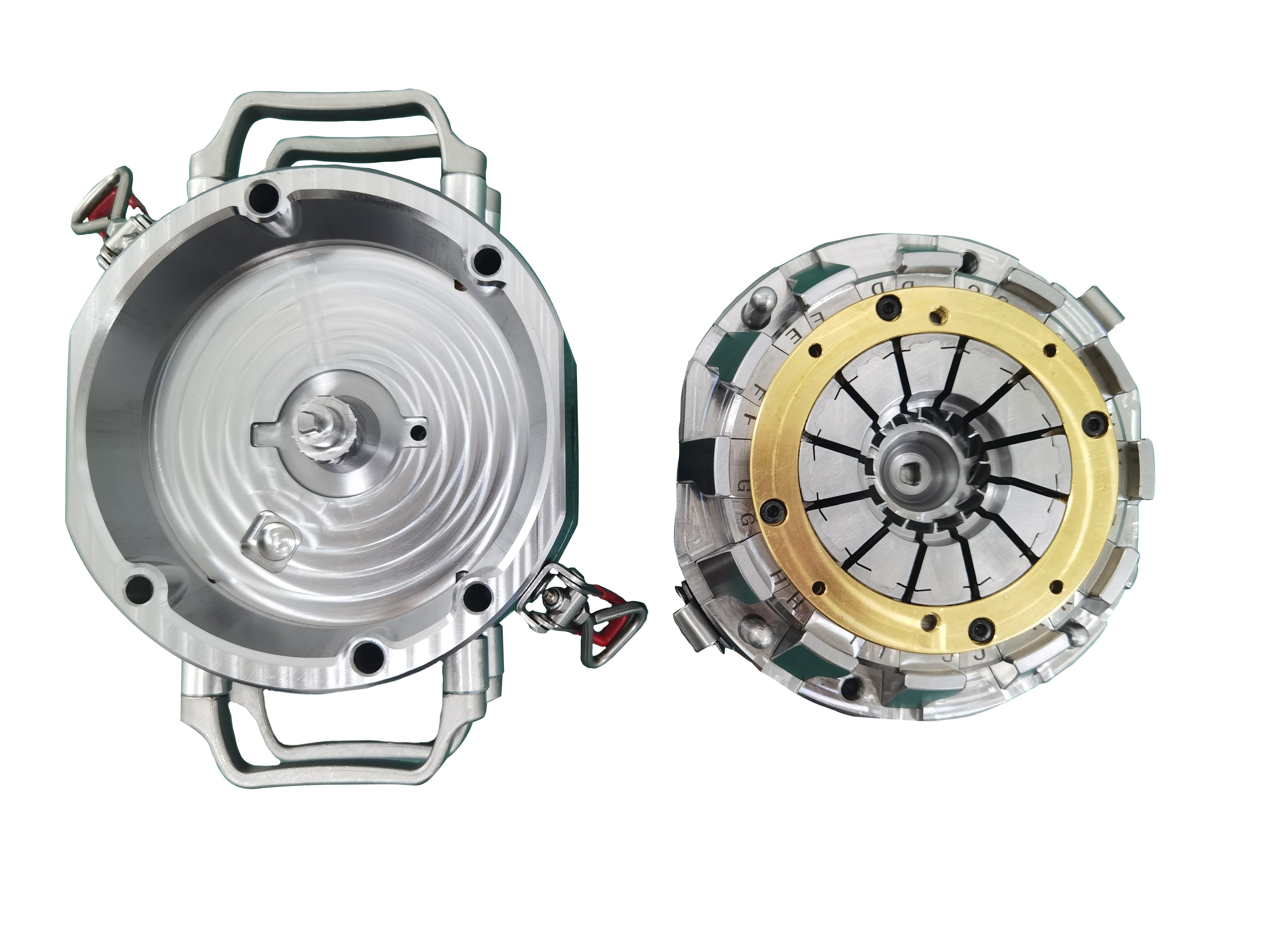
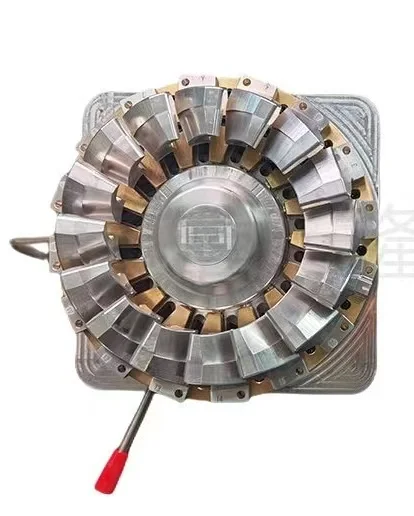
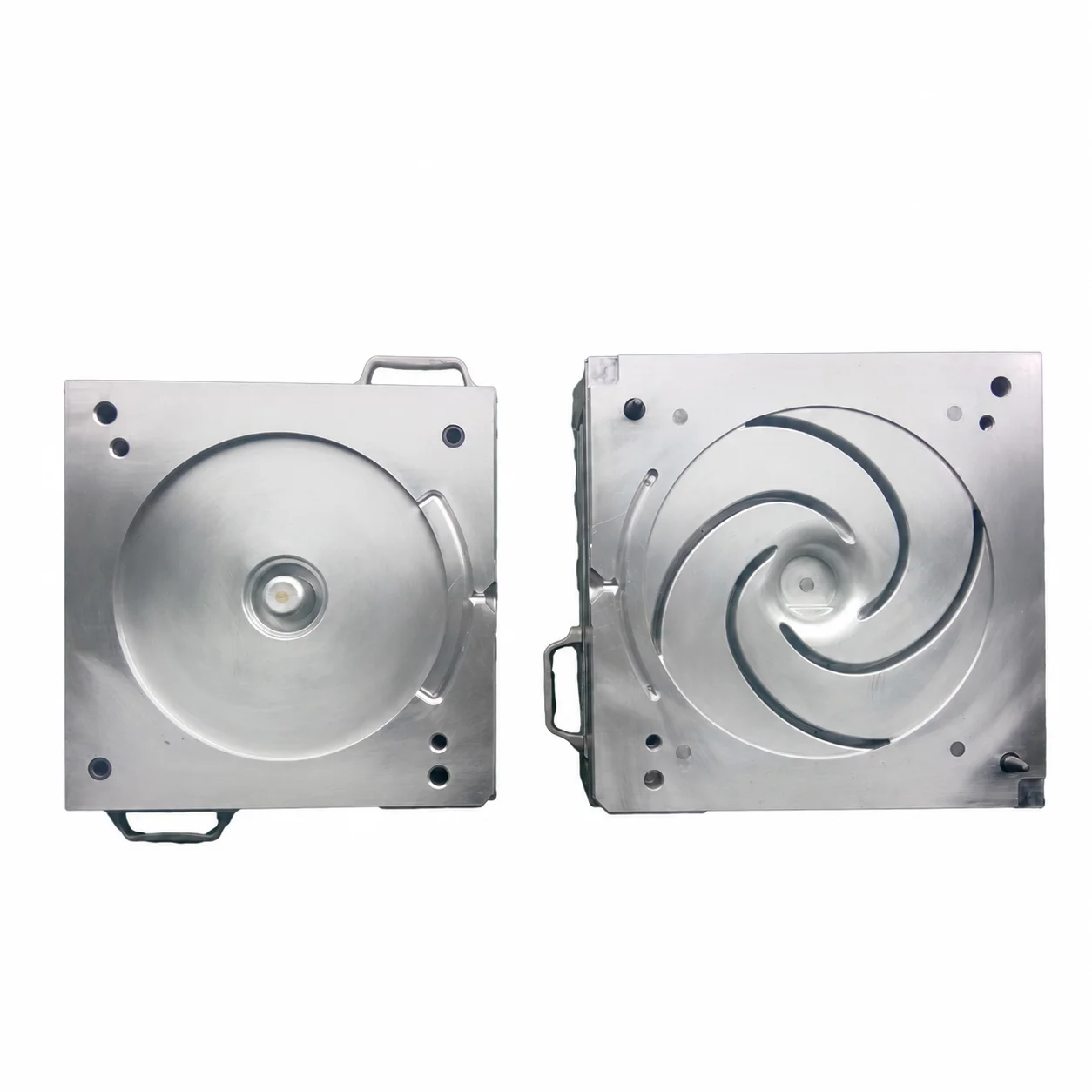
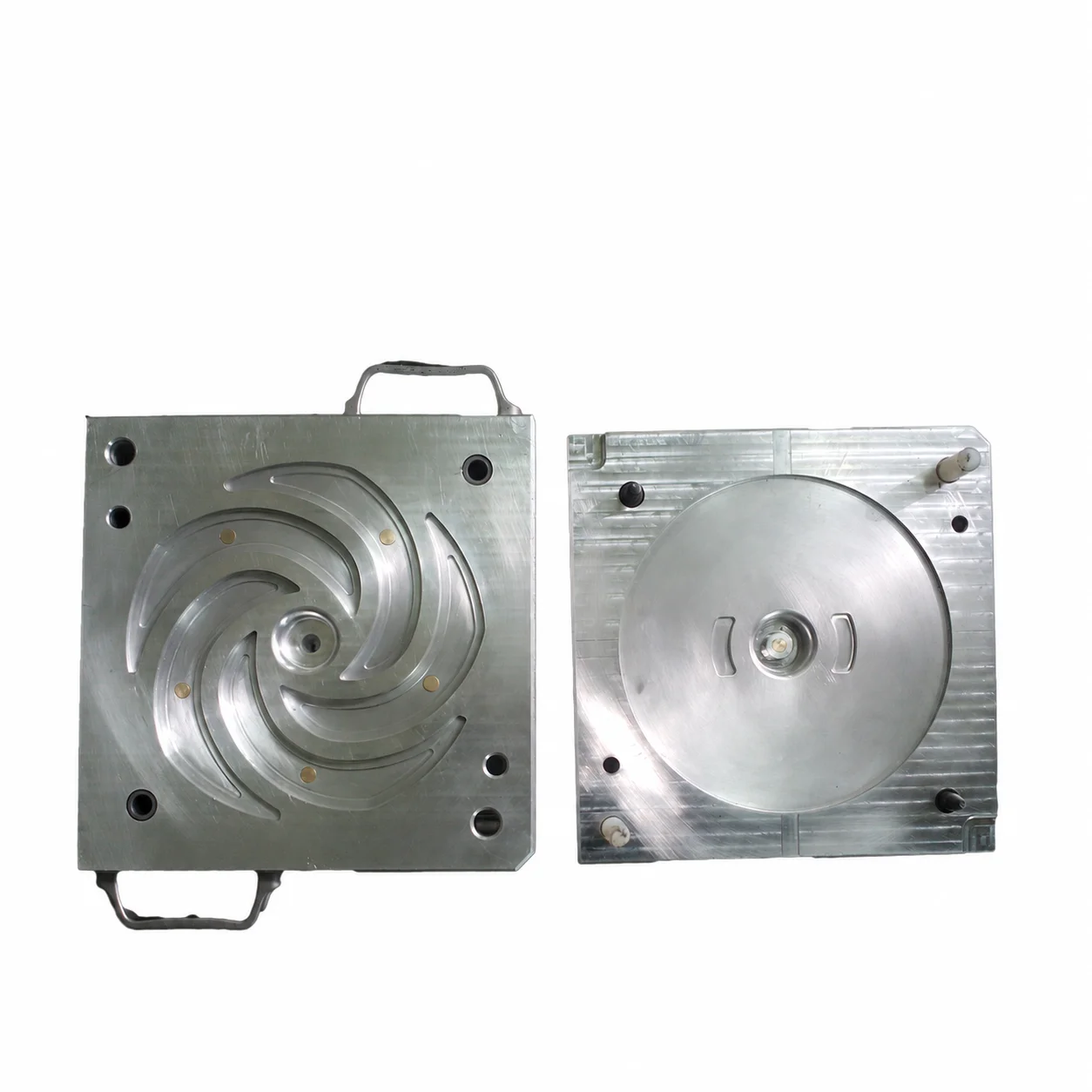
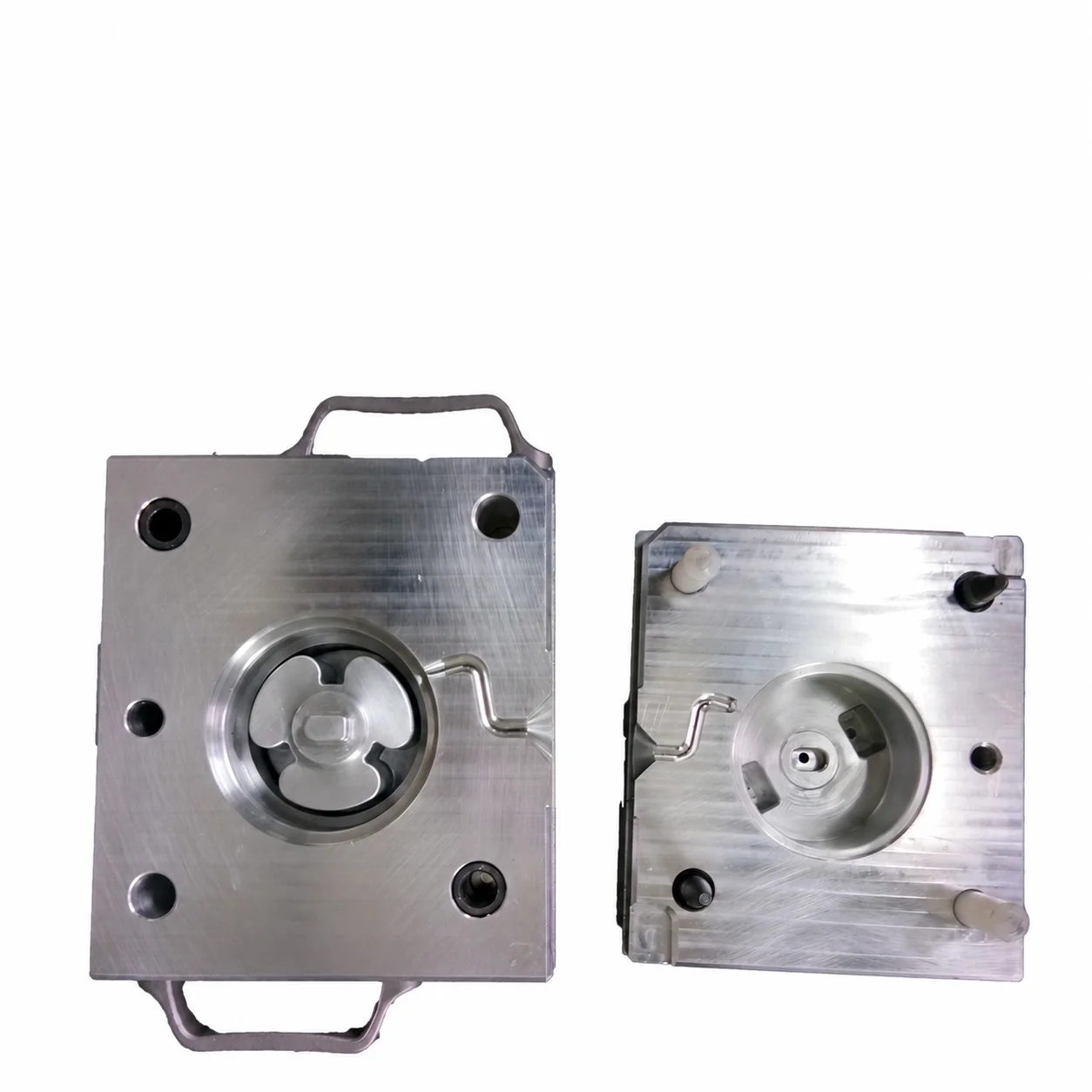
OEM Vacuum and Investment Casting Molds for Impellers with CNC Machining
Let’s define your requirement
Send a product link, drawing or short brief. We’ll work through the details with you.
- Confirm the specificationGrade or model, size and intended use.
- Define your orderQuantity, finish or configuration, and samples.
- Agree the quotation scopeIncluded work, key checks and delivery needs.
-
Component FormImpeller / RotorSurface FinishSandblasted
-
Product nameCNC Machining Investment Casting Mould for Impellers
-
ApplicationInvestment Casting PartsProcessInvestment casting and Machining
-
Material CapabilitiesAluminum ,Steel and Brass etcSurface FinishHeat treatment, sand blast etc
-
ServiceOEM ODM CustomisedStandardClient Specification
-
PackingCarton wooden box or otherSizeCustomer's Drawing Required
-
Drawing Formatstep, stl, igs, etc
Custom vacuum and investment casting molds for impellers are offered with CNC machining and OEM/ODM support. The enquiry follows the client's specification and required drawing dimensions. Aluminum, steel and brass are named material capabilities, while heat treatment and sand blasting provide processing choices to discuss for the relevant material and manufacturing stage.
Define the mold around the impeller geometry
Provide the impeller drawing together with the intended function of the mold in the casting process. Identify the tooling requirements and distinguish the mold material specification from the material of the component it serves. This gives the vacuum or investment casting mold enquiry a defined geometry, material role and manufacturing purpose.
CNC machining and selected treatment stages
Investment casting and machining form the named process scope, with CNC machining included in the mold service. Mark the controlled dimensions and relevant machined areas on the tooling drawing. Heat treatment and sand blasting should be selected with the material and required condition, keeping treatment stages connected to the features and surfaces that govern tooling acceptance.
Send the client specification with the model
Accepted drawing inputs include STEP, STL and IGS, with sizes defined by the customer's drawing. Keep the model and specification consistent on geometry, material roles, machining limits and chosen treatment. Include the mold's acceptance criteria and the intended impeller application so the OEM/ODM discussion can address tooling suitability against the actual project requirements. The enquiry can then connect the custom mold with its required casting function.








