
OEM Steel Investment Cast Parts | Vacuum and Die Casting Enquiries
Let’s define your requirement
Send a product link, drawing or short brief. We’ll work through the details with you.
- Confirm the specificationGrade or model, size and intended use.
- Define your orderQuantity, finish or configuration, and samples.
- Agree the quotation scopeIncluded work, key checks and delivery needs.
-
Surface FinishPolished
-
MaterialSteel
-
ApplicationIndustrySurface treatmentPolishing
-
Product nameCustom Casting PartsProcessCasting +Machining(if Need)+surface Treatment
-
ServiceCustomized OEMCertificationISO9001:2015
-
DimensionsCustomized SizesToleranceCustomer's Drawing Request
-
MOQ100pcs
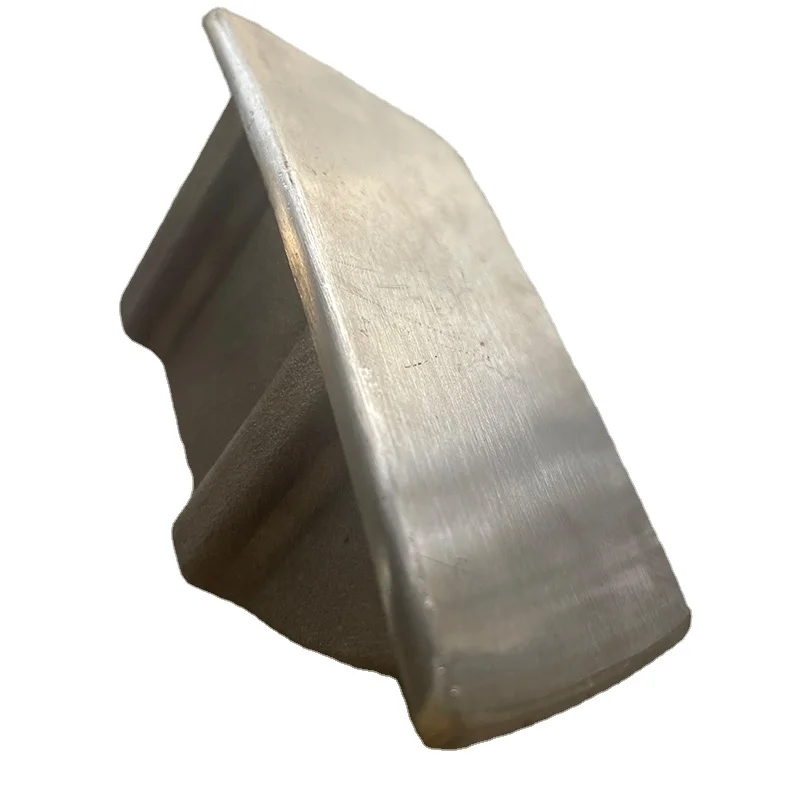
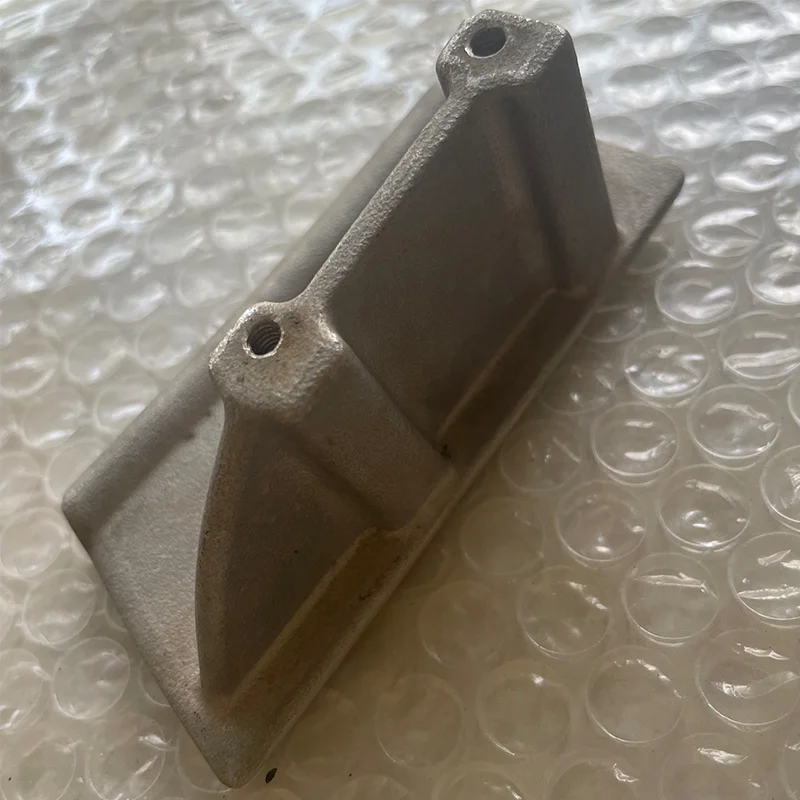
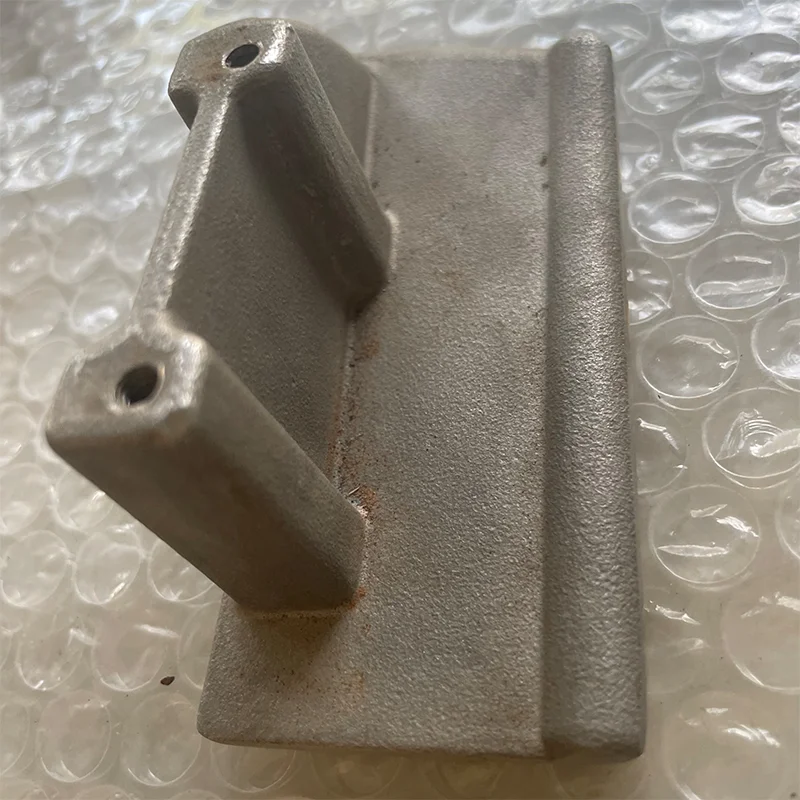
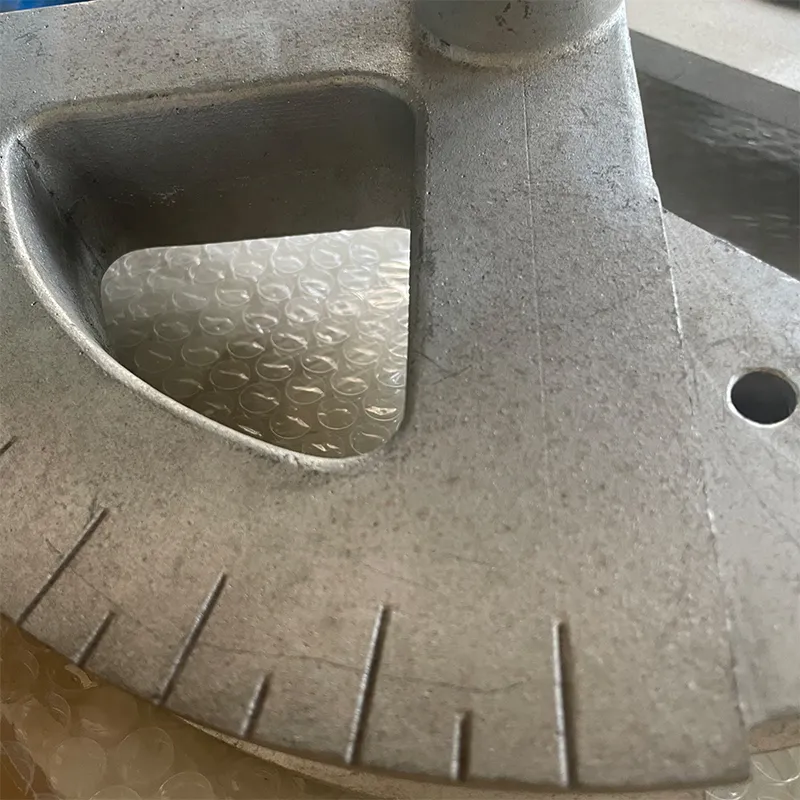
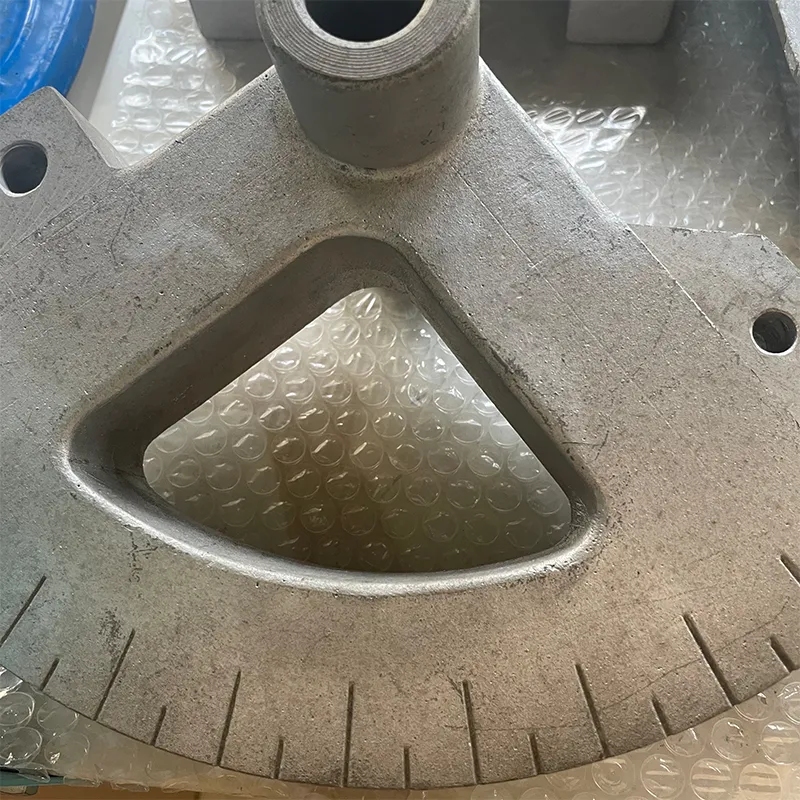
Custom OEM steel casting parts serve industrial requirements with drawing-defined sizes and tolerances. Machining is available if needed, followed by the specified surface treatment, with polishing as the named finish. Investment, vacuum and die casting enquiries are reviewed against the selected material and component geometry so the intended route is established for the part.
Confirm the steel grade and casting process
The steel specification and casting route should be considered together when the component is defined. Provide its geometry and explain how it fits within the industrial equipment or assembly. This makes the process enquiry specific to the part, allowing the chosen grade, forming method and finished condition to be discussed on the same basis.
Drawing tolerances and polished faces
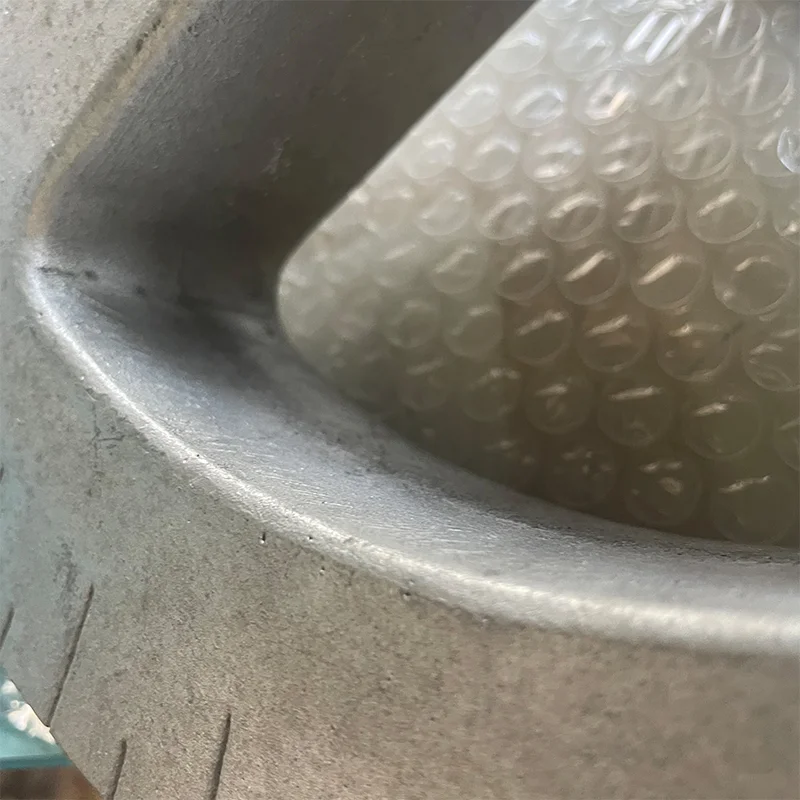
Custom sizes and tolerances follow the customer's drawing, which should identify the dimensions controlling the component's fit and function. Distinguish cast surfaces, areas requiring machining and faces selected for polishing. State the required dimensional limits and surface acceptance so the scope of each operation remains connected to the condition needed in the final assembly.
Coordinate the OEM component requirements
Bring the steel grade, drawing revision, proposed casting route and machining or polishing instructions into one enquiry. ISO9001:2015 certification is stated, with the relevant certificate scope and acceptance documentation to be confirmed for the component. Include the industrial operating requirements that affect acceptance and identify the finished surfaces to be evaluated. These details provide a practical basis for reviewing the custom casting and its subsequent processing.








