OEM Stainless Steel and Iron Precision Hardware, Forging, Die and Investment Casting Services
Let’s define your requirement
Send a product link, drawing or short brief. We’ll work through the details with you.
- Confirm the specificationGrade or model, size and intended use.
- Define your orderQuantity, finish or configuration, and samples.
- Agree the quotation scopeIncluded work, key checks and delivery needs.
-
Surface FinishPainted , Powder Coated
-
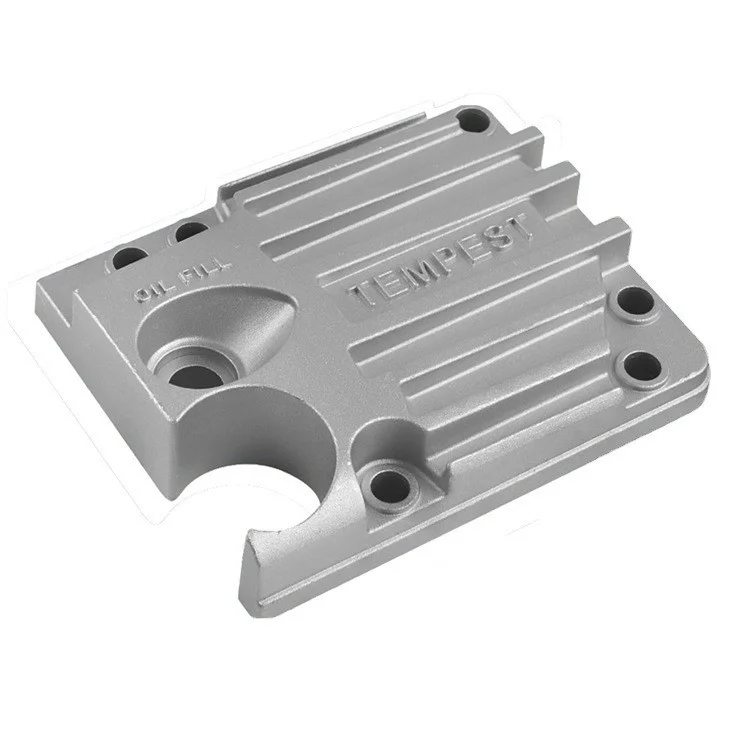
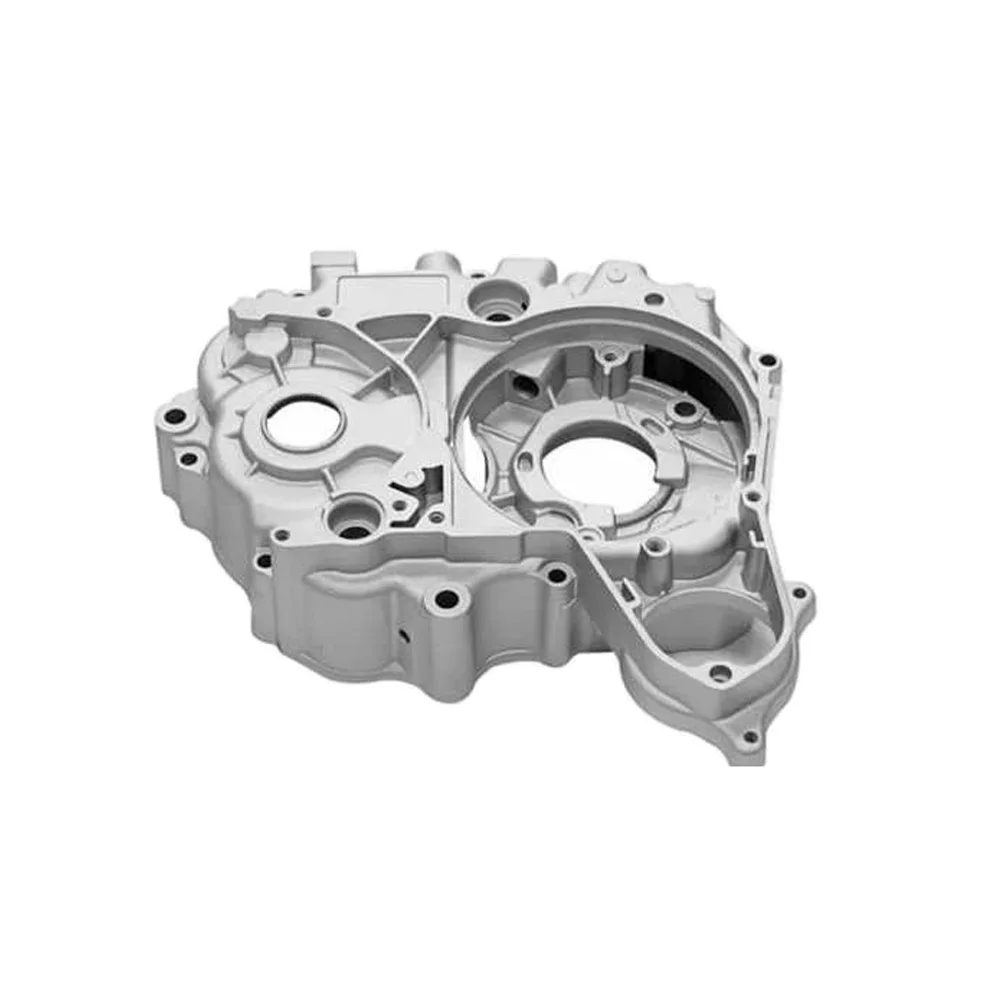
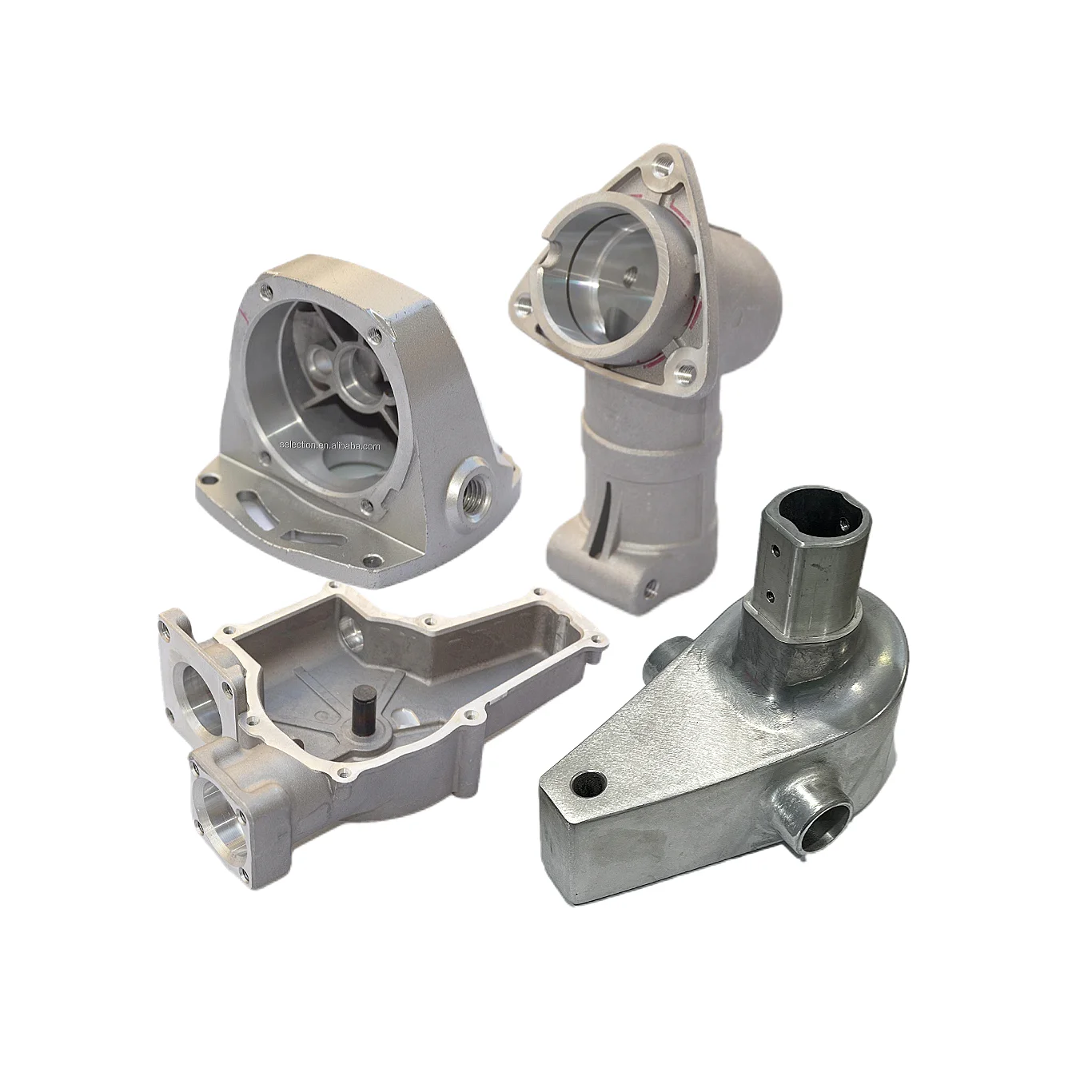
Product nameCustomized Casting Hardware Parts
-
DimensionsCustomizedMaterialAluminum/Zinc Alloy, Stainless Steel, Steel, Iron, etc.
-
ProcessDie Casting/Investment Casting/Sand Casting/Gravity CastingTolerance0.01mm
-
CertificationISO9001:2015ApplicationAutomobile/Machine/Electronics/Medical Devices,etc.
-
Finish TreatmentPainting,Powder Coating,Nickel Plated, Electrophoresis,etc.ServiceOne-Stop OEM/ODM service
-
Drawing Format2D(DWG/DXF/PDF). 3D(STP/STEP/IGS)
Customized precision hardware parts support stainless steel, iron and steel enquiries, with aluminum-alloy and zinc-alloy choices also available. One-stop OEM/ODM service covers selected forging or casting work. Die, investment, sand and gravity casting provide route options to assess for the actual material and component geometry.
Choose a compatible material and forming route
A custom hardware enquiry should identify its exact grade and the required shape. Select the casting or forging route that will be used for that component. The tolerance reference is 0.01 mm, with its sign convention, controlled dimensions and acceptance stage to be agreed. Keeping those details together makes the precision requirement specific to the finished hardware part.
Relate treatment to the required component faces
Painting, powder coating, nickel plating and electrophoresis are the named finish choices. Specify the selected treatment and the faces requiring it for the actual metal. Application enquiries include automotive, machinery, electronics and medical-device components. Functional, surface and sector acceptance should be defined for the particular project, allowing the manufacturing enquiry to address the intended component use.
Use the file set to define final acceptance
Drawing inputs include 2D DWG, DXF or PDF and 3D STP, STEP or IGS. The files should communicate one consistent geometry, material and dimension schedule for review. Add the required finish and inspection criteria for the selected process. ISO9001:2015 qualification is available for review against the current relevant certificate scope and object. These inputs connect the OEM/ODM service, forming route and surface treatment to a clearly defined custom hardware component.