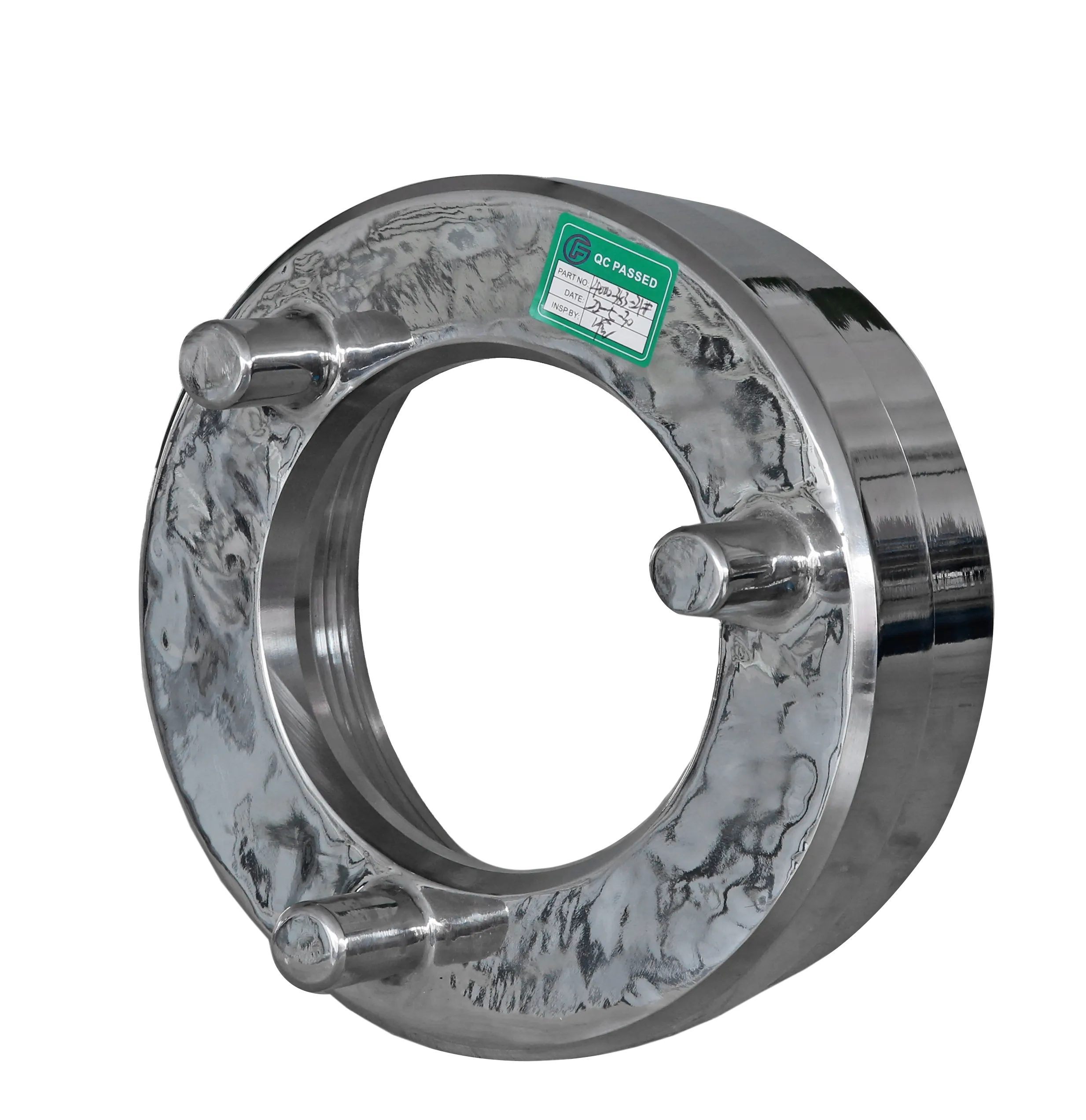
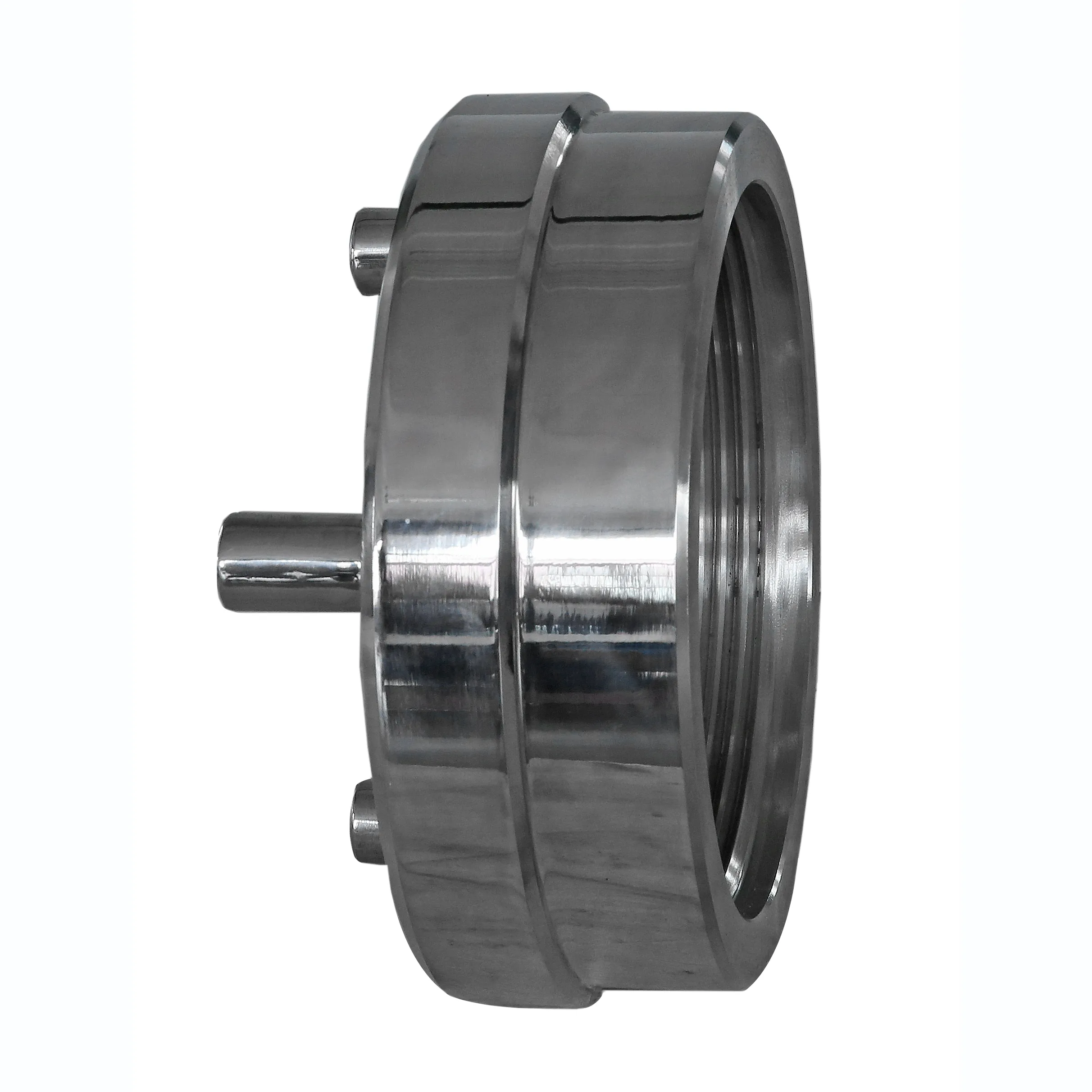
OEM SS 304 Lost-Wax Investment Casting for Food and Meat Machinery | CF8M Enquiries
Let’s define your requirement
Send a product link, drawing or short brief. We’ll work through the details with you.
- Confirm the specificationGrade or model, size and intended use.
- Define your orderQuantity, finish or configuration, and samples.
- Agree the quotation scopeIncluded work, key checks and delivery needs.
-
Alloy Grade304
-
MaterialSS 304
-
SizeCustomized SizeCertificateISO9001:2015
-
ApplicationMeat MachineryOEMAccepable
-
QualityExcellentMOQNegotiation
-
Main marketGlobalTechnology20 Years Experience
-
ProcessCasting +Machining(if Need)+surface Treatment
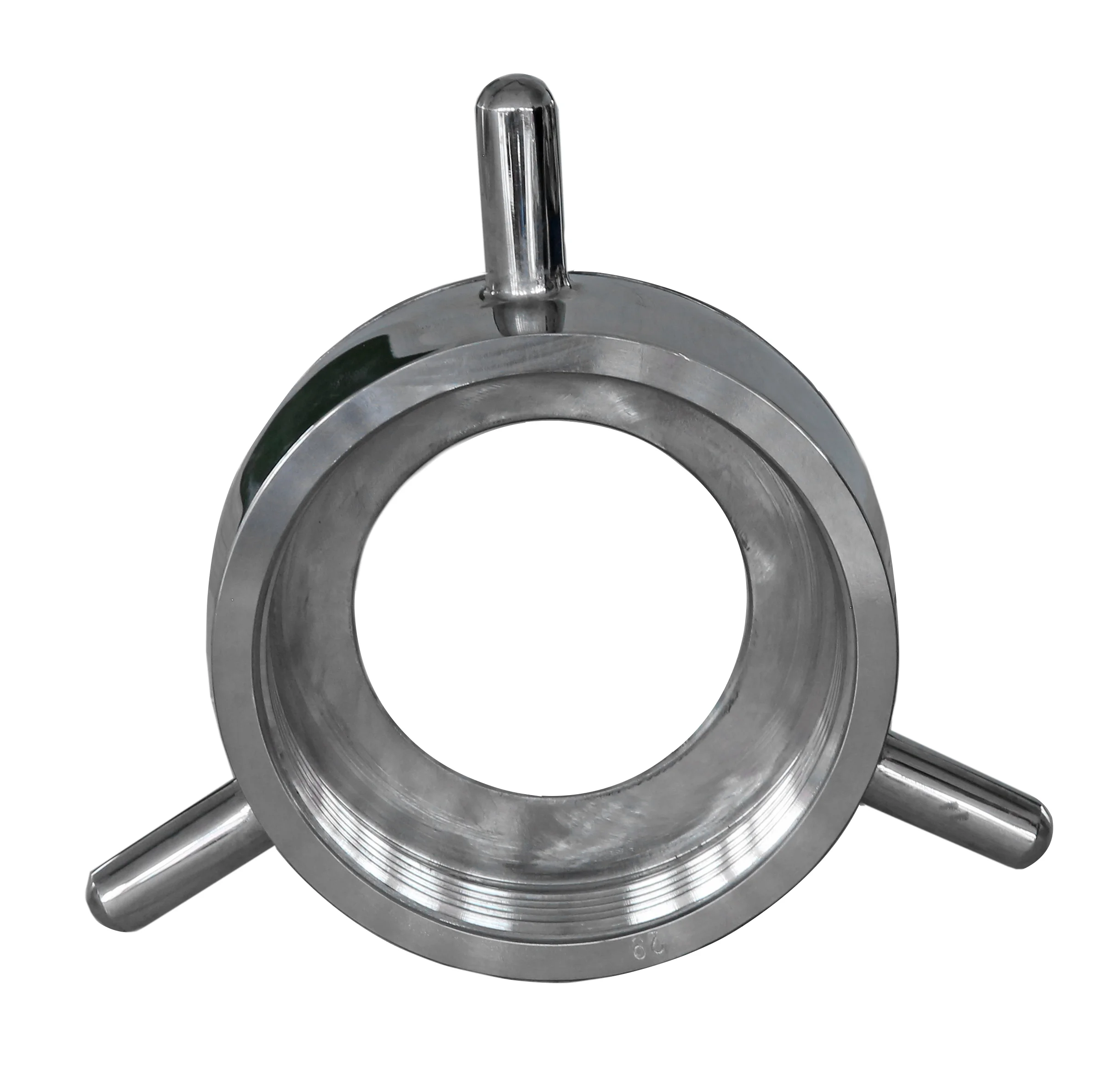
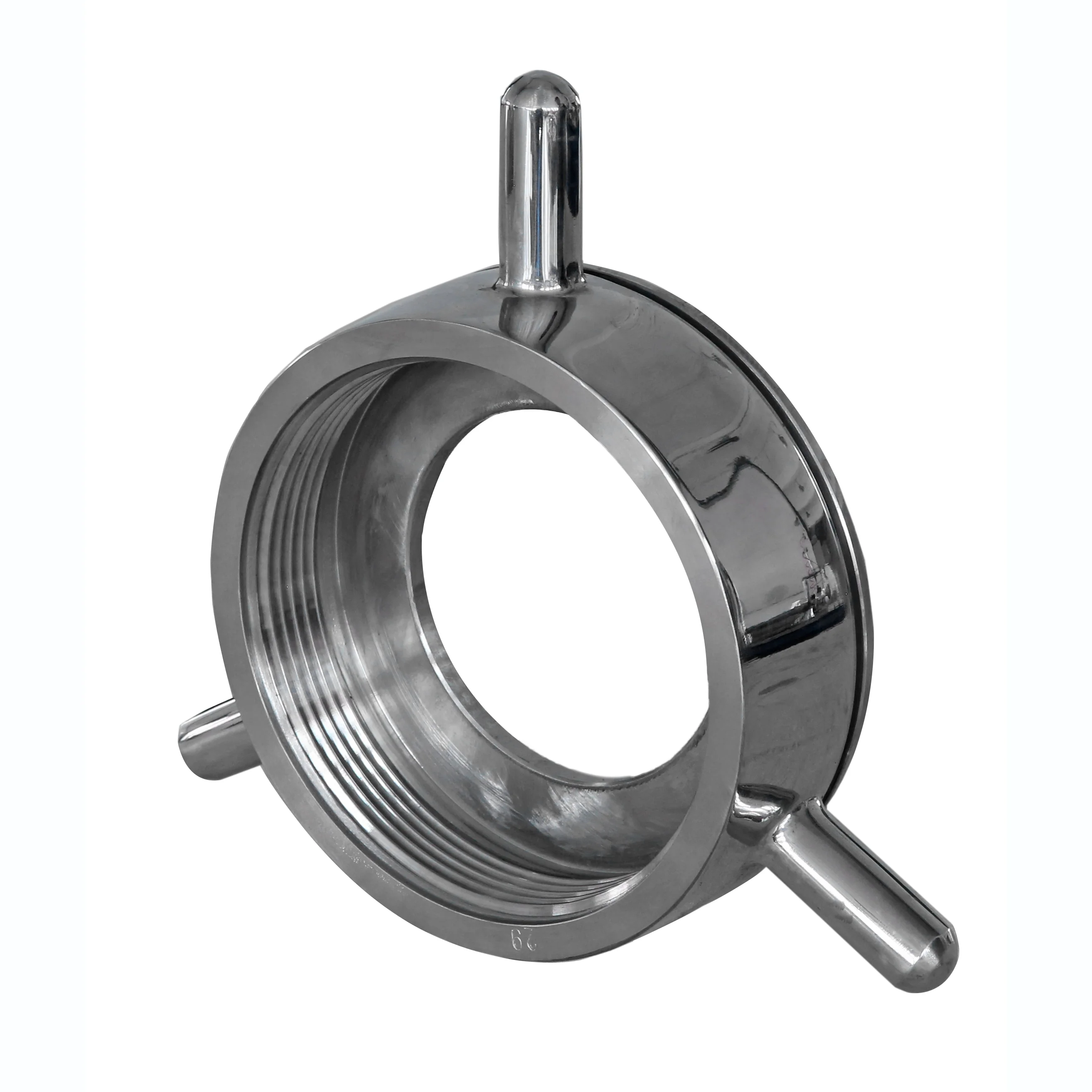
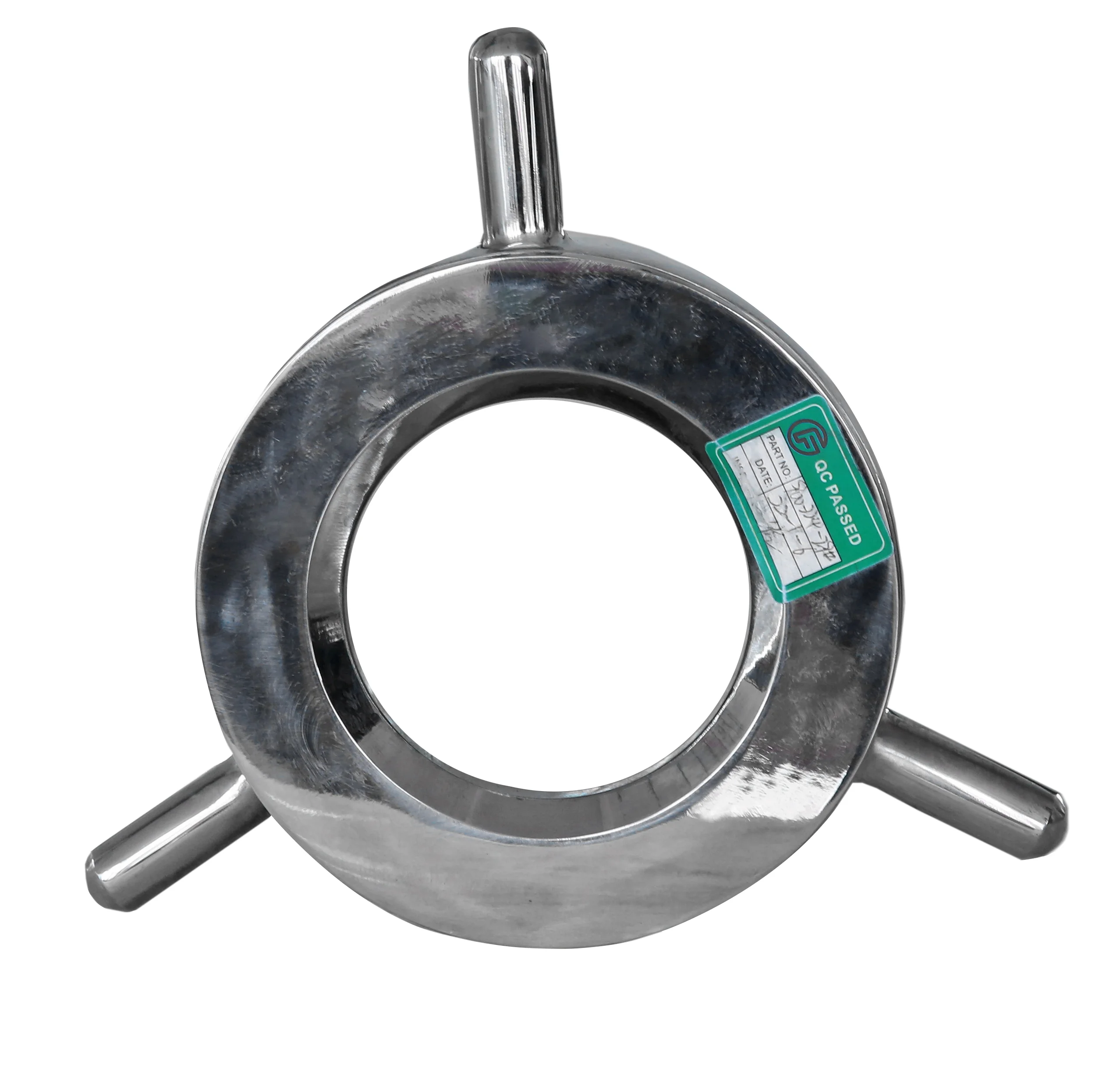
OEM investment-cast parts for food and meat machinery are available in customized sizes, with SS 304 as the primary material designation. Lost-wax casting can be followed by machining when needed and surface treatment. A CF8M enquiry should identify its own exact material requirement before the component is approved.
Start with the selected material grade
Confirm whether the proposed part requires SS 304 or a separately specified CF8M material. Put the selected grade and applicable material standard on the component definition, together with the actual machine duty. This keeps the material decision connected to the part being made and avoids treating different grade names as interchangeable purchasing descriptions.
Define the meat-machinery interfaces
Customized size should cover the functional geometry, mounting relationships and critical finished dimensions of the intended component. Explain which areas connect to the surrounding machine and which surface conditions matter in service. Where cleaning or contact requirements apply, include them in the acceptance review for that particular installation and selected material.
Choose machining and surface treatment together
The manufacturing scope includes casting, optional machining and surface treatment. Identify which details require machining and agree the final condition of each relevant surface. An as-cast area and a finished interface may have different acceptance needs, so the process sequence should reflect the geometry and use of the actual meat-machinery part.
Tie OEM acceptance to the quality plan
Review the applicable ISO9001:2015 certificate scope as part of the quality-system discussion. Then define the component inspection characteristics, material acceptance and finished-surface criteria for the OEM order. Approve the selected grade and manufacturing sequence against those requirements before production, with any sample review focused on the intended machinery function.