
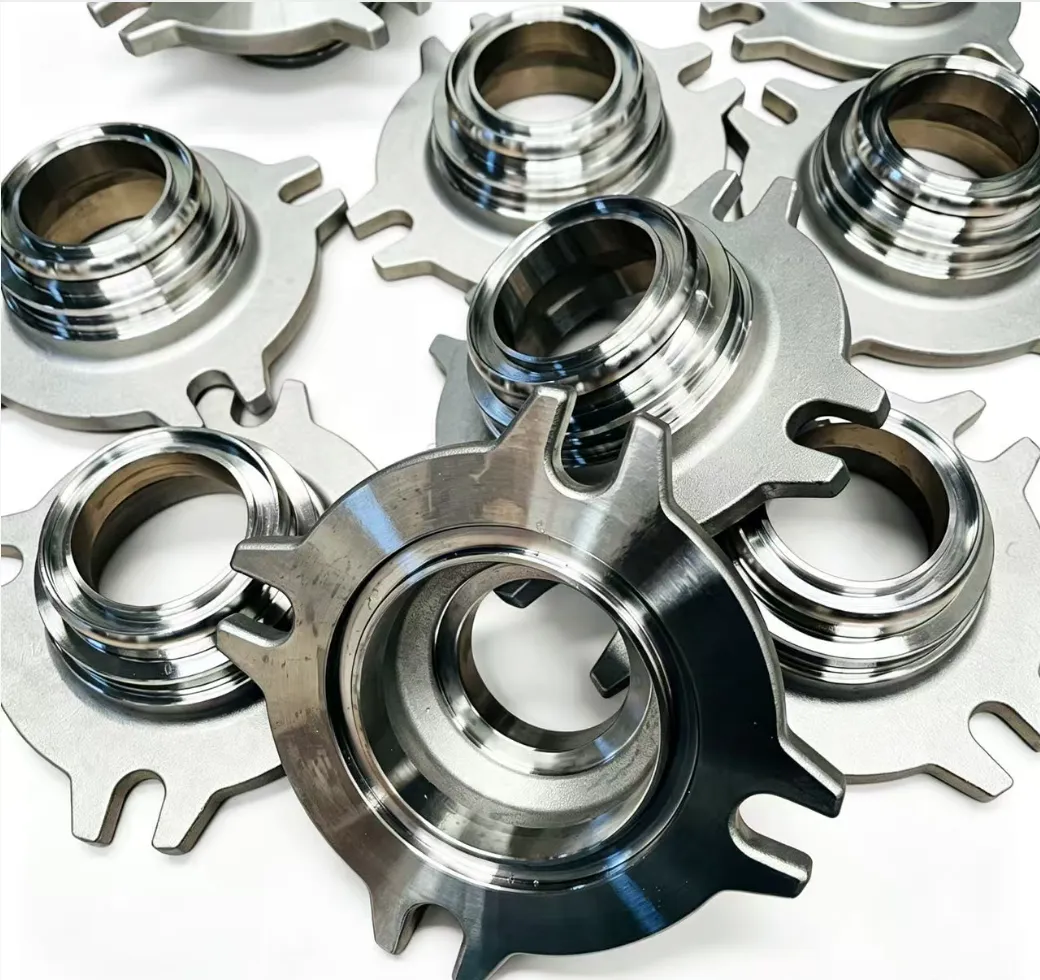
OEM Precision 304/316 Stainless Steel Silica-Sol Lost-Wax Investment Casting and CNC Micro-Machining
Let’s define your requirement
Send a product link, drawing or short brief. We’ll work through the details with you.
- Confirm the specificationGrade or model, size and intended use.
- Define your orderQuantity, finish or configuration, and samples.
- Agree the quotation scopeIncluded work, key checks and delivery needs.
-
CNC Machining or NotCNC MachiningTypeBroaching, Drilling, Laser Machining, Milling, Other Machining Services
-
Material CapabilitiesBrass, Bronze, Copper, Hardened Metals, Aluminum, Precious Metals, Stainless SteelMicro Machining or NotMicro Machining
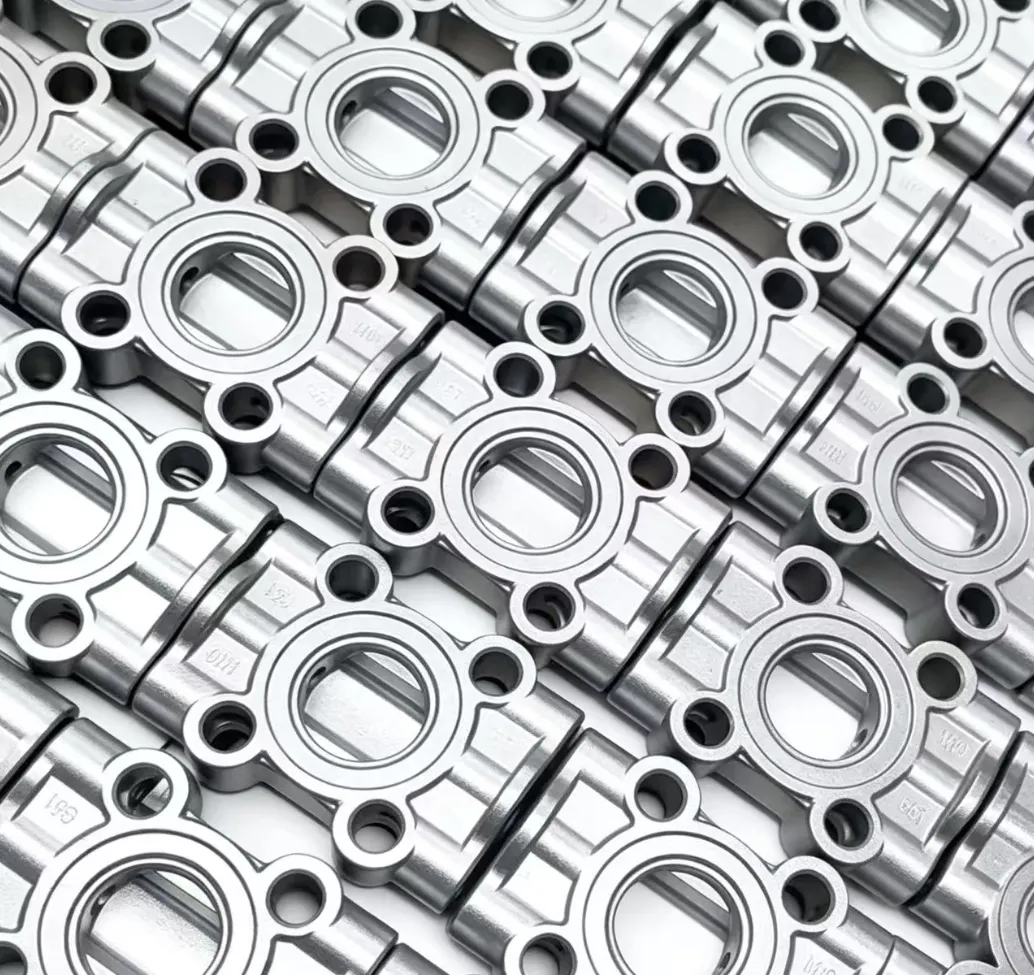
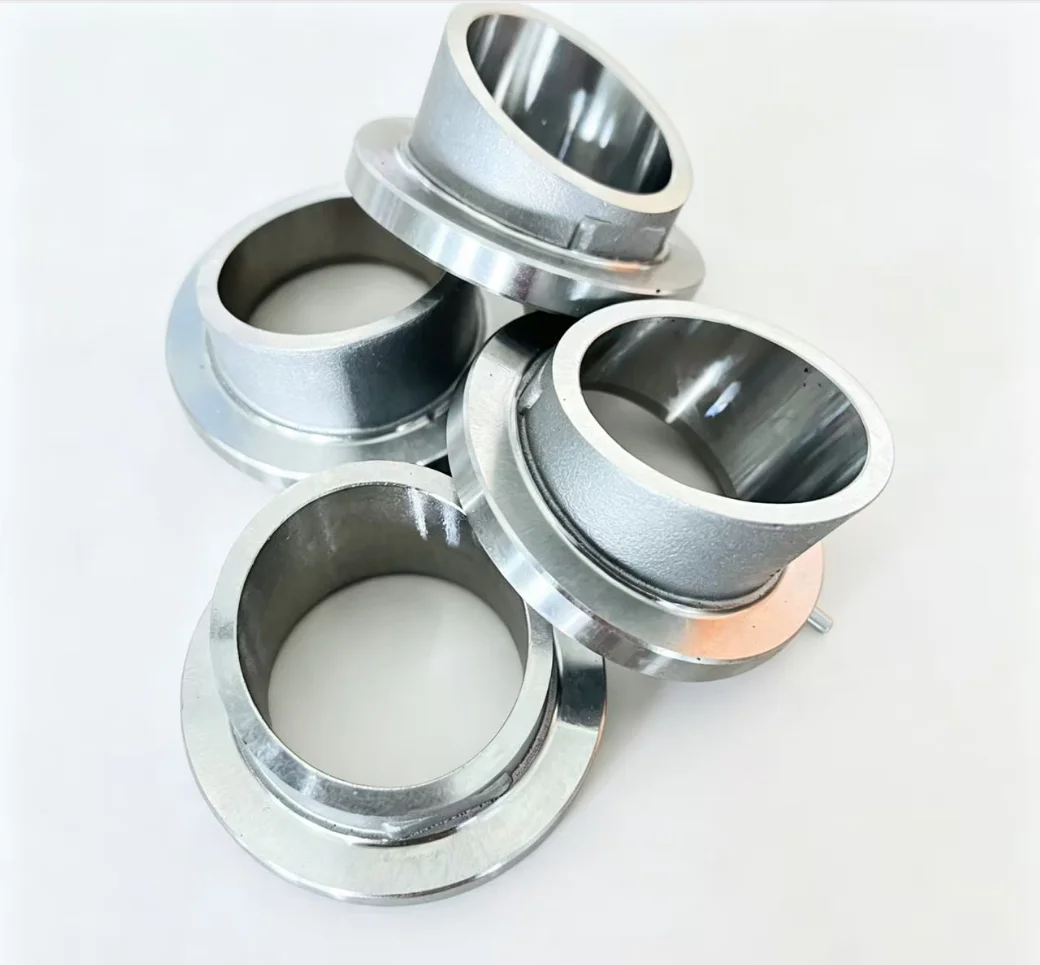
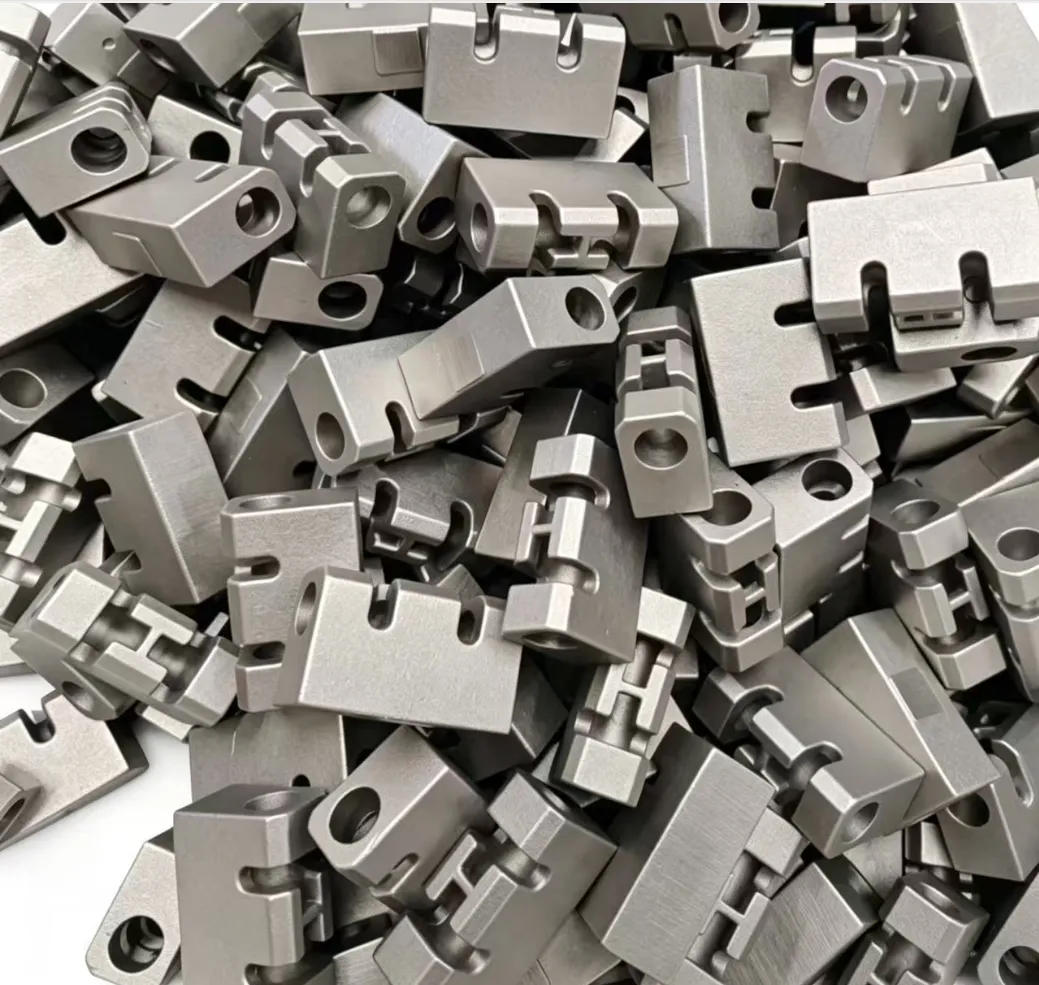
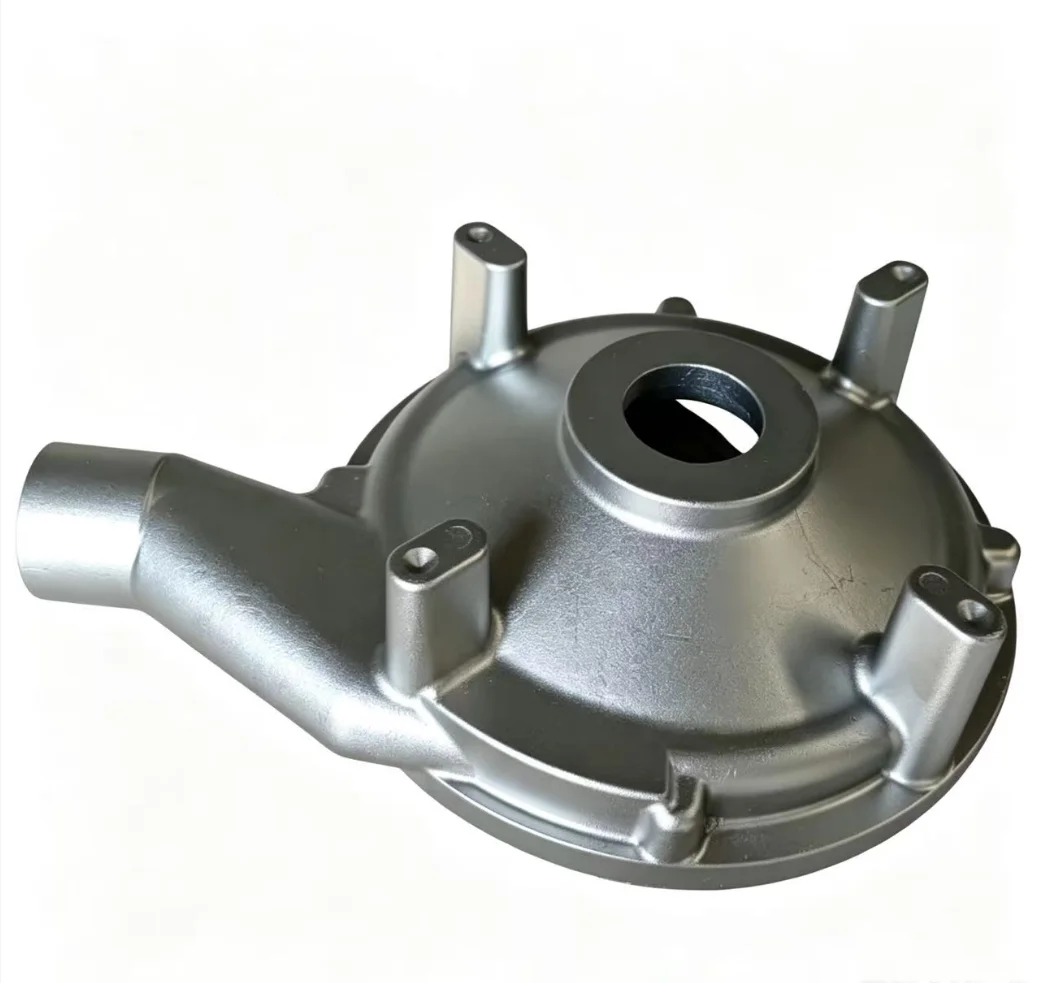
OEM custom 304/316 stainless-steel precision investment casting is available through silica-sol and lost-wax directions. CNC and micro-machining work can be discussed for the selected component, with broaching, drilling, laser machining and milling among the named capabilities.
304 or 316 for the casting inquiry
Choose the stainless grade and define the component geometry that the investment-casting work must address. Establish the relevant interfaces and finished acceptance before allocating any CNC work. The silica-sol and lost-wax directions can then be discussed around a specific part and material requirement.
Machining materials and their actual operations
Material capabilities for machining include brass, bronze, copper, hardened metals, aluminum, precious metals and stainless steel. Assign the actual material to the selected operation and component rather than treating a broad machining capability as every possible casting combination. This keeps the 304/316 casting inquiry distinct from any additional material-specific machining work being considered.
Broaching, drilling, laser work and milling
Identify which of the named operations belongs in the part's manufacturing scope. Define the dimensions and surfaces each operation must address, including the requirements for any micro-machining geometry. Agree the required dimensional and surface acceptance for those locations so that the method selection has a practical component-specific purpose.
Connect cast and machined acceptance to function
Explain the part's function and the operating conditions it must meet within the intended assembly. Relate the cast form, machined interfaces and micro-machining requirements to that role. An OEM inquiry can then establish the actual grade, geometry and operation scope together with finished-part acceptance.








