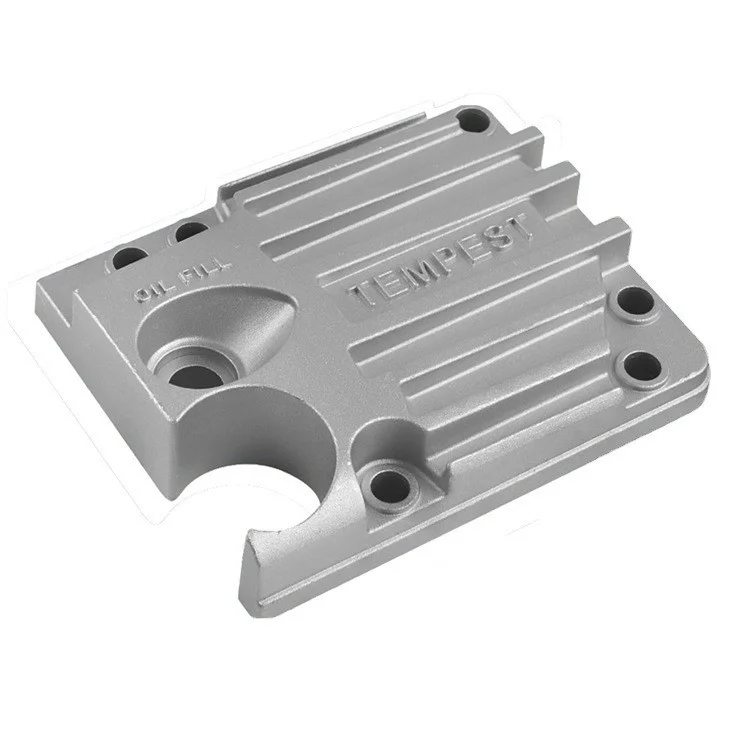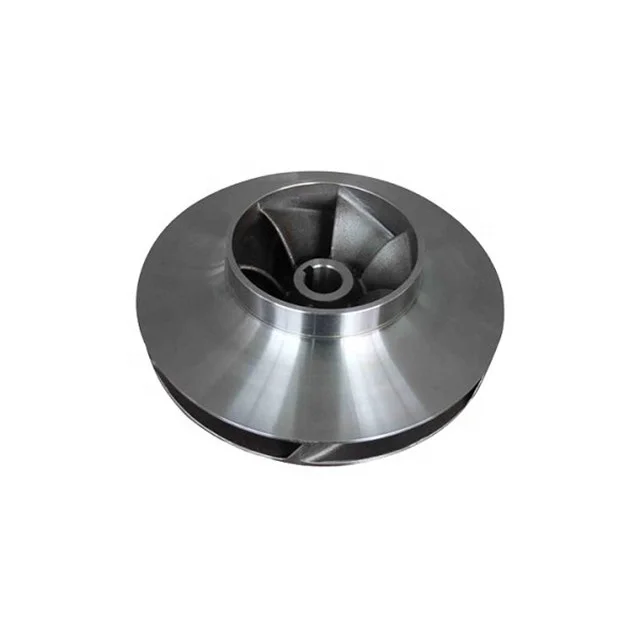
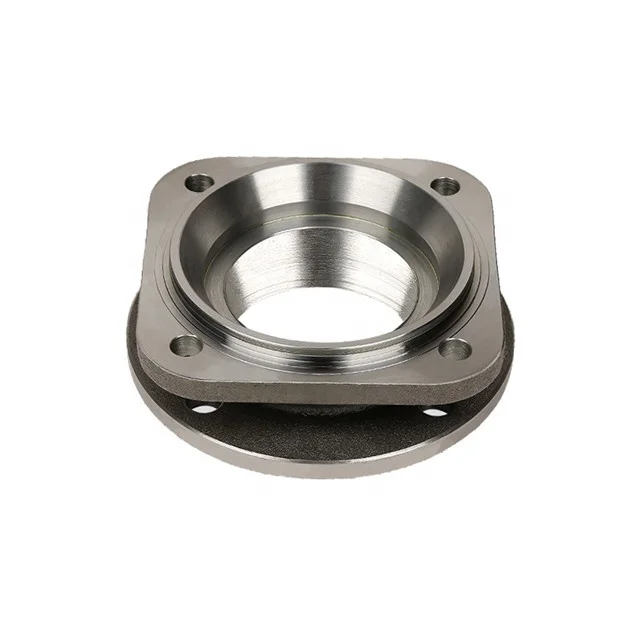
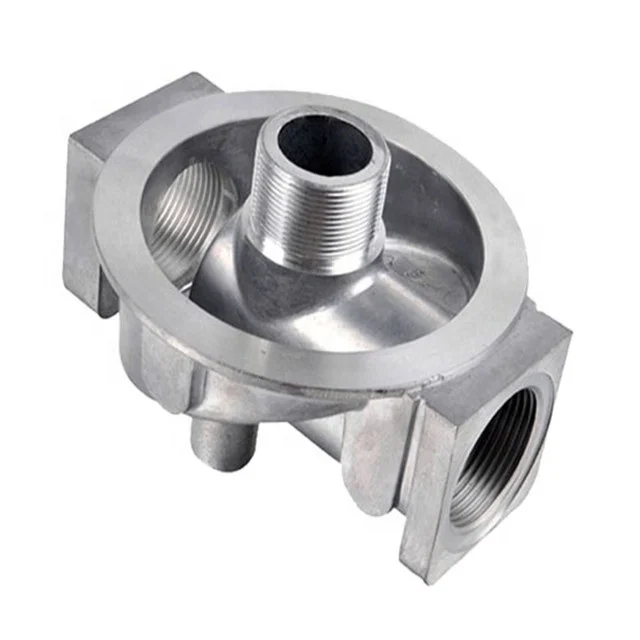
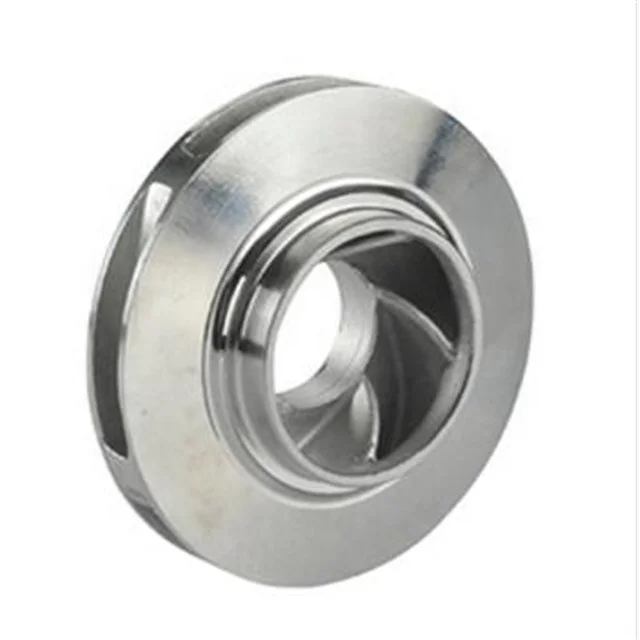
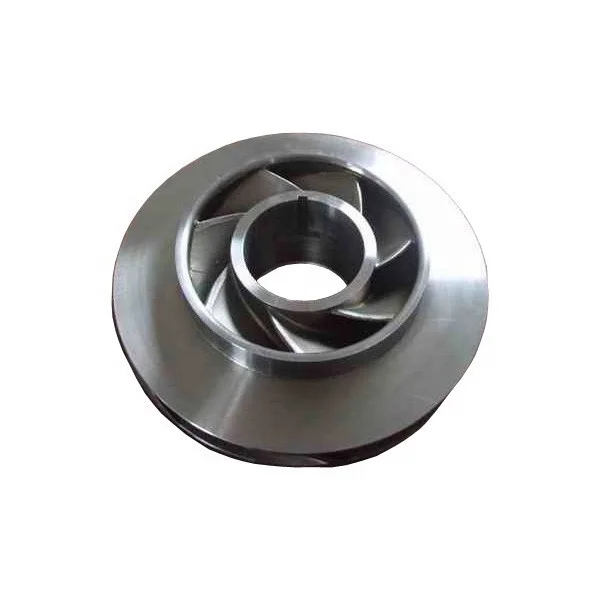
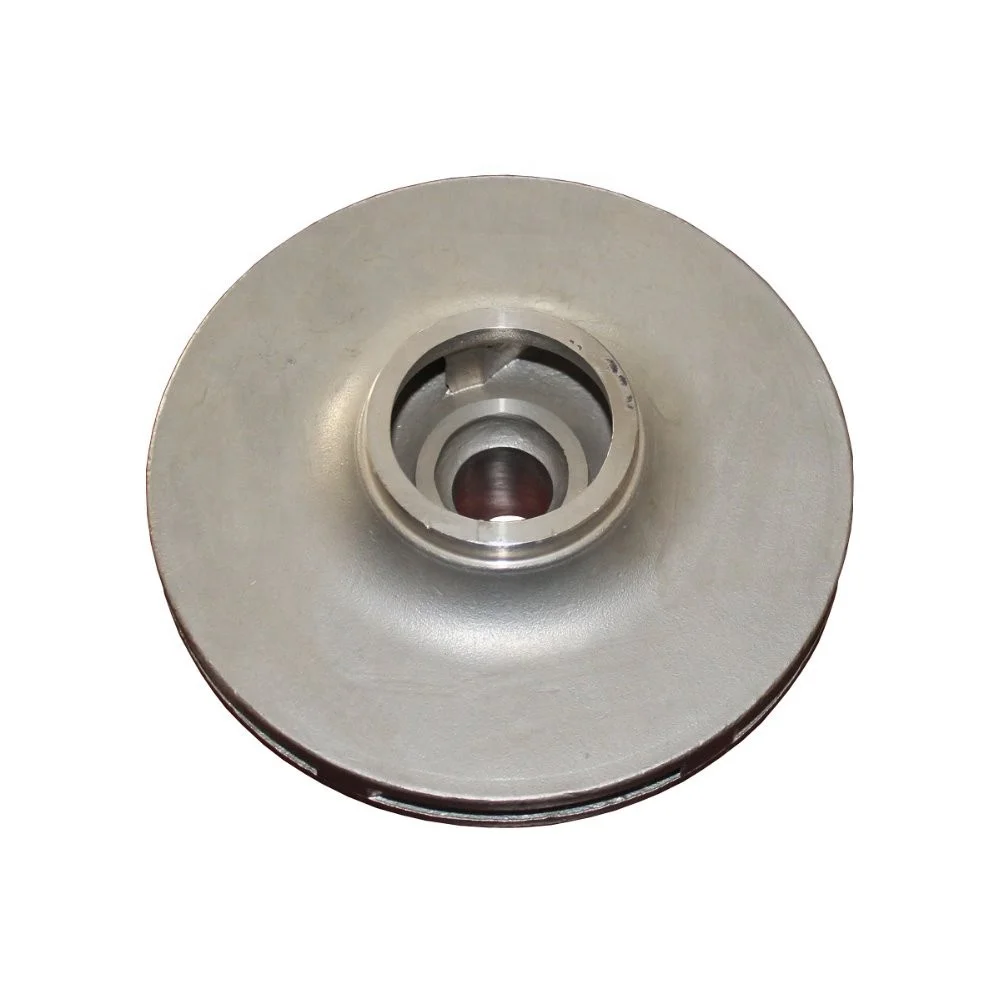
OEM/ODM Stainless-Steel Precision Machining | Silica-Sol Investment/Lost-Wax Casting and CNC Finishing
Let’s define your requirement
Send a product link, drawing or short brief. We’ll work through the details with you.
- Confirm the specificationGrade or model, size and intended use.
- Define your orderQuantity, finish or configuration, and samples.
- Agree the quotation scopeIncluded work, key checks and delivery needs.
-
Surface FinishPlated
-
NameStainless Steel Precision Machining Silica Sol Investment Casting
-
ProcessLost Wax CastingCertificateISO9001:2018 CE TUV
-
Casting ToleranceCT5-7StandardGB ASTM AISI DIN BS
-
MaterailStainless Steel Carbon Steel Alloy SteelFinishSatin Mirror Zinc Plated
-
ServiceOEM ODMMachining ProcessCNC Finishing Process
-
Lead TimeProduction: 10-20 Days
Stainless-steel precision-machining work combines silica-sol investment/lost-wax casting with CNC finishing. Carbon steel and alloy steel are additional material directions for the selected part. OEM/ODM service includes a CT5–CT7 casting-tolerance reference and satin, mirror or zinc-plated finish directions, with the actual grade and component to define.
Material and standard for the cast geometry
Stainless, carbon and alloy steel should be selected around the actual part and its required material designation. GB, ASTM, AISI, DIN and BS are standard references to agree for that selection. Connect the chosen reference to the grade, casting geometry and component duty so material and dimensional acceptance address the same OEM/ODM requirement.
CT5–CT7 casting and CNC finishing
CT5–CT7 refers to the casting-tolerance direction for this work. Identify the cast dimensions covered by that selection and the features to be completed through CNC finishing. Agree the finished dimensional criteria and inspection scope for the actual geometry, keeping the casting class and machined-feature acceptance distinct within the part definition.
Satin, mirror and zinc-plated areas
Choose the applicable satin, mirror or zinc-plated direction for the actual material and surface requirement. Define the areas to receive that finish and the condition required at the component's important interfaces. Relate the finish inspection to the selected cast/CNC geometry and intended part function. Material, cast dimensions, machined features and finish areas then form a concrete scope for the OEM/ODM inquiry.