
OEM/ODM Stainless-Steel Heavy-Machinery Parts | Investment Casting, CNC & Shot/Sand Blasting
Let’s define your requirement
Send a product link, drawing or short brief. We’ll work through the details with you.
- Confirm the specificationGrade or model, size and intended use.
- Define your orderQuantity, finish or configuration, and samples.
- Agree the quotation scopeIncluded work, key checks and delivery needs.
-
Surface FinishSandblasted , Shot Blasted
-
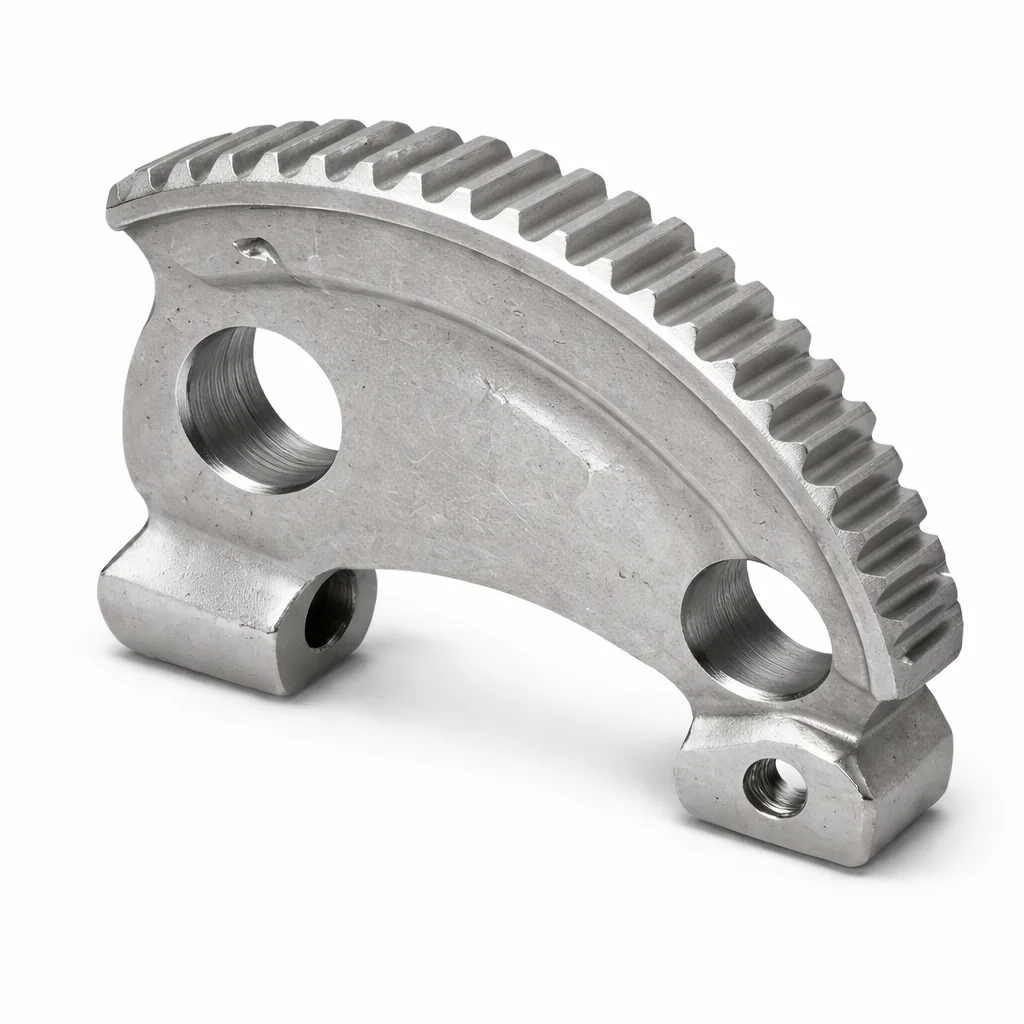
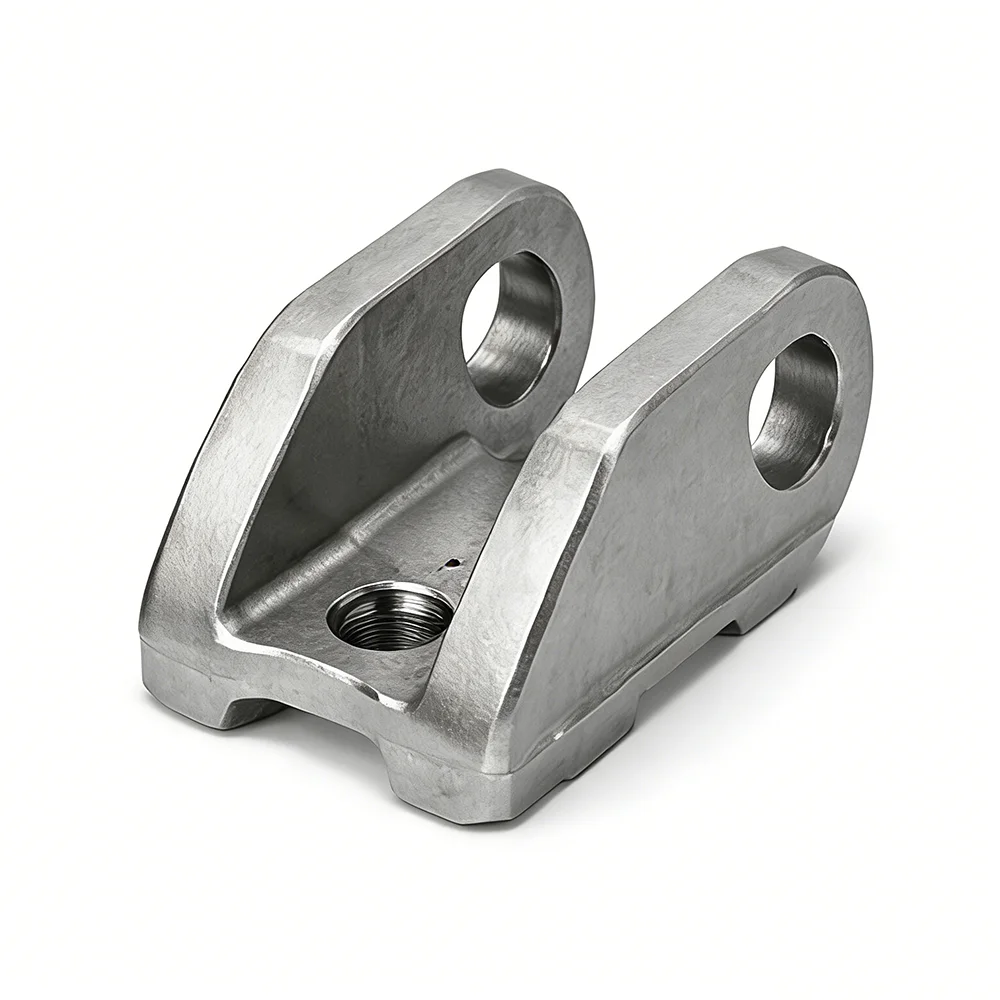
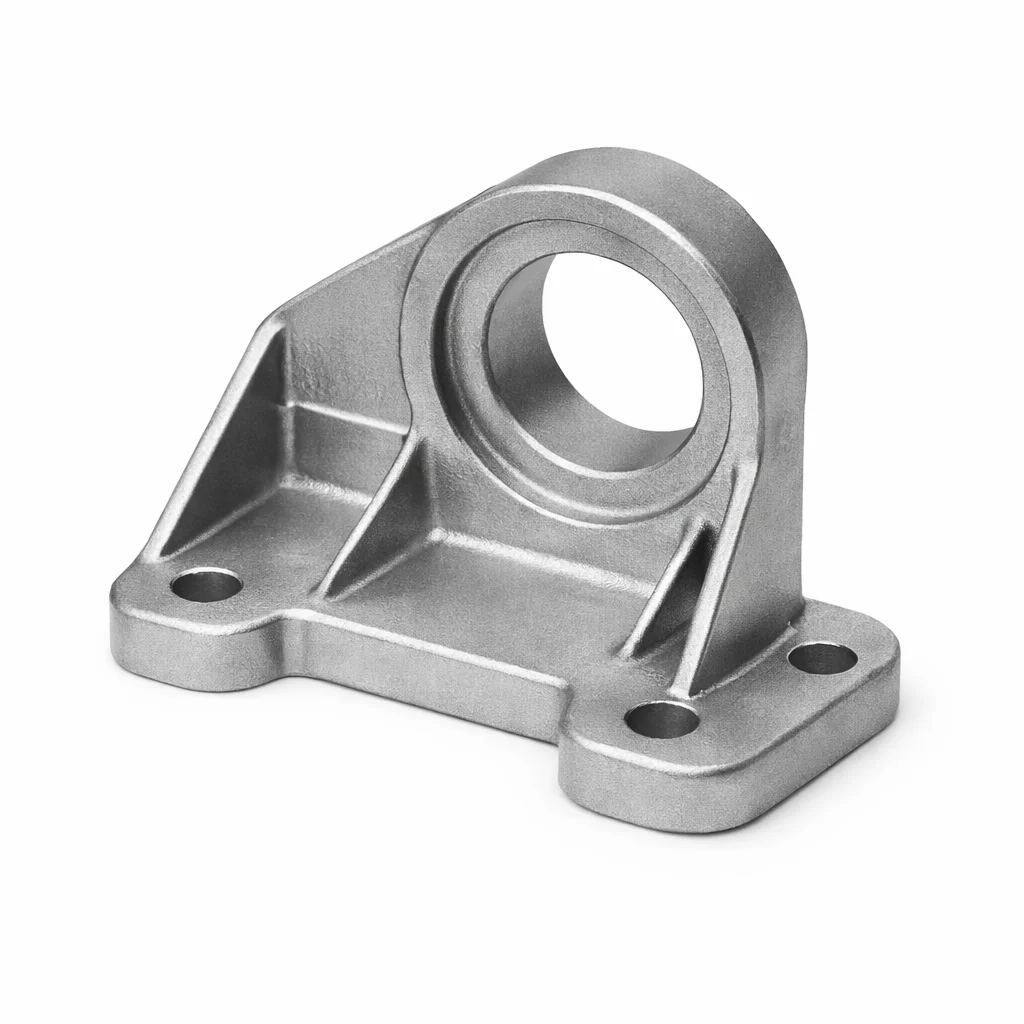
Item NameCustom Made Stainless Steel Investment Casting Mechanical Parts
-
MaterialStainless SteelSurface TreatmentShot Blasting / Sand Blasting
-
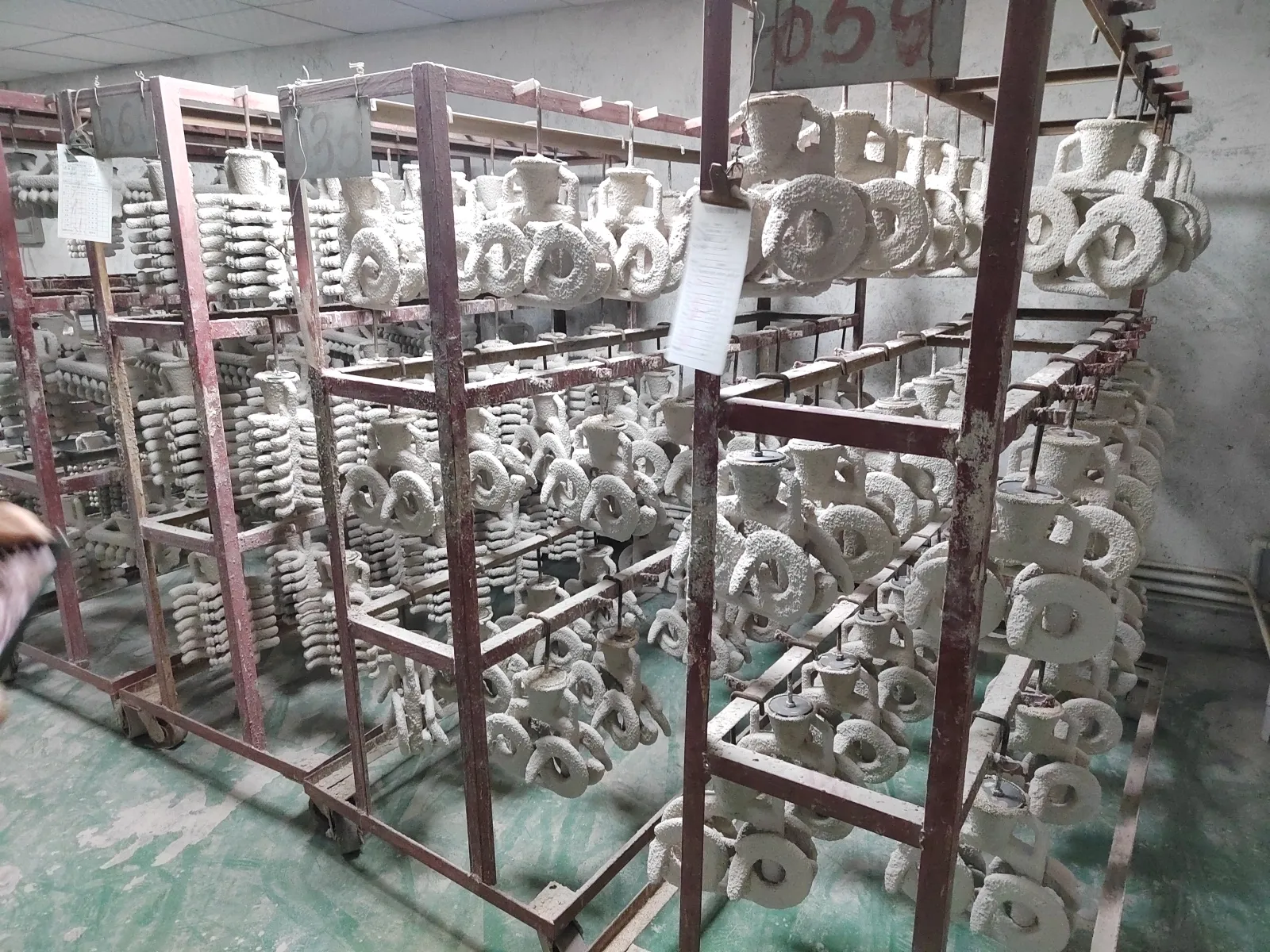
ProcessInvestment Casting + MachiningMachiningCNC Machining
-
ServiceOEM\ODMTolerance0.1mm- 0.5mm
-
ApplicationHeavy MachineryQuality Control100% Inspection
Custom stainless-steel mechanical parts for heavy machinery combine investment casting with CNC machining. OEM/ODM support covers the component request, with shot blasting or sand blasting as surface-treatment choices. The 0.1-0.5mm tolerance reference and 100% inspection provide technical and quality-control points to define for the actual part.
Set the heavy-machinery component requirements
Choose the stainless-steel grade and describe the mechanical component's geometry and assembly interfaces. Identify its intended service requirements so the material and processing request relates to the machinery part being developed. A heavy-machinery application name alone does not define the dimensions or acceptance conditions for that component.
Locate the 0.1-0.5mm reference within the process
Identify the controlled dimensions associated with the tolerance reference and the relevant investment-casting or CNC-machining stage. Agree the finished requirement for each critical interface instead of assigning the same range automatically to every dimension. This keeps the stated reference useful while allowing the actual component drawing to define its applicability.
Inspect the selected blasted surface and finished dimensions
Specify shot blasting or sand blasting for the required areas and describe the desired surface result. The custom heavy-machinery parts receive 100% inspection, with characteristics, methods and acceptance criteria agreed around the component's dimensions and treated surfaces. Define the records needed to assess that result, including how the selected finish and final machined interfaces will be evaluated together.








