OEM/ODM Precision Investment Casting Parts | Aluminum/Bronze/Stainless Steel Enquiries
Let’s define your requirement
Send a product link, drawing or short brief. We’ll work through the details with you.
- Confirm the specificationGrade or model, size and intended use.
- Define your orderQuantity, finish or configuration, and samples.
- Agree the quotation scopeIncluded work, key checks and delivery needs.
-
Surface treatmentCustomers' Demand
-
MaterialCustomer's RequirementsServiceOEM\ODM
-
SizeCustomized SizeMOQ1 Piece
-
Tolerance0.01mmProduct nameCustom Casting Parts
-
Lead Time15-35 DaysDrawing Format2D/(PDF/CAD)3D(IGES/STEP)
-
PackageBubble Bag+ Carton+ Wooden Box
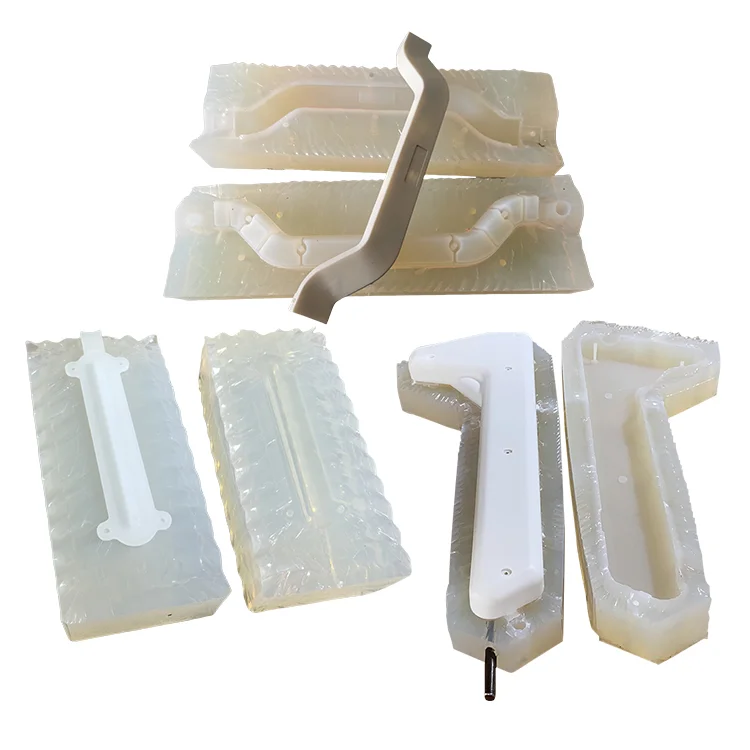
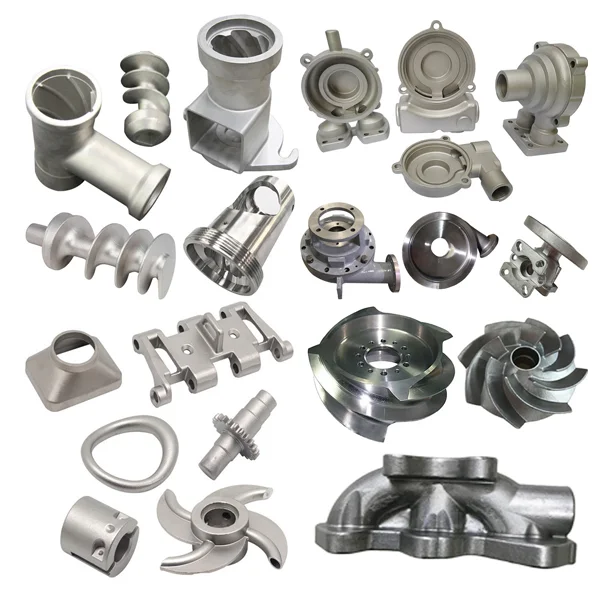
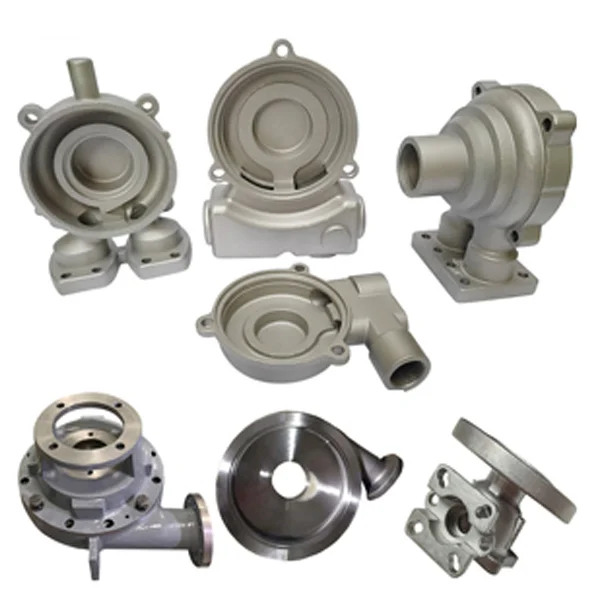
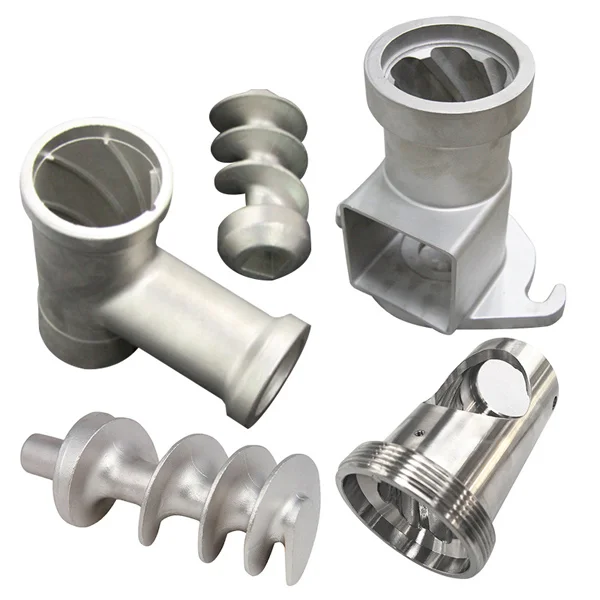
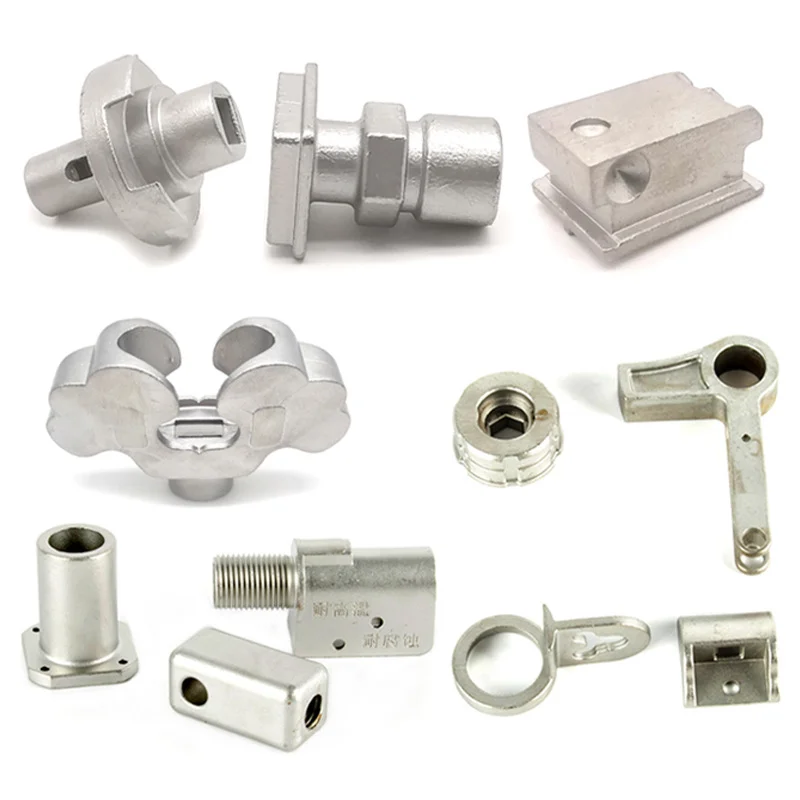
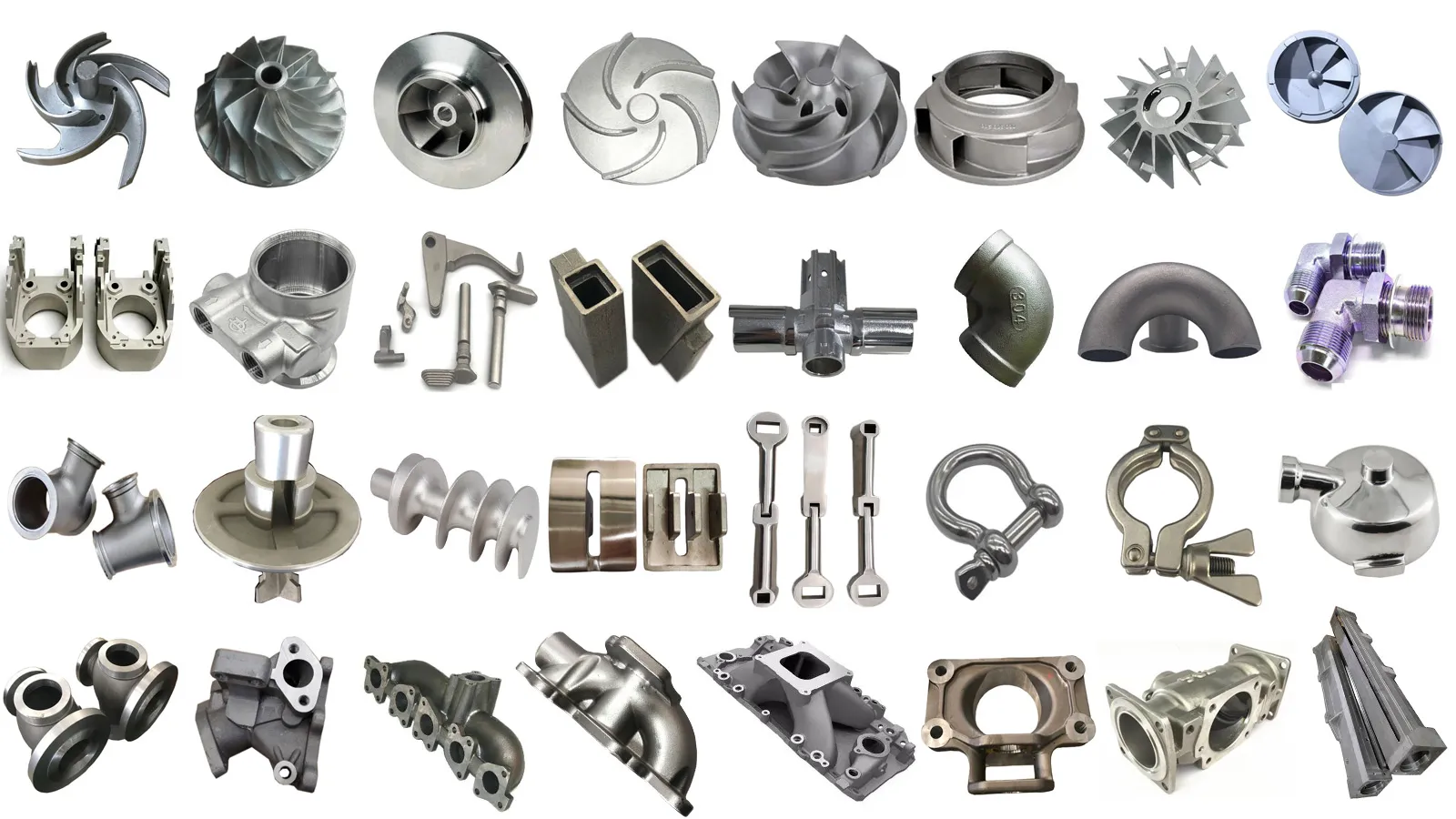
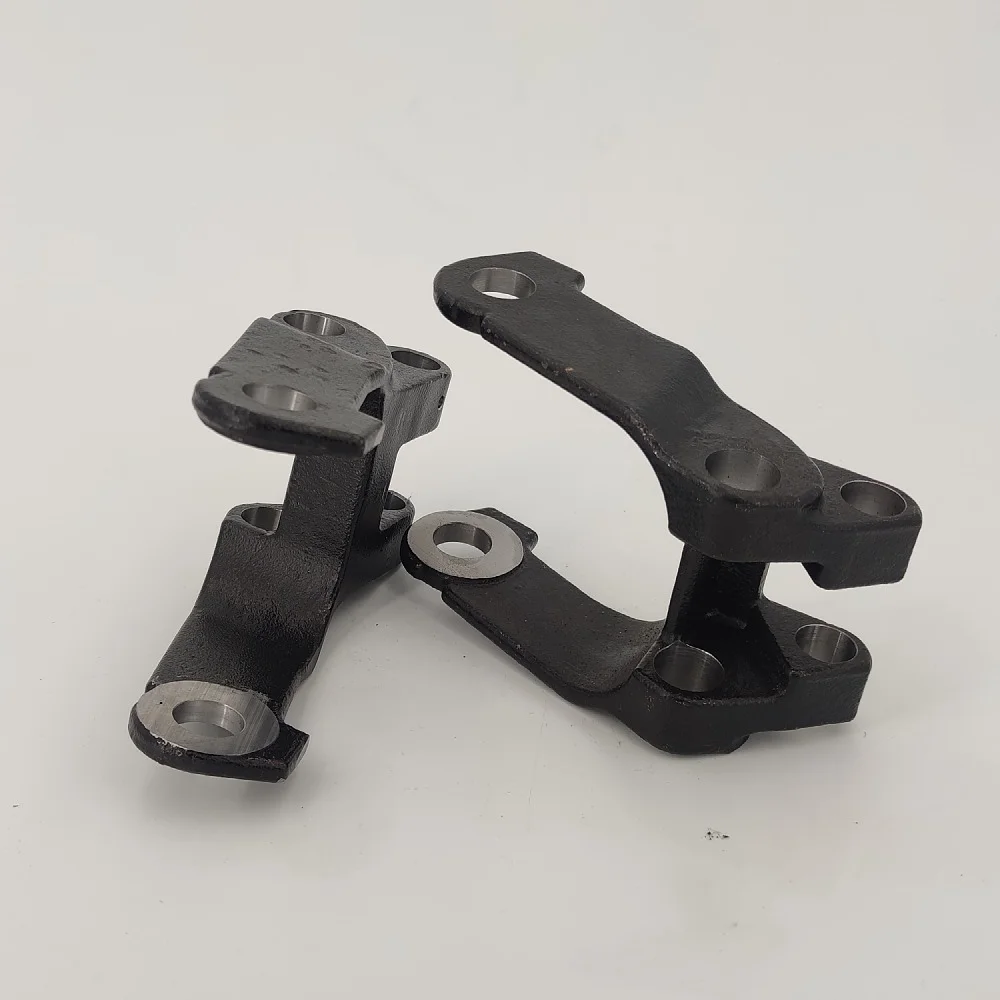
OEM/ODM precision investment casting supports custom parts with material, size and surface treatment defined by customer requirements. A 0.01 mm tolerance reference provides a starting point for discussing the component's dimensional acceptance.
Define the exact alloy and part size
For an aluminum/bronze/stainless steel enquiry, identify the intended metal and exact alloy designation in the component requirement. Connect that material choice to the custom geometry and dimensions rather than leave the request at a broad metal name. This keeps the OEM or ODM discussion focused on a defined part and the specific material the project needs.
Assign the 0.01 mm dimensional requirement
The 0.01 mm reference should be connected to the relevant dimensions and the processing stage at which they will be measured. Identify the critical areas separately from the overall part size, then agree the acceptance criteria for those dimensions. A feature-level requirement gives the precision casting discussion a clearer basis than applying one unassigned number across the entire component.
Drawing inputs and customer-selected surfaces
Supported design inputs include 2D PDF or CAD drawings and 3D IGES or STEP files. Use those inputs to communicate the shape, critical dimensions and surfaces requiring treatment. Surface treatment follows customer demand, so identify the desired finished condition alongside the material and dimensional requirements, keeping the custom part definition consistent between the drawing and the OEM/ODM enquiry.