
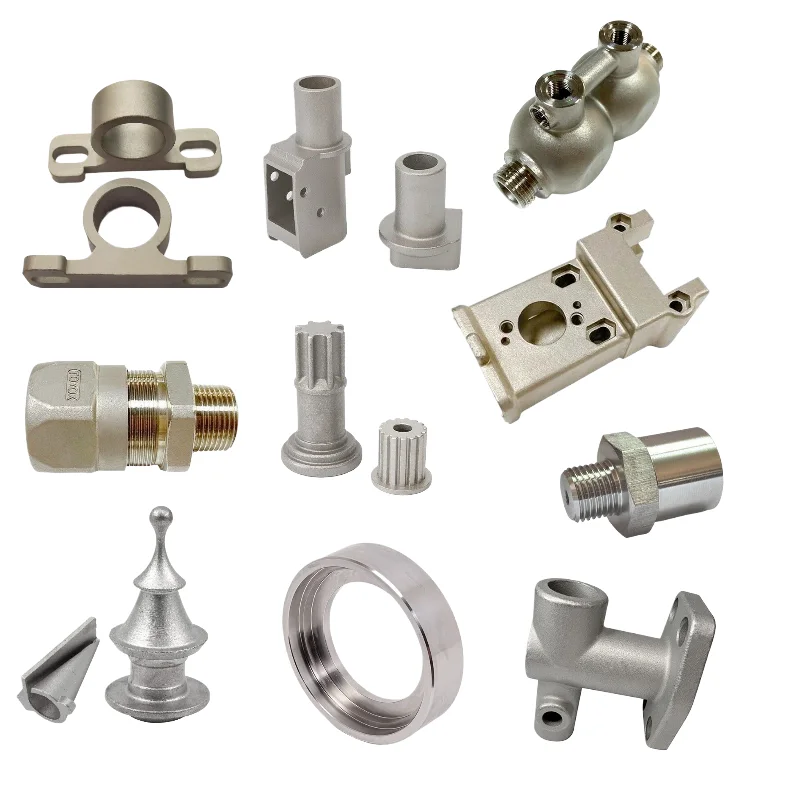
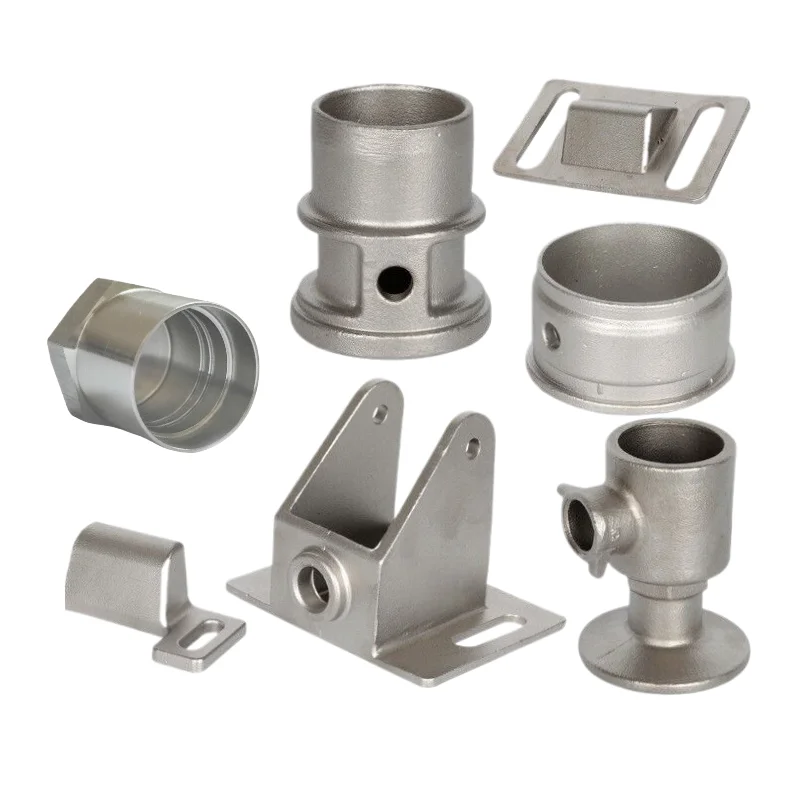
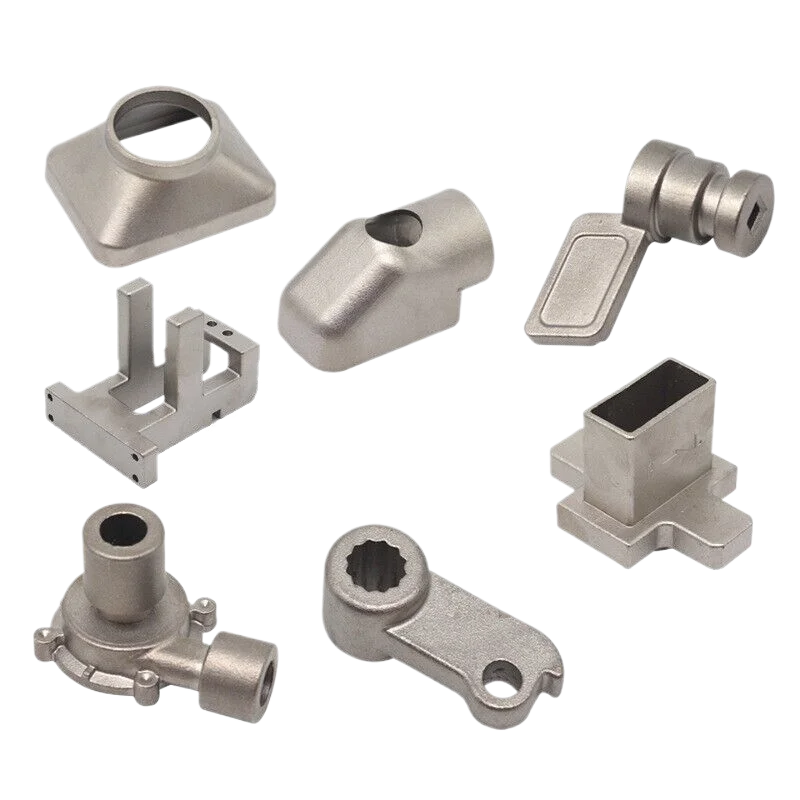
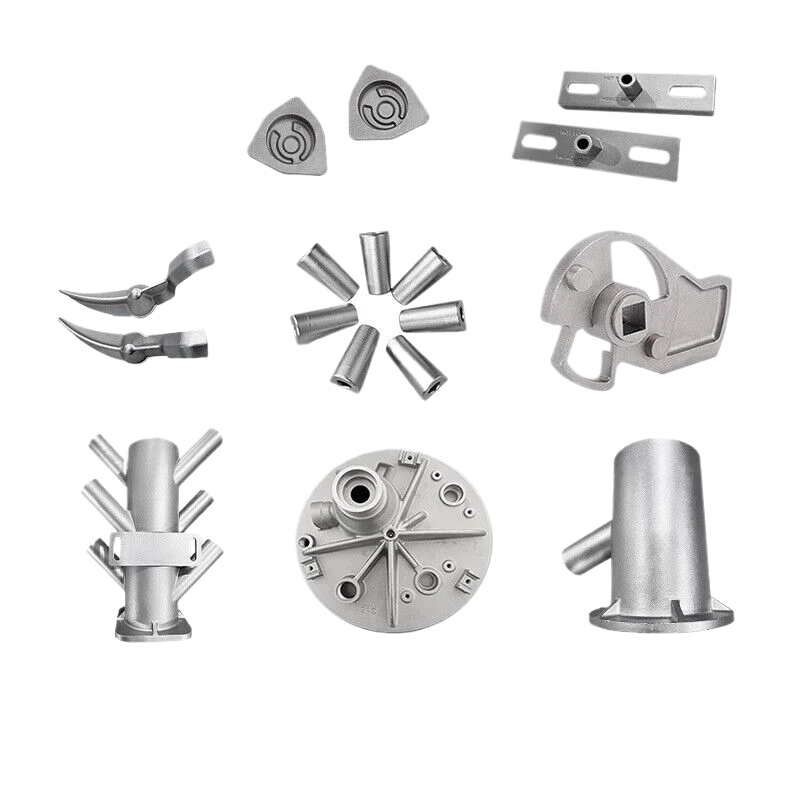
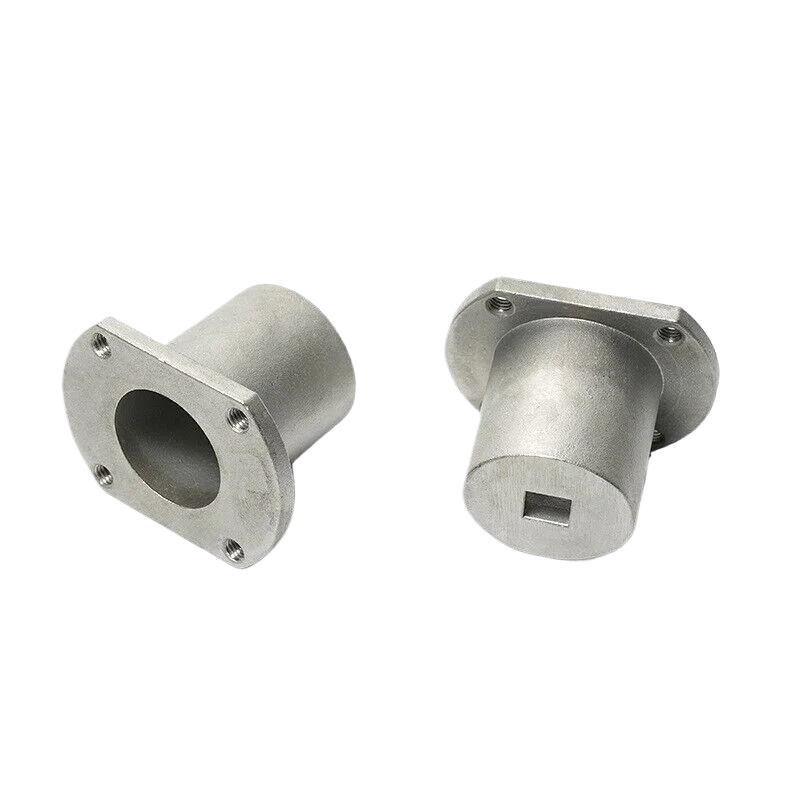
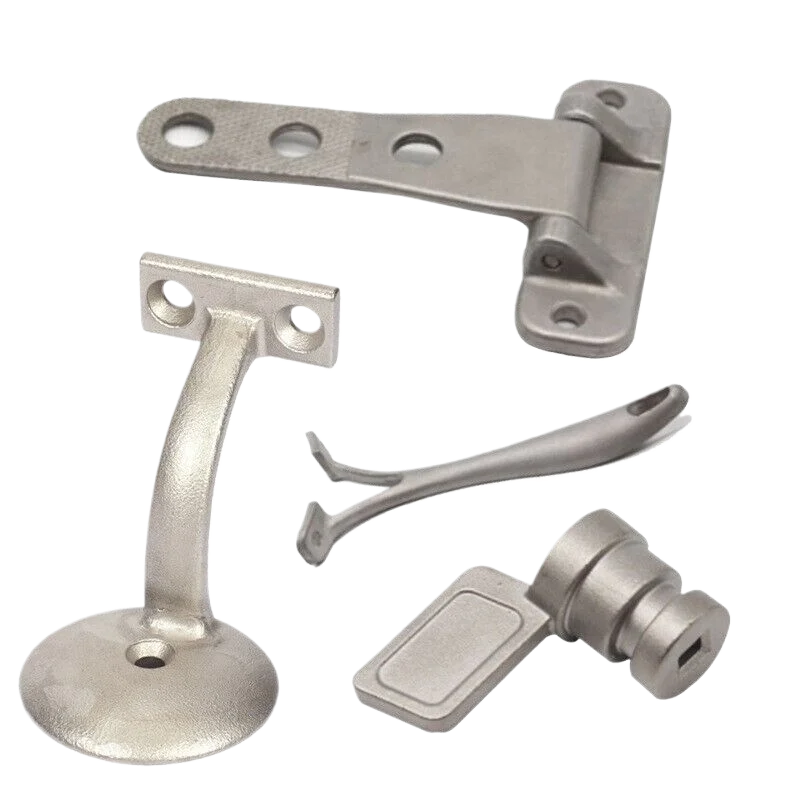
OEM/ODM Nonstandard Stainless-Steel Precision Investment Castings | Custom Tolerances & Surface Treatment
Let’s define your requirement
Send a product link, drawing or short brief. We’ll work through the details with you.
- Confirm the specificationGrade or model, size and intended use.
- Define your orderQuantity, finish or configuration, and samples.
- Agree the quotation scopeIncluded work, key checks and delivery needs.
-
MaterialStainless Steel
-
ToleranceCustomized ToleranceServiceOEM ODM Customised
-
Quality Control100% InspectionSurface treatmentCustomers' Demand
-
Drawing Format2D/3D/CAD/DWG//STEP/PDF/IGSMOQ1 Piece
-
CertificationISO9001:2015PAYMENT50% Advance + 50% Balance
Nonstandard stainless-steel components use precision investment casting with OEM/ODM customization. Tolerances and surface treatment follow the requested requirements, while the casting service provides 100% inspection. Define the actual component and its controlling geometry so the custom work can be assessed against a consistent set of dimensional and surface criteria.
Align the nonstandard geometry and drawing inputs
Component inputs include 2D/3D drawings and CAD, DWG, STEP, PDF or IGS files. Identify the file that defines the component geometry and the dimensions needed to describe its nonstandard form. Where several files are provided, agree which controls the relevant geometry or tolerance so the request has a clear technical reference.
Connect customized tolerances with the requested surface
Select the stainless-steel grade and identify the dimensions whose tolerances need to be controlled. Specify the required surface treatment and the final appearance or dimensional result it must satisfy. Consider these requirements together for the actual component rather than assuming a common tolerance or finish for all stainless-steel investment castings.
Define acceptance within the full inspection scope
The nonstandard castings receive 100% inspection, with the particular characteristics and methods agreed for the requested part. Define how dimensional and surface acceptance will be assessed against the controlling drawing. Identify the inspection records needed to evaluate the selected grade, component geometry and requested treatment, keeping the acceptance plan tied to the actual OEM/ODM casting.








