OEM/ODM Iron, Steel, Brass, Bronze and Aluminum Custom Castings | 0.1mm Tolerance
Let’s define your requirement
Send a product link, drawing or short brief. We’ll work through the details with you.
- Confirm the specificationGrade or model, size and intended use.
- Define your orderQuantity, finish or configuration, and samples.
- Agree the quotation scopeIncluded work, key checks and delivery needs.
-
Surface FinishShot Blasted , Polished
-
MaterialCast Iron, Cast Steel, Brass, Bronze, Aluminum Zinc Magnesium alloys
-
Product nameCustom Casting Services for Parts and ProductsProcessSand Casting, Die Casting, Investment Casting, Mold Casting, ...
-
Surface treatmentSand Blasting, Shot Blasting, Grinding, Polishing, Pickling, ...OEM/ODMRelia or Request by customer
-
Tolerance0.1mmMOQ1 Piece
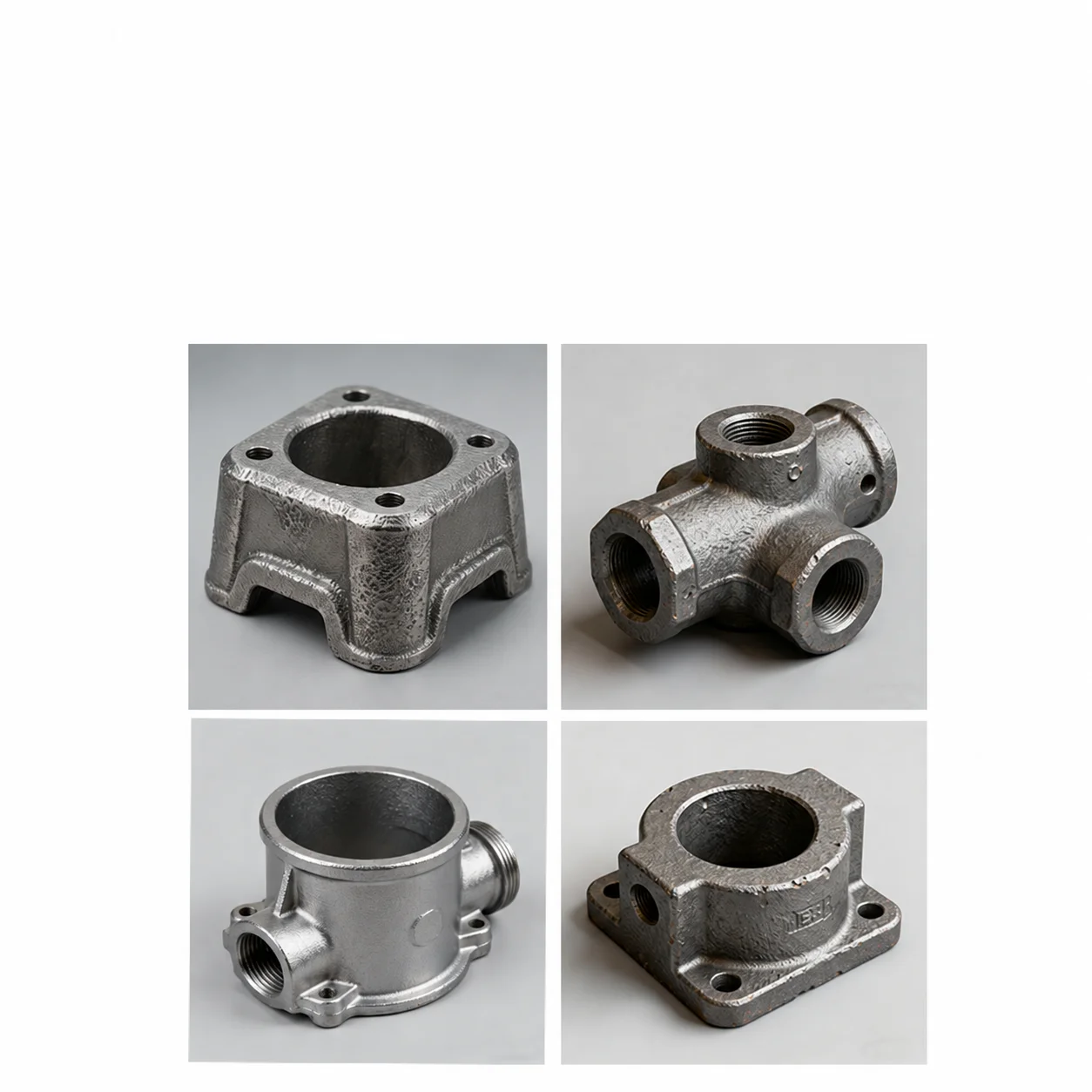
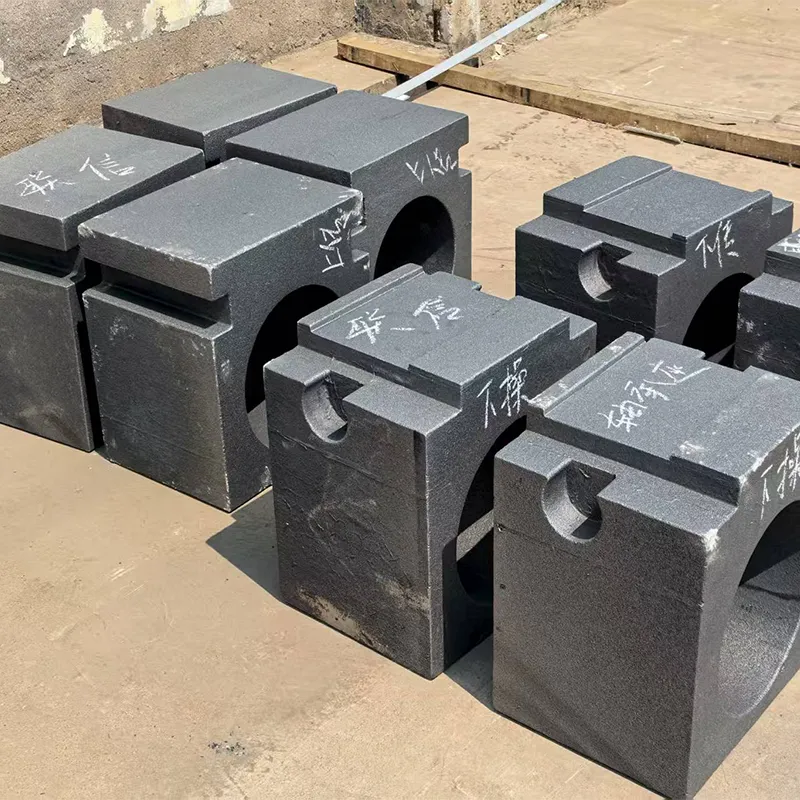
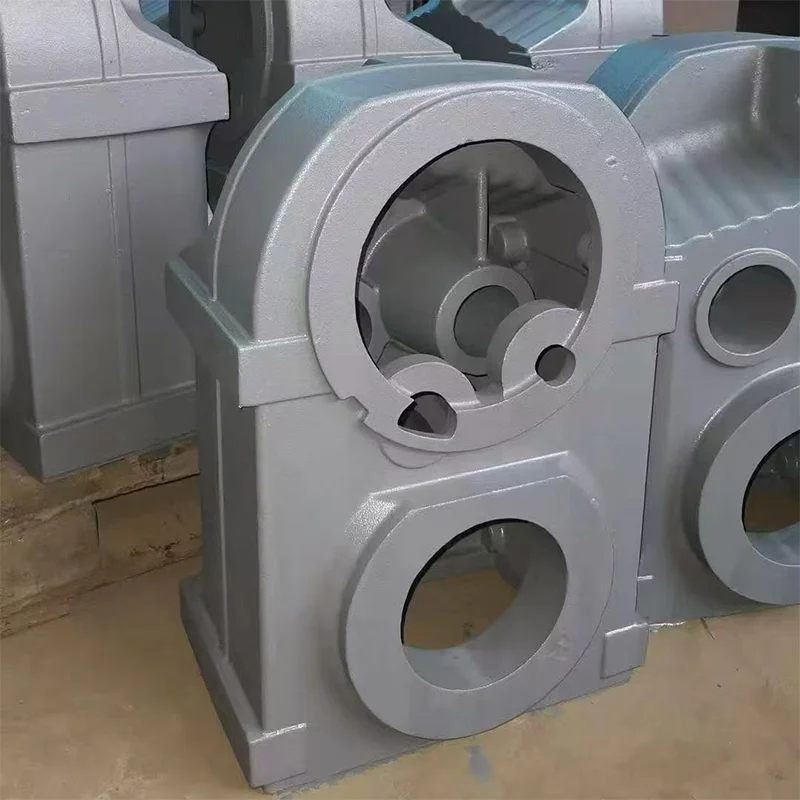
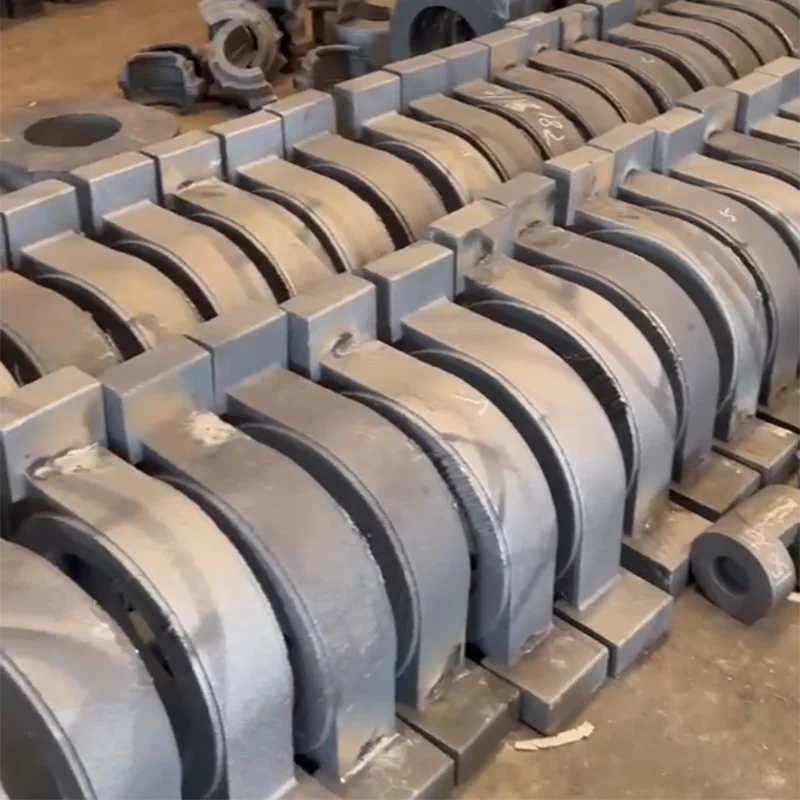
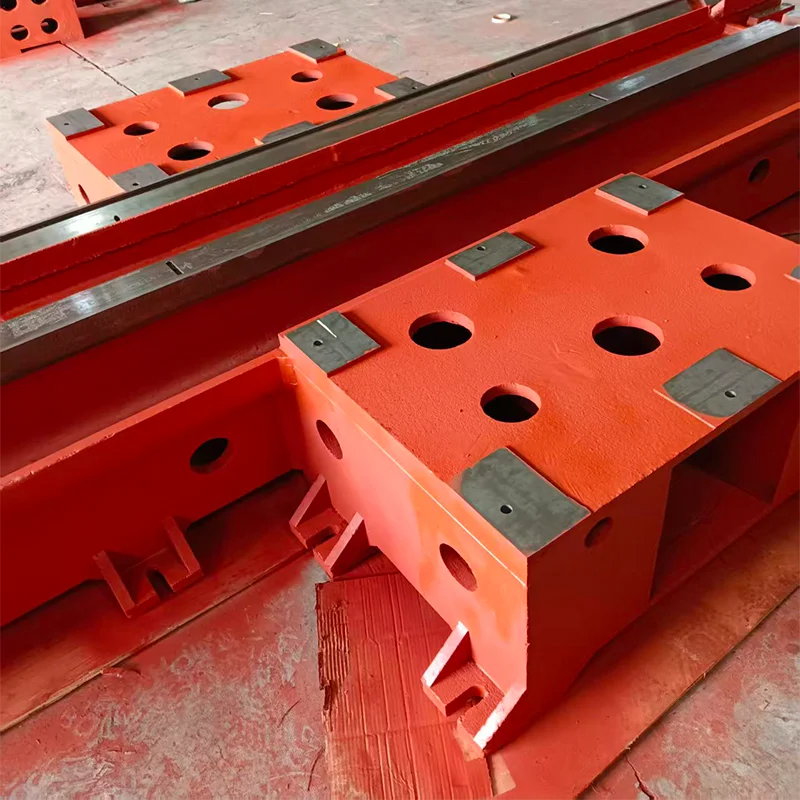
Custom casting services for parts and products support OEM/ODM requirements in cast iron, cast steel, brass, bronze, and aluminum, zinc and magnesium alloys. Sand casting, die casting, investment casting and mold casting are available directions. The tolerance reference is 0.1mm.
Choose the metal and casting route together
Start with the actual component material and geometry, then select the applicable casting process. A request for iron or steel and a request for brass, bronze or a light alloy need a defined grade and shape, so agree the material-route pairing for the part rather than combining every available choice.
Apply the 0.1mm reference to defined dimensions
Identify the dimensions and geometric areas covered by the tolerance request. Confirm the operation or stage to which the 0.1mm reference applies and agree its actual acceptance limits. This connects the precision discussion to the selected part without adding an unspecified tolerance sign or extending one reference to all characteristics.
Five surface-processing directions
Sandblasting, shot blasting, grinding, polishing and pickling are available surface options. Choose the required operation for the actual metal and identify the surfaces it must address. Define the finished condition and acceptance criteria alongside the geometry so the surface request supports the same component definition.
For OEM or ODM work, combine the grade, selected sand/die/investment/mold route, controlled dimensions and surface requirements. These details give the custom casting request a practical basis for reviewing the proposed part and its finished condition.