
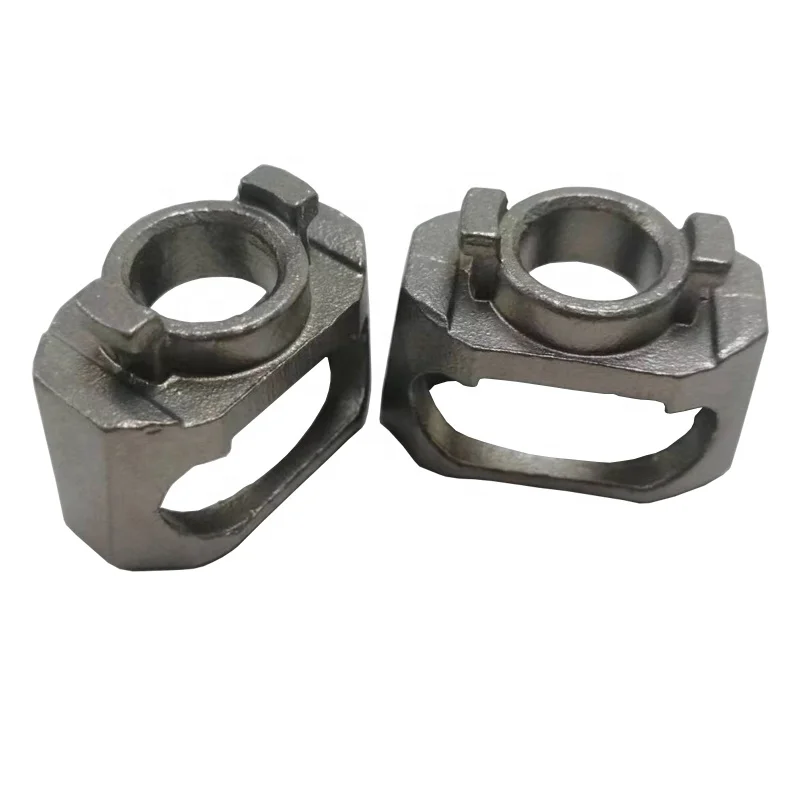
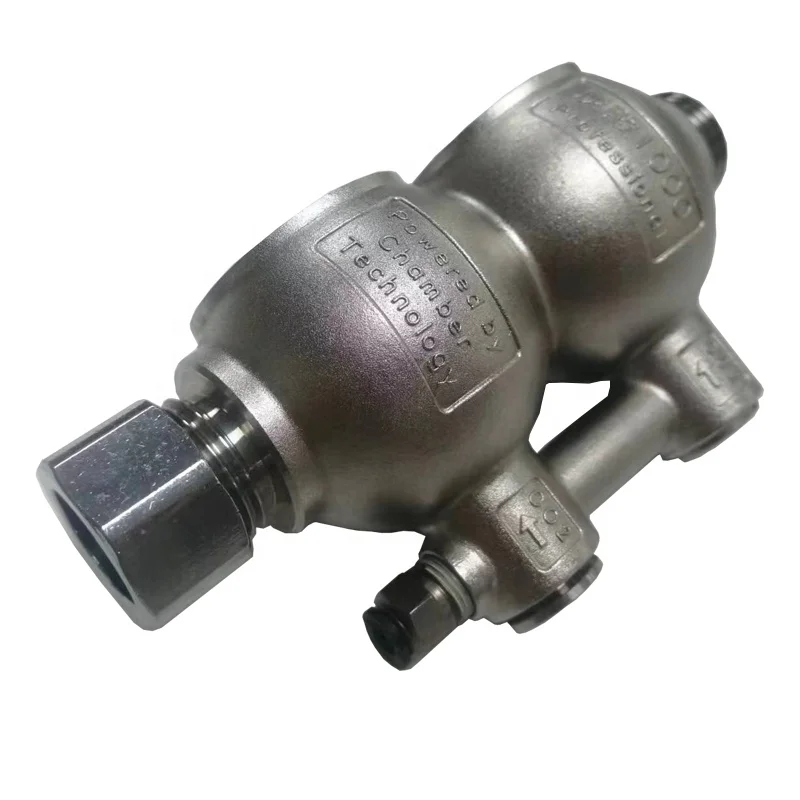
OEM/ODM Custom Stainless and Carbon Steel Connection Parts | Lost Wax Investment Casting and Passivation
Let’s define your requirement
Send a product link, drawing or short brief. We’ll work through the details with you.
- Confirm the specificationGrade or model, size and intended use.
- Define your orderQuantity, finish or configuration, and samples.
- Agree the quotation scopeIncluded work, key checks and delivery needs.
-
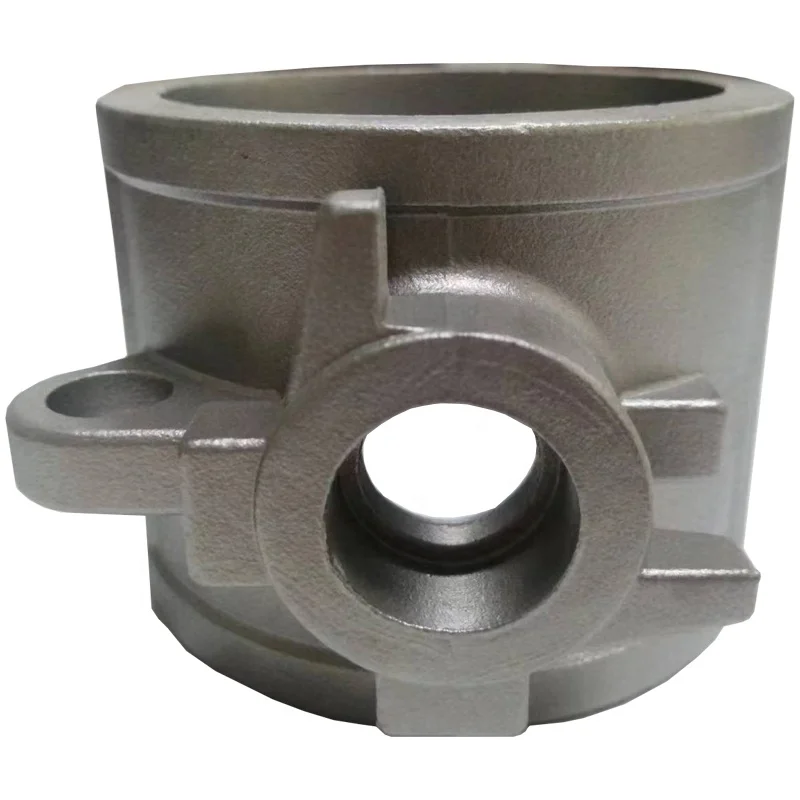
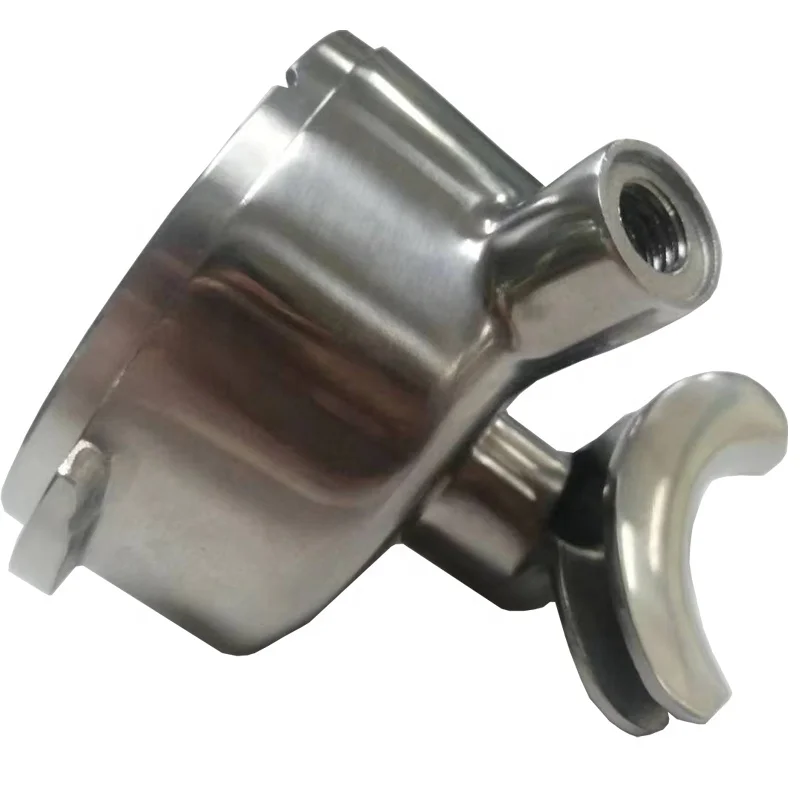
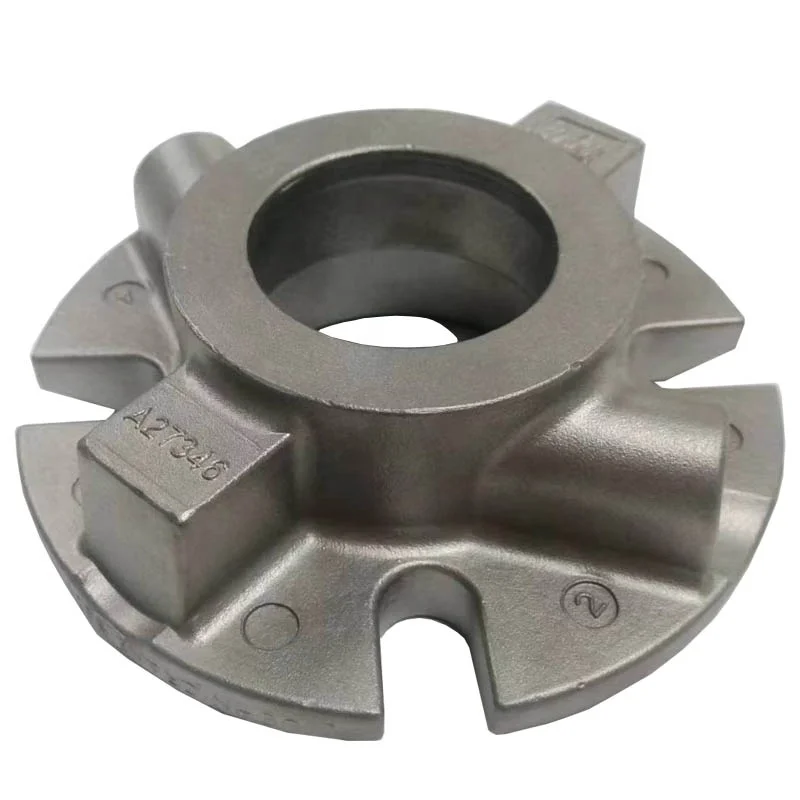
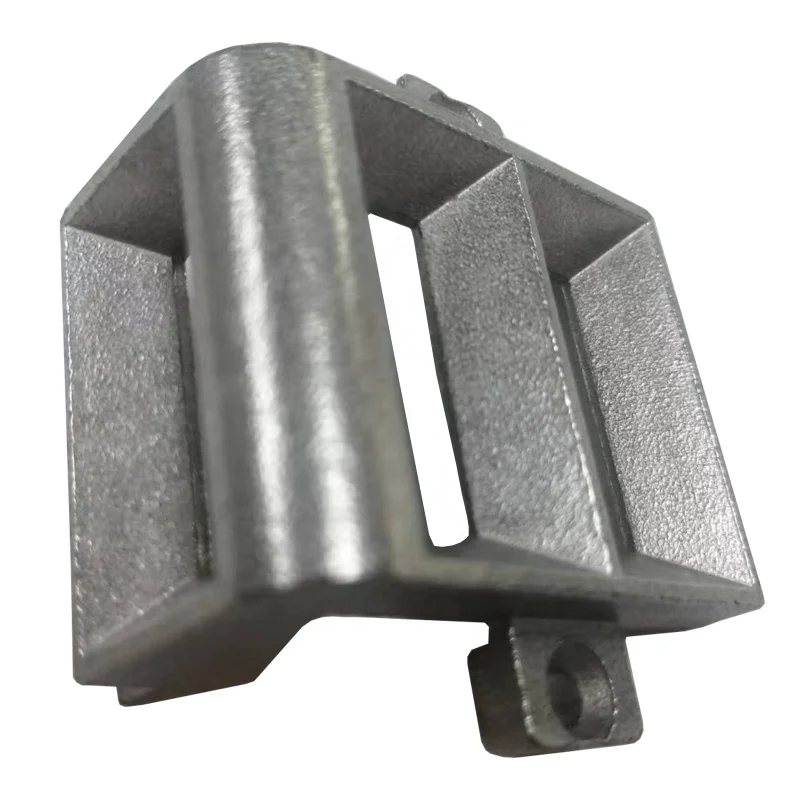
Product nameCustom Casting Parts
-
Materialsteel, stainless steelColorPassivation
-
FunctionConnectionFeatureHigh accuracy
-
Drawing Format2D/(PDF/CAD/DWG/DXF)3D(IGES/STEP/VDA)ProcessingLost wax casting + passivation
-
ServiceOEM\ODMDimensionsCustomized Sizes
Custom stainless-steel and carbon-steel casting parts serve connection functions through OEM and ODM lost-wax investment casting. Sizes follow the selected component design, with passivation available as a post-casting treatment to agree for the actual material and requirements.
Make the connection interfaces the drawing priority
Identify the geometry and mating relationships that control the connection's function. Specify the required steel grade and critical dimensions, with tolerance and functional acceptance for the intended assembly. Custom sizing allows the enquiry to follow that actual design. Define the operating environment and any duty-related requirements alongside the interfaces so the material and component geometry can be reviewed together.
Set passivation acceptance for the selected alloy
Lost-wax casting and passivation form the process scope to discuss for the custom part. Agree the treatment process and final surface criteria for the chosen alloy, including the areas where fit or appearance needs control. Keep those criteria linked to the dimensional requirements and intended environment. This gives the treatment enquiry a finished-part target rather than treating passivation as a color choice.
Use the 2D and 3D files to define final acceptance
Drawing formats include 2D PDF/CAD/DWG/DXF and 3D IGES/STEP/VDA. Provide the files that describe the connection geometry and identify the critical surfaces and dimensions within the same design. Agree any required inspection checks, records and functional acceptance with that drawing. Linking the selected alloy, casting geometry and passivation requirement in one review gives the connection-part enquiry a clear specification and acceptance plan.








