
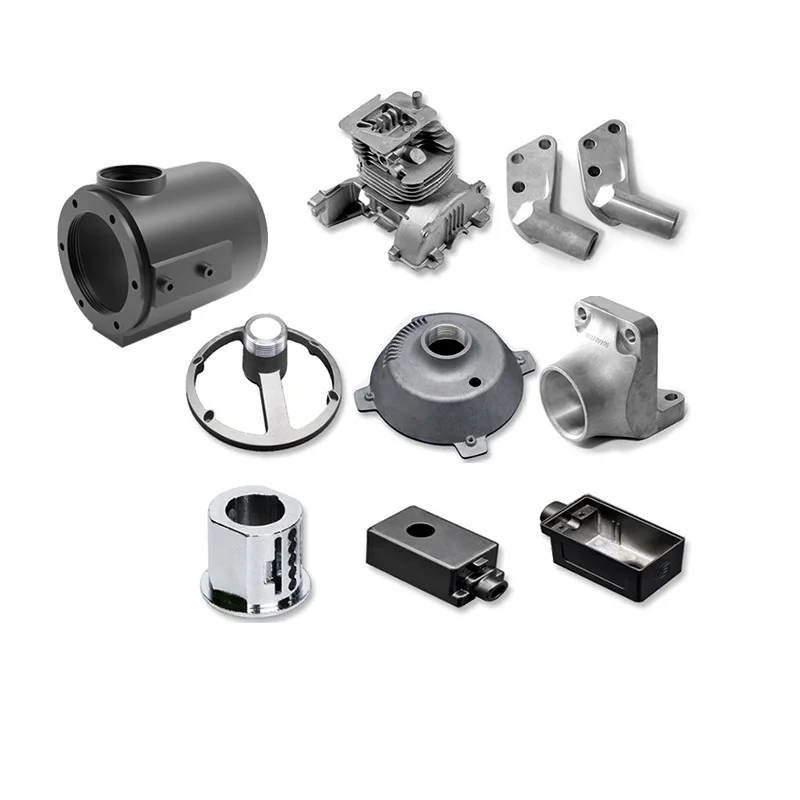
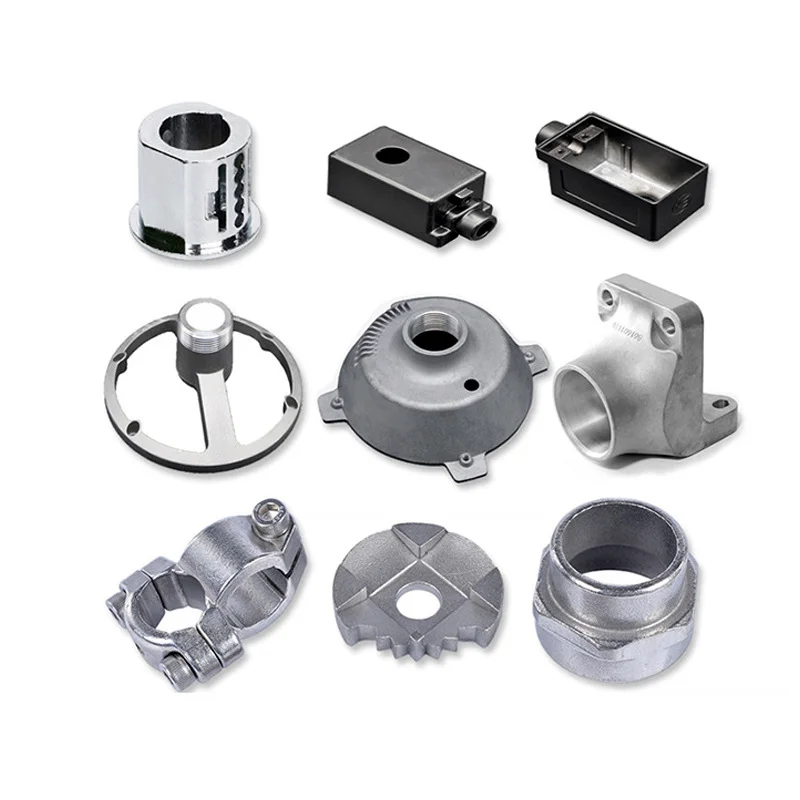
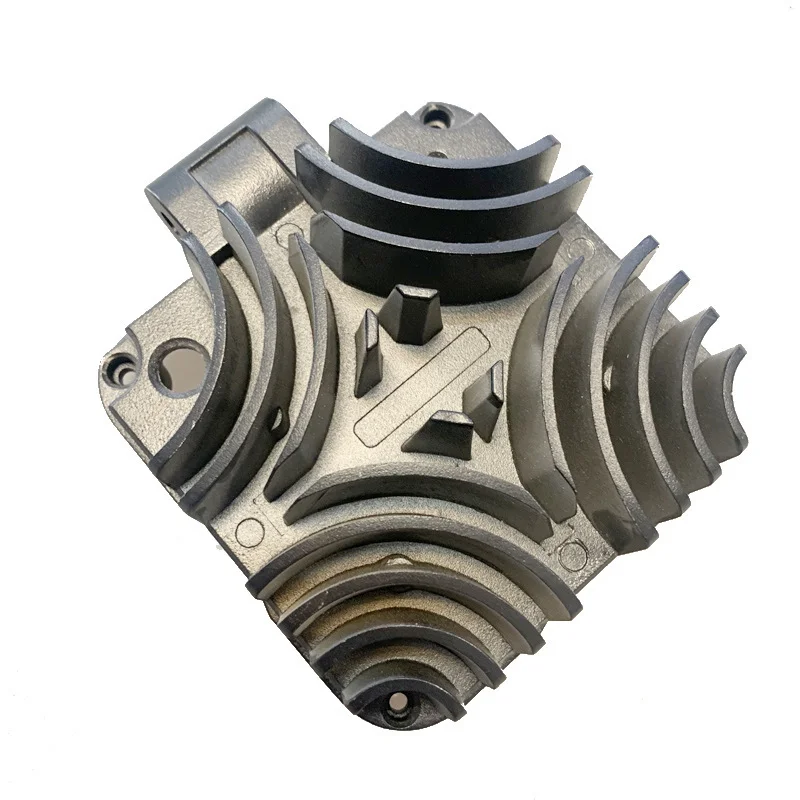
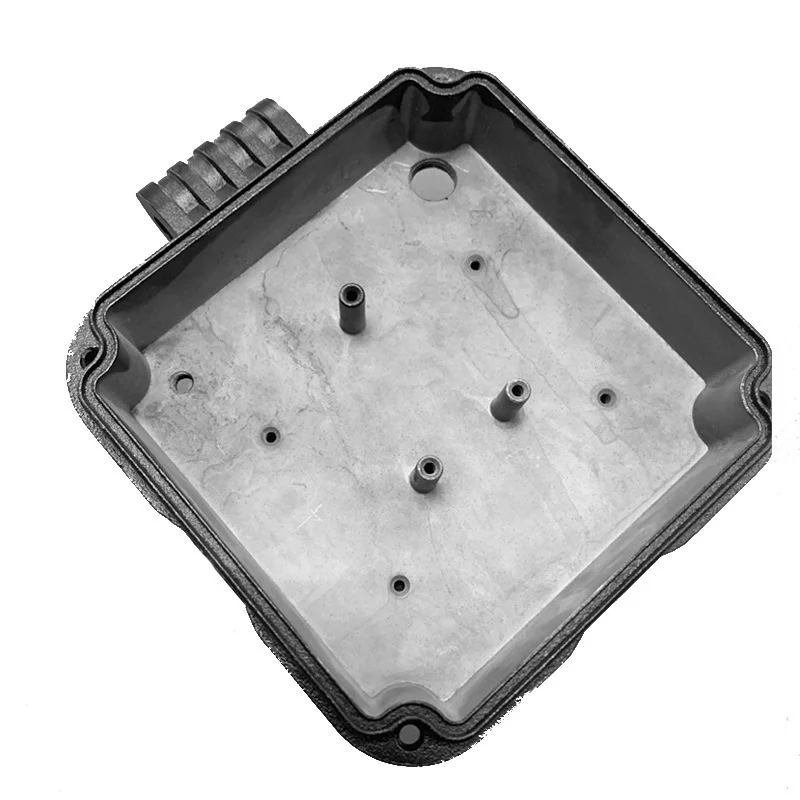
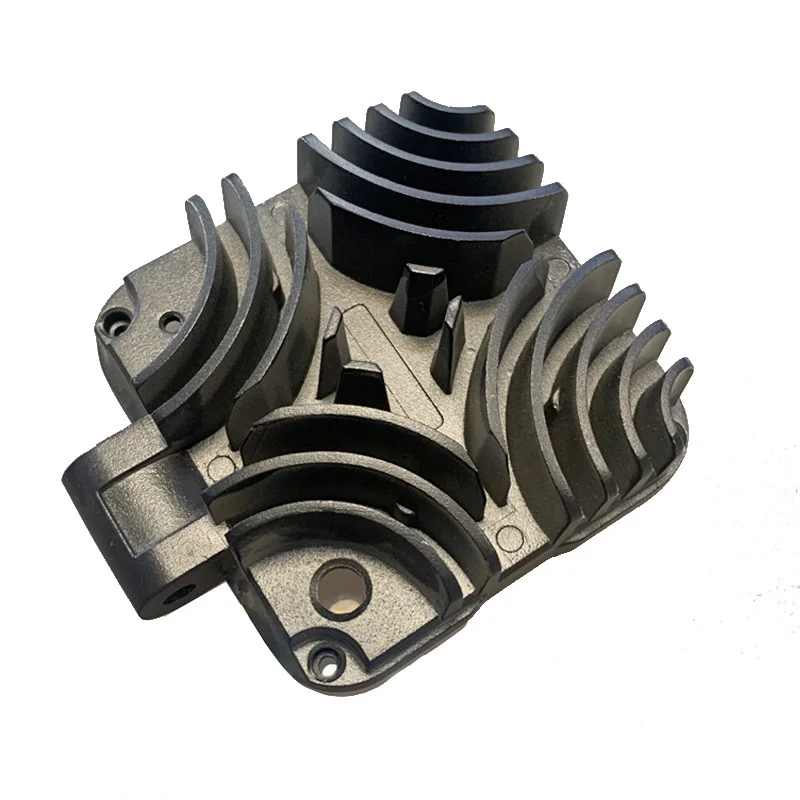
OEM/ODM Custom Mould and Aluminum/Zinc Die Casting, Color and Size Options
Let’s define your requirement
Send a product link, drawing or short brief. We’ll work through the details with you.
- Confirm the specificationGrade or model, size and intended use.
- Define your orderQuantity, finish or configuration, and samples.
- Agree the quotation scopeIncluded work, key checks and delivery needs.
-
Surface FinishAnodized , Powder Coated
-
MaterialAluminum zinc Alloy
-
ProcessCasting +Machining(if Need)+surface TreatmentSurface treatmentAnodizing,Powder Coating, electrophoresis, passivation
-
ServiceOEM ODM Customised die casting serviceDimensionsCustomized Sizes
-
Tolerance0.01Drawing Format2D/(PDF/CAD)3D(IGES/STEP)
-
ColorCustomized ColorMOQ1 Piece
Custom metal die-casting requests combine mould requirements with aluminum/zinc-alloy material selection, color and size customization. OEM/ODM service supports one-piece orders, with casting, machining if needed and surface treatment defined for the actual component.
Select the alloy and mould geometry
State the exact material specification within the aluminum/zinc-alloy request and provide the component shape to be produced. Agree the mould and casting scope with that selected grade. Identify any areas requiring machining so those operations remain connected to the required final geometry rather than assumed for every casting.
Put the tolerance unit on the drawing
The tolerance value is 0.01. Agree its unit, interpretation and applicable dimensions when defining the part, then set the inspection criteria used for acceptance. Keeping the tolerance with the drawing makes the dimensional requirement clear for a one-piece inquiry or a larger custom order.
Choose the color and surface together
Anodizing, powder coating, electrophoresis and passivation are available finish directions. Select the treatment for the chosen alloy and state the final color or appearance you require. Include any areas where the finished condition affects assembly fit, so the surface requirement follows the component geometry.
- Provide a 2D PDF/CAD or 3D IGES/STEP drawing.
- Identify the selected alloy and custom mould requirement.
- Define size and any necessary machining areas.
- State the unit and dimensional acceptance for the tolerance.
- Choose the finish, color and intended quantity.
These decisions turn a broad die-casting request into a specific component requirement. The accepted geometry, material and final surface can then guide the OEM/ODM scope from the mould through finishing.








