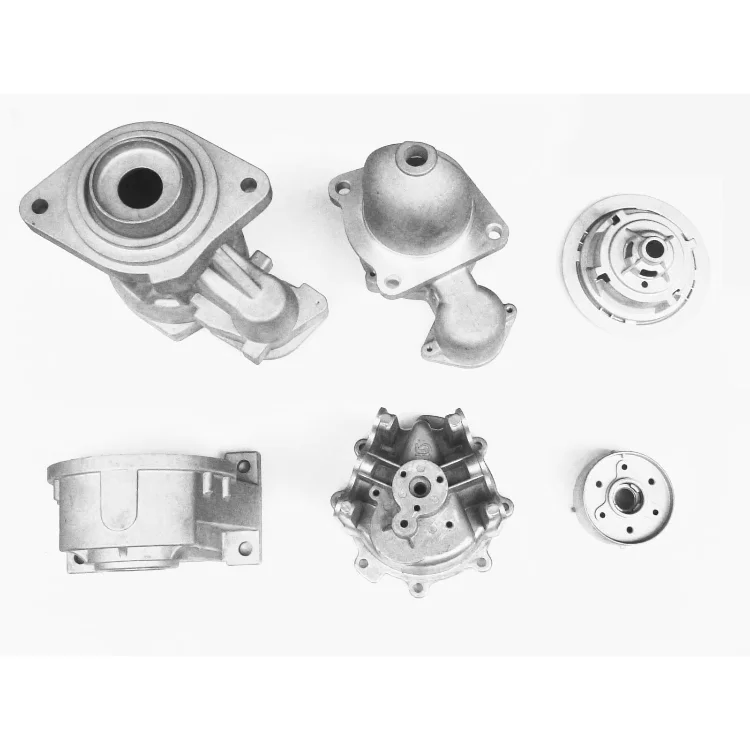
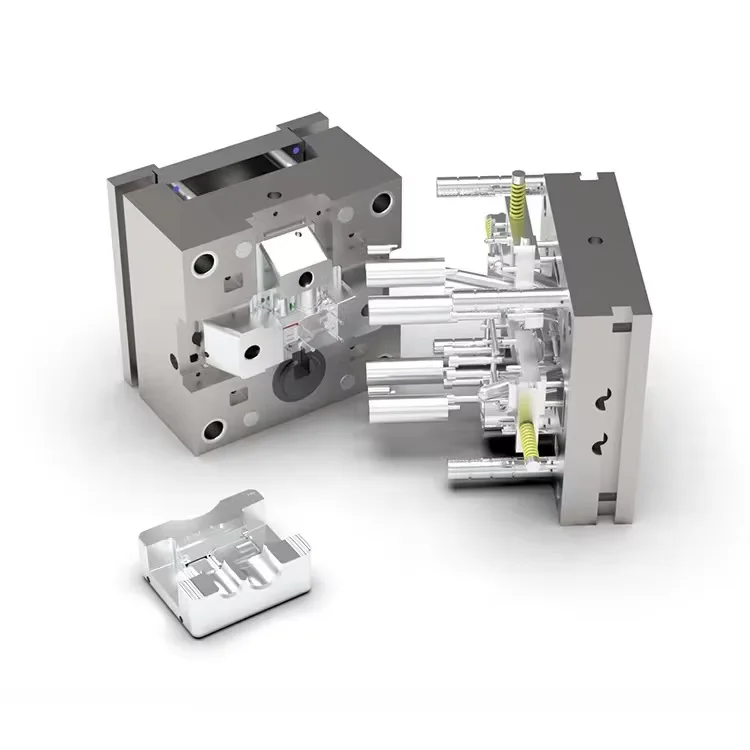
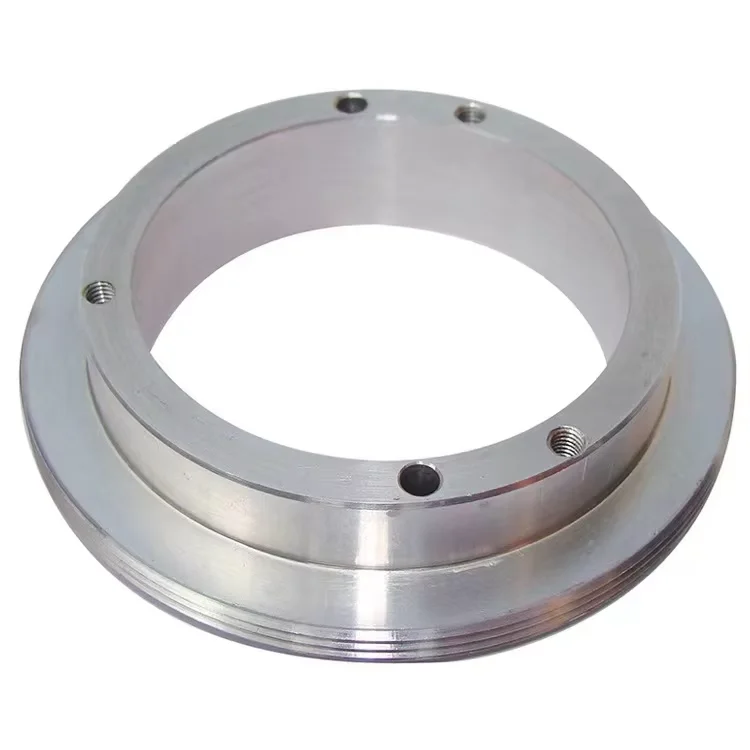
OEM/ODM Automotive Aluminum Die Casting Parts in AlSi7Mg, ZL101, A356, ADC12 and A-S7G with Optional CNC Machining
Let’s define your requirement
Send a product link, drawing or short brief. We’ll work through the details with you.
- Confirm the specificationGrade or model, size and intended use.
- Define your orderQuantity, finish or configuration, and samples.
- Agree the quotation scopeIncluded work, key checks and delivery needs.
-
Surface FinishPainted , AnodizedAlloy GradeA356 , ADC12
-
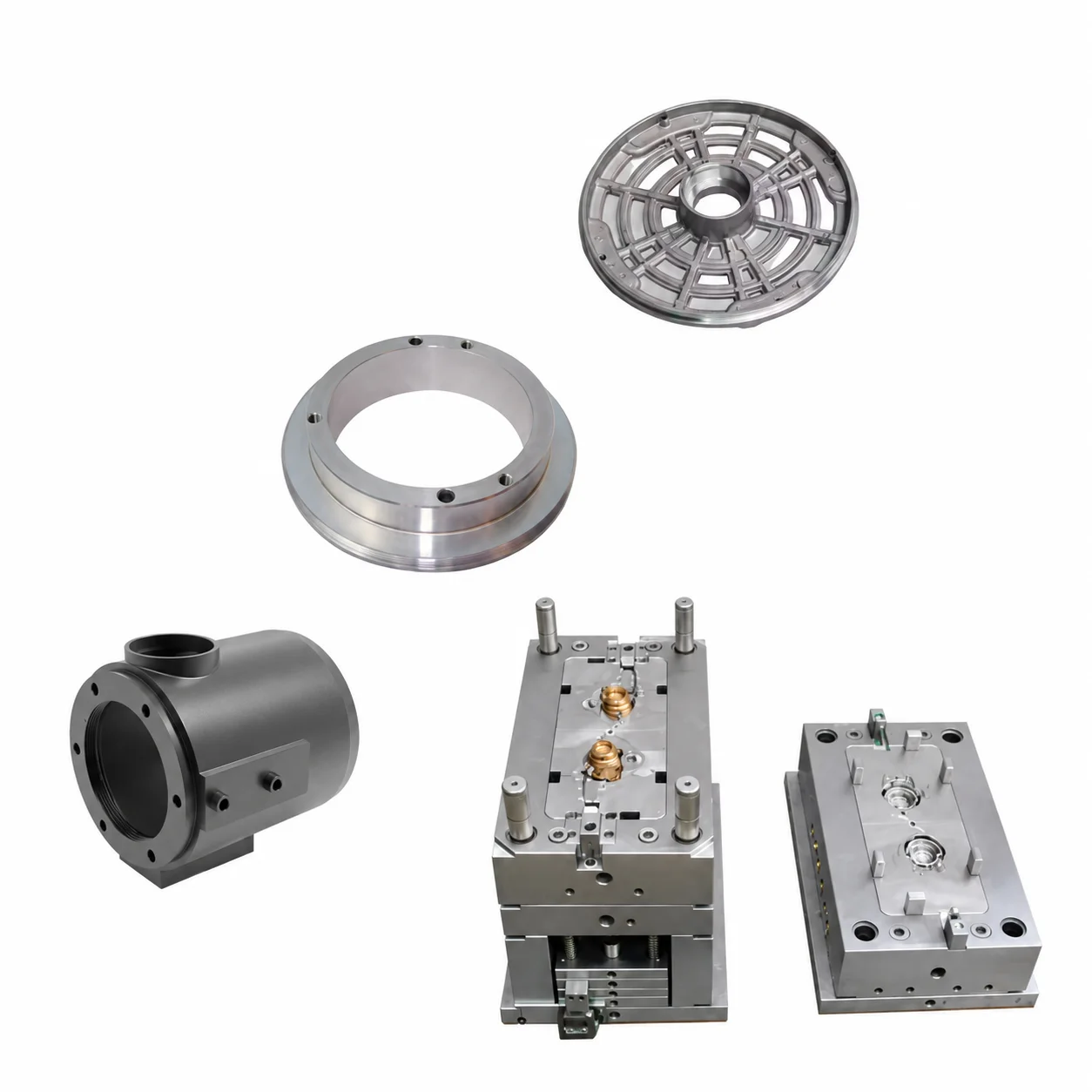
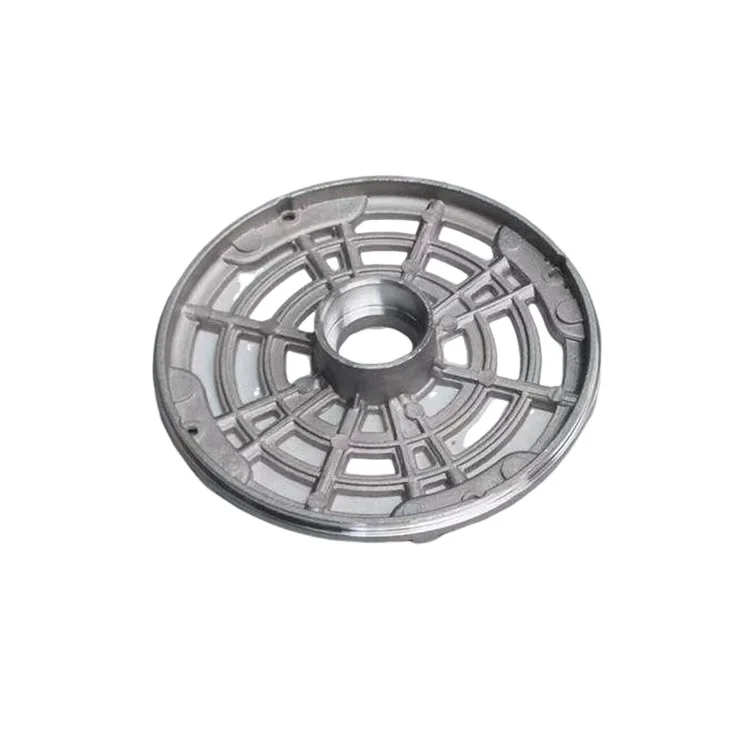
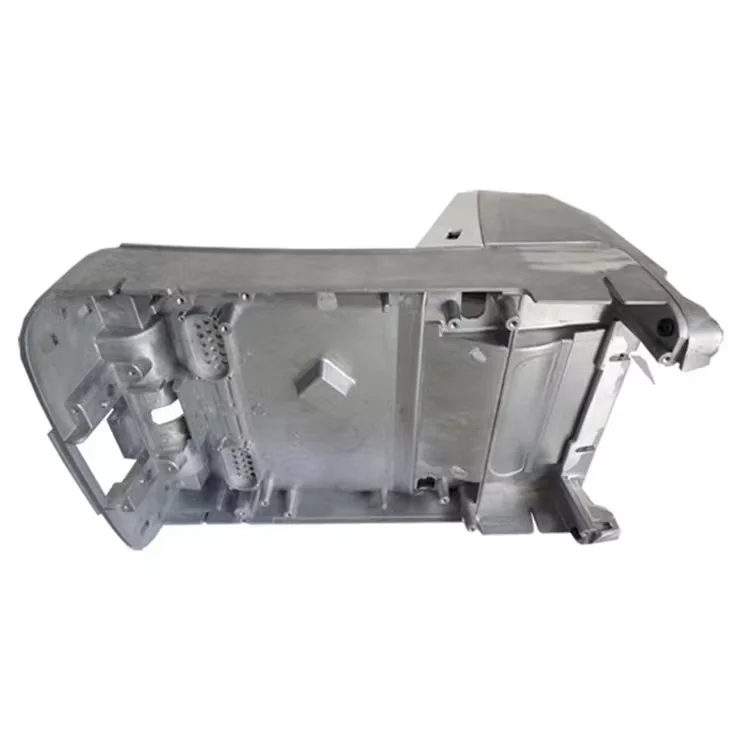
ItemCasting Parts Custom Die-Casting Parts Aluminum ProcessingMaterialAlSi7Mg, ZL101, A356, ADC12, A-S7G etc. As customers request.
-
Manufacturing ProcessDie casting+(Maching+Surface treatment if need)Casting ToleranceCT4-5 for battery die cast aluminium case
-
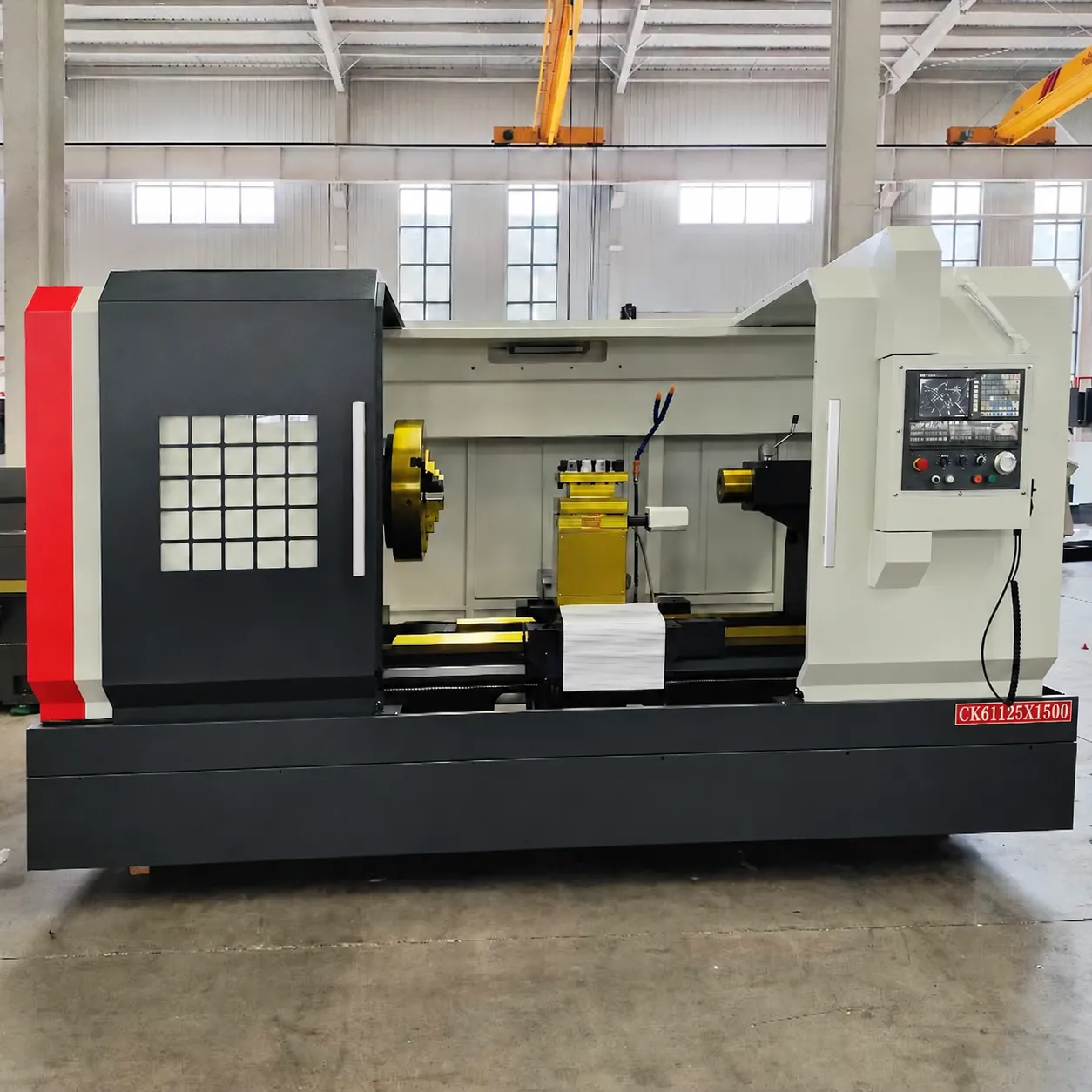
Machining ProcessCNC Machining/ Lathing/ Milling/ Turning/ Boring/ Drilling etc.Surface TreatmentAnodize, Painting
-
Package for Precision Cnc MachiningMultilayer wooden box/pallet, with big plastic bag insideLead Time45 days for die-casting parts aluminum processing
-
ServiceOEM/ODM for die-casting parts aluminum processing
Develop an automotive aluminum component through the selected alloy, cast shape and finished interfaces. This OEM/ODM service covers custom die casting, with machining and surface treatment considered when the requested part needs additional operations.
Keep the alloy request tied to the part design
AlSi7Mg, ZL101, A356, ADC12 and A-S7G are material names that can be requested for this custom work. Identify the exact specification required for the component rather than assuming the names describe one interchangeable material. The grade choice should stay connected to the automotive part's geometry, interfaces and acceptance requirements throughout the manufacturing enquiry.
Scope CT4–CT5 to the battery case
For battery die cast aluminum case projects, the casting tolerance is CT4–CT5. Agree the applicable grade and features for the actual case drawing, keeping this condition specific to the battery-case request. The casting tolerance should be considered alongside the finished interfaces and any separate machining requirements established by that component design.
Choose secondary operations where the geometry needs them
CNC turning, milling, boring and drilling are machining directions for the custom aluminum parts. Anodizing or painting can be requested as a surface treatment appropriate to the selected alloy and component. Identify which areas need additional work and agree how the final dimensions and surface condition will be accepted for the intended automotive assembly.
- Define the cast form and the required aluminum grade.
- Mark the automotive interfaces needing finished dimensions.
- Identify treatment areas and the required surface acceptance.
Keeping these choices together gives the OEM/ODM enquiry a clear part definition. It also preserves the distinction between the casting requirements, any optional machined features and the finish requested for that particular component.