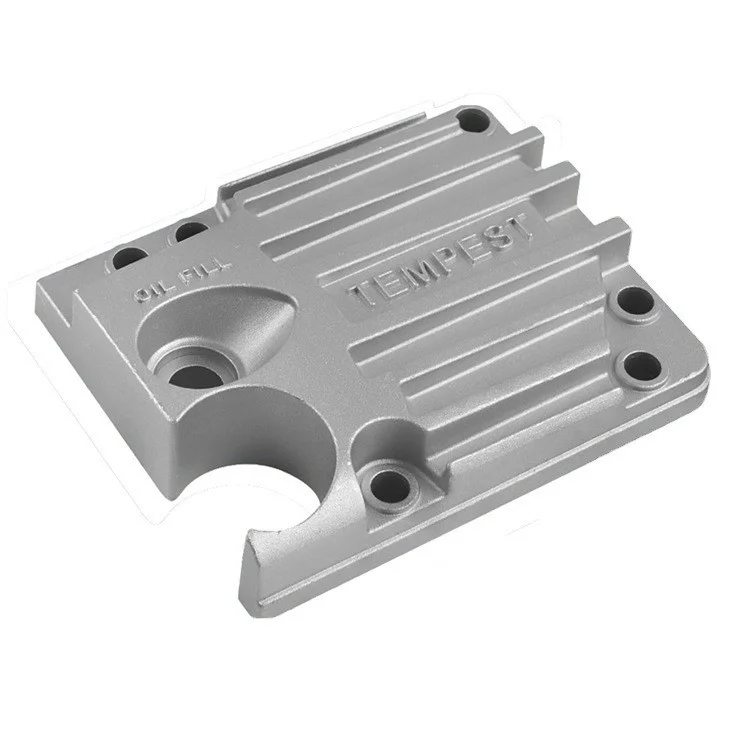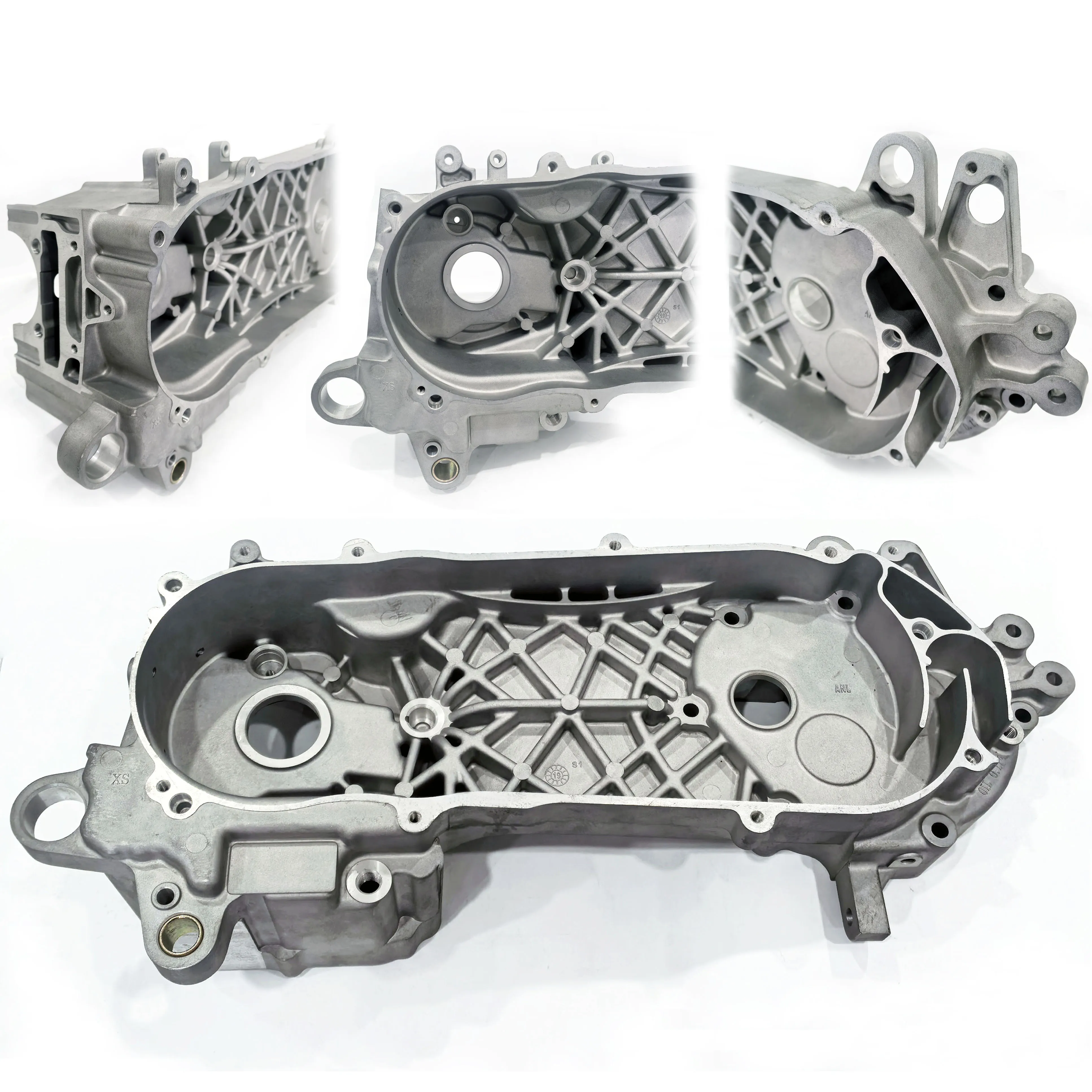
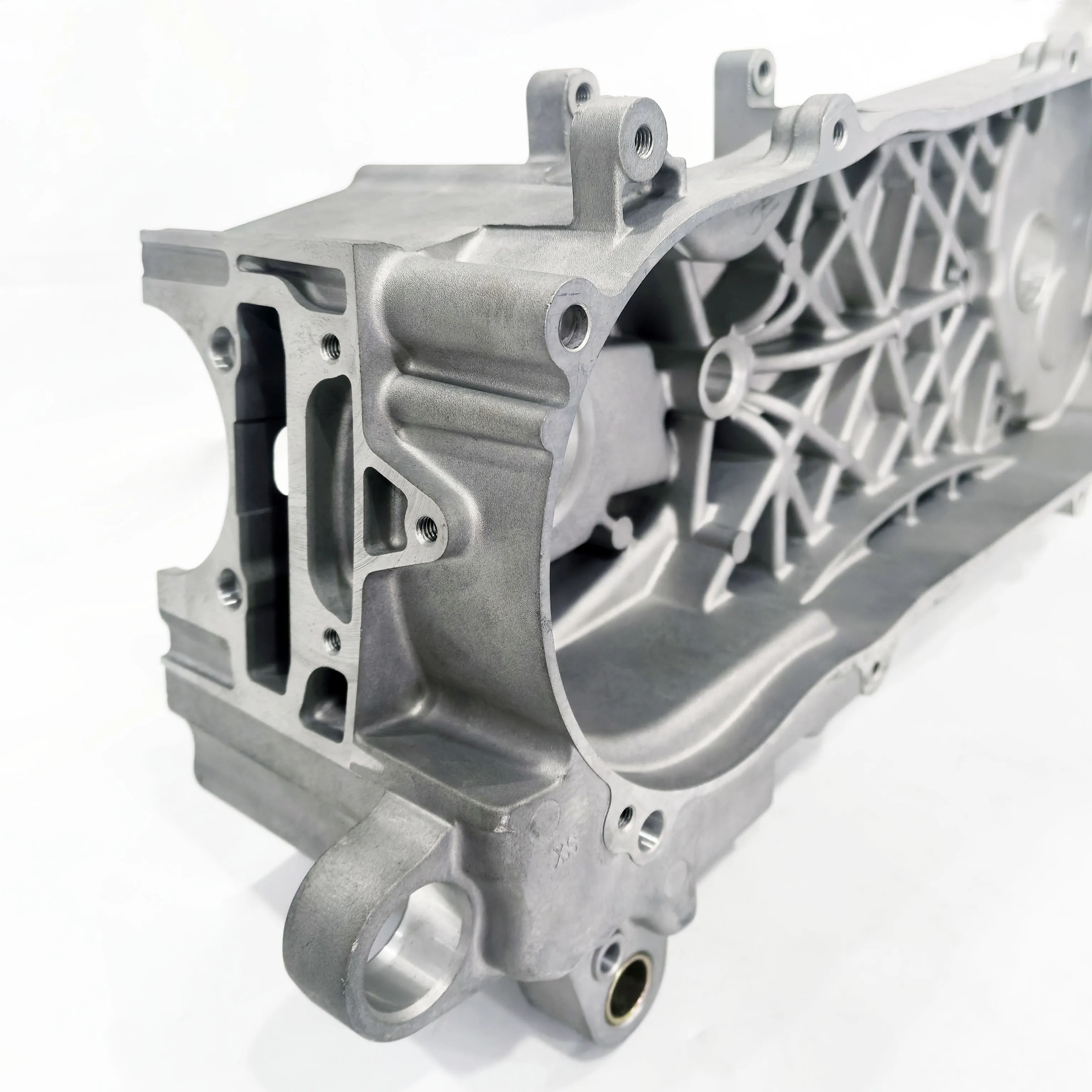
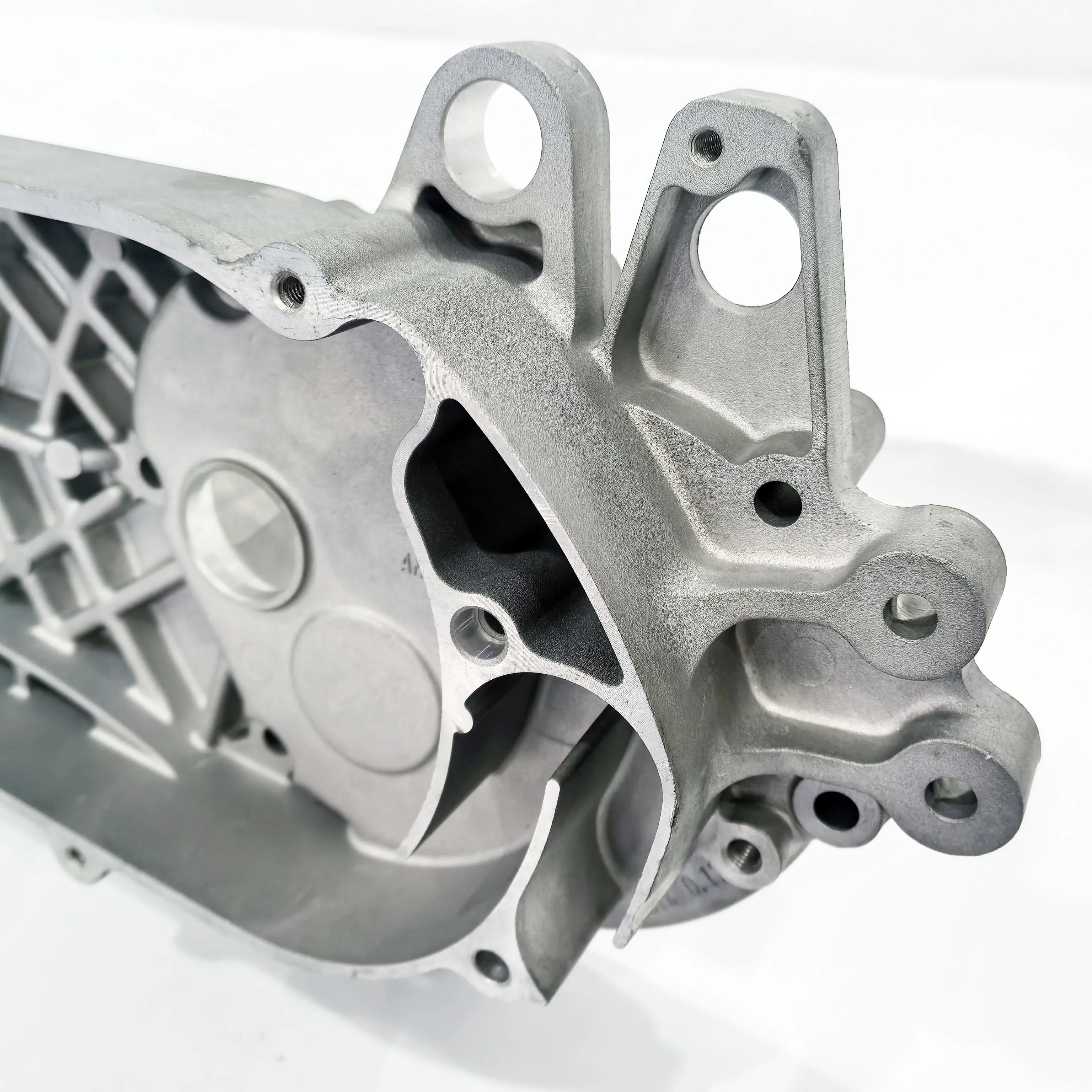
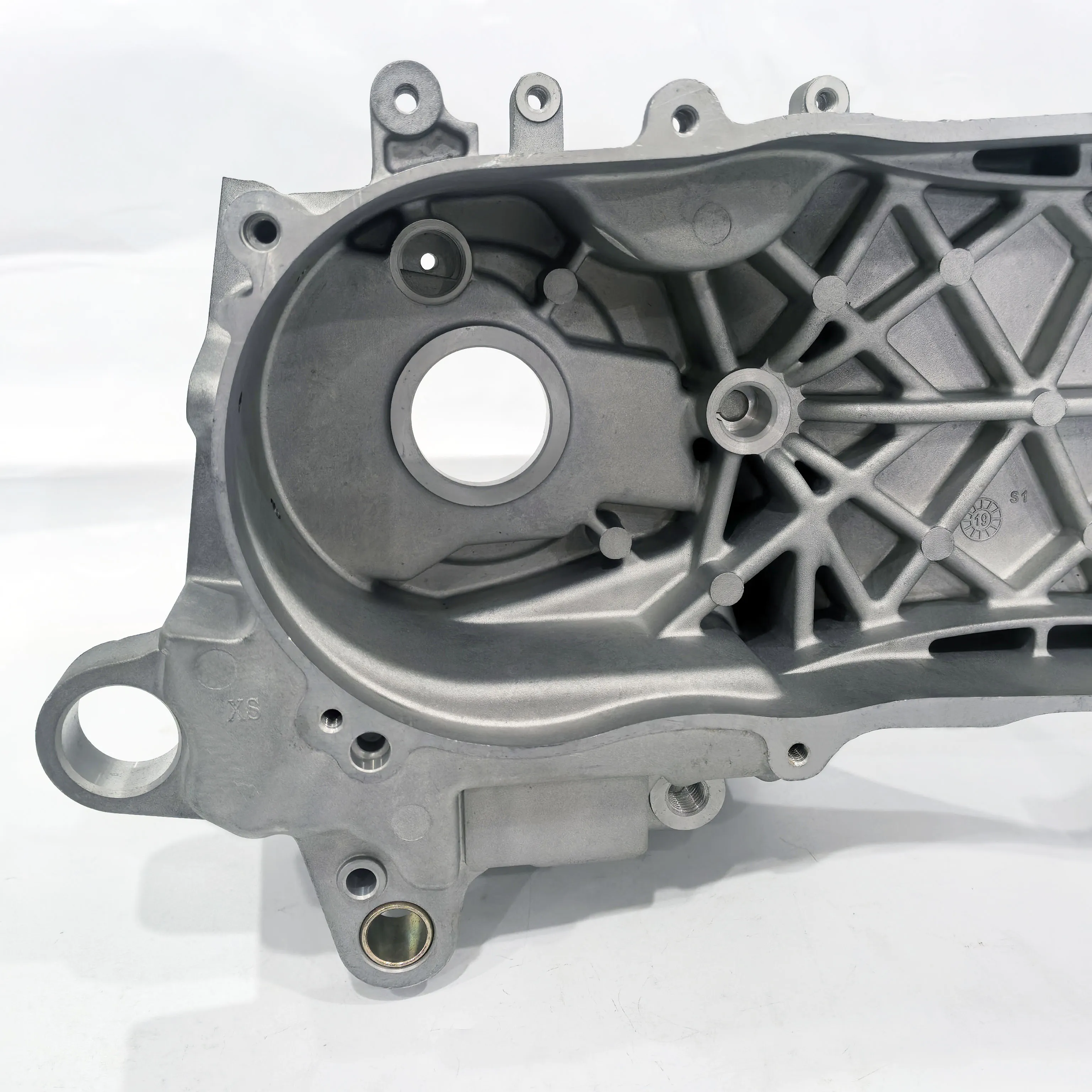
OEM/ODM Aluminum Die Cast Gearbox Flanges and Housings with Optional Machining and Anodizing
Let’s define your requirement
Send a product link, drawing or short brief. We’ll work through the details with you.
- Confirm the specificationGrade or model, size and intended use.
- Define your orderQuantity, finish or configuration, and samples.
- Agree the quotation scopeIncluded work, key checks and delivery needs.
-
Component FormHousing / EnclosureSurface FinishAnodized
-
MaterialAluminum Alloy, zinc Alloy, Copper
-
Product namedie casting of auto / machine spare partsSurface treatmentAnodizing
-
ProcessCasting +Machining(if Need)+surface TreatmentTolerance0.01
-
ServiceOEM ODM CustomisedDrawing Format2D/(PDF/CAD)3D(IGES/STEP)
-
DimensionsCustomized SizesMOQ1 Piece
-
ColorCustomized Color
Custom gearbox-flange and housing requests are offered with aluminum die casting, machining when needed and surface treatment. OEM/ODM work supports customized sizes and colors, with anodizing as a finish direction and a one-piece minimum order.
Describe how the flange or housing joins the gearbox
Identify the part's position in the intended assembly and the surfaces that establish its fit. Show the finished geometry and dimensions that relate the flange or housing to its mating parts. This gives the custom casting request a clear gearbox-component purpose and defines where optional machining may be needed.
Choose the metal with its treatment in mind
The material menu includes aluminum alloy, zinc alloy and copper, with the actual grade and process to be agreed for the component. Select the anodizing direction where appropriate to the chosen metal and required appearance. Identify treated areas and include the final condition of any surface that also controls assembly.
Turn custom size and color into acceptance criteria
Define the finished dimensions and their required limits, including units and the method of acceptance. Describe the custom color and the surfaces to which it applies. Keeping those requirements together makes the order definition useful for both the cast geometry and any later machining or treatment work.
Prepare the one-piece inquiry from the actual geometry
Inputs include 2D PDF/CAD and 3D IGES/STEP geometry. Combine those files with the selected material, flange or housing interfaces, optional machining areas and anodizing requirements. Auto and machine spare parts are further application directions, with each actual component and its acceptance defined for the intended assembly.