
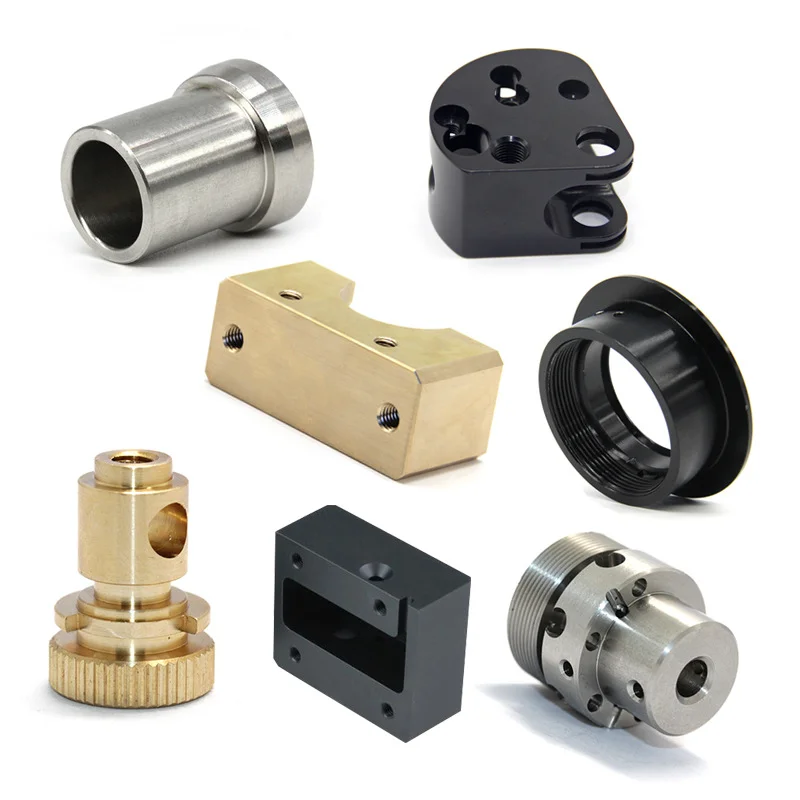
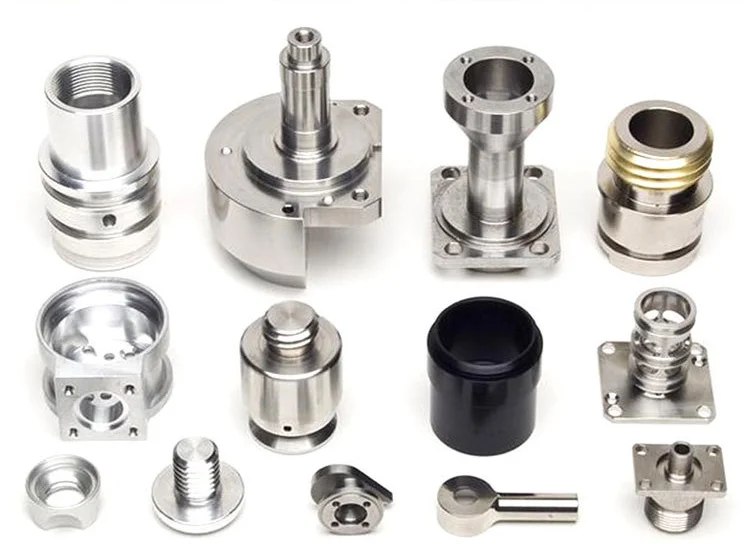
OEM/ODM Aluminum and Stainless Steel Prototyping, CNC Machining, Turning and Die-Casting Requests
Let’s define your requirement
Send a product link, drawing or short brief. We’ll work through the details with you.
- Confirm the specificationGrade or model, size and intended use.
- Define your orderQuantity, finish or configuration, and samples.
- Agree the quotation scopeIncluded work, key checks and delivery needs.
-
Surface FinishPowder Coated , Polished
-
CNC Machining or NotCNC MachiningTypeBroaching, Drilling, Etching / Chemical Machining, Laser Machining, Milling, Other Machining Services, Turning, Wire EDM, Rapid Prototyping
-
Material CapabilitiesAluminum, Brass, Bronze, Copper, Hardened Metals, Precious Metals, Stainless Steel, Steel AlloysMicro Machining or NotMicro Machining
-
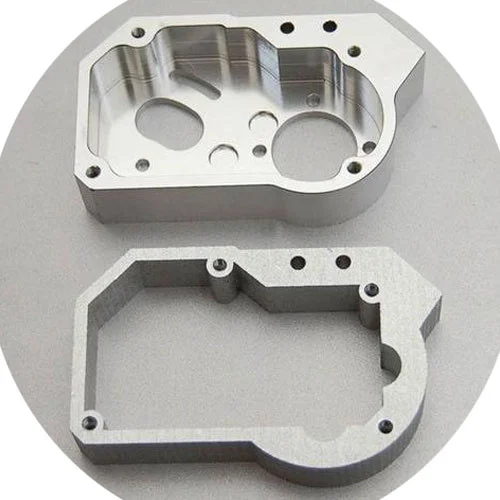
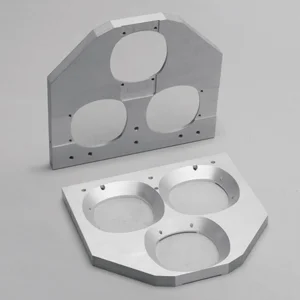
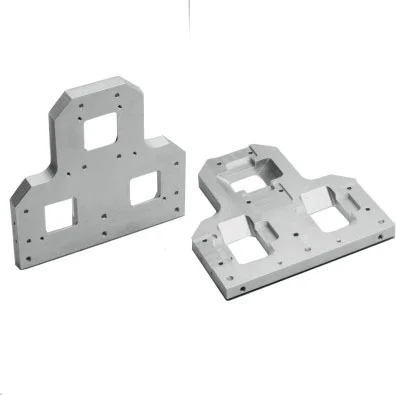
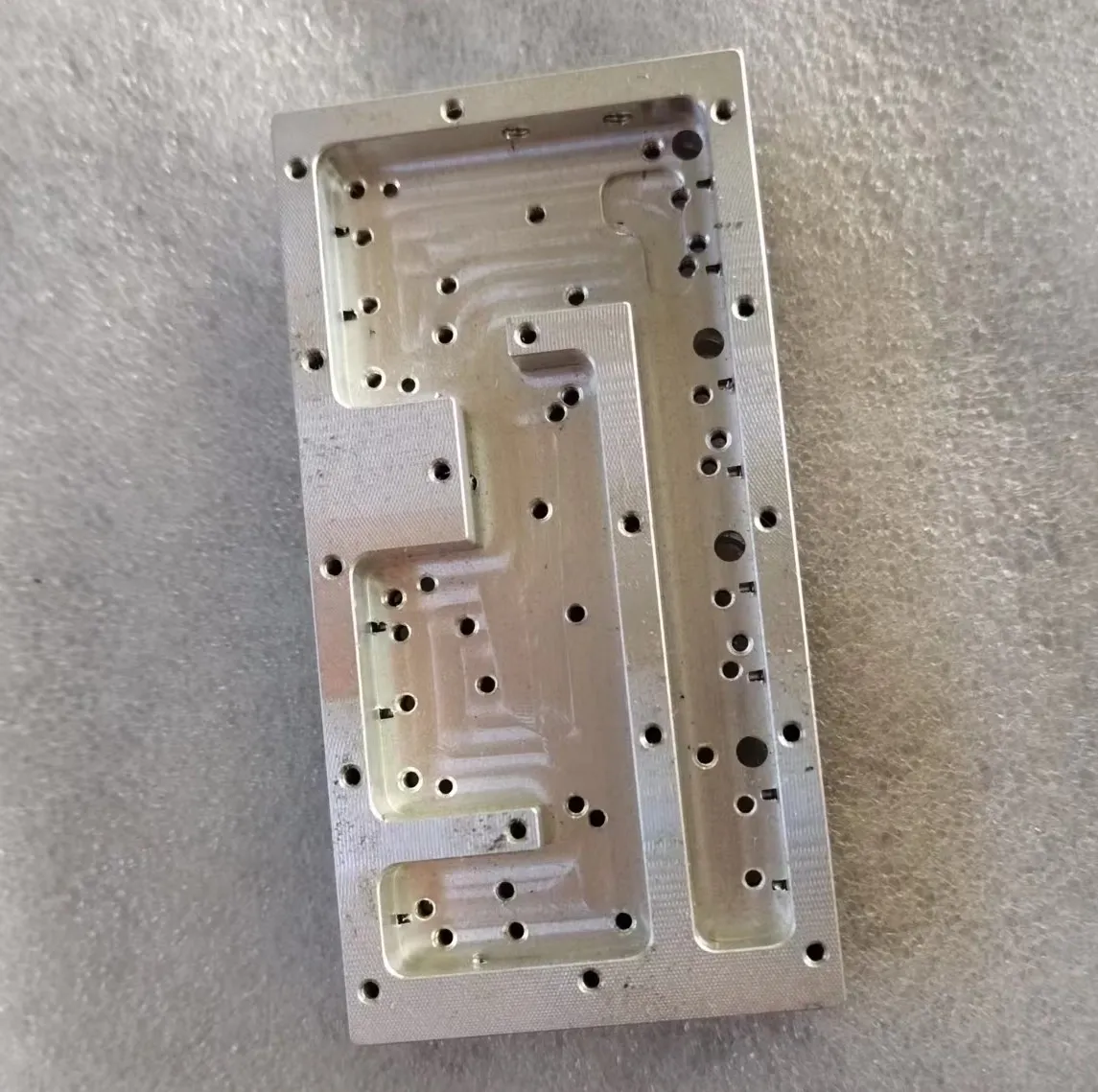
Product nameAluminum CNC machining parts
-
MaterialAluminum,steel,brass etcCertificationISO9001:2008
-
ColorBlack,silver,blue,gold and so onFinishSilver anodized, powder coating,polishing,brushed and so on
-
Deep processingCutting,Milling,Drilling,Punching and bendingServiceOEM ODM
Custom aluminum and stainless steel component requests can combine CNC machining, turning, rapid prototyping and die-casting directions. OEM/ODM service and micro machining are offered, with the selected material, geometry and required operations defining the actual work.
Choose operations around the part's geometry
The machining menu includes broaching, drilling, etching or chemical machining, laser machining, milling, turning and wire EDM. Deeper processing can include cutting, milling, drilling, punching and bending. Identify the areas that require each operation so the request describes the work needed on the component rather than an undifferentiated list of processes.
Define the small details for micro machining
A micro-machining request should locate the small features and state their dimensions and acceptance requirements. Relate those details to the larger reference surfaces or interfaces of the part. This gives the manufacturing discussion a clear description of what must be produced and checked, with the actual dimensional limits agreed for the requested geometry.
Match the material request to the processing scope
Material directions include aluminum, brass, bronze, copper, hardened metals, precious metals, stainless steel and steel alloys. Select the actual grade and agree which operations apply to it. When prototyping or casting is involved, explain the component's required condition before and after the machining work.
- Finished interfaces
- Identify the dimensions that control assembly or engagement.
- Appearance surfaces
- Identify the areas whose color and final texture matter.
Carry color and finish into the component definition
Black, silver, blue and gold are color directions to discuss. Finish options include silver anodizing, powder coating, polishing and brushing, selected for the actual material. Specify the treated areas and finished-interface acceptance alongside the geometry so appearance and dimensional requirements remain connected.








