
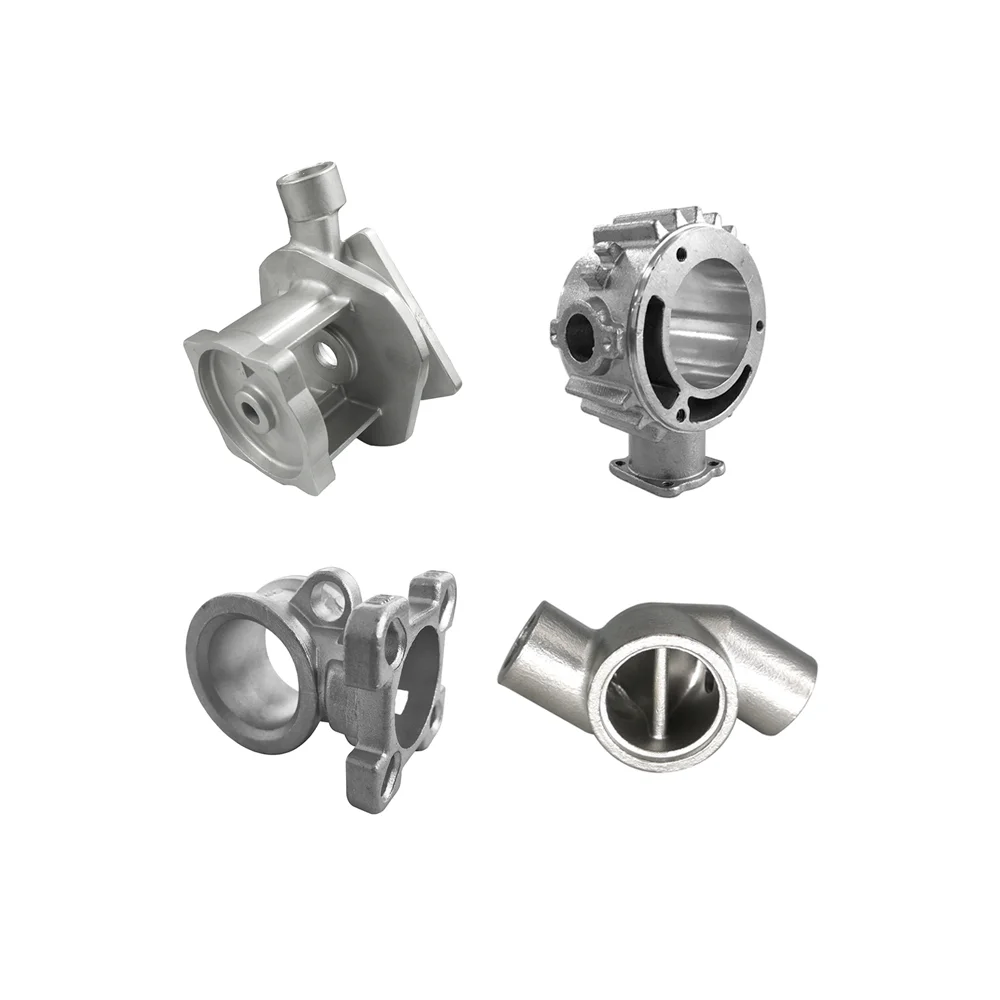
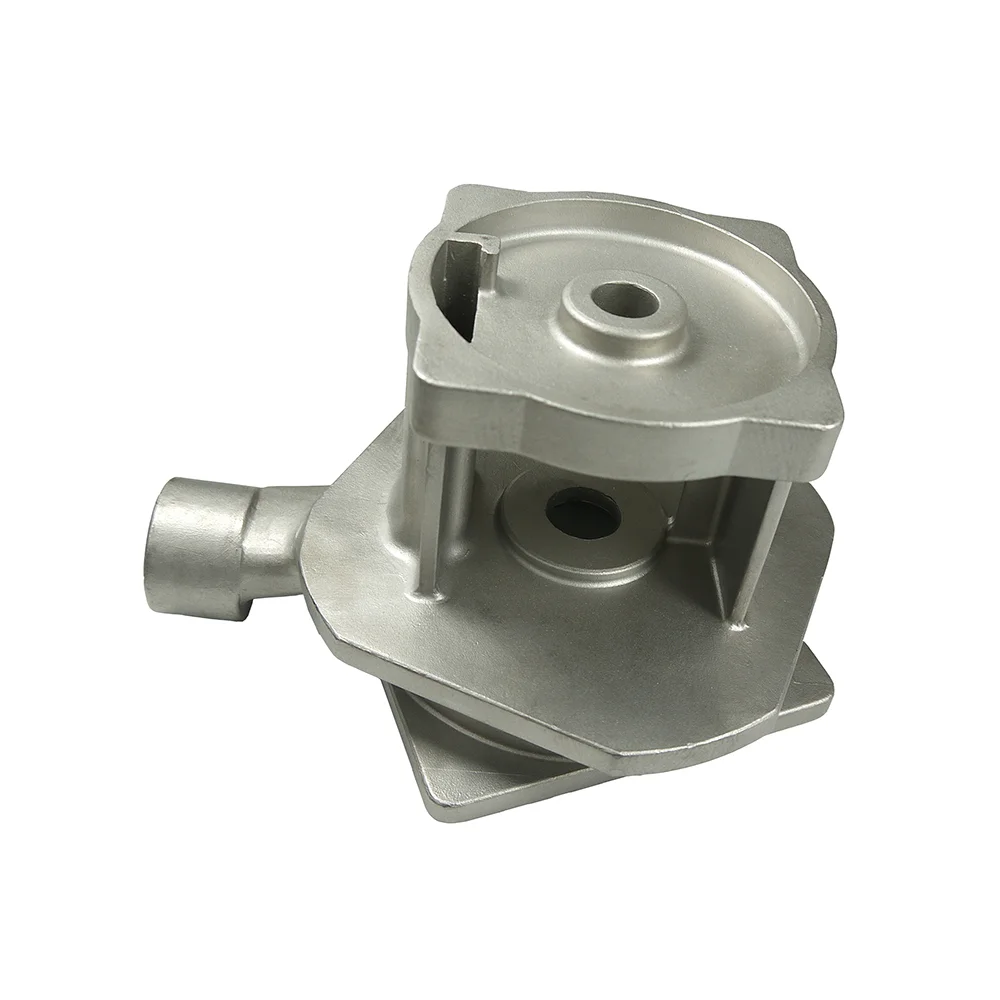
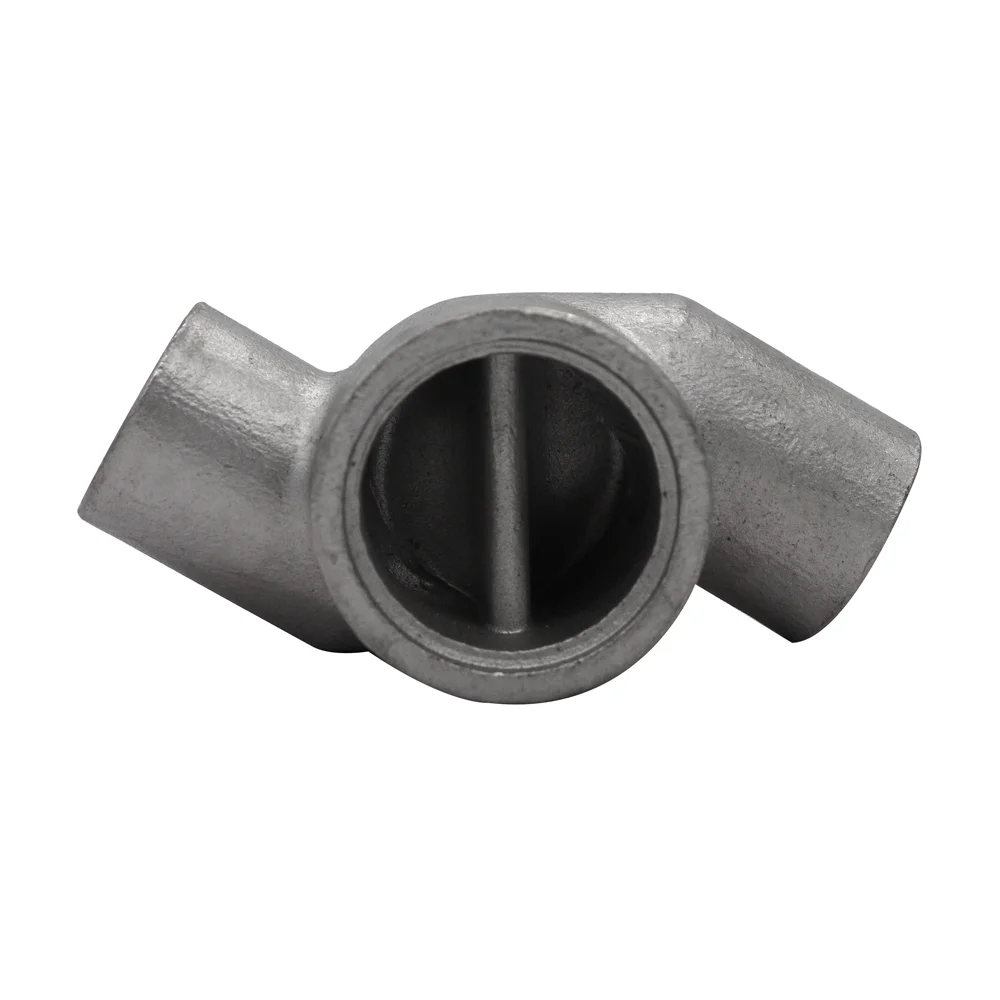
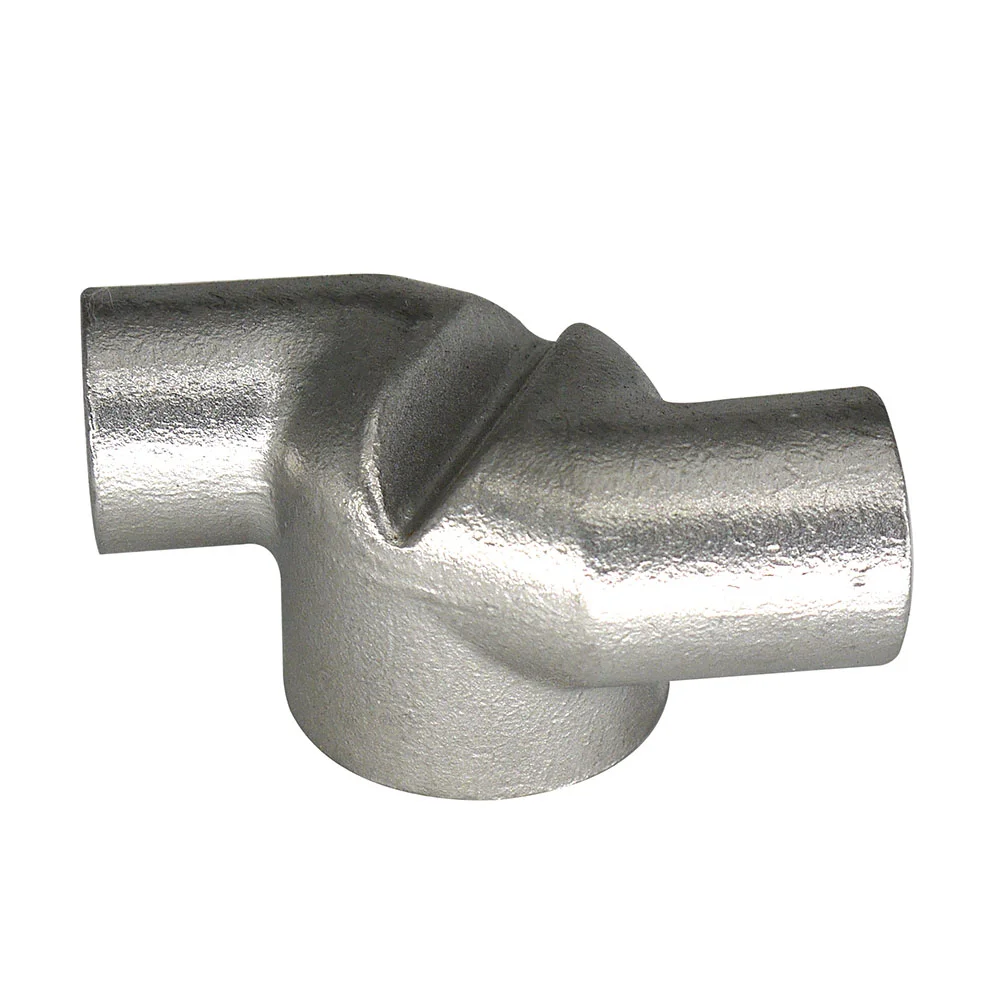
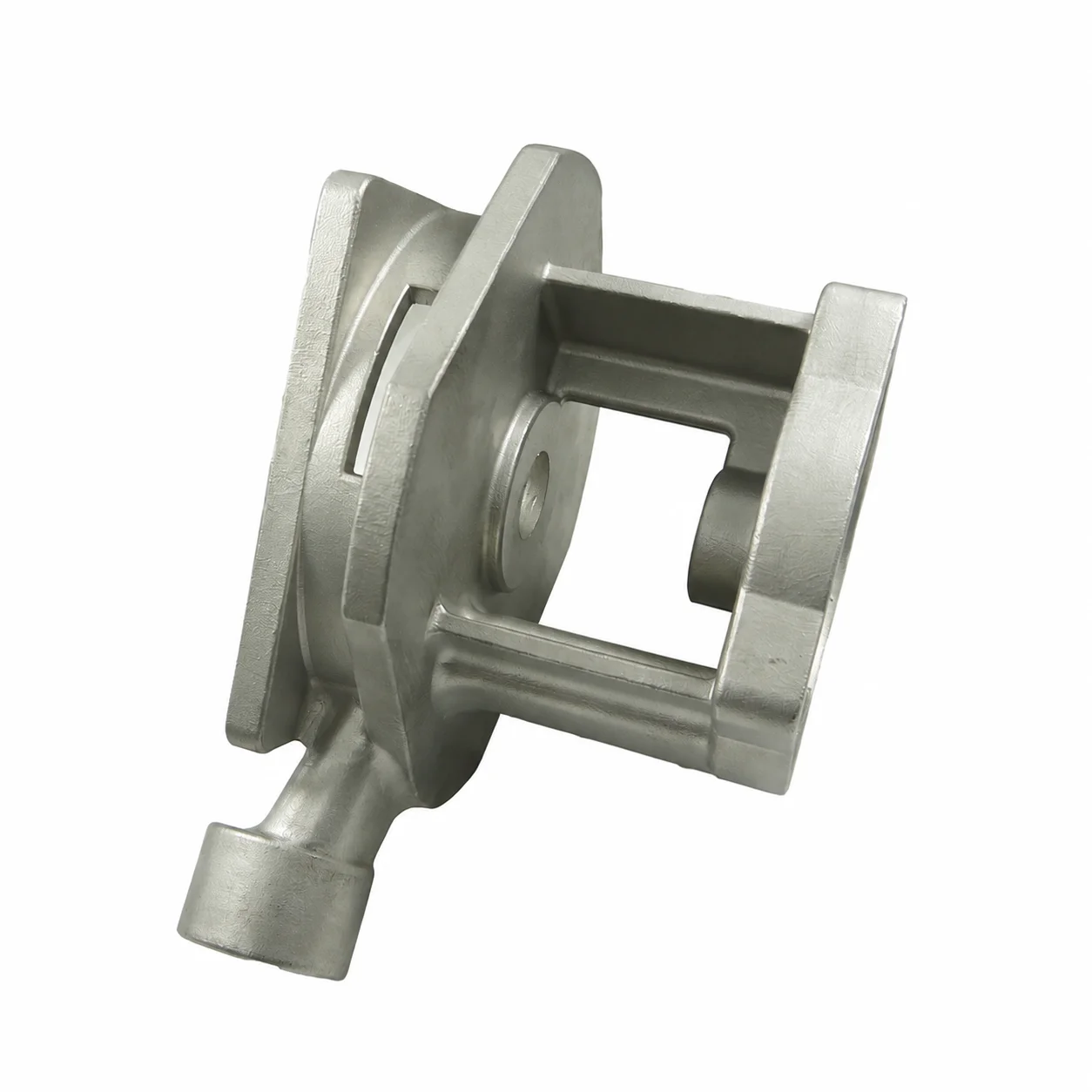
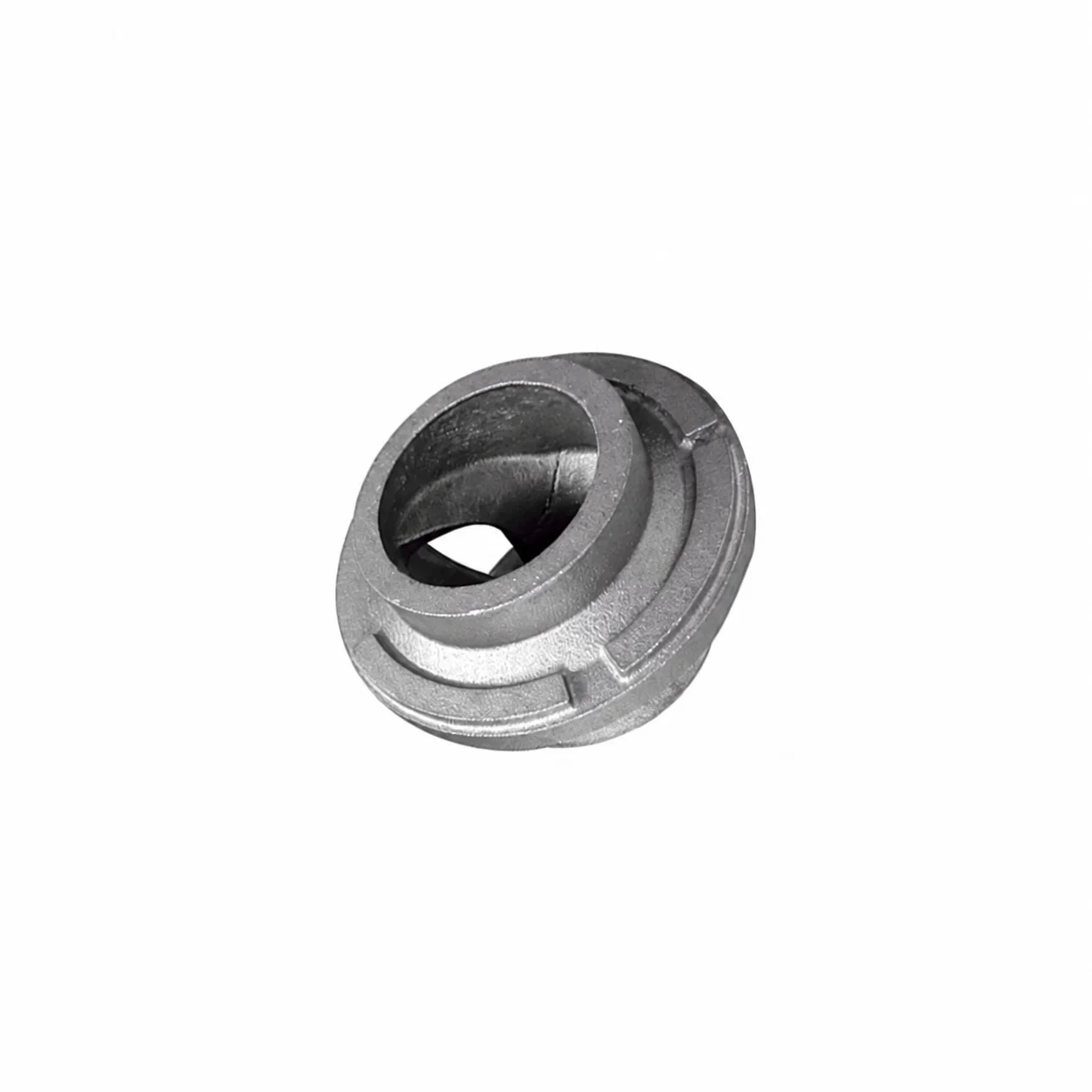
OEM Heavy Duty Precision Stainless Steel Investment Castings | CNC, CT6–CT7
Let’s define your requirement
Send a product link, drawing or short brief. We’ll work through the details with you.
- Confirm the specificationGrade or model, size and intended use.
- Define your orderQuantity, finish or configuration, and samples.
- Agree the quotation scopeIncluded work, key checks and delivery needs.
-
MaterialStainless Steel, steel
-
Applicationautomatic partsProcessInvestment Casting +Machining(if Need)+surface Treatment
-
Machining ProcessCNC Precision MachiningDrawing format2D/(PDF/CAD)3D(IGES/STEP)
-
DimensionsCustmer's DrawingsMOQ500pcs
-
Surface treatmentCustomers' DemandToleranceCT6-CT7
-
Lead Time45-50 Days
OEM heavy duty precision castings are offered in stainless steel or steel for automatic-system component enquiries. Investment casting can include further machining when the part needs it, with CNC precision machining and CT6–CT7 as relevant manufacturing references.
Heavy duty as a component requirement
The intended duty should be defined for the actual automatic-system part. Select the steel or stainless steel grade and describe the component geometry together with its operating and acceptance requirements. This gives the heavy-duty enquiry a specific technical purpose while allowing the custom casting to be reviewed against the needs of that particular component.
Drawn sizes and optional CNC work
Customer drawings establish the dimensions for these castings. Identify which areas require CNC precision machining and agree how the CT6–CT7 tolerance reference applies to the casting requirement. Separate the final machined dimensions from the broader cast form so that the drawing communicates both the overall part and the areas needing further processing.
Digital inputs and the chosen surface condition
Design inputs can be supplied as 2D PDF or CAD drawings and 3D IGES or STEP files. Surface treatment follows the customer's requirements, so identify the relevant faces and the desired finished condition alongside the geometry. Combining the material, duty, drawn dimensions and surface acceptance gives the OEM enquiry a consistent definition of the stainless steel or steel component.








