
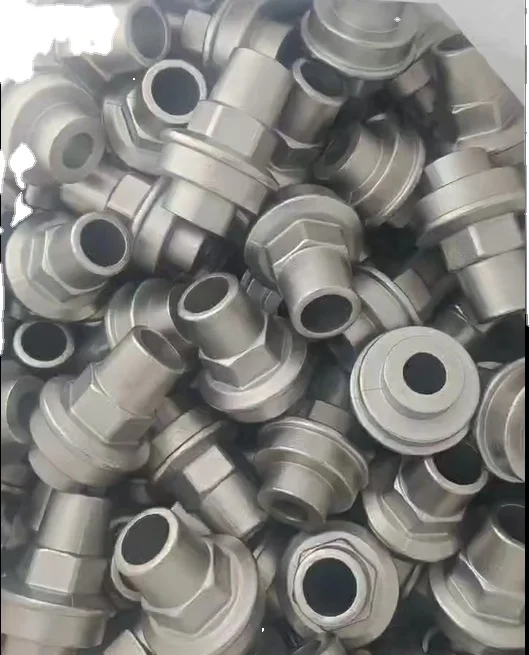
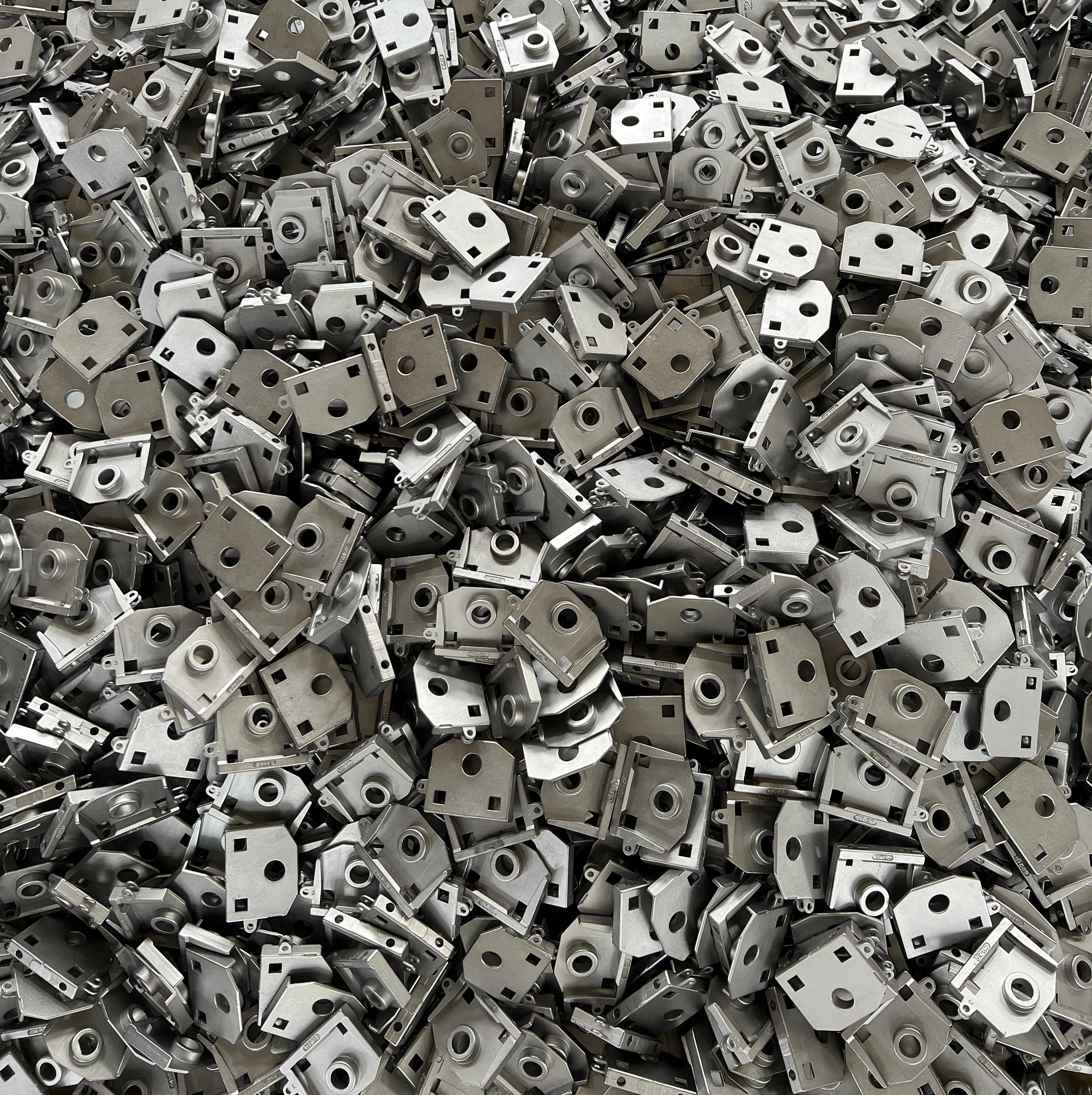
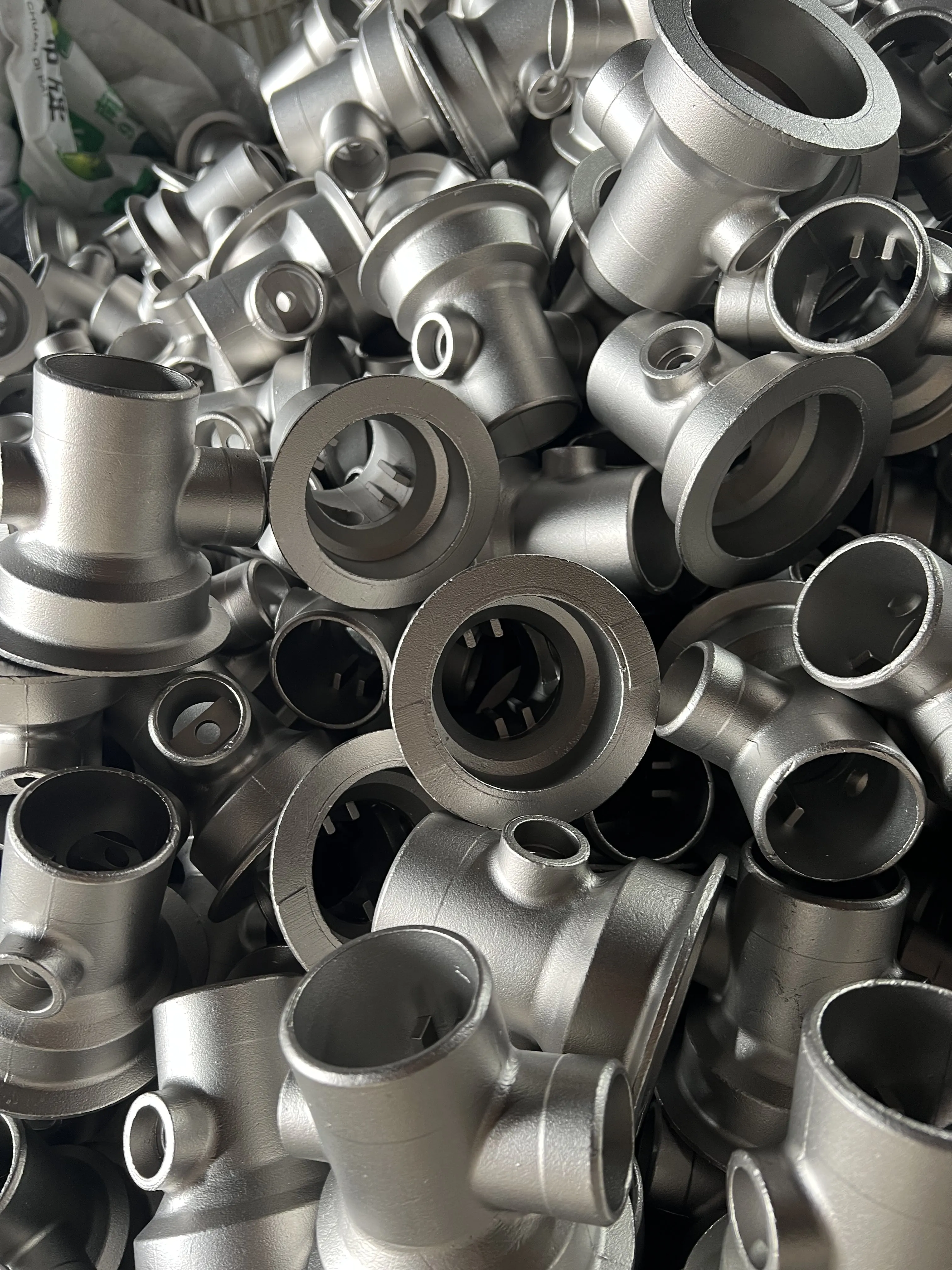
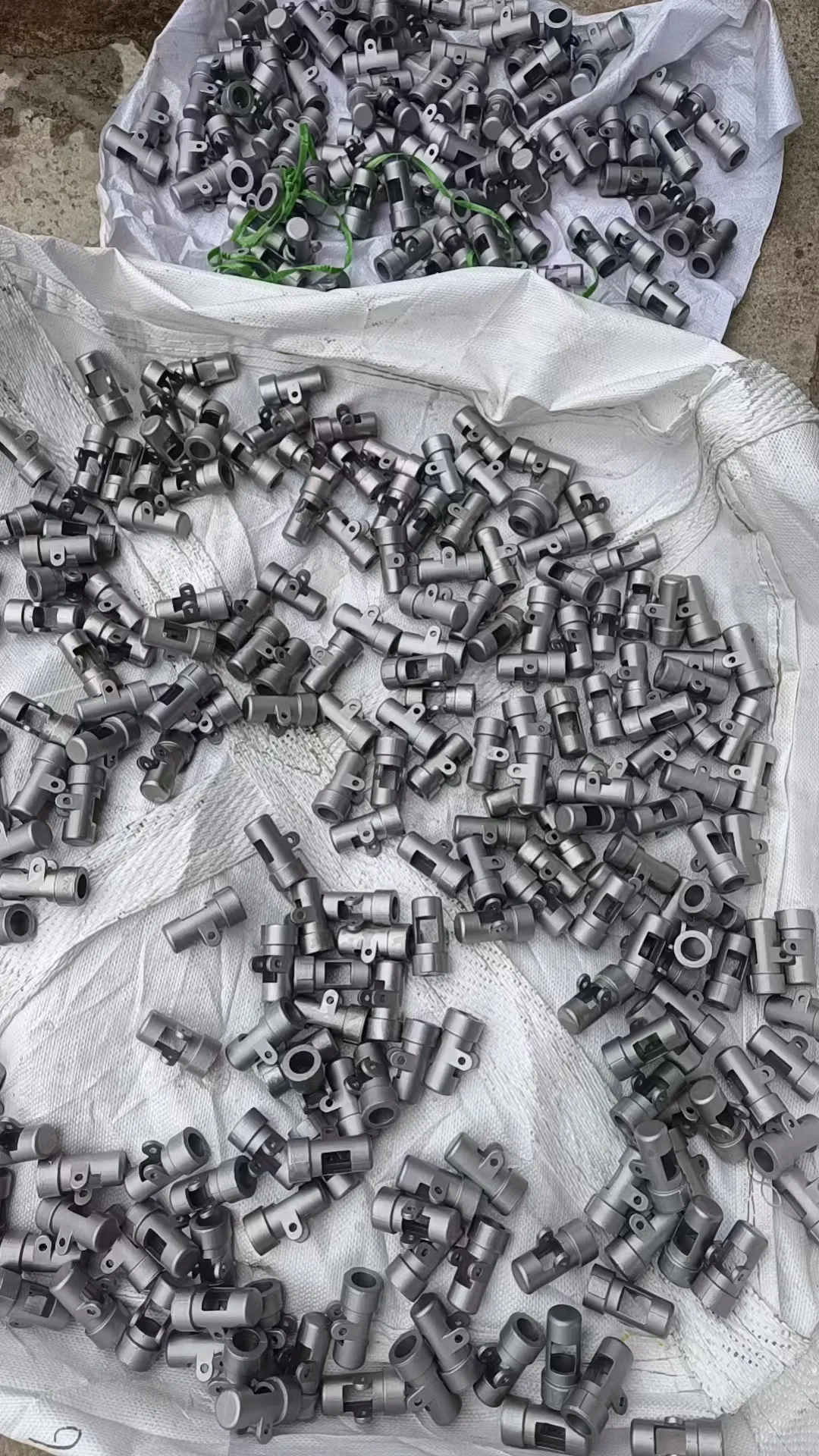
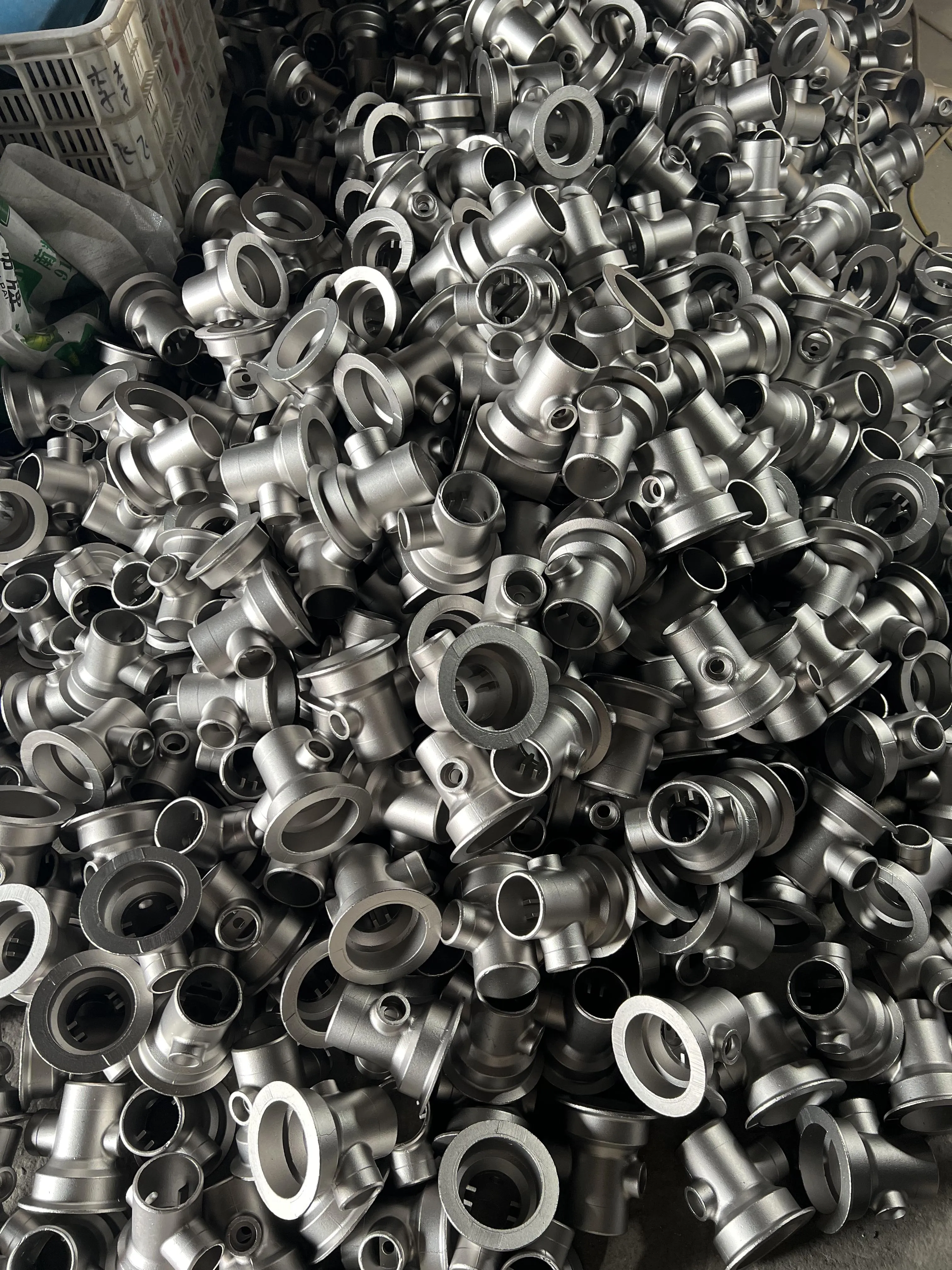
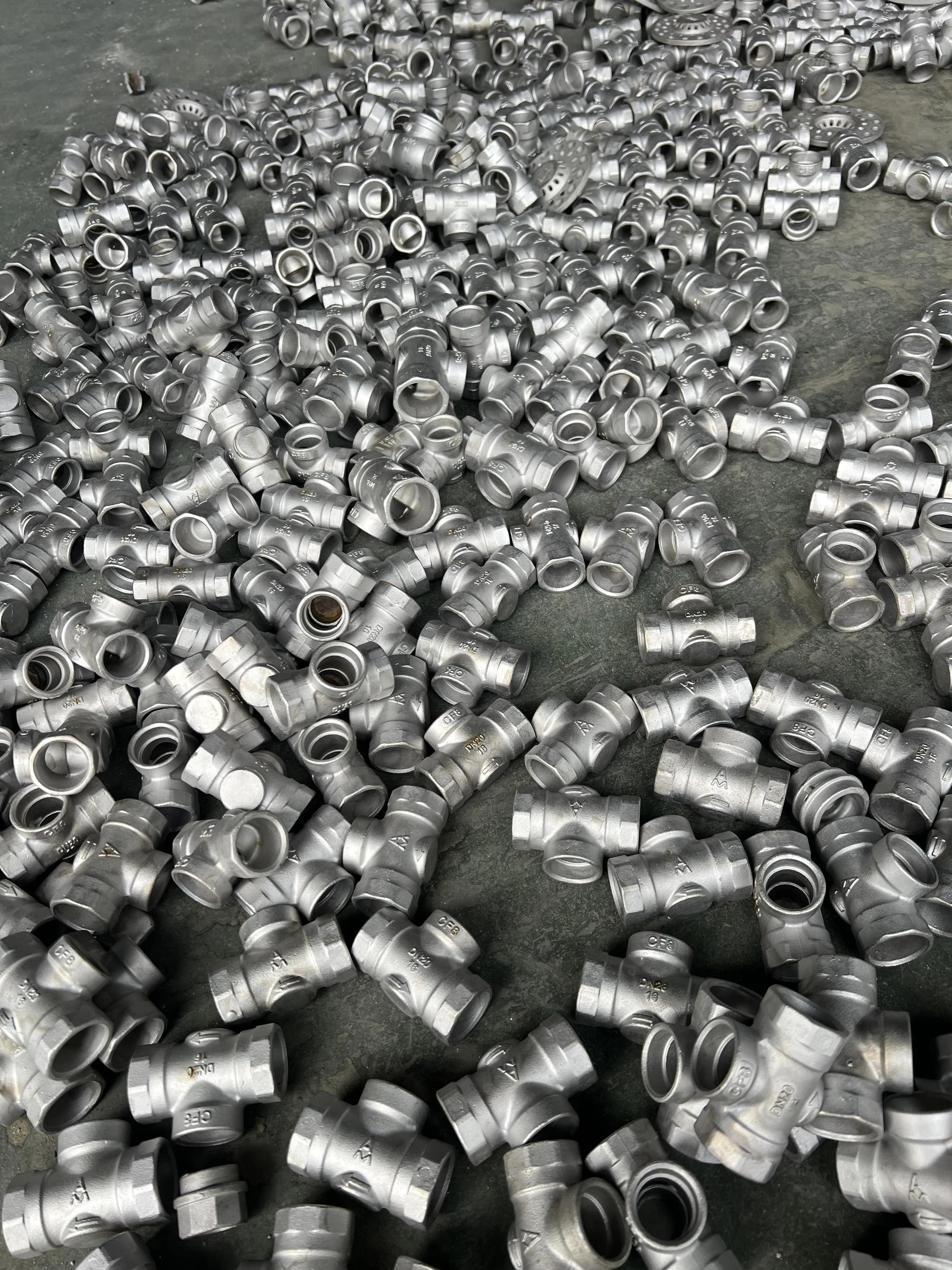
OEM DN20 CF8 Small Three-Way Stainless Parts | Custom Investment/Lost-Wax Casting and Optional Machining
Let’s define your requirement
Send a product link, drawing or short brief. We’ll work through the details with you.
- Confirm the specificationGrade or model, size and intended use.
- Define your orderQuantity, finish or configuration, and samples.
- Agree the quotation scopeIncluded work, key checks and delivery needs.
-
MaterialStainless Steel
-
Surface treatmentCustomers' DemandProduct nameCustom Casting Parts
-
ProcessCasting +Machining(if Need)+surface TreatmentQuality ControlStrictly 100% Inspection
-
MOQ1 PieceLead Time30-45days
-
PackingPoly Bag + Inner Box + CartonNameOEM Casting Processing Products
-
Tolerance0.01mm
Small DN20 CF8 stainless-steel three-way parts use custom OEM investment/lost-wax casting. Machining is included if needed, with surface treatment defined by the customer. The tolerance reference is 0.01 mm, and the minimum order is one piece for the requested component.
DN20 CF8 and the three-way geometry
Define the actual three-way part, its connection interfaces and the dimensions needed for the intended fit. Relate the DN20 and CF8 references to that specific component and its material requirements. Identify the medium and pressure/temperature conditions the part will encounter so the geometry and material acceptance address its actual operating duty.
0.01 mm reference and the requested work
Agree the controlled dimensions, process stage and measurement basis for the tolerance reference. Select machining for the areas that need it, and identify the surfaces receiving the customer-defined treatment. Connect the dimensional and surface requirements to the finished condition of the three-way part, including its important mating interfaces.
Inspection for the one-piece component inquiry
Inspection coverage for the selected DN20 CF8 component is 100%, with the actual inspection criteria to agree. The one-piece minimum supports a request tied to a specific three-way geometry and its finished requirements. Include the selected surface treatment, applicable dimensions and material/duty acceptance within that quantity scope. This gives the component inquiry a defined manufacturing and inspection basis for its intended use.








