
OEM Custom Stainless Steel 304 Valve Seat Lost-Wax Casting with Optional Machining
Let’s define your requirement
Send a product link, drawing or short brief. We’ll work through the details with you.
- Confirm the specificationGrade or model, size and intended use.
- Define your orderQuantity, finish or configuration, and samples.
- Agree the quotation scopeIncluded work, key checks and delivery needs.
-
MaterialStainless Steel
-
Surface treatmentCustomers' DemandProduct nameCustom Casting Parts
-
ProcessCasting +Machining(if Need)+surface TreatmentColorSilver
-
Lead Time15-35 DaysMOQ1 Piece
-
Quality ControlStrictly 100% InspectionPackageBubble Bag+ Carton+ Wooden Box
-
ApplicationIndustry
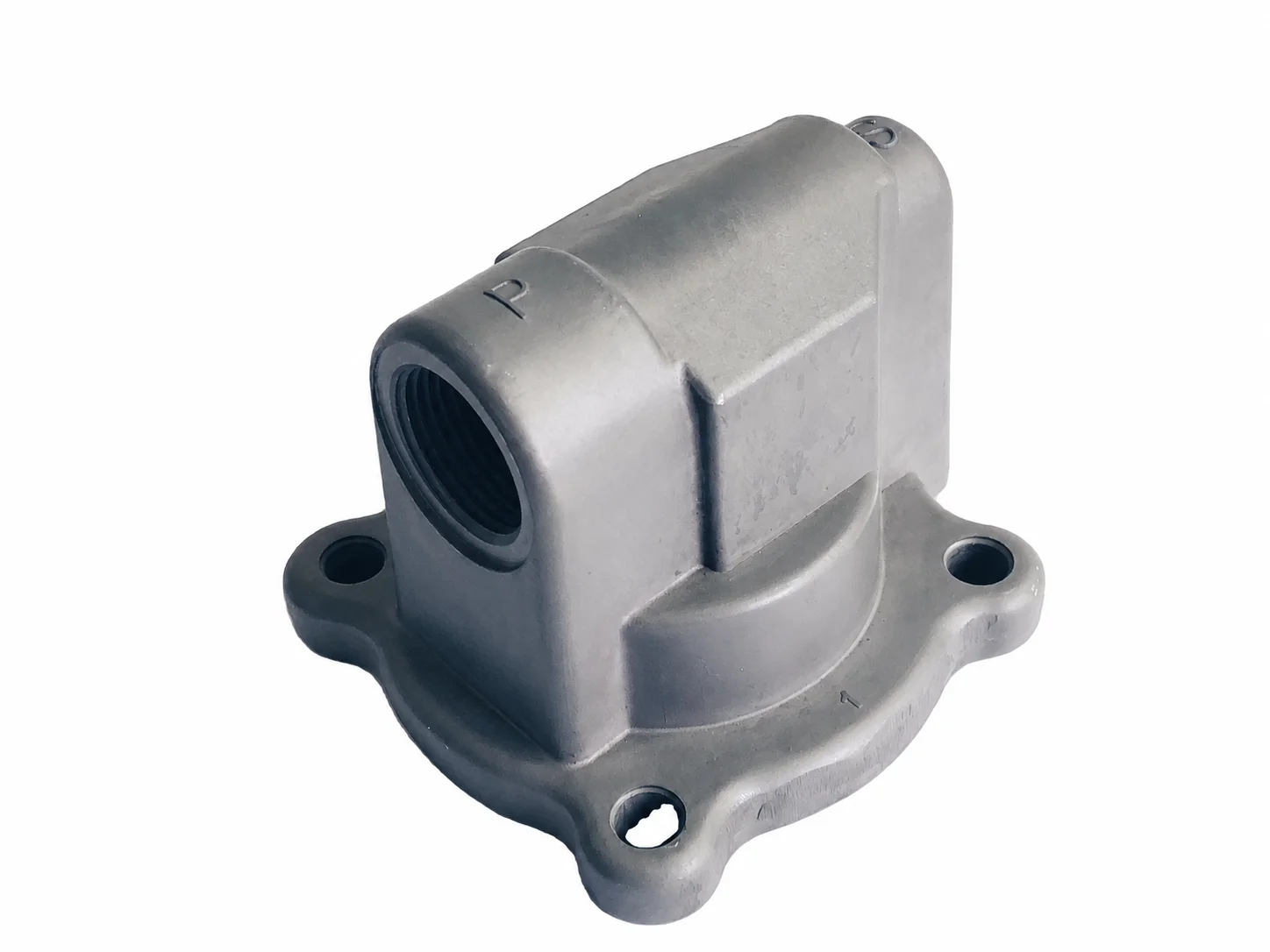
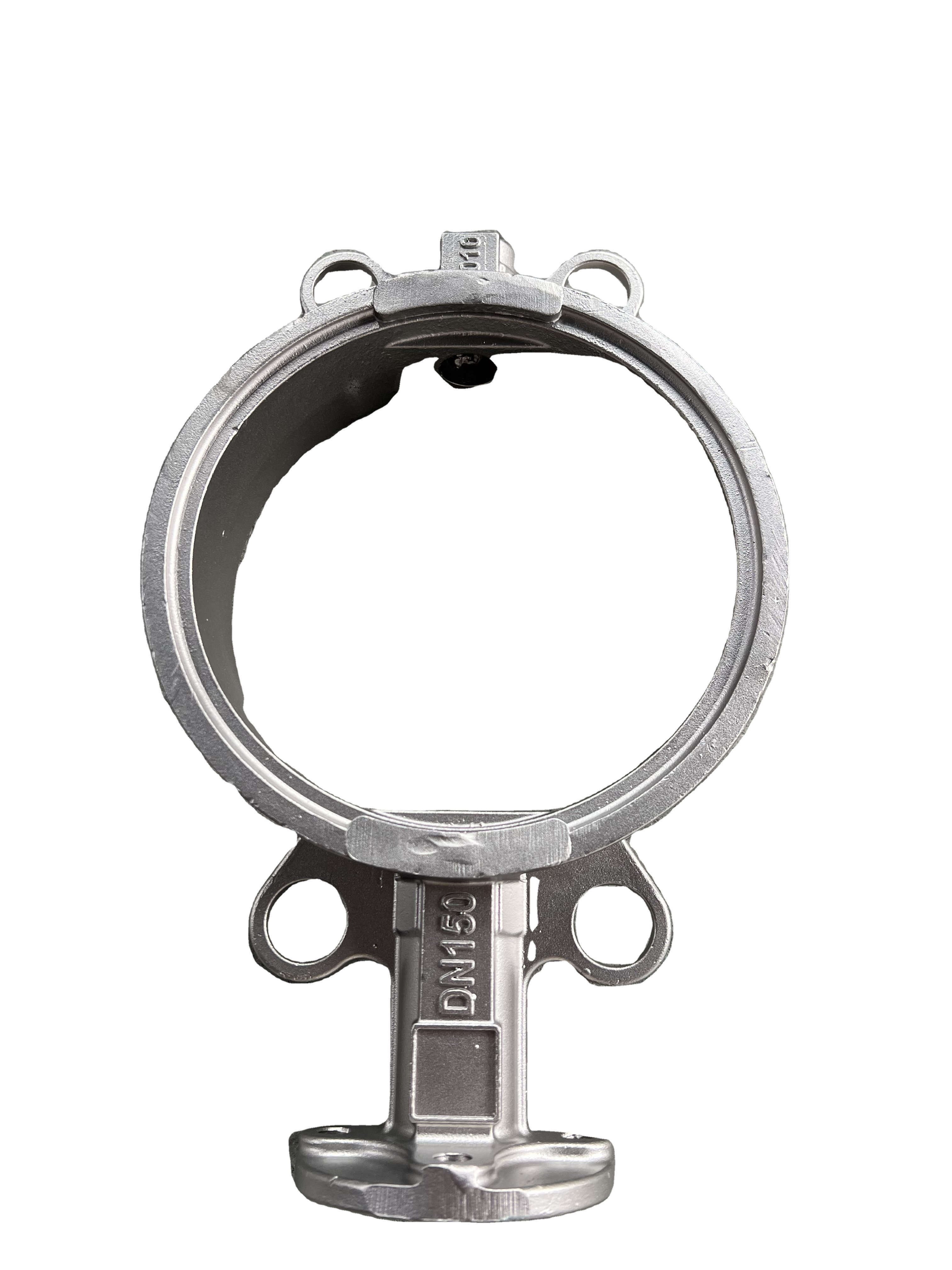
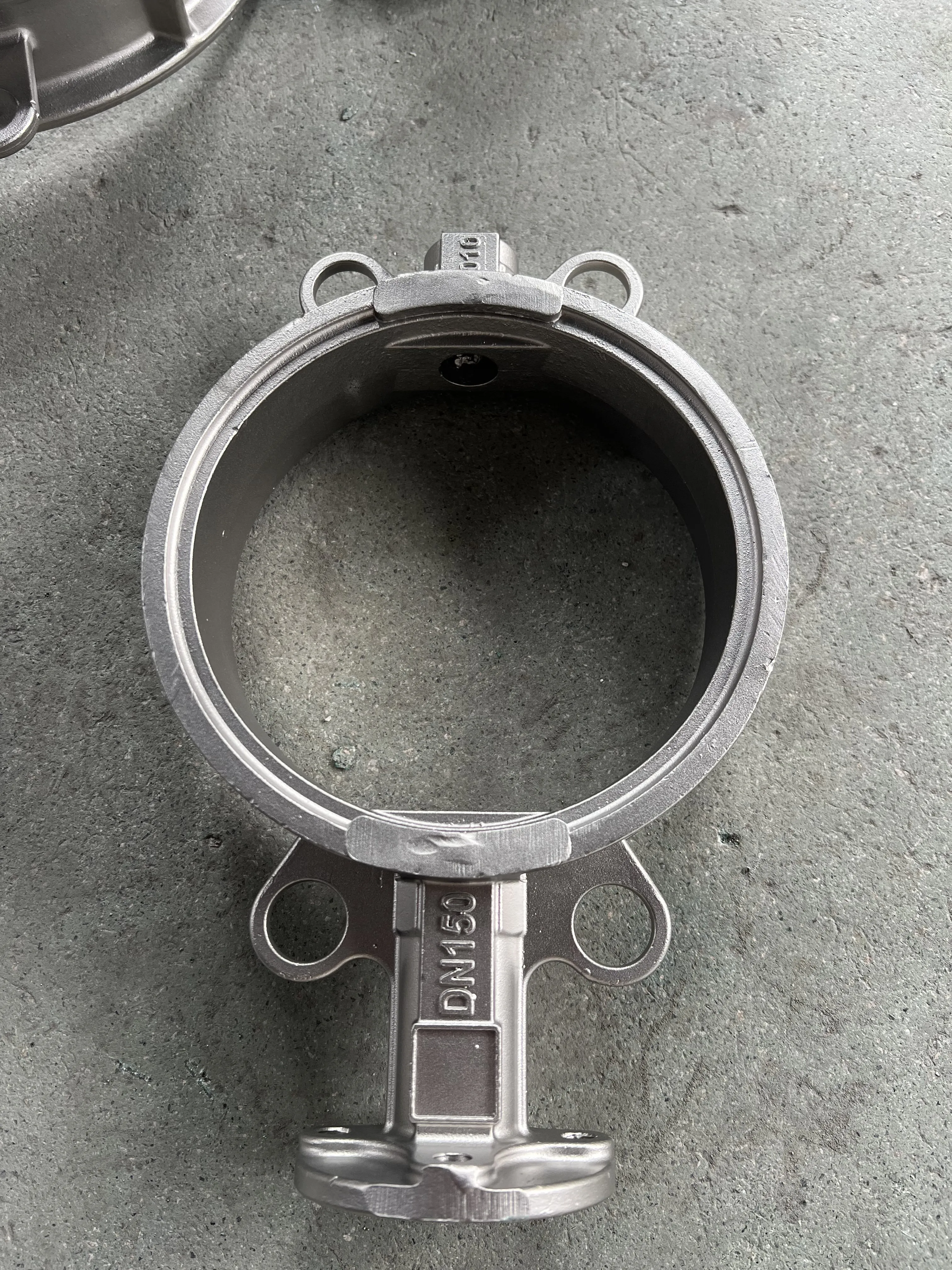
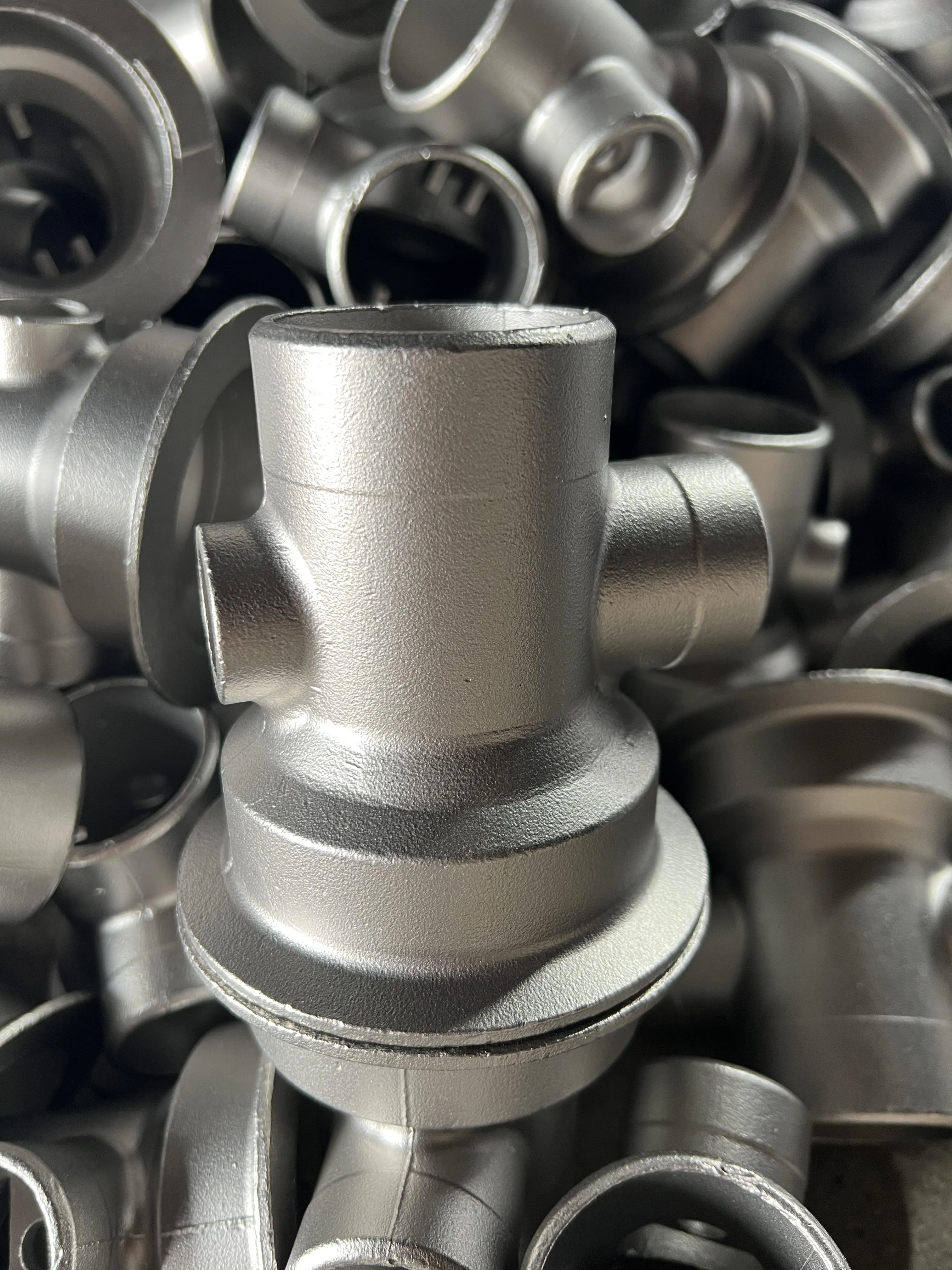
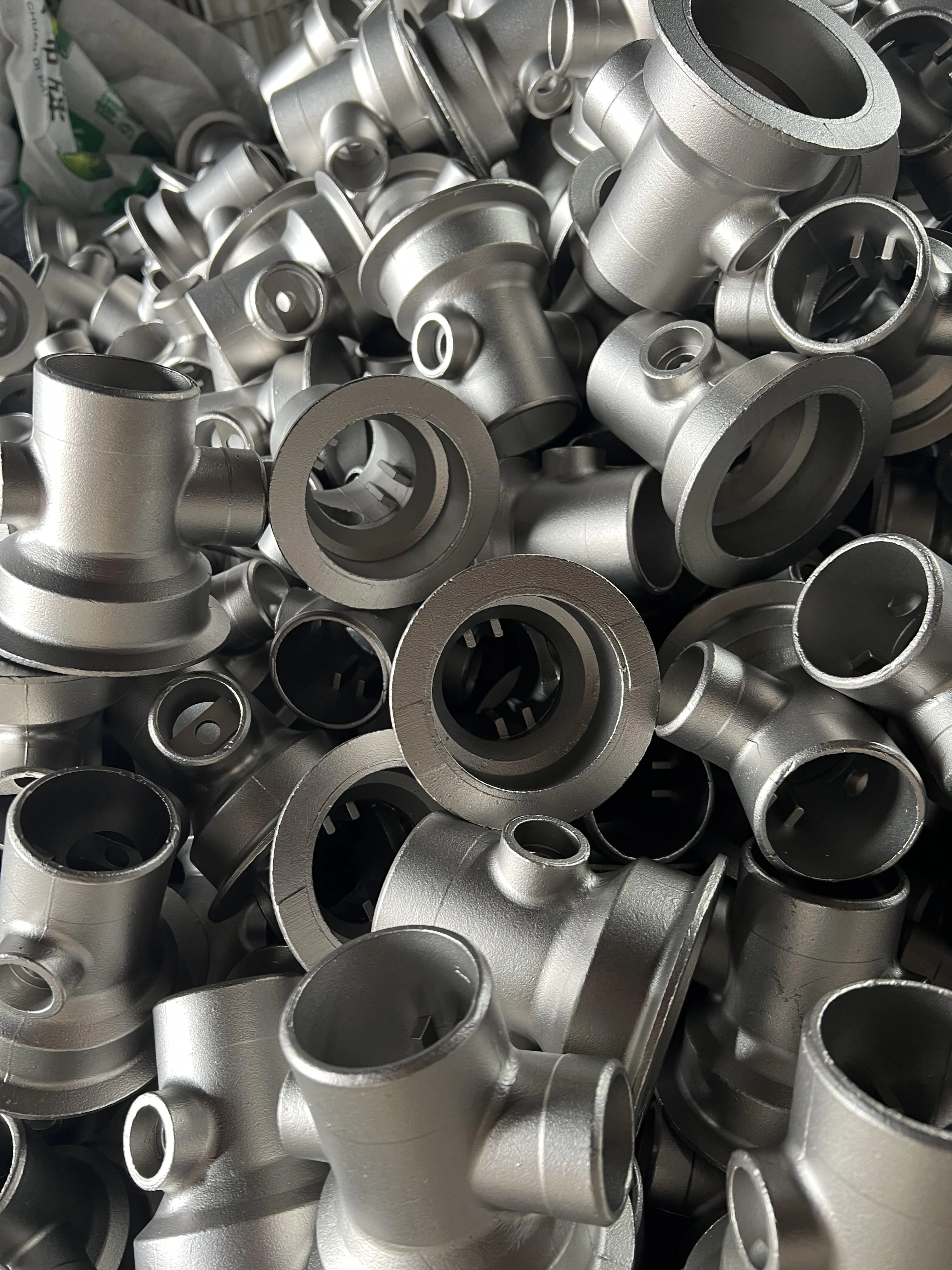
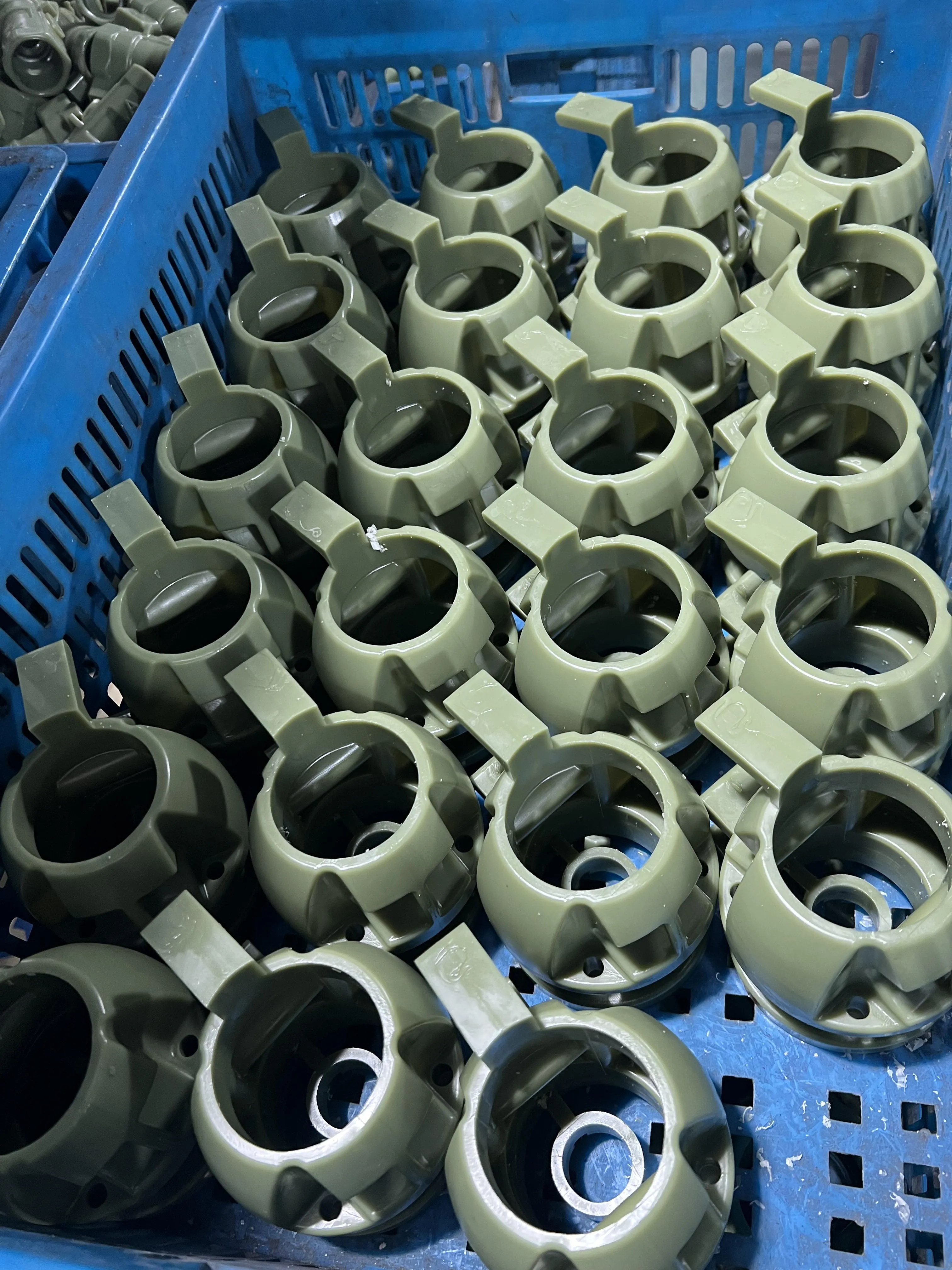
Custom stainless-steel 304 valve seats are available through an OEM lost-wax casting service for industrial inquiries. The manufacturing scope includes casting, machining if needed and surface treatment according to the customer's requirements. Silver is the appearance direction, and the minimum quantity is one piece.
Valve-seat geometry and mating surfaces
Identify the seat's shape and how its surfaces meet the actual valve components. The stainless-steel 304 requirement should be considered with the intended medium and operating conditions. Agree dimensions, tolerances and the seating acceptance for that design so that material and geometry are reviewed as parts of the same component decision.
Lost-wax casting with machining when needed
Casting provides the manufacturing direction for the custom valve seat. Machining can be included where the selected component requires it, followed by the requested surface treatment. Distinguish the cast geometry from the finished mating areas and identify the work needed for each, keeping the process scope specific to the seat being considered.
Silver appearance and full inspection
Choose the surface requirements for the silver seat together with its dimensional and seating acceptance. Quality control includes 100% inspection, with the actual checks to be agreed against the component requirements. A one-piece minimum supports a small-quantity custom inquiry while retaining the same need to define the material, mating fit and required performance. The OEM discussion can then address a particular industrial valve seat with a clear manufacturing and acceptance scope.








