
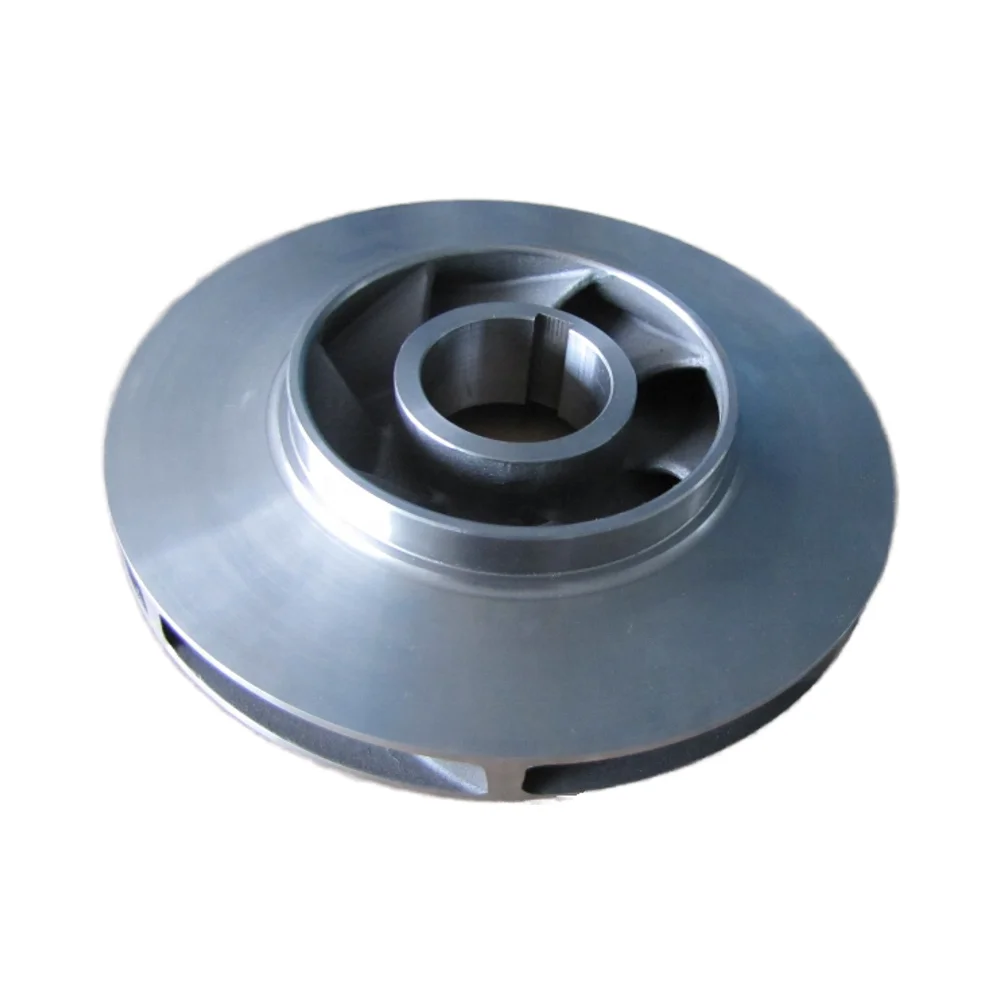
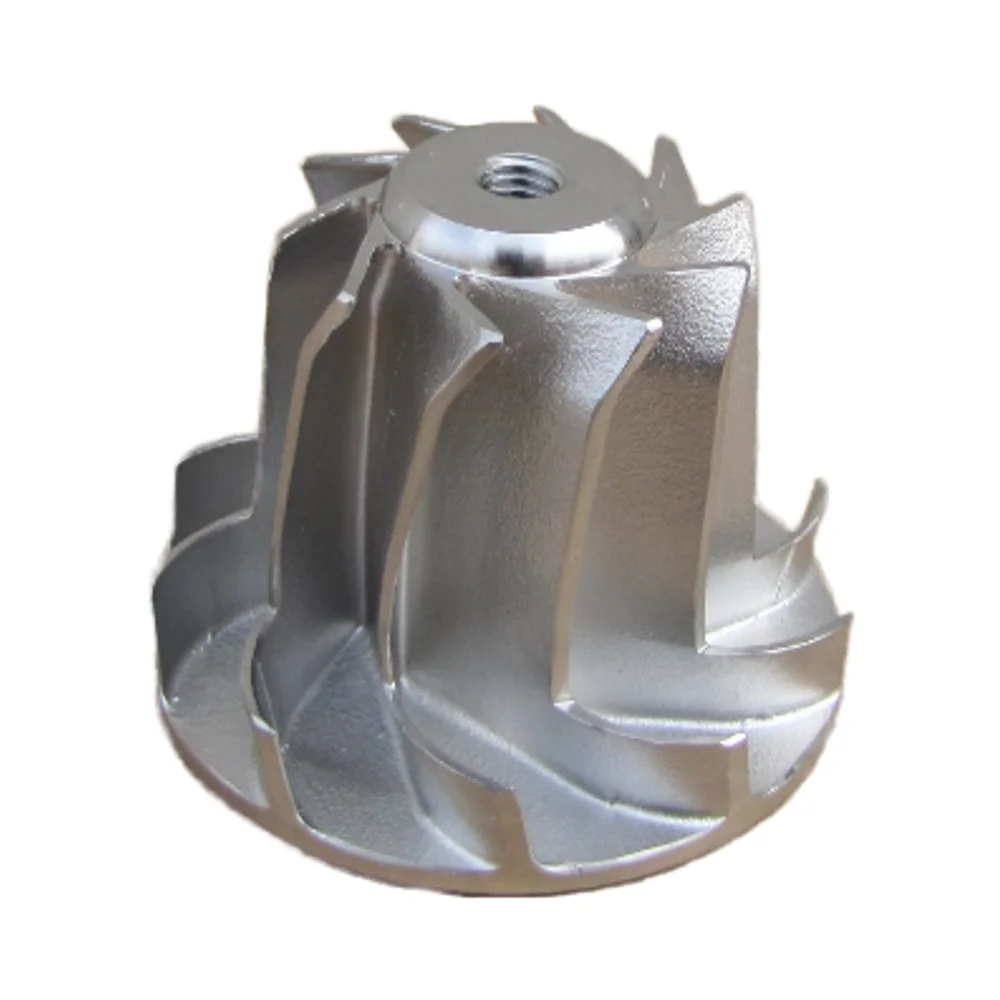
OEM Custom Precision Steel Impeller Parts: Lost-Wax Investment Casting and CNC Machining
Let’s define your requirement
Send a product link, drawing or short brief. We’ll work through the details with you.
- Confirm the specificationGrade or model, size and intended use.
- Define your orderQuantity, finish or configuration, and samples.
- Agree the quotation scopeIncluded work, key checks and delivery needs.
-
Component FormImpeller / RotorSurface FinishPlated
-
MaterialStainless Steel ,alloy steel
-
Product namecustom investment cast lost wax castingServiceprecision cast machine service
-
EquipmentCNC Machining Centres CNC lathe machineCertificate:ISO 9001
-
Processcasting+ machining+Heat treatment solution treatment +ElectropolishingApplicationMachinery Parts,auto parts
-
FinishElecric PlatingHeat treatmentSolution Heat Treatment
-
ToleranceCT6-CT7
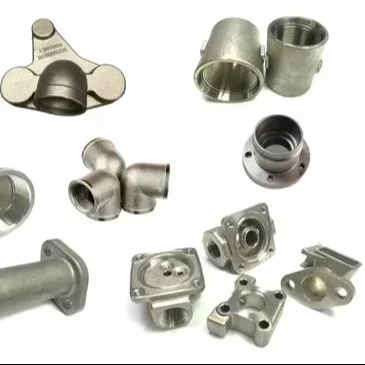
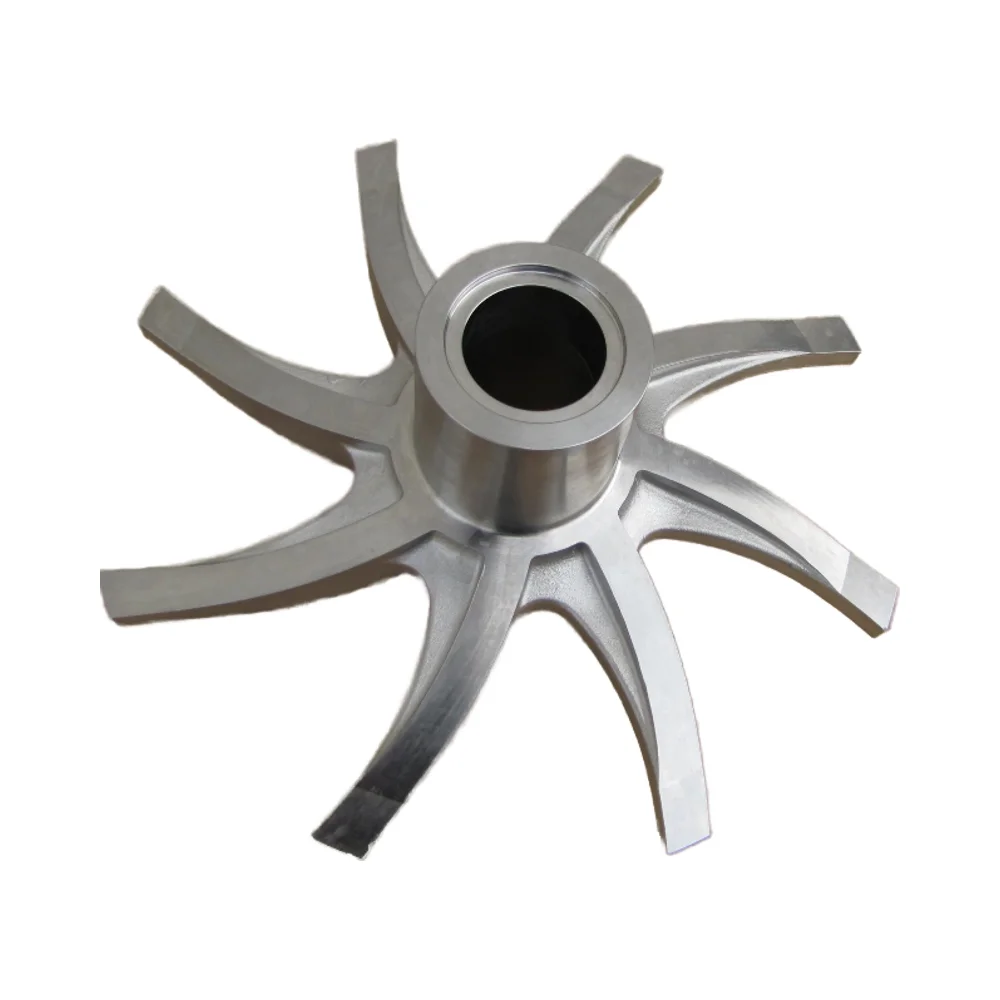
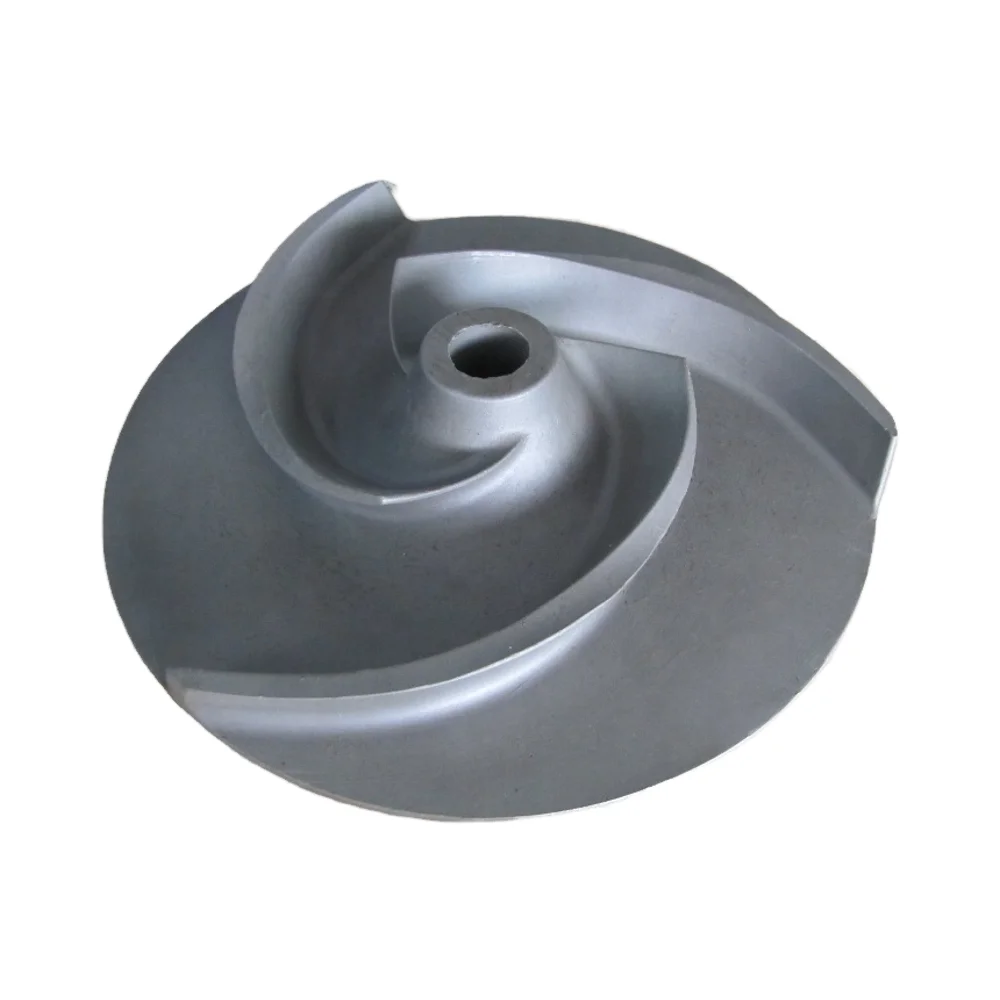
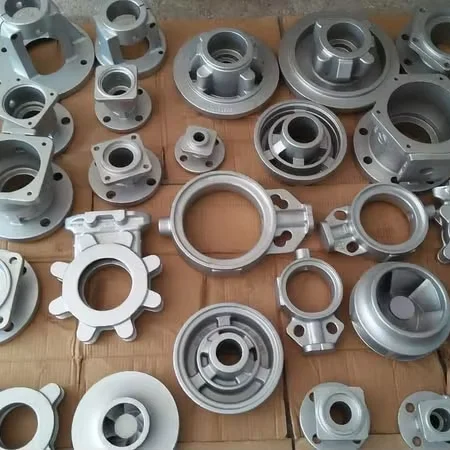
OEM custom precision impeller parts are offered in stainless steel and alloy steel through lost-wax investment casting. CT6–CT7 is the casting-tolerance reference. CNC machining centres and CNC lathe work support the machined dimensions, with heat and surface processing selected for the actual alloy and component acceptance.
Separate the impeller casting and CNC requirements
Specify the steel grade and identify the drawing dimensions governed by CT6–CT7. Mark the areas needing CNC machining and define their finished tolerances and measurement references separately. Keep the impeller geometry and required interfaces in the same controlled drawing so casting and lathe or centre work address one part definition.
Select the heat-treatment sequence for the alloy
Heat treatment and solution heat treatment are included in the processing options. Agree the selected treatment and its acceptance requirements against the actual steel grade. Connect the required material condition to the machining and finished-part definition so the proposed sequence can be reviewed for the intended impeller component.
Distinguish electropolishing from electroplating
Electropolishing and electroplating are separate surface-processing options for discussion. Identify the selected treatment, relevant surfaces and required acceptance for the chosen alloy. Review the surface requirement alongside the finished dimensions so the impeller's material, machining and appearance or functional criteria remain consistent.
Define the OEM machinery or automotive duty
Machinery parts and automotive parts are application contexts for the casting service. State the actual impeller duty, operating conditions and interfaces required for the project. The ISO9001 quality-system certification reference should be matched to its document scope, with any particular component conformity or performance acceptance agreed separately.








