OEM Custom Machinery Investment Casting, Lost Wax Cast-Steel Parts with CNC Machining and Surface Passivation or Polishing
Let’s define your requirement
Send a product link, drawing or short brief. We’ll work through the details with you.
- Confirm the specificationGrade or model, size and intended use.
- Define your orderQuantity, finish or configuration, and samples.
- Agree the quotation scopeIncluded work, key checks and delivery needs.
-
Surface FinishPassivated , PolishedAlloy GradeWCB
-
ItemCustom Machinery Investment Cast Stainless Steel Foundry
-
MaterialZG35, ZG45, WCB, WCA, WCC, ISO 340-550, etc. As customer requestManufacturing ProcessLost wax casting, option Lost wax casting
-
Casting ToleranceCT4-8 for cast steelMachining ProcessCNC Machining/ Lathing/ Milling/ Turning/ Boring/ Drilling etc.
-
Machining TolearnceUp to IT7, Ra 0.8~3.2 , according to customer requirementSurface TreatmentSurface Passivatin, Polish. As customer requests.
-
PackageMulti-layer wooden box/pallet, with big plastic bag insideLead TimeAbout 50 days for cast steel
-
ServiceSupply custom casting service
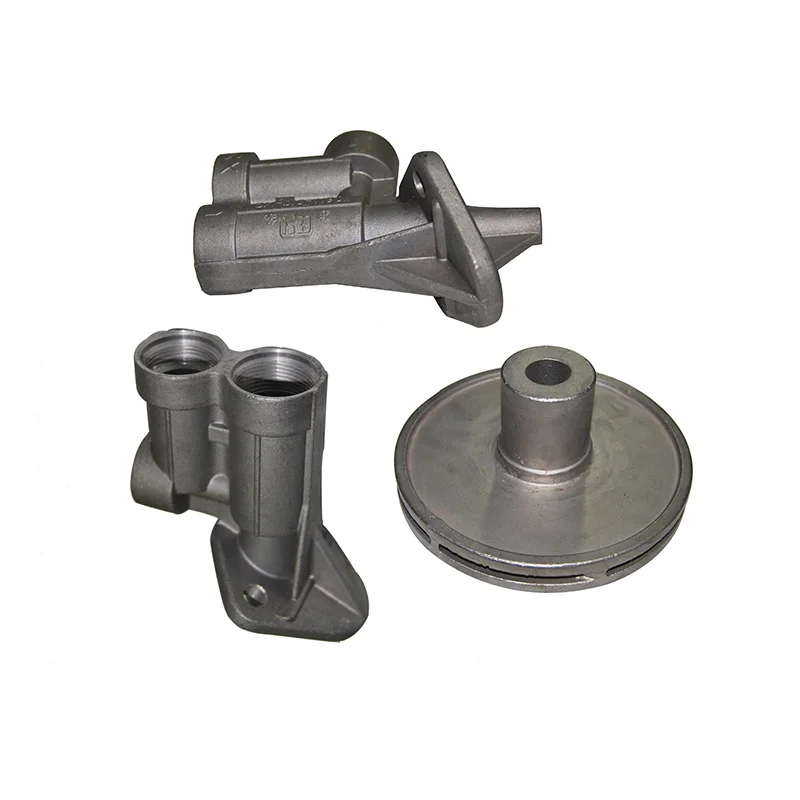
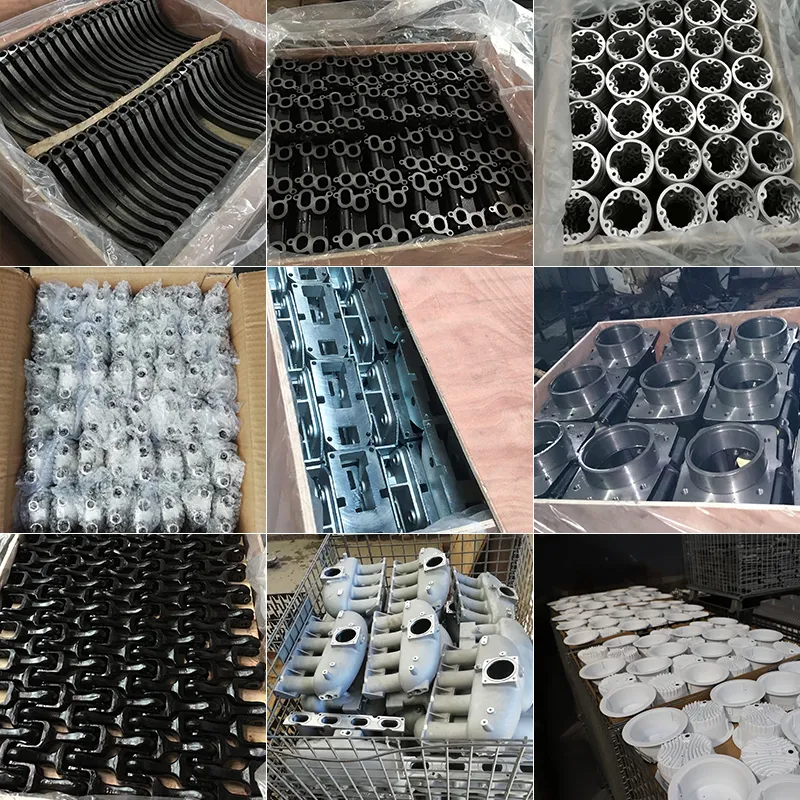
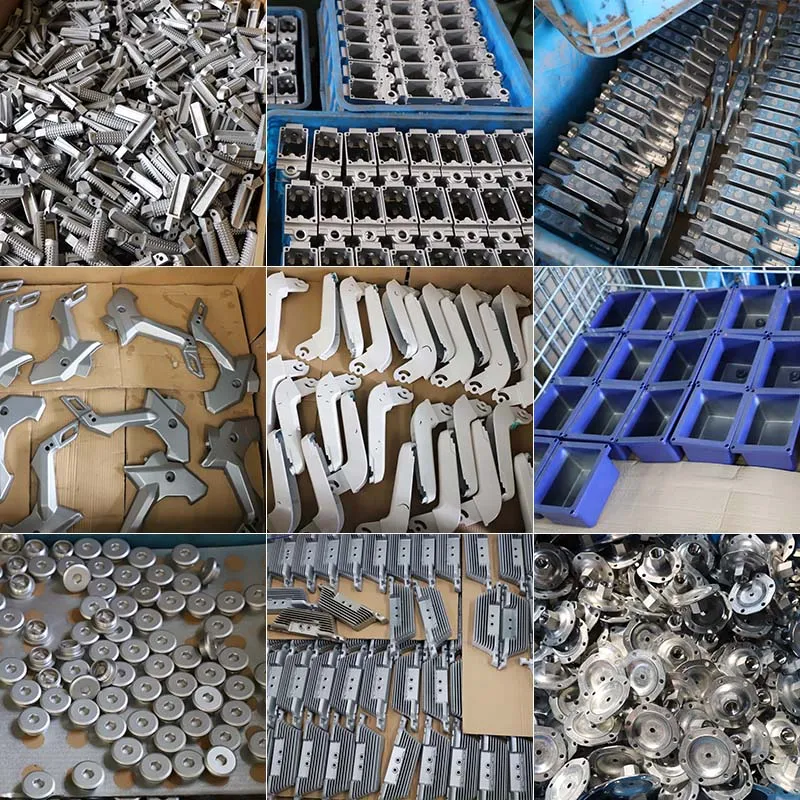
Connect a custom machinery casting with the dimensions and surface condition required on the finished component. This OEM service uses lost wax investment casting with CNC machining and requested passivation or polishing, allowing casting and finished-feature requirements to be discussed separately.
Specify the material for the machinery component
Material requests include ZG35, ZG45, WCB, WCA, WCC and the ISO 340-550 designation. Agree the exact material specification for the component and keep it associated with the part drawing. A specific grade definition is essential when the enquiry involves a stainless-steel requirement or another cast-steel material choice.
Distinguish casting grades from machined dimensions
The casting tolerance range is CT4–CT8 for cast steel. Machining requirements can be up to IT7 according to the customer's requirement, and the roughness range is Ra 0.8–3.2. Define the applicable features, measurement units and acceptance criteria for the drawing, so these different technical measures are used within their proper scope.
- Cast geometry
- Agree the applicable cast-steel CT grade for the component.
- Machined interfaces
- Define any requested IT requirement and surface acceptance.
Allocate the requested machining operations
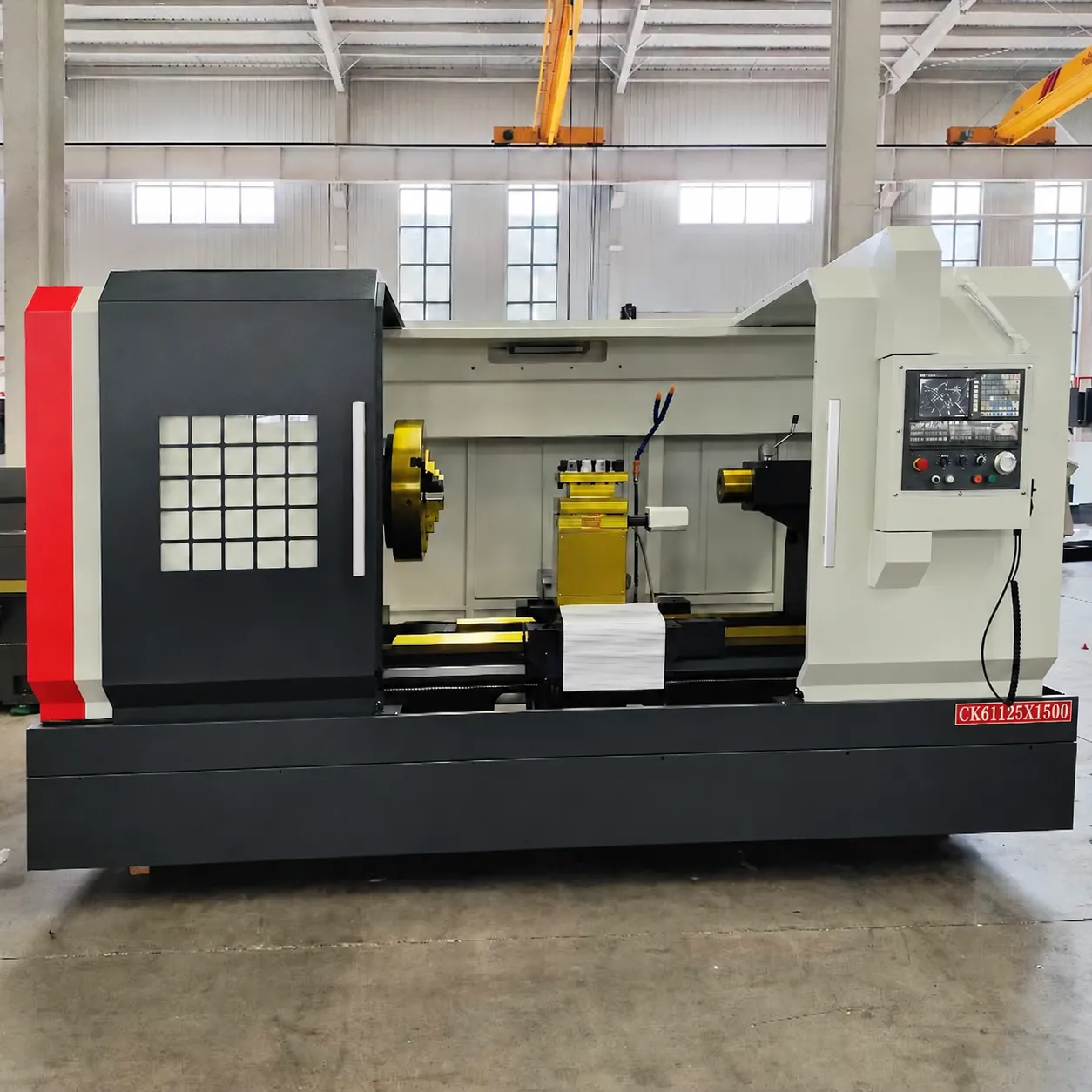
CNC turning, milling, boring and drilling are available machining directions. Identify the surfaces and interfaces that need those operations in relation to the investment-cast form. This allows each machining request to be discussed against the geometry and material of the actual machinery component.
Finish the surfaces required by the design
Surface passivation and polishing can be requested for the custom casting. Specify the relevant areas and the surface condition to be accepted, selecting the treatment around the agreed material. The finished component can then be defined through its alloy, cast shape, machined interfaces and treatment requirements as one coherent project.